Blog

  • 7 Signs of a Narcissistic Parent

    7 Signs of a Narcissistic Parent

    Have you always been curious about whether a narcissistic parent raised you? In today’s Best Day Blog article, we will look at the characteristics of a narcissistic parent and how being raised by a narcissistic parent translates into adult life. We’ll also look at what you can do to begin the recovery process to get your life back.

    Before continuing, it’s a good idea to check  Are They a Narcissist or a Codependent? to understand the difference between a narcissist and a falsely empowered codependent. You wouldn’t have ankle surgery for a broken arm, and you can’t heal from something you don’t struggle with; you want the solutions you are getting to be helpful to you.

    These are the characteristics of a narcissistic parent:

    1. A narcissist’s child exists to meet the parent’s needs

    Whatever is going on, the child is a prop and nothing more. Everything is about the parent.

    Many of us have been raised by falsely empowered parents and have moments like that. The difference is that this behavior will be consistent in a narcissist rather than moments as in a falsely empowered codependent.

    One of the ways narcissistic parent uses their child is to fulfill their unrealized dreams so they can live vicariously through them. So, the child’s individuality, thoughts, dreams, feelings, desires, needs, and wants are entirely ignored. All of these things are fashioned and controlled and decided by the parent. It all must be to please the parent.

    Generally, a narcissistic parent will use a lot of guilt. They may try to stop you from going off on your own, telling you that you don’t care about them because you want to leave them. You, as the child, are always placed in a double bind. If you go and pursue your interests, you feel like you’re letting your parent down. So, your parent is always making these decisions for you.

    As a child of a narcissist, you’re treated like an ornament. While the parent pursues their status, career, activities, or promotion of their self-importance through charities or social media, you’re propped up as an ornament. They highlight how well you’re doing in school or your athletic pursuits and how great you make them look. It might even be that only one of their children is highlighted as the ornament while the others are never featured because they aren’t as ‘good’ in the eyes of a narcissist.

    Again, many parents may have moments like this, but that doesn’t mean they are narcissists. If this is consistent behavior across time, situation, and activity, that is the signifier for narcissism.

    2. The narcissistic parents are always superior and will fight for their superiority

    Their children can never eclipse them, which means the parent is always in competition with their child. An example of this could be a parent and child sharing the same hobby or cooking a festive family dinner; the parent will constantly belittle and criticize what the child has done, regardless of their age or talent. This is something that continues into adulthood. The narcissistic parent will always have to be better than their child, irrespective of the actual quality of the parent’s work.

    These parents are possessive, competitive, and critical and will constantly compete with your friends and whoever you date or marry. That’s because they feel the need to always be above them. You’ll often see this with people who are new to the family, and your parent is likely to tell you or even your partner that they are not good enough for you. They’re always in a constant state of complaining. A narcissistic parent will try to segregate you from your friends or partners because they need their position of superiority.

    3. Narcissistic parents seek external validation

    They will parade their accomplishments – their life, trophy husband or wife, trophy kids, trophy associations – in front of others all the time. They seek a ‘better than’ position – ‘this is less than, that is better than.’ Everything is a comparison, and it’s all predicated on external validation. Sharing any personal information that makes them look bad is the worst thing someone could do to them, regardless of how their child’s feelings might be impacted. Parents like this will place themselves in positions where they can be recognized and validated.

    4. A narcissistic parent will use shame, blame, manipulation, and coercion

    They work to control you and always keep you beneath them. The way you dress, the way you act, or the way you perform is an embarrassment to them all the time. One way they do this is by boasting about how much they’ve done for you. This becomes even more prevalent when you try to move away from home. You can see this in parents who guilt their child for leaving by essentially listing all that they’ve done for them in their life as if it was out of the kindness of their hearts rather than the obligation and legal duty they have for bringing a child into the world. As a parent, it’s their job to take care of their child without expecting anything in return.

    Narcissistic parents will often blame their children for their unhappiness. This can extend beyond the parent-child relationships and into the parent’s troubles with their partner or loneliness. These parents will manipulate you with money or vice to get you to do what they want. This might be in the form of paying for rent, bills, and everything else so that their money can control you, especially if they threaten to cut you off as a way to get you to do what they want.

    In trying to coerce you into doing something immediately, they might barge into your house unannounced and uninvited. Or they will put you in a position where you need to make a difficult decision to please them and put them in a place of being your priority. If you don’t make them your preference, then they tell you you’re a terrible child.

    5. They are rigidly controlling and highly sensitive

    This is expressed as the adage, ‘it’s my way or the highway.’ No matter what, you, as a child, are always wrong. Any thought, feeling, action, or belief must always align with them. Any disagreement creates explosiveness. Remember that narcissists have severe shame and tremendously low self-esteem, so they can never be labeled as wrong. Unlike a falsely empowered codependent, a narcissist is never aware of this. Instead, they continuously negate any flaws within themselves.

    6. These parents lack empathy

    With an inability to register their child’s thoughts or feelings, they can’t understand that the child is inherently meaningful and worth something. That’s that lack of empathy; the only feelings that matter are their own. This is why if you’re having a bad day, they immediately turn the attention towards themselves and how their day was. It is a constant competition for them to be the center of the conversation.

    7. A narcissistic parent expects their child to take care of them

    This starts in childhood but then extends into adulthood and beyond. It encompasses emotional, physical, and, in many instances, financial care in virtually every area. They want you to put them above even your kids and family. Because, after all, they believe that you owe them something for everything they gave you growing up.

    There’s a misconception that we must take care of our parents, but it’s our parents’ job to take care of us and to have worked in a position where they can take care of themselves as they grow old. Life may be difficult, and many parents work hard under circumstances that disallowed them from creating a comfortable nest egg to retire on; that shouldn’t be held against them. However, while children will often have to chip in at the end, parents who aren’t narcissistic will not believe that they deserve to be cared for in this way. With narcissism, parents expect to be cared for even if they can care for themselves.

    The common thread within all seven of these characteristics is that narcissistic parents are the mountaintop with everything else revolving around them, not in moments but all the time.

    What does this look like in adulthood?

    If a narcissist raised you, there are several ways it would manifest as an adult, including low self-esteem, anxiety, or depression. You will be codependent in many or all of your relationships, have poor boundaries, and tend to be a people pleaser. It’s almost impossible for you to say no.

    Children of narcissistic parents tend to be racked with chronic guilt if they’ve managed to say no, and they tend to be left with a tremendous feeling of emptiness. They may not feel it or medicate it away, which is why they won’t seek recovery—seeking recovery means feeling that void, and who wants that? This is the biggest struggle for many trying to recover; it can be isolating and intensely lonely. It’s an uncomfortable feeling to make peace with. But this is where the healing is.

    A person raised by a narcissist cannot express or even handle their emotions. They can be all over the place and react quickly or shut down and shut off. Trust issues and indecision are often very prevalent as well; they will relinquish decision-making power to others.

    Sadly, children of narcissists tend to pick partners who are also narcissistic. You do not end up in a narcissistic adult relationship unless you have suffered severe trauma in childhood. Many people push back on that, but they tend to be detached from the reality of their childhood abuse. Malcolm Gladwell points out that it takes 10,000 hours to become proficient at something. Few of us ever take a class on how to be a parent or have a relationship, but everyone thinks they are an expert. Everyone thinks they know their childhood without delving into it even a little bit. Therefore, everyone has a deep level of disconnect from reality about the truth of their childhoods. If they do the work, they will realize the truth about their parents and their perfect imperfections.

    What are the solutions?

    1. The first thing is trauma recovery. If you know that a narcissistic parent raised you, you went through horrific and unspeakable trauma. You may not feel or notice it yet, but that’s a defense mechanism you used throughout childhood to survive. However, you will have to address all of this to get your life back.

    The second thing you need is codependence recovery. As you can see, because of many of these dynamics, it became your job to care for your parent; you had to give up your life. You were an ornament and a possession for them to use as they saw fit. That left you in a place where you’re now dependent on others to get validation. This needs to be dealt with.

    The third thing you need to do is seek out an expert. This is not something that you can navigate by yourself. You can’t recover just by watching videos or reading books. Sure, you can gain information, skills, and tools using these mediums, but you will never heal. We need outside experts to teach us. I always suggest a person find an expert in childhood trauma recovery and codependence recovery.

    Beginning your recovery journey.

    If you’re not in a financial place to work with a professional, take advantage of my free resources here. http://kennyweiss.net/resources/

    For those that are ready for the complete healing journey, here or four suggestions I invite you to get started with today:

    1- My Book, Your Journey To Success
    2- My Complete Emotional Authenticity Method
    3- My Perfectly Imperfect Private Group
    4- My Private Coaching

    Investing in yourself is essential to successfully heal from a narcissistic parent. I encourage you to do that in whatever way works for you.

    Enjoy The Journey??

    If you would like to learn more, check out the video here:

  • How To Embrace The Fear Of Change

    How To Embrace The Fear Of Change

    Many of us are afraid of change. Whether it’s a new job, a new relationship, or even going to the grocery store for the first time in months. In today’s Best Day Blog article and attached video, I will show you how to embrace the fear of change in three simple steps!

    Why do we fear change?

    Anything that we haven’t seen, tasted, touched, felt, or smelled before will instantly trigger the fear response. This means that any time there is a change or you want to try something new; it is normal to be somewhat afraid. We will all have the fight or flight response triggered when we face new experiences. There’s nothing we can do to stop this natural reaction from happening. However, there are many things we can do to learn how to quiet fear and embrace change. 

    The first step to embracing change

    The first thing to recognize is we all have to experience the unknown in our lives. I know this can be extremely scary, and I, myself, have many experiences of this, one of which I distinctly remember. When I turned 18 years old, I left my home in Colorado to play junior hockey in Canada. This was my first time experiencing traveling on my own and a forty-six-hour bus journey. I was leaving the comfort of what I knew, the people I knew, and the customs that I knew. I spent most of that bus ride in tears. But I knew that the only way to conquer that fear was to get on the bus and learn. I had to lean into the fear. 

    To overcome fear, we have to turn into fear. Importantly, our brain doesn’t know the difference between something good for us or something bad for us; all it knows is whether it knows the experience or not. If not, there will be fear. So, to embrace change, we have to turn those things we’ve never done before into a known experience – we can’t skip this step. 

    Fear is always ear is one of these three things:

    1. The fear of rejection
    2. The fear of inadequacy – we don’t have the skills, tools, or knowledge to do something.
    3. The fear of powerlessness

    In my experience, I was fearful of being rejected – by new friends, by being an American in Canada, of being inadequate- not being skilled enough to play, and of being powerless – over losing old friends, my girlfriend, and the journey itself. 

    To learn more about the deep intricacies of fear and to overcome each one specifically, I have a 5-part series on my YouTube channel which will take you through my R.I.P. strategy. This video series provides you with a simple process to identify which fear you are experiencing and the steps to calm your fears. 

    Furthermore, I created a free download How To Remove Feeling Rejected which walks you through a simple ten-step process to never experience the feeling of rejection again.

    How to embrace change?

    Have grace for yourself and how long change takes. As adults, we all expect change to happen quickly, but I want to remind you of how long change actually takes. When I ask people how long it might take them to write a one-page essay, most reply one-three hours. I then remind them that it took them almost twelve years. I know that seems hard to believe, so let me remind you. Think about it. What’s the first thing you are taught at preschool? The alphabet! We first had to learn how to make each individual letter- the way they move and their different variations. 

    Then we had to learn how to combine these letters into words and their proper spelling and group words into a sentence. Punctuation and the different meanings words have when placed in different parts of the sentence. Then we move on to paragraphs, which eventually turn into stories. The stories of our lives. If you recall, it was not until you were in senior in high school that you could effectively combine all of these new tasks into a well-written essay. Therefore, remind yourself that we all start at preschool with every new challenge, no matter your age. Change takes time. Have grace for the pre-schooler in you at all times. 

    How to embrace change in three simple steps: 

    -To recognize that everything we do requires change. Fear can’t be avoided. We can’t avoid the fight or flight response. We must choose to turn towards change and fear, and by doing so, we create a known experience that quiets our fear. 

    -Secondly, remember that fear is always either the fear of inadequacy, rejection, or powerlessness. To learn more, you will want to watch my Youtube video series, and read the free download I mentioned above.  

    -Thirdly, remember to have grace with yourself. So often, as adults, we expect to be able to write the story straight away – without learning the individual letters, words, sentences, and paragraphs – we put too much pressure on ourselves to know everything. This isn’t realistic, and you wouldn’t expect a preschooler to know how to write the alphabet on the first day of school – you’d celebrate them for trying! Love and honor yourself as you would the preschooler, embrace your perfect imperfections, and embrace change. 

    To learn more:

    Watch the video version of this article below. To gain a deep understanding of fear, check out my five-part video series on Youtube and my free download, How To Remove Feeling Rejected I mentioned above. To go even deeper, pick up a copy of my book, Your Journey, To Success. I dedicate a complete chapter to explaining what fear is. The rest of the book provides you with the process of becoming fearless. 

    [embedyt] https://www.youtube.com/watch?v=qPV_nWV2XvY[/embedyt]

  • Why Being An Empath Isn’t Good

    Why Being An Empath Isn’t Good

    Most people believe being an empath is superior, but it can damage your life and relationships. Today’s Best Day Blog article, and the accompanying video, will take you through what an empath is actually experiencing, what creates them, and what you need to do so that you don’t end up in trouble! To do so, we’ll go through the difference between being an empath and empathy, and also the truth about empaths that many experts won’t tell you.

    What is the difference between being an empath and empathy?

    Empaths absorb other people’s emotions and will often become that person’s emotions, no matter how they feel themselves, altering how they feel inside. Empathy, on the other hand, is the ability to take somebody’s story and equate it to a moment in your life where similar feelings were encountered and put yourself in their shoes, remembering what it was like from your own experience to be going through something similar. Somebody with empathy won’t lose themselves and can stay contained. In contrast, an empath cannot keep that separation between themselves and the other, instead absorbing the feelings as if they were their own.

    The experts won’t tell you that being an empath is actually a misnomer for something else. There is a way to prove this – before you continue reading this article, type into Google ‘empath’. Notice the results that come up, many articles on ‘10 characteristics of Empaths’, for example, all of which will say similar things like ‘empaths absorb others emotions, they can become overwhelmed, they have huge hearts but give away too much…etc.’. Now Google the characteristics of a codependent, and you’ll notice that these share the same traits. 

    Unfortunately, the myth that being an empath makes you better than others and is a desirable trait isn’t correct. An empath is someone who is living with untreated codependency. 

    Pia Mellody asserts that the main 5 symptoms of codependency are:

    1. Low self-esteem
    2. Lack of boundaries
    3. Lack of self-care
    4. Out of touch with reality (believing that their overt kindness is healthy and admirable)
    5. Lack of maturity

    This can be difficult to accept, and this information isn’t here to disparage you. In fact, I myself have had to learn and own this part of myself.

    The Myth Of, “I Was Born An Empath.”

    The tendency to wear being an empath as a badge of honor is most often justified by the phrase, “I was born this way.” No human is cognitively capable of remembering or assessing the feeling state they were born with. The person who claims they were born this way is “out of touch with reality.”  They have constructed a reality that is not based on truth—a core symptom of codependency. Emotions and feelings are created and learned through our childhood experiences. We are all born with a certain effect, which is a description of our general state, but emotions and feelings are learned constructions based on the emotional environment and culture in which we were raised. 

    Becoming someone else as an empath does, who is taken over by the feelings of another, is a perfect imperfection. In many of my videos, I speak about my having a ‘great gift’ of being an empath,. It has taken time for me to work through my codependence and get to the reality that this is not a gift but, instead, one of my many perfect imperfections. This can be difficult to accept and understand, but acceptance is the key to healing. 

    What Creates the Empath?

    There are two things that generally lead to someone becoming an empath. 

    1. Childhood trauma
    2. Shame

    Unfortunately, for many empaths, it might not be immediately obvious what the trauma is. It’s very common to hear people declare that they had a great childhood and, therefore, haven’t experienced trauma. Humans are imperfect, and those imperfections leave emotional wounds. The disconnect is that most think the definition of trauma means they experienced some horrific event. Trauma is any event that leaves a negative emotional condition that persists. You don’t become an empath unless your childhood was filled with some form of emotional dysfunction. Therefore, because we are perfectly imperfect humans, we have all experienced trauma of some sort growing up – there are no exceptions. To not accept this truth is to be out of touch with reality. A core symptom of codependency. 

    As children, in the first seven years, our brains operate in a theta state, which is a hypnotic state without cognition. Therefore we are extremely open and impressionable. We have no emotional boundaries, so we download and become whatever our parent’s emotional condition is. As we gain understanding, we construct a reality to justify our parent’s imperfections. We condone their perfectly imperfect behavior. In the case of the empath, their boundaries were transgressed to the point that they no longer have them. The child becomes hyper-aware of any small changes in the emotional balance in the household as a way to survive, creating hypersensitivity to emotions in general.

    This is positive in that it helps children to survive. Still, as an adult, we are unable to manage our own emotions, finding it difficult to be in relationships and getting overwhelmed easily because we are still stuck in our trauma. The trauma forces the denial of the authentic self and is replaced with shame.

    How Empaths Use Reaction Formation As a Defense 

    Let’s talk a little about the ‘Reaction Formation,’ and a good way to introduce this is to look at the common phrase ‘Kill them with kindness.’ Empaths are most often those who are the kindest people, and you may hear them say that people often hurt them because they’re ‘too nice’. When we go through severe trauma, to counteract the shame, many create a different form of the reaction to protect themselves. In this case, an empath may be repressing a disturbing feeling that would trigger a shame response. Remember that this is not a conscious process. This is all happening as a maladaptive coping skill that was created to get through childhood.

    The trait of kindness is then developed to counteract an impulse to be cruel because underneath the shame is a lot of hurt, sadness, and anger that wants to be released. These emotions have been there since childhood, but as a child who were unable to stand up for themselves, these feelings were repressed. So instead of lashing out, they go the complete opposite way and into intense kindness. The kindness will tend to be rigid and often inappropriate – empaths often end up in relationships with narcissists because they are stuffed with so much shame, commandeering as incredible kindness and caring – an intense version of trying to help them get better – but it is not warranted. 

    Using Kindness To Hide the Anger

    Using kindness instead of anger is designed to protect the self from feeling the shame within – it is used to avoid the original wounding that has never been dealt with. 

    The kindness is unconscious, coercive, manipulative, and as John Bradshaw says, “thinly sadistic.” In many ways, it is, in fact cruel in itself as well as inappropriate. Take being overtly kind to a narcissist. There is no reason to keep them in our lives and be nice to them. Therefore, both are, in fact, deceiving each other as they’re out of touch with the reality of who they are. The difference with the empath is that they cover their shame with kindness, whereas narcissist smost often covers it with conflict and cruelty. 

    The untreated codependency and shame can make it difficult to be in a relationship with an empath because they are not fully in reality or inside themselves. 

    What Does The Empath Need To Do To Heal?

    1. Codependence recovery work
    2. Shame recovery work
    3. Childhood trauma recovery work

    The best codependence recovery is found in the book ‘Facing Codependence’ by Pia Mellody. John Bradshaw’s book ‘Healing The Shame That Binds You’ is a great resource, and my book ‘Your Journey to Success’ will unearth the traumas you have suffered and bring them into your reality. 

    You can find Pia Mellody’s and John Bradshaw’s book on my website at this link http://kennyweiss.net/recommended-reading/ and my book can be purchased at this link. http://kennyweiss.net/shop/

    To learn more, watch the complete video here.

    [embedyt] https://www.youtube.com/watch?v=Zfa8Xij5Ckw[/embedyt]

  • Five Ways To Deal With a Narcissistic Parent

    Five Ways To Deal With a Narcissistic Parent

    Five Ways To Deal With a Narcissistic Parent

    Are you trying to figure out how to navigate and deal with a narcissistic parent or family member? Then today’s Best Day Blog article for you. I’m going to be showing you five ways to deal with a narcissistic parent.

    Tip #1 Acceptance

    What keeps us from being able to deal with a narcissistic parent is that we keep trying to fix or figure out what’s going on. To accept that it can’t be figured out due to the narcissistic tendencies being created in their own childhoods, and therefore being out of your control, a few things have to be accepted about the parent:

    • They will never listen
    • They will never admit that they’re the problem (classic narcissistic trait)
    • They will never compromise 
    • They will never care about you or care about the family truthfully in the way you hope.
    • They will only care about power. 

    Narcissists only care about the world revolving around them and creating power for themselves. As sad as it may be, accepting that they will not love, adore and connect with you in the way that you deserve helps you move forward. To allow this to be accepted is devastating and very difficult to make peace with. Working through these emotions is important because you will not get the parenting you deserve. To read and understand this first point will be difficult, it can feel very final, and this will likely hit some tender points within yourself. It’s important to honor these feelings that are roused by understanding this. A small condolence in this realization is to remember that the cause of this is trauma that hasn’t been dealt with in the parent’s own life, which cannot be changed by you. 

    Tip #2 Turn everything around

    This is a really powerful step that can help to create a separation between you feeling responsible for your parent’s pain and the truth that you are not – turn everything around. The negativity, insults, blame, manipulation, belittling, and anger are all a projection of their own self-loathing and pain. It is not yours. It has never been yours, and it is not your burden to carry. A great way to move through this is to write down all the ways they have blamed, shamed, guilted, and criticized you. Then flip it and write it in the first person from their point of view. This turns what is being said that’s hurtful from ‘You are to blame for my misery’ to ’I am to blame for my misery’ (which is, in fact, accurate). So, turn every ‘You’ statement that has tried to make you the problem into an ‘I’ statement. 

    This can provide a very visceral understanding of how your parent feels about themselves. While we may empathize, it is critical that we don’t excuse or minimize or condone their choice not to seek help and heal their pain. Again, it is their pain to carry, and it is their job to heal it, not ours.

    Tip #3 Don’t stand in front of the abuse any longer

    You’ve likely been trying, for years, to work it out with your parent. This has to end for your own benefit. Creating a boundary that says you will not stand in front of this abuse any longer is powerful. To do this, the moment it feels as though negative comments are going to come up, a simple statement such as ‘This conversation is no longer working for me, I’m going to leave’ will create a wall of pleasantness and a boundary that protects yourself. No longer try to engage or reason with them, as this won’t work. Leave, get out and commit to no longer standing in front of the abuse. 

    Tip #4 Set boundaries with them

    As you would a child, you must set boundaries with narcissists. The emotional capabilities of a narcissist are somewhat regressed from that of a non-narcissistic adult because they become stuck in the usually healthy stage of narcissistic development that happens around age 3-6. While most children grow out of this, those that become narcissists in adult life become get stuck here. Therefore, you must be firm with the boundaries you set and enact consequences immediately. It may feel a lot like you’re disciplining a child, and in effect, this is because you are. You must put your foot down and take responsibility for the boundaries you’re setting. 

    A key to this is instead of making your boundary about them (i.e., ‘You’re making me feel this way, so I need to leave’), it must be about yourself (‘This behavior doesn’t work for me, and I won’t tolerate it’), so that it’s really clear. You can let them know that if they do decide to stop using offensive or abusive language, you are open to talking to them, but until then, your boundary will stop you from interacting with them – and then stick to your boundary and leave. To learn more about boundaries, take advantage of my free download, How To Keep Our Boundaries In 3 Simple Steps.

    Tip #5 Start prioritizing yourself

    Get into recovery. This requires working with trauma and codependency recovery specialists to get the healing your parents have never pursued. This work will allow you to reparent yourself because you weren’t parented as you deserved. You are allowing somebody to teach you how to heal and parent yourself will greatly benefit you on this journey. Develop self-love. Accomplish this by learning how to say no and releasing guilt around loving yourself. I have a whole section on self-love on my website here: http://kennyweiss.net/category/self-love/ Here, you will find helpful material that can teach you how to prioritize yourself, as well as free exercises.

    These five tips will help you on your way to dealing with a narcissistic parent. Take advantage of the free downloads and exercises I have provided for you here – http://kennyweiss.net/resources/

    Looking for more solutions? Pick the one that suits your needs best: 

    1- My Book, Your Journey To Success
    2- My Complete Emotional Authenticity Method
    3- My Perfectly Imperfect Private Group
    4- My Private Coaching

    Watch the video here-

    [embedyt] https://www.youtube.com/watch?v=ats9o4G0YD4[/embedyt]

  • Depression Solutions Without Medication

    Depression Solutions Without Medication

    Depression Solutions Without Medication

    Depression is a debilitating condition that affects millions of Americans. If you’re feeling the burden of depression, today’s Best Day Blog article will provide you with depression solutions without medication. Make sure to check out the in-depth video linked at the bottom.

    In it, we’ll discuss tips and tricks to help those dealing with depression or living with anxiety cope in their day-to-day life. These strategies for coping will work whether you have depression, anxiety, PTSD, or another mental or emotional illness. Unfortunately, in almost all cases, depression medication doesn’t solve depression. In many, it makes the depression worse, and in almost all cases, when coming off it, this is undoubtedly so.

    Medication only medicates the symptoms, but it doesn’t deal with the root cause – and this goes for all depression medications, of which many work only on a psychosomatic basis. There can also be significant negative side effects from depression medication, so you’re in the right place to look for real solutions and answers.

    There are several contributing factors to the issues with depression treatment: problems in the medical community and problems with the way we look at treating mental and emotional health. 

    What are some of the myths and facts about depression?

    Modern research into how the brain works shows us that the way we feel and think creates our biology, which means the old adage that faulty brain chemistry creates depression is mostly wrong. You might be genetically predisposed, but that does not mean it is predetermined. It takes faulty feeling and thinking to trigger that gene of depression to activate. One of the medical issues is that it only looks at biology – take this anecdote as a way of explaining this:

    A car has many different components that make it run smoothly – an engine, tires, windows, batteries, oil, gas, clutches, etc. – but using the anecdote of the car in medicine, they only look at the engine. If the car has a flat tire, prescribing a pill would be akin to ‘Put more gas in the tank!’ rather than looking at the actual issue causing the car to run dysfunctionally. The car will still run, but the root cause of the issue has not been addressed. Pills are not always the most effective treatment for depression. They might be an initial starting point so a person can begin addressing unhealed emotional pain’s root cause.  

    Why won’t your doctor tell you this? Medical research and medical schools are funded by huge pharmaceutical companies, meaning that most doctors are trained to become simply a ‘pill mill.’

    How does illness happen?

    Illness happens when cells break down and cells have receptors. Think of it like the texture of an orange, all the little bumps. Those bumps are the receptors. If there are 1 million receptors on the cell, depression might only 500 of those receptors. Sadly, medication doesn’t just attach to the “depressed” receptors. It attaches to ALL of the receptors This is what causes significant side effects and leads to an activation of the ‘healthy’ cells unnecessarily. So now, all of the latent conditions that may be sitting in the cell receptors that weren’t activated become activated and cause other issues on top of the one you were initially trying to deal with. This leads to further prescribed medication and the start of a long journey of living in a medicated state – this isn’t helpful for a happy and healthy life. 

    Health needs to be bio-psycho-social, a holistic approach that understands that our health isn’t predetermined. We must start bringing in the psychological and emotional factors that create our medical conditions because stored emotional energy creates illness. This is what Candace Pert talks about in her book ‘Molecules of Emotion’, stating ‘If you look underneath your depression, you’ll find anger, If you look underneath your anger, you’ll find sadness, and under sadness is the root of it all – what’s really masquerading all the while – fear.’

    Where did we learn to be afraid?

    Childhood. We’ve all been through perfectly imperfect parenting, and while many believe their childhoods were perfect, it’s not true. Every single one of us has been through levels of shame and trauma, even when a parent was trying their hardest with our upbringing. We are all human. We all make many daily mistakes, even loving parents. Parents are not perfect, and those imperfections leave lasting wounds. Depression results from attempting to minimize, justify and ignore this fact and truth.

    But what happens to a child experiencing that? Alice Miller has several books that provide a deeper understanding that at the heart of this depression is the inability to express emotions. In ‘The Body Never Lies,’ she says. “The point is that the fatigue characteristic of such depression reasserts itself every time we repress strong emotions when we play down the memories stored in the body and refuse them the attention they clamor for.”

    We are depressed because we have suppressed, repressed, minimized, and ignored the anger, sadness, and pain of our childhood. Almost everyone is told growing up that it is not okay for you to be a child, to be imperfect, to feel – most often, children are told to shut down their feelings. 

    The Solutions For Depression

    If you’re here reading this, you know medication has not solved this for you. Because you’ve lived it and know the truth, let’s get to the solutions. 

    Depression Solution Number One:

    Pick up Beverly Engel’s book ‘The Emotionally Abusive Relationship.’ This will help those who are finding it difficult to stomach the truth that you learned this in childhood. Most likely, you may not be aware of what creates perfectly imperfect and dysfunctional parenting. This book will help you understand the different parenting styles and learn more about how they impact you today.

    Depression Solution Number Two:

    Purchase Alice Miller’s books ‘Free From Lies: Discovering Your True Needs.’ ‘The Drama of the Gifted Child, and ‘The Body Never Lies. These three books will help you to discover how the trauma from your childhood is the cause of your depression. 

    It has been proven that genes do not predetermine our life.  The emotional environment the gene is placed into that triggers and activates a gene to ‘switch on and create illness. Therefore, healing depression requires developing new tools, skills, and knowledge to create a new emotional environment to change the cell’s genetic makeup.

    Depression Solution Number Three:

    Go to this link to access my free resources on my website. Look at the Feelings Wheel and the ‘10 Simple Steps to Heal Emotional Pain’. These will help you become an expert in Emotional Authenticity. Understanding how these emotions create biology, realizing that you cannot change depression with THOUGHT! You can only change it with emotion.

    So use the feelings wheel to track your feelings for the next few days. Start with tracking how you feel and where in your body you’re feeling it 3-5 times a day. We store emotional trauma within our body physically, which leads to illness. Becoming aware of where it is in your body will really help.

    Ask yourself when the first time you had this feeling was. Can you remember and trace it back to childhood – that moment you experienced the sentinel feeling? These emotional expressions have been diminished, and part of the healing journey is learning to express these emotions healthily. 

    My ‘10 Simple Steps to Heal Emotional Pain download walks you through the complete healing journey. It gets to the core solution rather than attempting to medicate the symptoms. 

    My video ‘How to Release Emotional Pain’ works together with the above printout. 

    These three free resources will help you to get off the medication and deal with the source of the problem. 

    [embedyt] https://www.youtube.com/watch?v=VFAB-7OmkVo[/embedyt]

  • How To Heal A Lack of Attachment

    How To Heal A Lack of Attachment

    In today’s Best Day Blog, I’ll share some tips on how to heal from a lack of attachment. 

    Feeling lonely, disconnected, or misunderstood by those closest to you or, even worse, by yourself are typical experiences for those who lacked the proper attachment with their parents.

    We all experience a lack of attachment

    Everybody experiences detachment of varying degrees in childhood. The mistake is to believe that a lack of attachment requires some big transgression. In fact, yelling, being dismissive, sarcastic, poking fun, or withdrawing intellectually or emotionally can result in attachment wounds. 

    For some, rarely are these memories accessible in adulthood – but the experience and the feeling are still stored in the body. Research shows that even if a child is placed straight into an adoptive mother’s arms, the child will still experience a severe detachment and abandonment right from birth.

    Physical presence is not enough to create attachment. If your parent is an alcoholic, for example, as my mother was, in her periods of drinking heavily she was essentially in a walking coma, unable to care for me properly and not available mentally or physically – this created detachment and severe fear. 

    How can you start to heal this?

    1. Work with a professional
    2. Tell your story- Journal your life as a child, narrate it so you can discover the trauma you experienced
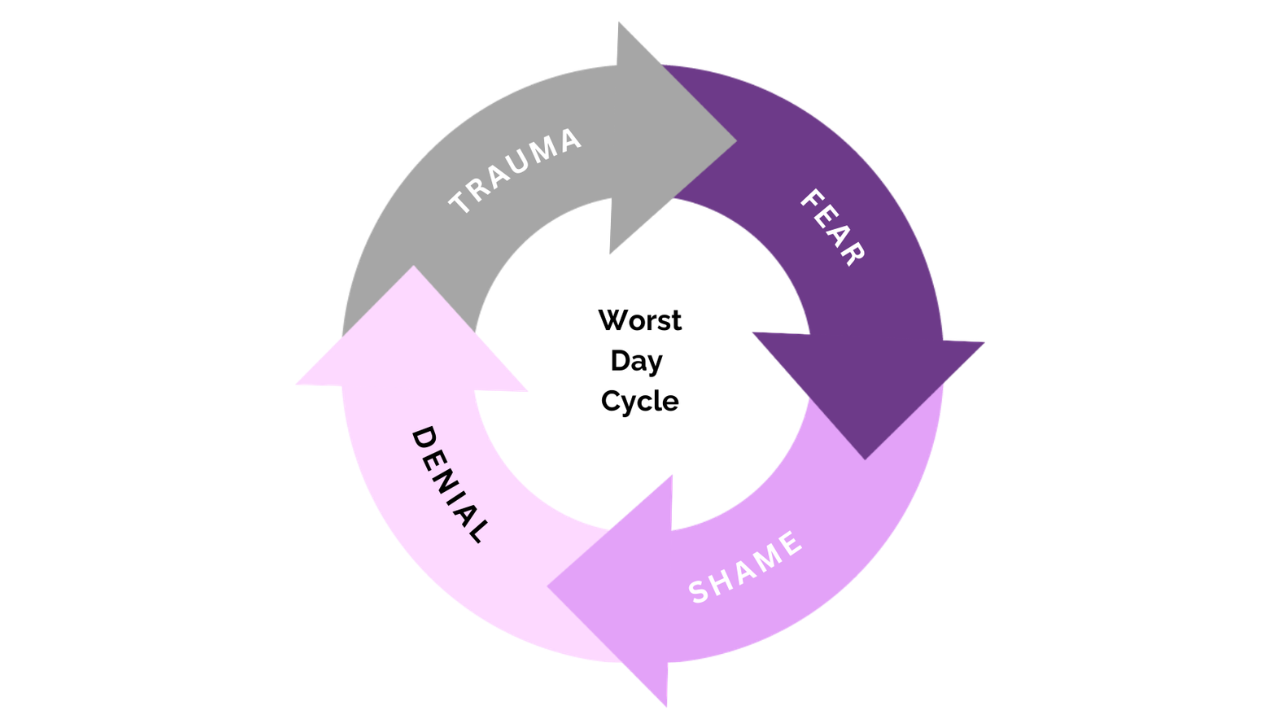
    3. What is your worst day cycle? How are you repeating the same pain as an adult? 
    4. Learn about the attachment styles 
      1. Anxious (also referred to as Preoccupied)
      2. Avoidant (also referred to as Dismissive) 
      3. Disorganized (also referred to as Fearful-Avoidant) 
      4. Secure
    5. Begin asking for and meeting your needs and wants

    So let’s get into the tips I have for you on how to heal from a lack of attachment.

    Step One: Hire a Professional

    To get good at anything we have to learn from a professional. To become a great chef, athlete, musician, etc. you can’t do it without a coach or teacher. Ironically, in almost every other aspect of life, if we don’t know how to do something, we hire someone who does, but when it comes to our emotional well-being people either believe they don’t need one or make excuses as to why they can’t do it (it’s too expensive being a very common one). This denial or refusal to get support actually comes from our deep attachment wounds.

    The core belief is we’re not worthy, that we don’t want to spend money attaching to ourselves. If you’re not willing to look into support with your journey on healing this attachment wound, it could very well be that your attachment wound is severe and deeply buried. The coach is there for attachment! To be the safety that you never had, to advocate for the child inside you who never had the love and support that you deserved growing up. 

    Step Two: Learn to Tell Your Story

    Journal on all the memories and stories you have of when there was a feeling of detachment growing up. Think of times you asked your parents to play with you and they said no or perhaps you were the youngest child for a while and then a brother or sister was born? Can you still remember how this feels within? 

    Journaling will help to pull up these memories and remember those times when your parents were perfectly imperfect and couldn’t attach to you.

    Step Three: Learn how you are repeating The Worst Day Cycle

    I talk about The Worst Day Cycle in my book ‘Your Journey to Success’. Every single one of us replays the trauma from our childhood, whether our lives are going well or not. Our adult decisions can be traced to our childhood experiences. If you’re struggling as an adult, you’re replaying The Worst Day Cycle. We need this information and awareness so we can learn how to heal and move forward. 

    You can learn more about The Worst Day Cycle here. If you want to learn the complete process, I invite you to read my book. 

    Step Four: Learn about the 4 Different Attachment Styles

    We have all formed attachment styles and three out of the four possible options are maladaptive – they do not benefit you. The three maladaptive styles are Anxious (also referred to as Preoccupied), Avoidant (also referred to as Dismissive), and Disorganized (also referred to as Fearful-Avoidant). The fourth is Secure which very few of us experience. 

    Remember that all of the best parents do not intend to create these ‘issues’ within their children. Imagine everything that is going on in your life now – working, commuting, social media, the news, household chores and so much more, all crammed into one day – this was the same for your parents who, on occasion, or maybe often, we’re unable to give you the attention you desired because they were busy or tired or distracted. This is not a fault of theirs, but simply the truth of every situation.

    Most people fall into the first three attachment styles because we are not taught Emotional Authenticity. Our lack of Emotional Authenticity as a society is why these attachment styles are passed down generationally.

    Step Five – Begin Asking For and Meeting Your Wants and Needs

    Do you know why 99% of the people I work with can’t answer the question ‘What are your morals and values, needs and wants and negotiable’s and non-negotiable’s?’ Because, as a child, they were brought up to meet their parent’s morals and values, needs and wants and negotiable’s and non-negotiable’s and were never given permission to investigate, discover and express their own. This is part of the attachment disconnect with themselves- if they were better connected internally, they would be able to confidently and quickly list them off without thinking too much about them.

    Try not to get overwhelmed by this new information. Be kind to yourself as your progress through these initial heavy steps of the journey. If you need help getting started, I invite you to try out my free masterclass, Your Journey To Emotional Authenticity.

    In less than thirty days you will unravel where your attachment wounds originated and more importantly, you will develop the first foundational step to reconnecting with yourself.

    Get started here:

    Learn more here:

    [embedyt] https://www.youtube.com/watch?v=5zbmthdCcQg[/embedyt]

  • How To Know If You Have Childhood Trauma?

    How To Know If You Have Childhood Trauma?

    How to know if you have childhood trauma? Most people incorrectly assume that childhood trauma is only created by the typical devastating mistreatment often written about in the media and news. However, it does not require such devastation, and therefore, all of us have been through childhood trauma. This Best Day Blog article aims to bring that truth into reality and consciousness. Living in truth is critical for us to live the happy, healthy, and safe lives we deserve.

    Childhood trauma happens more often than you think?

    As a child, how often were you told, ‘Not right now, just go watch tv, go play in your room, and I’ll be up in a minute!’ How many times as a parent have you said that? If you’re like an average parent, you’ve probably said those same comments thousands of times to your children. 

    These experiences are traumatic.

    It might seem nit-picky to say little comments like those are traumatic. Still, the accumulation of the emotional injuries we all experience are traumatic to our brain and body.

    Parenting is Hard!

    Of course, there will always be examples of severe trauma that can result in very difficult adulthoods and childhoods, but the small stuff causes trauma too. The little comments, looks, abandonments – it’s all normal. Parents get exhausted, feel drained, and need a moment to themselves. It’s ok to admit that sometimes we don’t have the energy to parent. But, in those moments, your child knows it. 

    This brings to light how overwhelming the job of parenting can be. To leave your child without any wounds, you need to be perfect in every moment, which isn’t humanly possible. But, you are not to blame – no parent is to blame.

    Parents must live in truth and take responsibility.

    It’s essential to be able to listen to your child and what they say about your imperfections. Admitting our mistakes is not easy, but as parents, we must take ownership of our perfect imperfections and accept that we leave wounds in our children. Furthermore, any struggle that our child is having is, in part, a direct result of our perfectly imperfect parenting of them. For a parent not to acknowledge that mistakes were made and that those mistakes are showing up in their child’s life is the most traumatic. That is a complete lack of regard for a child’s inherent value and worth. Denial on that level communicates that the child doesn’t even exist.  

    By learning to do this, you can teach your child not to be falsely empowered but rather own up to when we’re wrong with humility and grace. 

    Parents often reach out to me with issues their children are facing. It’s as though they think their child was raised in a vacuum. For a long time, behavioral science has shown that we become our childhood, particularly the first three years of life. Those years are critical, but so many people are oblivious to this fact – your child’s struggles directly reflect your internal struggles, no matter their age. If you see this, it’s time to look in the mirror, look inwards, and start your healing journey to recover from what you’re struggling with. 

    To help your child heal your childhood trauma. 

    Healing can take shape in many different ways. It starts with recognizing the patterns and behaviors we are passing down. This requires an awareness of our childhood experiences. We can then make an intentional effort to change by taking ourselves out of the loop of habit. The result is a positive impact on our child’s emotional development. 

    Unless someone takes responsibility for generations of perfect imperfections, all being passed through you to your child, the pattern will continue. This requires confronting our denial and mastering our emotions.

    If you are interested in beginning your healing journey, these links will help you

    1– My book, Your Journey To Success

    2– My Complete Emotional Authenticity Method

    3– My Perfectly Imperfect Private Group

    4– My Private Coaching

    Learn more here:

    [embedyt] https://www.youtube.com/watch?v=Kk3upkD2QXk[/embedyt]

  • Three Mental Health Awareness Tips

    Three Mental Health Awareness Tips

    It’s no secret that more and more people are struggling with mental health issues these days, and frankly, most people do not see results when they try to address this. So in today’s Best Day Blog article, I’m going to share three counterintuitive tips to train your mental health awareness.

    What’s the first thing we’re all trying to achieve? A life with no pain. And how do we try to do that? By trying to cancel out anything and everything that could cause pain! And this is the problem! The problem with the mental health industry is that they are trying to get you to avoid pain when in fact, the solution is quite the opposite – we must become experts in seeking out pain – let’s get into that.

    1- Seek Out Pain and Become an Expert

    Don’t believe me? Let me share three reasons why this is the key to your positive mental health journey. Firstly, what does every CEO, athlete, politician, actor/actress – anyone who has ever achieved anything significant – tell you about how they achieved it? More often than not, it’s a huge, painful event in their life that led them to figure out a solution – their pain led them to success.

    The problem is that once you’ve been through an experience like this, most people say that they would never want their kids to experience that sort of pain! This is incredibly ironic because they know that they only got to where they are today because of the experience and growth that came from their distress. Of course, it is not the intent to stop people from growing and being successful, but what people don’t realize is that by shielding yourself from pain, you are stunting your growth and development and may never reach your full potential.

    As well as this, it is simply not realistic. The solution to life always has, and always will be, to conquer our pain. The world suffers because no one has taught us how to deal with it.

    The story of Jesus is the perfect example of this and also an example of a misunderstanding of the message being shared. Jesus is revered as, in many religions and cultures, the ideal person being under the watchful eye of God Almighty. However, even under God’s guidance, Jesus suffered horrifically but was able to move through his pain and was still viewed as perfect, as someone who never made a mistake. This pain all leads him to be nailed to the cross, and at this moment, he shouts ‘”My God, my God, why have you forsaken me?’. At this moment, Jesus had admitted the truth, that even he did not believe in his Father, in God, and that he had to have a cataclysmic event to see the truth – the solution was to admit that even he did not trust his Father. The moment he did, he was able to surrender to the cross and rise again.

    Whether you are agnostic or atheist, the same is true. The resurrection happens for all of us when we get to the other side of the pain, yet everyone avoids pain at any cost. However, you cannot become an expert until you learn Emotional Authenticity and how to journey through the pain (not around it). My book ‘Your Journey to Success‘ takes you through this journey and shows you how to face your pain.

    The pills and medicine and advancements in medical care are not helping. On the contrary, the mental health crisis is getting worse – because we keep teaching people not to face their pain. The bottom line is this – for every person who has ever succeeded, the happiest moment of their life was when they conquered what they were struggling with. As such, the solution is not to deny pain. It is to embrace it.

    It’s time to develop the knowledge, skills, and tools to help you navigate your pain. Find teachers and experts that provide you with these. Anyone who claims to be an expert but tells you to run from the pain is a person to be avoided! It would be best to have a teacher who will show you how to go through it and become an expert in overcoming it.

    2- Weight is about pain.

    Weight management would seem to be a physical thing – something you manage by eating in balance and moving your body, but so many people don’t understand that weight is about pain. Dr. Felitti started a study on people who would yoyo in their weight repeatedly and figured out that people eat because they are in pain. Much like medication, food is used to alleviate symptoms. However, neither heals the root cause of internal issues. A research patient said to Felitti,’ you know we eat because we’re in pain?’ and the Adverse Childhood Experience study was born from that moment on.

    The study has been replicated multiple times worldwide with the same results, and those results show that nearly 70% of us have been through childhood trauma and, of that, almost 70%, 88% of them have been through 2 or more experiences of childhood trauma. The problem is that no one talks about this or the side effects of this trauma on us. As such, no one has the knowledge, skills, or tools to deal with it proactively and productively. So instead, many try to medicate it away will food and medications.

    So, the counterintuitive step number two is that we need to become emotionally literate to work with the pain. Most people don’t even know what childhood trauma is – from simple, unintentional abandonment to catastrophic abuse. Almost everybody has experienced trauma of some sort that is, on the whole, unhealed. Studies have shown that up to 70% of adults don’t even feel. They are not in touch with what’s happening inside them, and to the childhood trauma they are carrying around – they are detached.

    This unhealed trauma the majority of people carry causes people to binge eat, drink too much, and generally live unhealthy lives and make unhealthy choices. It’s childhood trauma. It’s not mental health awareness. It’s our feelings that we’re struggling with! We are sad, anxious, depressed, or low – these are all healthy feelings to feel. We can start healing when we can label them as feelings rather than the more obscure or often-stigmatized ‘mental health.’ In my opinion, the struggle is with emotional health – it’s not mental health.

    The Scales of Injustice

    We create what I call the Scales of Injustice because we won’t admit what things are – i.e., calling fear – stress, and emotional health – mental health. On one side, we are all in massive denial because we won’t deal with the truth. When we are not in the truth, we don’t know who we are, so the other side of the scale is low self-esteem. None of us want to admit our true feelings to ourselves, let alone others, and none of us have the self-love and self-esteem to face up to what is the truth.

    As such, addiction, obesity, gambling, illness, and disease are all on the rise. If we could face our denial and tell the truth- ‘I’m scared,’ or ‘I’m feeling inadequate’ – look at what happens. Our self-esteem rises because we can admit that we have weaknesses and perfect imperfections. Truth creates justice.

    Emotional Authenticity creates the truth we need by showing us how to admit that we have feelings and stop sugar-coating those feelings with ambiguity.

    3- Become Negative to Be Truly Positive

    False positivity is not the answer. Studies have shown that if you tell a depressed person to use affirmations, for example, their depression skyrockets – it has the opposite effect – because it is a lie. The Scales of Injustice are swayed towards denial and, therefore, low self-esteem.

    Yes, depression is a chemical imbalance, but the chemical imbalance most often comes from childhood trauma that has never been healed. The repeated firing of the emotional trauma is what causes depression, as well as anxiety – this is what the ACE study by Dr. Felitti shows. However, we are not making progress because we’re not talking about the real issue – that childhood trauma is at the heart of all of this. Instead, with each year, we become more obese and more drugged.

    With Emotional Authenticity, a person can get excited about feeling the pain! Because when you face it head-on, you grow the most. So you start to look forward to uncovering new parts of yourself and conquering things you could never have before. You then create a new definition and relationship with pain – this is a massive part of the mindfulness movement, an understanding that you can allow pain to flow through you and let it go, rather than resisting and denying it.

    To continue avoiding pain is to aid in escalating addiction, health problems, illness, and diseases. So instead, learn Emotional Authenticity and learn to navigate pain, remembering that going through the pain will teach you much more than hiding from it. Once you’ve done this, you’ll no longer worry about pain, you’ll no longer avoid it, and your life will change for the better.

    Are you looking for more solutions? Pick the one that suits your needs best!

    1- My book, Your Journey To Success

    2- My Complete Emotional Authenticity Method

    3- My Perfectly Imperfect Private Group

    4- My Private Coaching

    Learn more here:

    [embedyt] https://www.youtube.com/watch?v=41qt0h3aqao[/embedyt]

  • How To Forgive Yourself

    How To Forgive Yourself

    Are you sick and tired of now knowing how to forgive yourself? I truly believe that nobody deserves to live with that sort of pain, so I will share two different ways to help heal your heart and soul by releasing the guilt and shame you feel.

    We’re all perfectly imperfect, and learning how to embrace this, along with the tips I’m going to give you in today’s Best Day Blog article, will help you start the journey of forgiveness to have a happier life!

    How to start forgiving

    Firstly, I recommend thinking of your favorite animal! What animal do you love – a cat, a dog, a rabbit, a horse? I love Labrador puppies – to me, they are soft, cuddly, and filled with unbridled joy! Picture taking the animal of your choice as a youngster, chaining it up, and leaving it outside. Never touching it or petting it, or providing that baby animal any food, water, love, or sense of care. If you did this to this sweet, innocent animal and mistreated it day after day, what do you think would happen to it? What do you think it would do?

    It would attack you because it has no sense of being cared for, nurtured, and treated with respect. This analogy is very much what you are doing by not forgiving yourself. You’re chaining yourself up and starving yourself of the love, attention, and care you deserve. Your lack of forgiveness is like mini attacks on your soul.

    Forgiveness tip #1 Touch

    For the puppy and you to recover from this mistreatment, you need touch and kind words. If you have been starving yourself of love, affection, and kindness because you can’t forgive yourself for your perfect imperfection, then hug yourself. Depending on how severe your lack of love has been, this may be difficult for you. If you’re not ready to give this to yourself, try getting a massage to introduce this sensation of touch or ask someone close to you to provide you with a hug. If even this is too much, start by simply placing one hand on top of the other in a loving manner and then recognize that the way you’ve been talking to yourself is starving you and leaving you neglected.

    A pervasive example of how you might be chaining yourself up is to blame yourself for how you allowed yourself to get into and stay in a toxic relationship. During the relationship, maybe you experienced physical – neglect or abuse? Now that that relationship is over, you might struggle to forgive yourself for not leaving or ignoring your initial gut feeling? If that sounds like you, guess what? You’re now abusing yourself – you’ve taken on the role of the abuser. When we can’t forgive ourselves, we have chosen to be our abusers.

    So make a new choice now and start the journey to forgiveness. Treat yourself as you would your favorite animal who had been starved of loving care.

    Forgiveness tip #2 Don’t play God!

    Whether you are spiritually minded, this next tip still holds. By not forgiving yourself, you are placing yourself above God. One of the most fundamental underpinnings for many religions is that we are always forgiven no matter what we have done. So, to believe that what we did is unforgivable implies that we know better than God! If the thought of placing yourself in a God-like position goes against your values, this truthful perspective should snap you right into the ability to forgive yourself.

    It’s essential to recognize that there is nothing you did to deserve being chained up and treated as a neglected animal. So today is the day to set yourself free and remove the chain. Give yourself kind love, words, and touch, and nurture yourself. Let the tears stream as you set yourself free and recognize that you are worthy of love, care, and acceptance from everyone and everything.

    Click here to learn 3 simple ways to love yourself!

    Additional solutions:

    4- My Private Coaching

    To learn more, watch the video here:

    [embedyt] https://www.youtube.com/watch?v=E2qMyHsITrc[/embedyt]

  • How To Not Feel Guilty After Setting Boundaries

    How To Not Feel Guilty After Setting Boundaries

    Want to know how to not feel guilty after setting the boundaries you are entitled to? In today’s Best Day Blog article, I will show you how. Also, check out my YouTube video here for even more solutions. 

    The guilt that so many of us feel when setting boundaries is created when we try to be our authentic selves as a child, but our parents shame us. We may have been belittled, ignored, or reprimanded incorrectly?  Rather than creating a healthy rule that the action we were taking was bad, they created an internal rule that we, as a person, are bad. The internal rule would say, ‘I can’t be me! If I try to be me, I am bad. I am breaking the family rules, and therefore I am a burden, defective and might lose attachment which is akin to death.’ 

    So, we feel guilty when setting boundaries because we are not our authentic selves at that moment. Instead, we have fallen back into a child-like state. This is called our adapted wounded child. 

    This is what gives birth to something I discovered called The Worst Day Cycle. My book ‘Your Journey to Success’ and my Youtube Playlist titled The Worst Day Cycle will help give you even more information on this topic and how the cycle is intertwined with our loss of self. 

    For now, I will share the following five-step process to help you start the journey toward Emotional Authenticity. But, first, it’s time to remove the guilt from setting boundaries and reclaim your authentic self.

    Step One: Identify Why We Feel Guilty

    To identify our guilt, we must develop Emotional Authenticity. If you head to www.thegreatnessu.com, I am giving away the first step to developing Emotional Authenticity, my masterclass ‘Your Journey to Emotional Authenticity.’ 

    The first thing you will learn is a process that shows you how the shame and guilt were placed on you as a child. It starts by answering the following questions whenever you contemplate setting a boundary:

    • What am I feeling?
    • Where in my body do I feel it?
    • What is my first memory of feeling like this?

    You will likely have lots of memories linked to setting boundaries. With each new memory, keep going back until you arrive at your first. You had just discovered when your parents first shamed you and, more importantly, where your Worst Day Cycle started.  The awareness of these two truths makes healing achievable. 

    Step Two: Catalogue the Mantras

    In those moments when our perfectly imperfect parents shamed us, we created mantras to minimize, justify, condone, suppress and repress the overwhelming sadness we felt. Because we need the attachment to survive, we must justify their imperfections. Unfortunately, we will use these mantras to condone poor treatment as adults. 

    A favorite mantra of mine came from ‘knowing’ that my father would never listen to my feelings or beliefs. Even until his death, when I considered sharing my opinion, my mantra became ‘Ah, what’s the point?’ Unfortunately, these mantras have become so ingrained they are automatic. As a result, we become entirely detached from the trauma we relive every time we repeat them. This we must heal. 

    Step Three: Make a Choice to Reclaim Our Authentic Self

    We need to choose whether or not we are done reliving the pain against ourselves? This is a terrifying process, and it is not always easy to conquer The Worst Day Cycle. Often it will feel as though we are doing the wrong thing, going against our mantras, and even as though we might lose our parents and the people closest to us. However, we are on the way to acceptance when we recognize that the fear we experience over making this choice was created in childhood and comes from the adapted wounded child. 

    We can choose that it is time to be an adult, reclaim our authentic selves, and be the glorious individual we were meant to be. 

    Step Four: Write a Rage Letter

    Growing up, we suppress who we are under the weight of the fear of abandonment and the mantras that we created to survive. We suppressed the anger, anxiety, and rage because we had to put on the ‘nice face’ to get our parent’s love. So, in this step, we need to get it out. We don’t need to send the letter to anyone. It is for the inner child to release the rage.

    Because we have suppressed our God-given ability to stand up for ourselves, to set our boundaries comfortably, we need to allow ourselves, even if just in the letter, to swing the other way and put our foot down to say ‘no.’ Doing this helps you learn to self-advocate which will also improve your health.

    Step Five: Give your Guilt and Shame Back

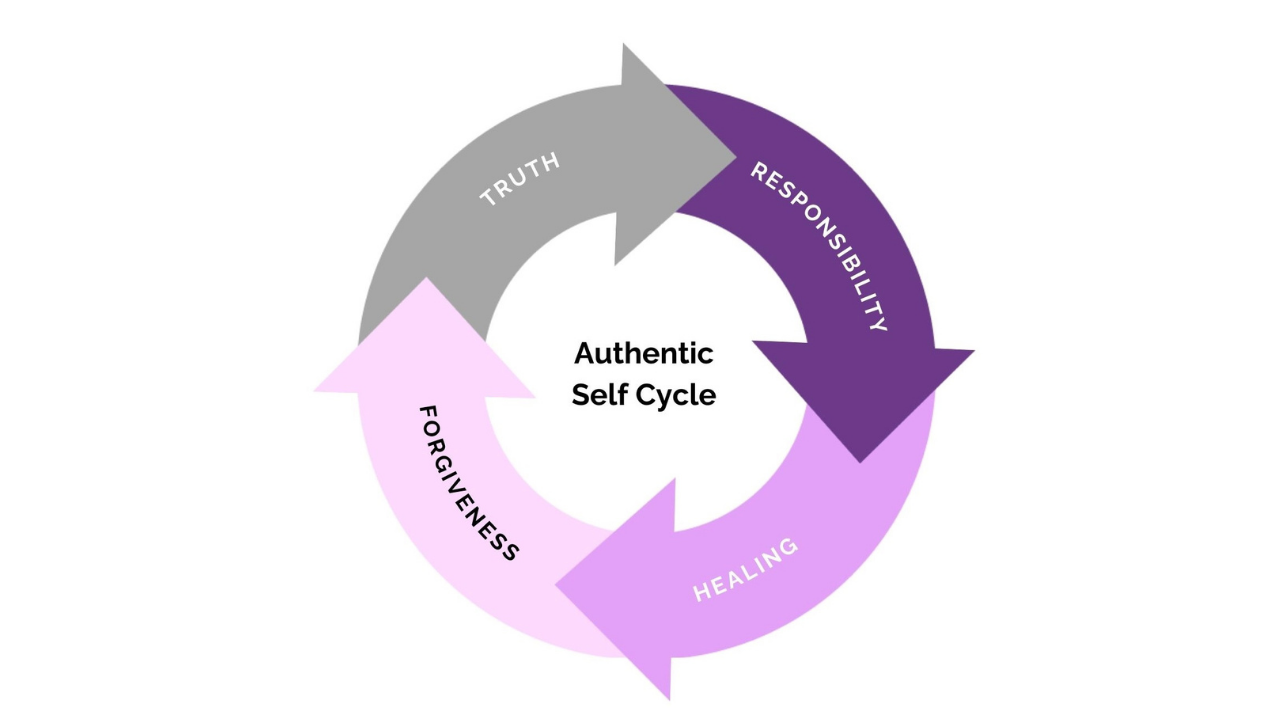
    The key here is not to blame our parents because they are not to blame. They are responsible, as we must all take responsibility for our actions, but they are not to blame. It’s heartbreaking that, as a society, we are never taught how to parent or how to have relationships. Our parents had no more experience than their parents, and you’ll have no more than them. Therefore, this is a step of responsibility and not of blame.  

    It’s important to note that some declare, ‘I will never be like my parents, and they do the complete opposite. This does not mean they healed. Instead of discovering who they are and what type of parent they want to be, they just become the opposite of their parents. That means their parent’s shame is still controlling them. It is an adapted resentful self, not the authentic self. 

    Maturity is moderation – it is not in the polar extremes. So, to truly heal, we must give back the guilt and shame within us. I’ve created this playlist for you on my Youtube channel to help you navigate the difference between guilt and shame with more confidence. 

    Additional solutions:

    1- My book, Your Journey To Success

    2- My Complete Emotional Authenticity Method

    3- My Perfectly Imperfect Private Group

    4- My Private Coaching

    Watch to learn more about Not Feeling Guilty:

    [embedyt] https://www.youtube.com/watch?v=A65MTipWCsc[/embedyt]