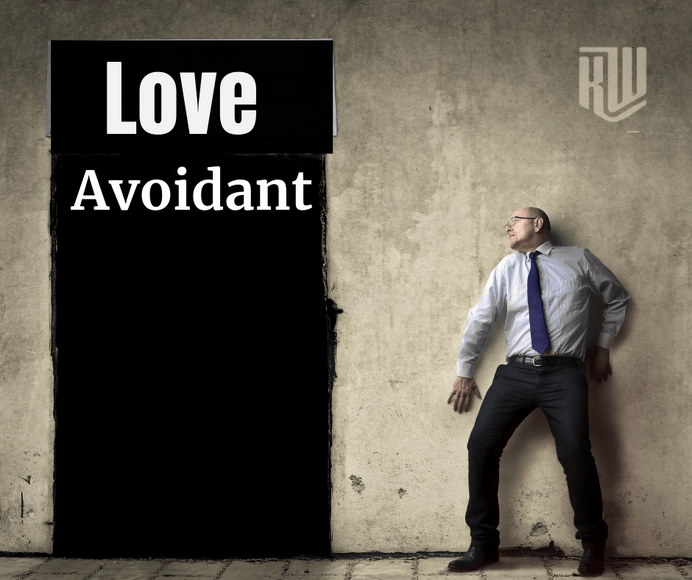
Emotional shutdown is a trauma response — not a personality flaw — where the nervous system floods with cortisol and adrenaline during intimacy or conflict, triggering a protective withdrawal that makes connection feel physically dangerous. If your partner shuts down during every difficult conversation, if they walk out of the room, go silent, or seem to vanish emotionally right when you need them most — they’re not choosing to hurt you. Their body is doing what it learned to do in childhood: survive.
That’s you — reaching for someone who keeps pulling away, and you can’t figure out why love feels like a game you’re always losing.
This pattern has a name. It’s called love avoidance. And it doesn’t come from a lack of love — it comes from a childhood where love came at a devastating cost. Understanding what’s actually happening inside the person who shuts down is the first step toward healing — whether you’re the one shutting down or the one being shut out.
What Is Emotional Shutdown and Why Does It Happen?
Emotional shutdown is the nervous system’s emergency response to perceived emotional danger. When someone shuts down emotionally, their brain has detected a threat — not a physical threat, but an emotional one. Intimacy, vulnerability, conflict, a partner’s tears, a request for closeness — any of these can trigger the same neurochemical cascade that a child experiences when their emotional boundaries are being violated.
That’s you — watching your partner’s eyes go flat in the middle of a conversation that matters, and feeling like you’re talking to a wall.
The shutdown isn’t anger. It isn’t indifference. It isn’t punishment. It’s protection. The body floods with cortisol and adrenaline. The prefrontal cortex — the part of the brain responsible for language, empathy, and reasoning — goes offline. The amygdala takes over, running a single program: escape.
This is why you can’t reason with someone who has shut down. This is why “just talk to me” doesn’t work. Their thinking brain has literally been hijacked by their survival brain. And that survival brain learned its programming decades ago — in childhood.
Emotional shutdown is a neurochemical survival response wired in childhood — the brain learned that intimacy equals danger, so it automates withdrawal to protect the nervous system from the overwhelming emotional states that closeness once created.
What Childhood Experiences Create Emotional Shutdown?
Emotional shutdown almost always traces back to one childhood experience: being made responsible for a parent’s emotional world. The child who shuts down as an adult was typically the child who was parentified — forced to become their parent’s emotional partner, confidant, therapist, or surrogate spouse.
That’s you — the kid who knew your mom’s mood before she walked in the door, who absorbed your dad’s anger so your siblings wouldn’t have to, who became the “easy child” because having needs felt dangerous.
Here’s what happened: a parent — usually without malicious intent — was overwhelmed by their own unhealed pain. Maybe they were going through a divorce. Maybe they were emotionally neglected themselves. Maybe they were an alcoholic whose emotional world consumed the entire household. And they turned to the most available, most loyal, most willing source of comfort they had: their child.
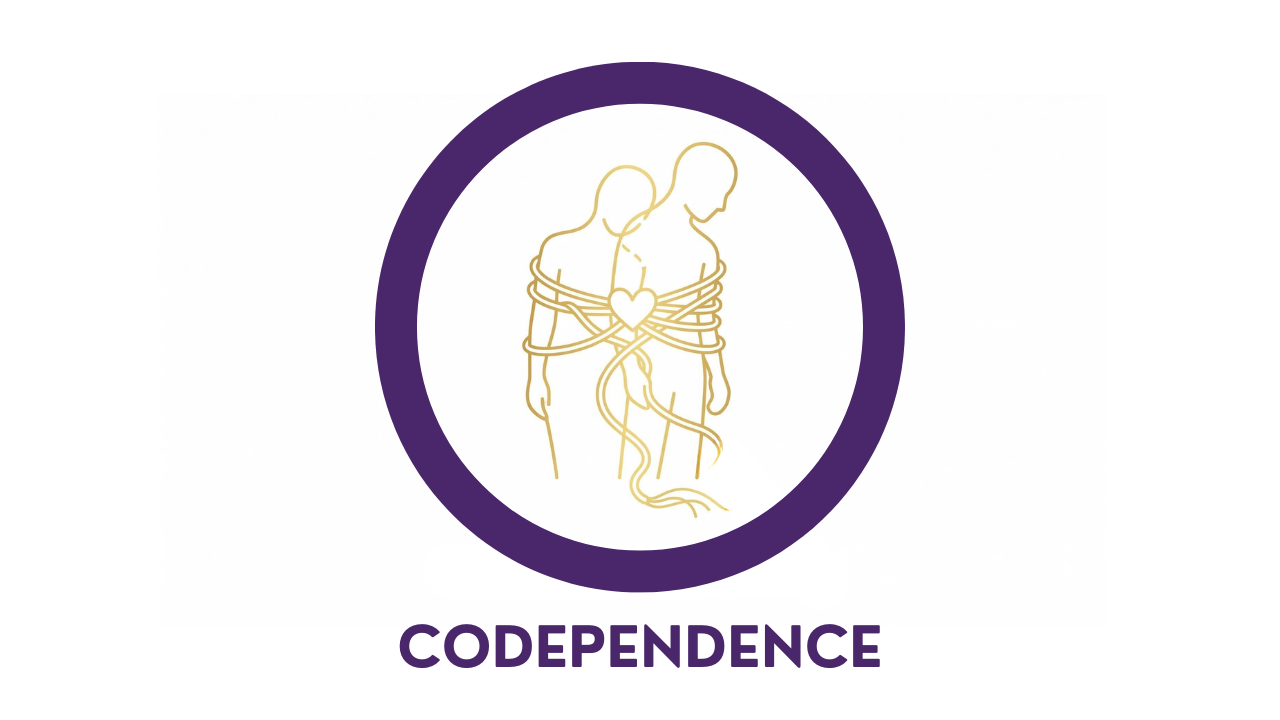
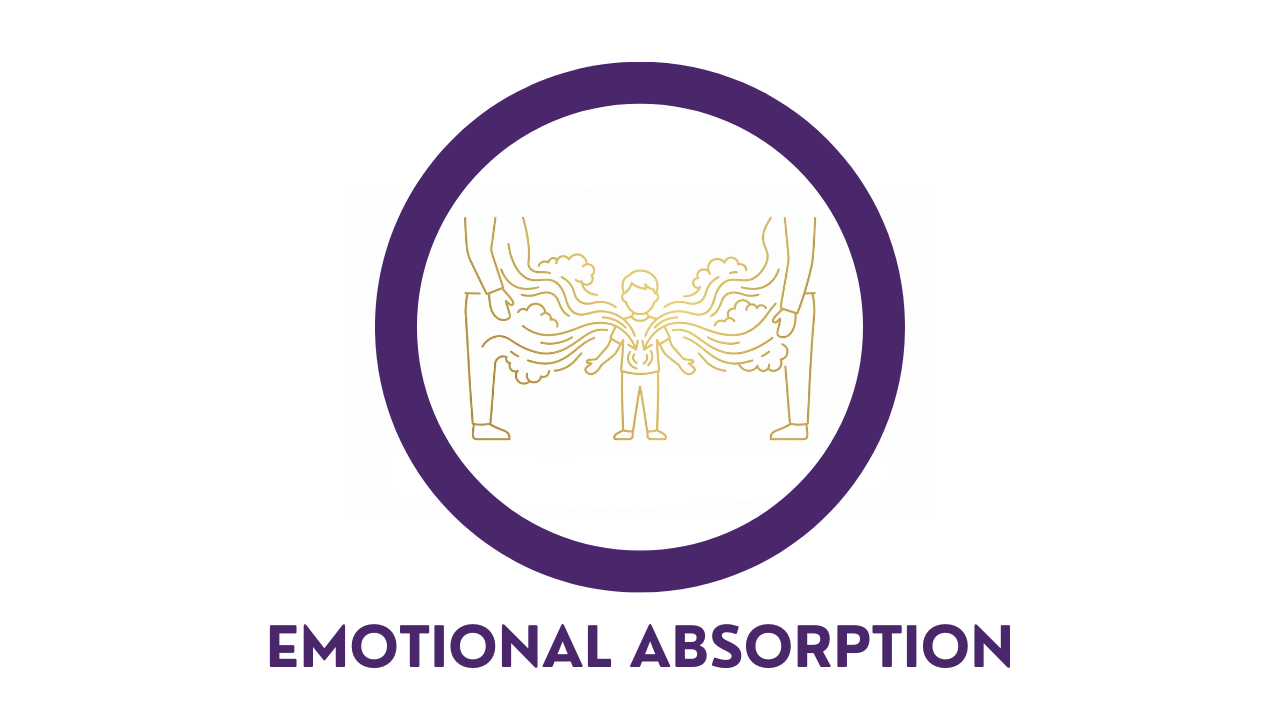
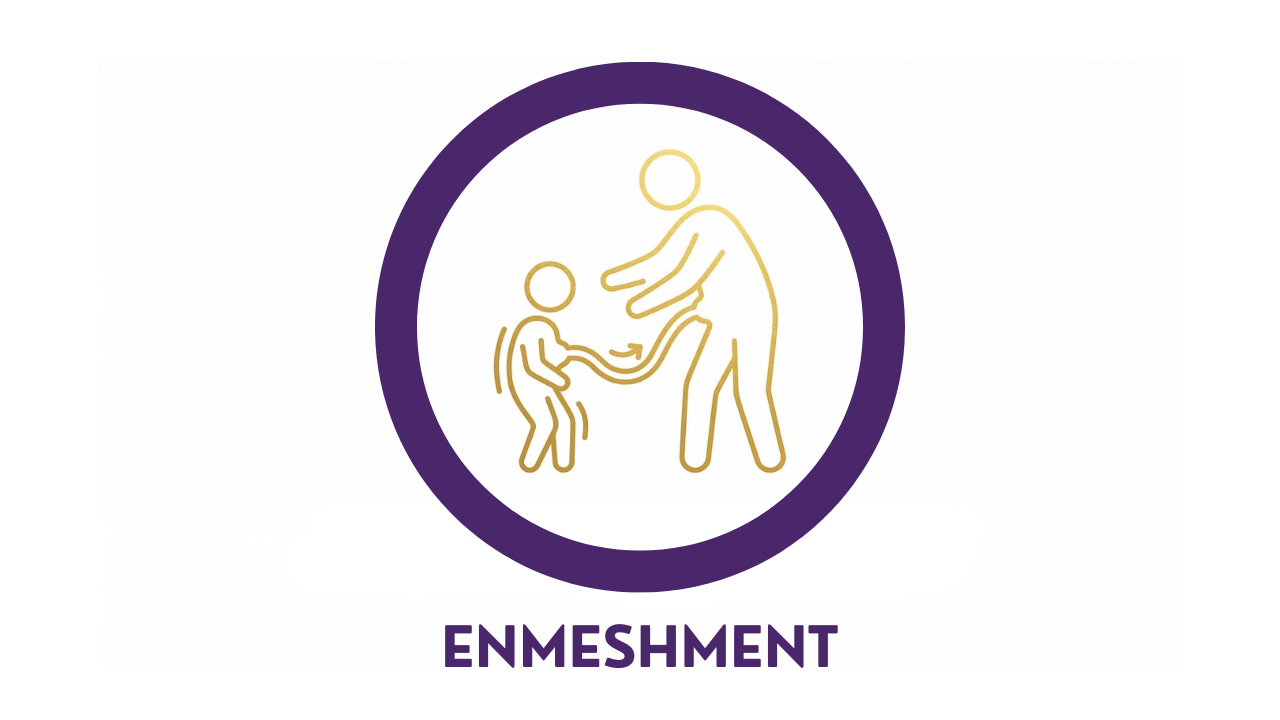
The child became the parent’s best friend, emotional regulator, or source of meaning. The child’s own feelings, needs, and identity were consumed by the parent’s emotional world. This is enmeshment — and it’s one of the most common and least recognized forms of childhood emotional abuse.
That’s you — still carrying the belief that closeness means being consumed, that vulnerability means losing yourself, that love always comes with a devastating price.
As Pia Mellody, the foremost expert on codependence and love avoidance, describes it: love avoidants evade intimacy within relationships by creating intensity in activities outside the relationship. They avoid being known to protect themselves from engulfment and control. They use distancing techniques to prevent the closeness that once suffocated them as children.
Emotional shutdown in adulthood is the echo of childhood enmeshment — the brain learned that closeness means being consumed, so it automates withdrawal as a survival strategy to prevent the emotional engulfment that defined the parent-child relationship.
How the Worst Day Cycle™ Drives Emotional Withdrawal
Emotional shutdown isn’t random. It follows a predictable neurochemical pattern called the Worst Day Cycle™. Understanding this cycle is critical — whether you’re the one shutting down or the one watching your partner disappear.
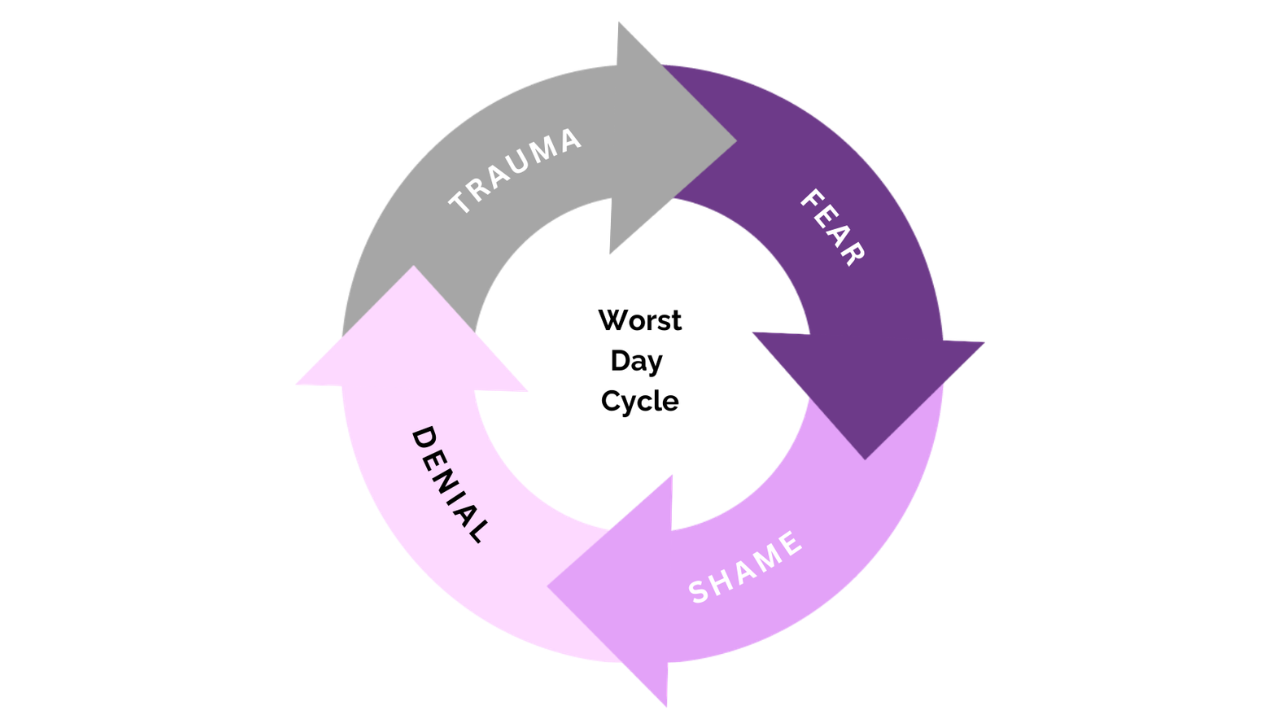
The Worst Day Cycle™ has four stages: Trauma → Fear → Shame → Denial.
Trauma: Any negative emotional experience in childhood that created painful meanings. For the person who shuts down, the trauma was typically enmeshment — being made into a parent’s emotional partner. This creates a massive chemical reaction in the brain and body. The hypothalamus generates chemical cocktails — cortisol, adrenaline, dopamine, oxytocin misfires — and the brain becomes addicted to these emotional states.
That’s you — feeling most “safe” when you’re alone, because your nervous system was calibrated for isolation as the only escape from emotional engulfment.
Fear: Fear drives repetition. The brain conserves energy by repeating known patterns — it can’t tell right from wrong, only known from unknown. Since 70%+ of childhood messaging is negative and shaming, adults repeat these painful patterns in relationships, career, hobbies, health — everything. For the person who shuts down, the fear is threefold: fear of being consumed, fear of being seen, and fear of being made responsible for someone else’s emotional world — again.
Shame: This is where you lost your inherent worth. “I am the problem.” Not “I made a mistake” — but “I AM the mistake.” For the avoidant, shame says: “If you see the real me — my flaws, my imperfections, my needs — you’ll reject me. Or worse, you’ll consume me.” So they hide. They withdraw. They build walls so thick that no one can get close enough to see what’s underneath.
That’s the shame talking — the voice that says “I’m failing at this relationship” while your body prepares to flee the room.
Denial: Denial is the survival persona — self-deception — created to survive the pain. For the person who shuts down, denial sounds like: “I’m fine. I don’t need anyone. I don’t have feelings about this. You’re being too emotional.” They are so disconnected from their own emotional reality that they genuinely believe they’re okay. They’re not okay. They’re defended.
The Worst Day Cycle™ explains why emotional shutdown feels automatic — the brain created a neurochemical loop in childhood that equates intimacy with danger, and it runs that program thousands of times per day without conscious awareness.
What Is Actually Happening Inside Someone Who Shuts Down?
From the outside, emotional shutdown looks like coldness, indifference, or cruelty. From the inside, it’s a five-alarm fire.
That’s you — the partner who sees ice when there’s actually a volcano underneath.
When conflict or intimacy triggers the shutdown response, here’s what happens inside the person’s body and brain in rapid succession:
Somatic overwhelm: Sweating. Fidgeting. Body tension. Numbness. Shallow breathing. An urgent need to leave. The body is preparing for escape before the conscious mind even registers what’s happening.
Emotional disappearance: Feelings vanish. Heart rate spikes paradoxically as emotions go offline. The mind detaches. Eye contact reduces. The person is physically present but emotionally gone — because their nervous system has pulled the emergency brake.
Cognitive takeover: The thinking brain tries to compensate. Analyzing. Intellectualizing. Debating. Minimizing. “You’re overreacting.” “This isn’t a big deal.” “I don’t understand why you’re upset.” This isn’t dismissiveness — it’s a desperate attempt to stay in the head because the body has become unbearable.
Shame activation: Underneath it all: “I’m failing. I’m disappointing them. I’m inadequate. I can’t do this.” The shame is so overwhelming that the only option is to shut it down entirely — to become numb.
That’s you — the one who goes completely blank during arguments and later can’t remember what was said, because your nervous system checked out to survive.
Escape urgency: The body prepares to flee. Distraction. Leaving the room. Need for “space.” Stonewalling. Silence. The partner interprets this as abandonment. The person shutting down experiences it as physiological survival.
Inside emotional shutdown, the person is not choosing silence — their nervous system has hijacked their capacity for connection because it detected the same emotional danger pattern that overwhelmed them as a child, and the only survival program it knows is withdrawal.
How Does the Survival Persona Keep You Emotionally Shut Down?
Your survival persona is the identity you created in childhood to navigate an emotionally unsafe environment. For the person who shuts down, this persona was built on one core belief: distance equals safety.
There are three survival persona types:
The Falsely Empowered: This persona controls, dominates, and rages. In the emotionally shut-down person, this looks like the high achiever who appears confident and self-reliant — but whose strength is armor, not authenticity. They use intellect, status, money, or intensity to maintain power in relationships while keeping emotional vulnerability completely locked away. They present as strong. But the strength is a fortress built to keep everyone out.
That’s you — the one everyone admires for being “so independent” while inside you’re terrified that if anyone got close enough to see the real you, they’d either consume you or leave.
The Disempowered: This persona collapses, people-pleases, and disappears. In the emotionally shut-down person, this looks like the partner who goes along with everything, never expresses a need, and seems “easy” — until one day they explode or leave without warning. They learned that having needs meant burdening their already-overwhelmed parent, so they erased themselves. Their shutdown isn’t dramatic — it’s invisible. They vanish without anyone noticing.
That’s you — so good at disappearing that even your partner doesn’t notice you’ve left the relationship emotionally.
The Adapted Wounded Child: This persona oscillates between both — raging one moment, collapsing the next. In the emotionally shut-down person, this looks like someone who is brilliant at emotional regulation in professional settings but completely dysregulated in intimate relationships. They swing between “I don’t need anyone” and “please don’t leave me” — and can’t figure out which one is real.
That’s you — the one who craves deep intimacy but sets up every dynamic to make sure it doesn’t happen, because the fear is that overwhelming.
Your survival persona replaces your authentic self with a protective identity — and after decades, you can’t tell the difference between who you really are and who you had to become to survive a childhood where closeness meant losing yourself.
How Emotional Shutdown Shows Up in Every Area of Your Life
Family: You’re the “low-maintenance” family member. You don’t share your problems. You don’t ask for help. At family gatherings, you’re present but not connected — performing pleasantries while your inner world stays completely private. You keep secrets from your family — not because you’re dishonest, but because being known feels unsafe. When your parent calls and asks how you’re doing, you say “fine” every single time, regardless of what’s actually happening.
That’s you — still keeping your emotional world locked away from the same people who taught you that your feelings were a burden.
Romantic Relationships: You either choose partners who are more emotionally demanding than you — creating the familiar pursuer-distancer dynamic from childhood — or you choose partners who are equally shut down, creating a relationship that looks stable from the outside but has no emotional depth whatsoever. When your partner asks for closeness, your body doesn’t hear “I want to feel connected to you.” It hears: “I want access to you. I want to live inside you. I want you to regulate my feelings like you did when you were a kid.”
Sound familiar? The partner who seemed so open and vulnerable when you were dating — and then went cold the moment real commitment began?
Friendships: You have many acquaintances and very few real friends. You’re charming, intelligent, and engaging in social settings — but no one actually knows you. You keep conversations surface-level. You deflect personal questions with humor. You’re the friend who’s always “doing great” while falling apart in private. You feel alive only in your outside pursuits — hobbies, achievements, work — because relationships in your childhood came at such a severe cost.
That’s you — surrounded by people and still fundamentally alone, because being known feels more dangerous than being lonely.
Work: You pour yourself into your career because work is safe. Work has rules. Work has metrics. Work doesn’t ask you to be vulnerable. You become the hyper-self-dependent achiever who can handle everything alone. You won’t ask for help because depending on someone means they can engulf you. You’re the one who gets in a car accident and walks into the emergency room alone, bleeding, saying “take everyone else first.”
Body and Health: Your body carries what your words won’t say. Jaw clenching. Shoulder tension that never releases. Insomnia. Digestive issues. Chronic back pain. Migraines that appear right when intimacy increases. Your body has been in a state of hypervigilance since childhood — always scanning, always bracing, always prepared to shut down. When the body says no, it’s because your voice was never allowed to.
How the Emotional Authenticity Method™ Rewires Emotional Shutdown
You cannot think your way out of emotional shutdown. You cannot will yourself to “just open up.” The pattern lives in your body — in the neurochemistry your brain has been running since childhood. The Emotional Authenticity Method™ is the daily practice that rewires this pattern at the nervous system level — where the shutdown actually lives.

Step 1: Somatic Down-Regulation. Focus on what you can hear for 15-30 seconds. The hum of the air conditioner. A car passing outside. Your own breathing. This interrupts the shutdown cascade and brings your prefrontal cortex back online. If you’re highly dysregulated, use titration — go slowly, don’t force yourself to feel everything at once.
That’s you — learning that you don’t have to choose between shutting down and being overwhelmed. There’s a middle path.
Step 2: What am I feeling right now? This is the hardest step for the person who shuts down — because they’ve been disconnected from their feelings for so long that “fine” and “nothing” are their default answers. Use the Feelings Wheel to develop emotional granularity. Name the specific feeling: not “fine” — but scared, ashamed, overwhelmed, trapped, suffocated.
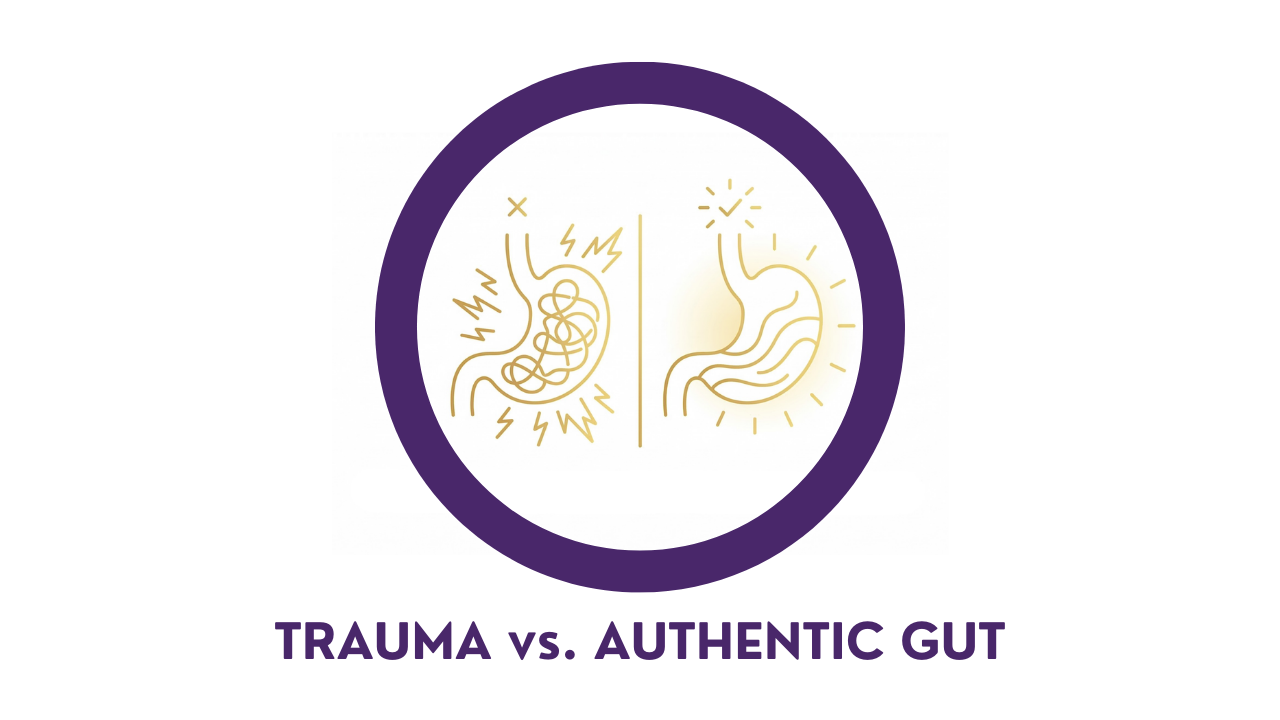
Step 3: Where in my body do I feel it? All emotional trauma is stored physically. The tightness in your chest when your partner says “we need to talk.” The knot in your stomach when someone asks how you’re really doing. The numbness that spreads through your body during conflict. Locate the sensation — this moves you from intellectual understanding to somatic processing.
Step 4: What is my earliest memory of having this exact feeling? This is where the rewiring happens. You trace today’s shutdown back to its childhood origin. You realize: this isn’t about my partner. My partner isn’t my parent. My nervous system just thinks they are. The shutdown that happens in this conversation belongs to a five-year-old who was drowning in their parent’s emotional world — not to the adult standing in front of their partner right now.
That’s the moment everything shifts — when you see that your shutdown is a childhood survival strategy running on autopilot in an adult relationship.
Step 5: Who would I be if I never had this feeling again? This is the vision step. It connects you to the Authentic Self Cycle™ and gives your nervous system a new destination — not more withdrawal, not more walls, but actual identity restoration. What would it feel like to stay present during conflict? To let someone see the real you? To be known and not consumed?
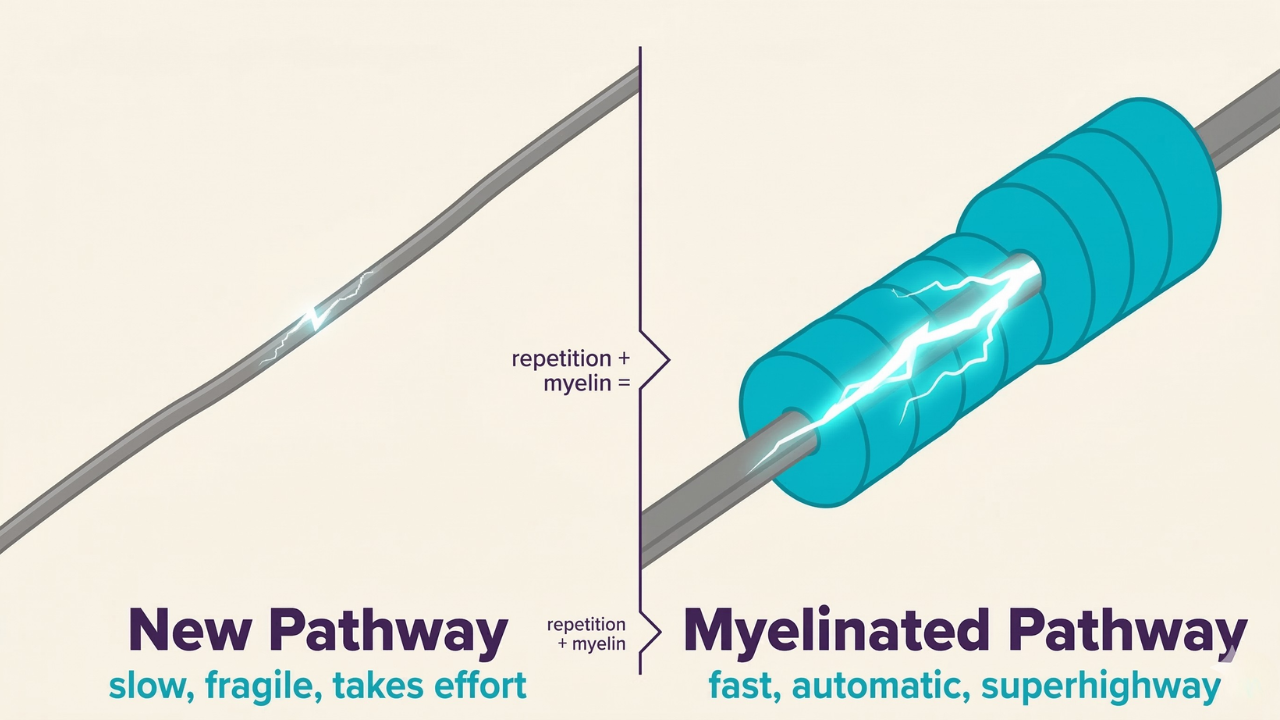
Step 6: Feelization. Sit in the feeling of the Authentic Self and make it strong. Create a new emotional chemical addiction to replace the old blueprint. Ask: how would I respond to this situation from this feeling? What would I say? What would I do? Visualize and FEEL yourself staying present, staying connected, staying in the room. This is the emotional blueprint remapping and rewiring step — creating a new neurochemical pathway that replaces shutdown with presence.
The Emotional Authenticity Method™ works because emotions are biochemical events — you cannot change emotional patterns through thoughts alone. Thoughts originate from feelings, not the other way around. Emotional shutdown will not resolve through willpower, logic, or good intentions — it rewires through repeated somatic practice.
How the Authentic Self Cycle™ Replaces Withdrawal With Connection
The Authentic Self Cycle™ is the healing counterpart to the Worst Day Cycle™. Where the Worst Day Cycle™ traps you in Trauma → Fear → Shame → Denial, the Authentic Self Cycle™ restores your identity through Truth → Responsibility → Healing → Forgiveness.
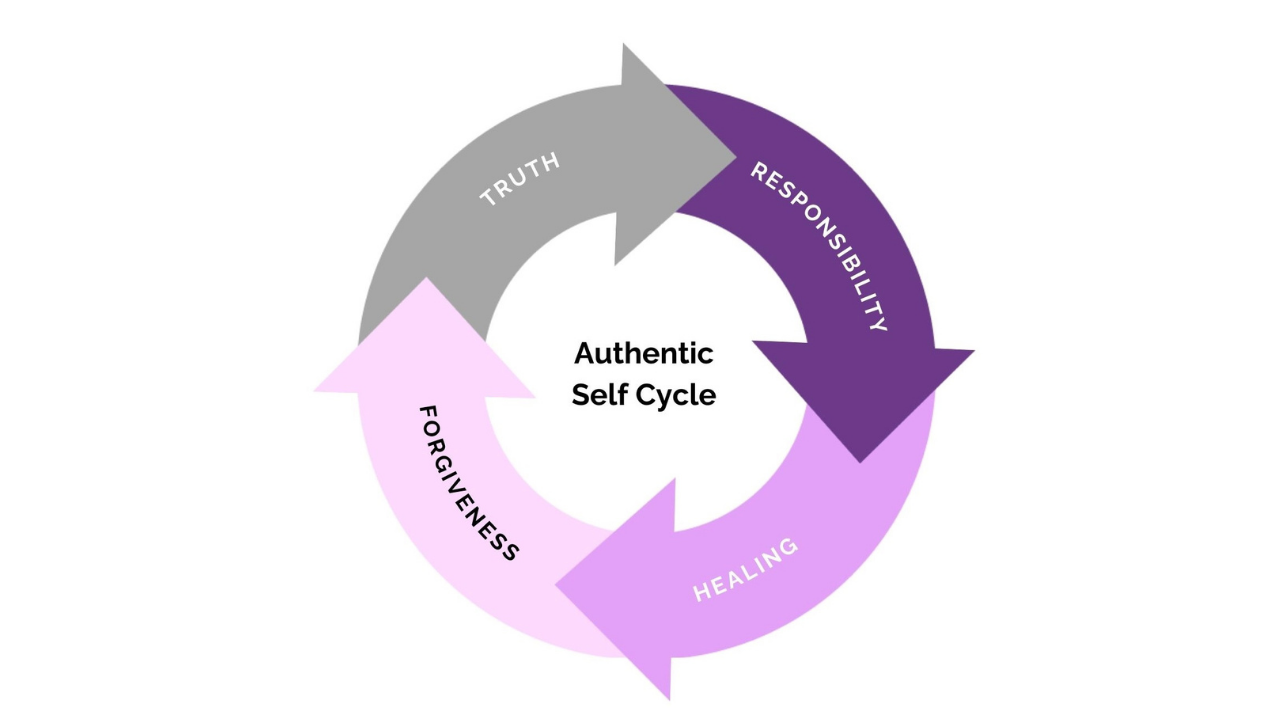
Truth: Name the blueprint. See that “this isn’t about today.” When your partner asks for closeness and your body screams to run, truth says: “This feeling is from childhood. My partner isn’t trying to engulf me — my nervous system just thinks they are.” You’re not distant. You’re defended. You’re not commitment-phobic. You’re survival-driven.
That’s the first step out of shutdown — seeing the pattern instead of being trapped inside it.
Responsibility: Own your emotional reactions without blame. “My partner isn’t my parent — my nervous system just thinks they are.” This isn’t about fault. It’s about taking back your power from a childhood that stole it. Responsibility doesn’t mean blaming yourself for shutting down. It means recognizing that you’re the only one who can rewire the pattern.
Healing: Rewire the emotional blueprint so intimacy becomes uncomfortable but not dangerous, closeness isn’t engulfment, and vulnerability isn’t annihilation. This is where daily practice does its work — second by second, like the ticks of a clock. The second hand moves in tiny, almost insignificant ticks. But those ticks move the minute hand. The minutes move the hours.
Forgiveness: Release the inherited emotional blueprint and reclaim your authentic self. This creates a NEW emotional chemical pattern that replaces fear, shame, and denial with safety, worth, and connection. Forgiveness of your parent for not knowing better. Forgiveness of yourself for all the years you spent behind walls. Forgiveness is the last step, not the first.
That’s you — not becoming someone new, but finally meeting who you always were underneath the walls you built to survive.
The Authentic Self Cycle™ is an identity restoration system — it doesn’t teach you to cope with emotional shutdown, it replaces the neurochemical pattern that created it with a new blueprint built on truth, responsibility, and emotional authenticity.
What Should You Do If Your Partner Shuts Down Emotionally?
If you’re the partner of someone who shuts down, the hardest truth you need to hear is this: you cannot fix them. You cannot love them hard enough to make them open up. You cannot pursue them into connection — because your pursuit activates the exact childhood panic that makes them run.
That’s you — chasing the very person whose nervous system interprets your love as danger.
Here’s what’s actually helpful: stop chasing. Not as a manipulation tactic, but as an act of respect — for their nervous system and for your own. When you pursue someone who is shutting down, their body hears the same message it heard in childhood: “I need you to take care of my emotions.” And they will run harder.
Instead, work on your own healing. Ask yourself: why am I drawn to someone who can’t be emotionally present? What childhood pattern makes this dynamic feel familiar? The pursuer-distancer dynamic is not one person’s problem. It’s two childhood survival strategies colliding — the love addict’s terror of abandonment crashing into the love avoidant’s terror of engulfment.
If your partner is willing to do the work — to explore the Emotional Authenticity Method™, to look at their childhood patterns, to understand the Worst Day Cycle™ — there is genuine hope. But if they are not willing, you face a painful decision: are you willing to accept a relationship where emotional intimacy is limited?
That’s the truth nobody wants to hear — but it’s the truth that sets you free to stop abandoning yourself in the pursuit of someone who can’t yet show up.
Frequently Asked Questions About Emotional Shutdown
Why does my partner shut down during arguments instead of talking?
When your partner shuts down during arguments, their nervous system has detected emotional danger — the same kind of danger they experienced as a child when intimacy or emotional intensity meant engulfment, control, or losing themselves. The prefrontal cortex goes offline, the amygdala takes over, and the body’s only program is escape. They’re not choosing silence to punish you — their brain has literally lost access to the language and empathy centers needed for connection. The Worst Day Cycle™ explains how this pattern becomes an automated neurochemical loop.
Is emotional shutdown the same as stonewalling?
Stonewalling is the observable behavior — going silent, leaving the room, refusing to engage. Emotional shutdown is what’s happening underneath: a full nervous system hijack driven by childhood trauma. The person who is stonewalling is experiencing somatic overwhelm, shame activation, and escape urgency simultaneously. Understanding that stonewalling is a trauma response — not a power play — changes how both partners can approach the pattern. The Emotional Authenticity Method™ provides a 6-step somatic practice to interrupt the shutdown before it becomes stonewalling.
Can someone who shuts down emotionally learn to be vulnerable?
Yes — but not through willpower, logic, or pressure from a partner. Vulnerability feels physically dangerous to the person who shuts down because their childhood taught them that being known means being consumed. Rewiring this pattern requires somatic work — changing the body’s relationship to intimacy at the nervous system level. The Emotional Authenticity Method™ creates this change through daily practice: down-regulation, emotional naming, body scanning, tracing feelings to childhood origins, visioning the authentic self, and Feelization. With consistent practice, the nervous system learns that closeness is uncomfortable but not dangerous.
What causes someone to become emotionally unavailable?
Emotional unavailability almost always traces back to childhood enmeshment or emotional parentification — being made responsible for a parent’s emotional world. The child learned that love comes at a devastating cost: their own identity, boundaries, and emotional needs. As adults, they recreate the only safety they ever knew — distance. The three survival persona types — falsely empowered, disempowered, and adapted wounded child — each express emotional unavailability differently, but the root cause is the same: a childhood where intimacy meant losing yourself.
How long does it take to heal emotional shutdown patterns?
Emotional shutdown patterns that have been running for 20, 30, or 40 years don’t reverse overnight. But noticeable shifts — staying present a few seconds longer during conflict, naming a feeling instead of going numb, catching the shutdown pattern before it completes — can happen within weeks of consistent daily practice. The key is repetition, not intensity. Like the second hand on a clock, each small moment of presence moves the larger pattern. The Authentic Self Cycle™ provides the framework for long-term identity restoration.
Is the love avoidant actually capable of love?
Absolutely — and this is the most important thing to understand. Underneath the avoidant’s walls, underneath the shutdown, underneath every distancing technique — is a person who is craving deep intimacy. They just don’t know how to have it safely. Their childhood stripped that possibility from them. The avoidant doesn’t avoid people — they avoid the shame they believe connection will expose. With healing through the Emotional Authenticity Method™ and the Authentic Self Cycle™, the avoidant can learn to be present, to be known, and to experience love without losing themselves.
The Bottom Line
If you shut down emotionally, you’re not broken. You’re not cold. You’re not incapable of love.
You’re defended. You’re survival-driven. You’re running a childhood program that once saved your life — and is now destroying your relationships.
You didn’t choose to become this way. A child who was made into their parent’s emotional partner didn’t have a choice. A child whose boundaries were erased by enmeshment didn’t have a choice. A child who learned that closeness means being consumed didn’t have a choice.
But you have a choice now.
You can keep building walls. You can keep running. You can keep convincing yourself that you don’t need anyone, that you’re fine, that relationships just aren’t for you.
Or you can start — slowly, gently, one somatic practice at a time — to let the walls come down. Not all at once. Not dramatically. Just one brick at a time. One 60-second moment of honesty. One feeling named instead of numbed. One conversation where you stay in the room instead of leaving.
That’s you — not the person who shuts down. The person underneath who’s been waiting decades to be safe enough to show up. That person is still in there. And they’re worth finding.
Recommended Reading
These books complement the frameworks in this article and can deepen your understanding of emotional shutdown, love avoidance, and trauma recovery:
Facing Love Addiction by Pia Mellody — the definitive text on the love addict / love avoidant dynamic and how childhood enmeshment creates both patterns.
Facing Codependence by Pia Mellody — the foundational work on how childhood trauma creates codependent patterns and survival personas.
The Body Keeps the Score by Bessel van der Kolk — the science of how trauma lives in the body, not the mind, and why somatic approaches are essential for healing emotional shutdown.
When the Body Says No by Gabor Maté — how chronic emotional suppression manifests as physical illness and disease.
The Gifts of Imperfection by Brené Brown — how shame drives protective identity and why vulnerability is the path back to authenticity.
Take the Next Step
If you’re ready to stop shutting down and start showing up — in your relationships, your body, and your life — Kenny Weiss offers courses designed for people who are done hiding behind their survival persona and ready to heal:
Emotional Blueprint Starter Course — Individual ($79) — Your personal roadmap to understanding the Worst Day Cycle™ and beginning the journey to your authentic self.
Relationship Starter Course — Couples ($79) — For couples caught in the pursuer-distancer dynamic, ready to break the cycle and build interdependence.
Why We Can’t Stop Hurting Each Other ($479) — Deep-dive into the Worst Day Cycle™ and how childhood trauma creates the shutdown-pursuit pattern in relationships.
The Shutdown Avoidant Partner ($479) — Understanding avoidant attachment through the lens of trauma chemistry and survival personas — built specifically for this pattern.
Why High Achievers Fail at Love ($479) — For high achievers who’ve mastered their career but can’t figure out emotional intimacy.
Tier 1: Mapping the Blueprint ($1,379) — The comprehensive program for learning and practicing the Emotional Authenticity Method™.
Download the Feelings Wheel — the free tool used in Step 2 of the Emotional Authenticity Method™ to build emotional granularity beyond “fine” and “nothing.”
Explore more: The Signs of Enmeshment | 7 Signs of Relationship Insecurity | 7 Signs of High Self-Esteem | How to Determine Your Negotiables and Non-Negotiables | 10 Do’s and Don’ts for a Great Relationship