Powerlessness is the feeling that you don’t matter—that your choices don’t shape your life, that your boundaries don’t stick, that other people’s needs eclipse your own. It’s not laziness or lack of ambition. It’s a learned survival strategy from childhood that became your emotional blueprint.
If you grew up in a chaotic, neglectful, or controlling home, you learned early: What I do doesn’t matter. What I want doesn’t count. My job is to manage other people’s emotions. That belief became hardwired into your nervous system. Today, decades later, you might be financially independent, professionally successful, or externally competent—yet still feel like a powerless passenger in your own life.
The truth is: powerlessness isn’t about external circumstances. It’s about the choices you stopped making and the boundaries you never learned to defend.
Table of Contents
- The Roots of Powerlessness: Your Childhood Blueprint
- The Two Forms of Powerlessness
- Survival Personas: How You Learned to Cope
- The Worst Day Cycle™: How Trauma Keeps You Stuck
- The Authentic Self Cycle™: Breaking Free
- The Emotional Authenticity Method™: Your 6-Step Path
- Signs You’re Stuck in Powerlessness
- Magic Phrases for Saying No
- FAQ
- Recommended Reading
The Roots of Powerlessness: Your Childhood Blueprint
Every child needs three things to feel powerful: agency (your choices matter), voice (your needs matter), and protection (someone keeps you safe). If you grew up without these, your developing brain learned a bitter lesson: I am powerless.
That wasn’t the truth. That was survival intelligence. Your brain was protecting you from the pain of hoping your needs would be met. So it deleted the hope. It erased the need. It built a survival persona that could survive in chaos without expecting anything.
That’s you if you grew up in a home where your emotions were invisible, your needs were secondary to a parent’s dysfunction, or your boundaries were punished as selfishness.
Childhood trauma isn’t just what happened to you—it’s the meaning your developing brain made. If your parent raged, you didn’t learn “Mom/Dad has anger problems.” You learned “I caused this. I’m not safe. My job is to manage this.” That meaning became your emotional blueprint: the chemical-emotional pattern your nervous system now automatically activates in stress.
Neuroscience shows that childhood stress creates persistent changes in brain architecture and stress-response chemistry. Your hypothalamus—the brain’s emotional command center—generates a chemical cocktail of cortisol, adrenaline, dopamine dysregulation, and oxytocin misfires that your developing brain becomes chemically addicted to these states. This addiction is why you unconsciously recreate family patterns even when they harm you.
The powerlessness you feel today isn’t new. It’s the echo of a child who learned to disappear to stay safe.
The Two Forms of Powerlessness
Powerlessness shows up two ways. Both leave you feeling stuck, but they look dramatically different on the surface.
Form 1: Focusing on What You Can’t Control
That’s you if you’re obsessed with what others think, what others do, or what the external world demands—and you’ve given up on shaping your own life.
You might ruminate endlessly about your partner’s moods, your boss’s opinions, or the economy’s trajectory. You scan for threats. You over-prepare. You try to predict every outcome so you can protect yourself. But underneath all that hypervigilance is a core belief: What I do doesn’t actually matter. I can only control what others do.
This is the victim position—and here’s the paradox: the Victim Position Paradox means that when you position yourself as a victim, you actually gain the most power. You get to control people through their pity. You get them to shower you with concern. You stay stuck repeating the story because the story is the only place you have power.
The science of codependence reveals that when we don’t take ownership of our choices or do the work to heal, we gain control over other people by getting them to shower us with care and concern. We unconsciously engineer scenarios where others have to rescue us, because that’s the only relational pattern our nervous system knows. The payoff is that we never have to be fully responsible for our lives.
Form 2: The Inability to Say No
That’s you if you say yes to requests that drain you, accept treatment you wouldn’t wish on anyone, or sacrifice your own needs to keep the peace.
You learned early that your needs were threatening. Maybe your mother said no and got yelled at. Maybe your father’s needs always came first. Maybe you learned that love meant merging—your boundaries dissolved into someone else’s.
Now you can’t say no without feeling guilty, selfish, or afraid. You martyr yourself. You build resentment. You eventually explode or collapse. But you still can’t defend your own line.
This isn’t weakness. This is a nervous system that was never taught that your needs are legitimate.
Survival Personas: How You Learned to Cope
Your developing brain created a survival persona—a protective strategy that kept you safe in an unsafe environment. There are three types. You probably cycle between at least two.
The Falsely Empowered Survival Persona
That’s you if you control, dominate, rage, or use criticism to maintain power in relationships.
This persona learned: I’m safe if I’m in control. You came from a home where chaos was constant, so you became hypercompetent, perfectionistic, or aggressive to maintain order. You might use anger to force compliance. You might use intelligence to outmaneuvre others. You might use money or status to maintain dominance.
The cost: no genuine intimacy. People fear you or resent you. You’re exhausted from controlling everything. And underneath, you’re terrified that if you stop controlling, everything will collapse.
The Disempowered Survival Persona
That’s you if you people-please, collapse under pressure, or abandon yourself to keep others comfortable.
This persona learned: I’m safe if I disappear. You came from a home where your presence was a problem, so you learned to shrink. You read the room obsessively. You manage other people’s emotions. You say yes when you mean no. You’re a caretaker, a peacekeeper, an emotional first responder.
The cost: you lose yourself. Your resentment grows. You attract people who take advantage. And you never develop the muscles you need to be truly powerful.
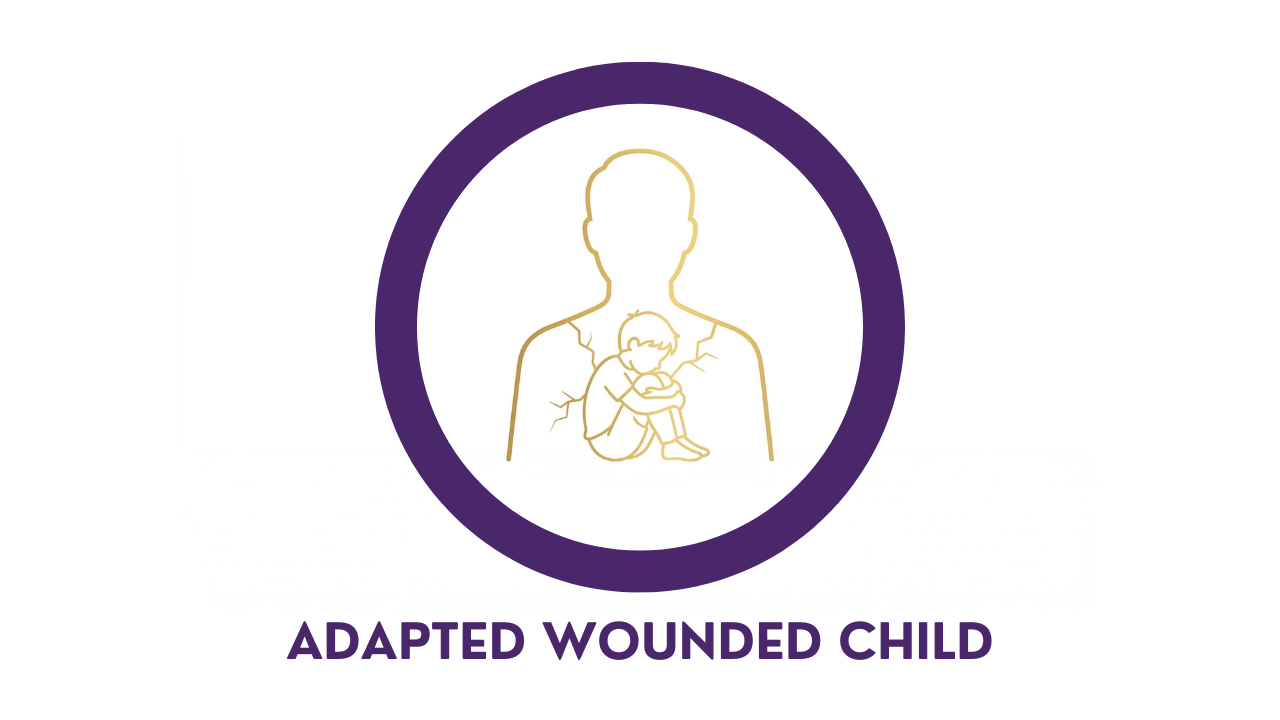
The Adapted Wounded Child Survival Persona
That’s you if you oscillate between control and collapse, between dominating and disappearing, never able to find solid ground.
This persona learned flexibility through necessity—sometimes you had to be aggressive to survive, sometimes you had to disappear. So you developed both strategies and swapped between them. One moment you’re raging at your partner; the next you’re apologizing and abandoning your own needs. One moment you’re confident; the next you’re devastated by a single criticism.
The cost: nobody knows which version of you will show up. You don’t know which version will show up. You’re unpredictable even to yourself.
The Worst Day Cycle™: How Trauma Keeps You Stuck
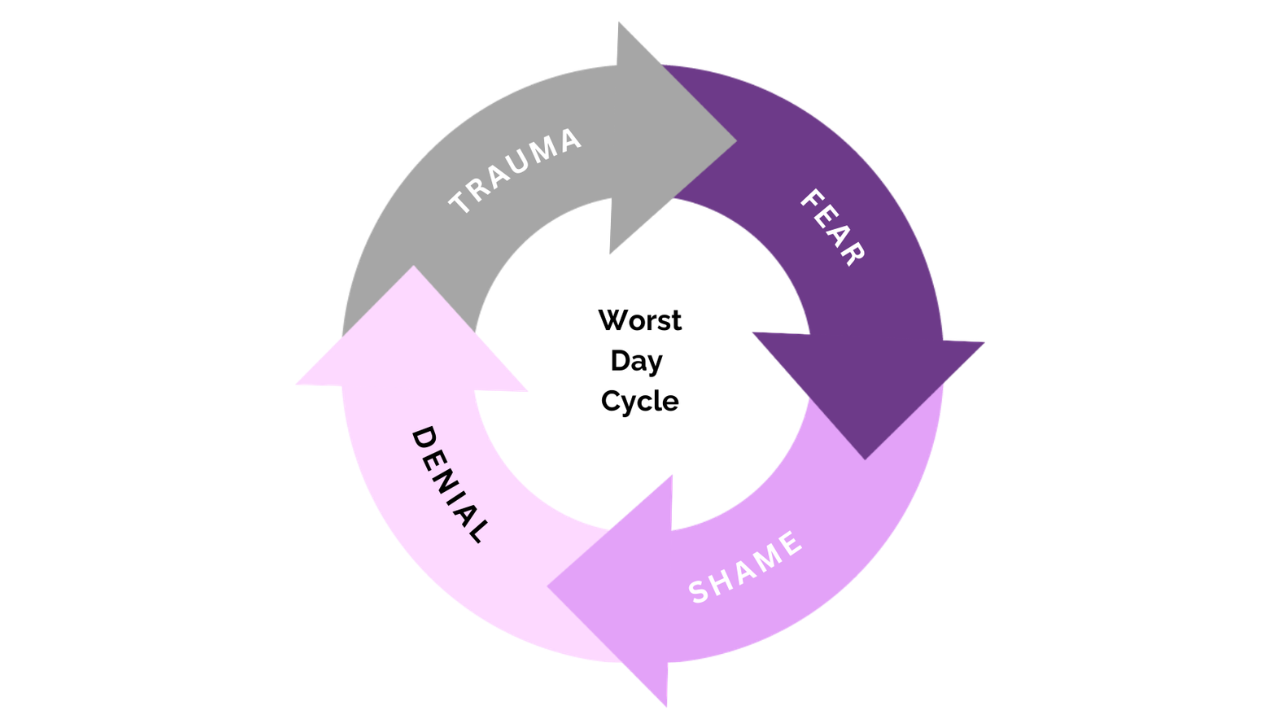
The Worst Day Cycle™ is the neurological loop that keeps powerlessness alive. It has four stages.
Stage 1: Trauma (The Original Wound)
Trauma is any negative emotional experience that created a painful meaning. Your parent’s rage wasn’t just yelling—it was evidence that you were bad. Your parent’s abandonment wasn’t just their choice—it was proof you weren’t worth staying for. Your parent’s control wasn’t just their need—it was because you couldn’t be trusted.
This meaning became the core belief of your emotional blueprint.
Stage 2: Fear (The Nervous System Activation)
When your nervous system perceives a threat related to that original trauma, it triggers a massive chemical reaction. Your hypothalamus floods your body with cortisol (stress), adrenaline (fight/flight), dopamine dysregulation (reward-seeking through chaos), and oxytocin misfires (bonding with harm).
Your developing brain became chemically addicted to these neurochemical states during childhood. Now your nervous system unconsciously seeks situations that recreate these familiar chemical patterns, even though they’re toxic. This is why you attract the same kind of partner or get stuck in the same workplace dynamic—your nervous system is seeking the chemical state it knows.
Stage 3: Shame (The Core Wound Activated)
When the fear activates, the original wound floods back. I’m not enough. I’m bad. I’m unlovable. I’m powerless. Shame isn’t just emotion—it’s a complete dissolution of self-worth. You move from “I made a mistake” to “I am a mistake.”
Stage 4: Denial (The Escape)
That’s you if you minimize, intellectualize, distract, numb, or dissociate when things get hard.
Denial is your nervous system’s way of protecting you from unbearable shame. You don’t consciously choose it. Your brain just shuts down reality and creates a story that feels safer. Maybe you tell yourself “It’s not that bad.” Maybe you distract with work, substances, or drama. Maybe you dissociate entirely.
Denial feels like relief in the moment. But it’s actually the lock that keeps you stuck in the cycle. When you deny what’s real, you can’t take ownership. When you can’t take ownership, you can’t change anything. So the cycle repeats.
The Authentic Self Cycle™: Breaking Free
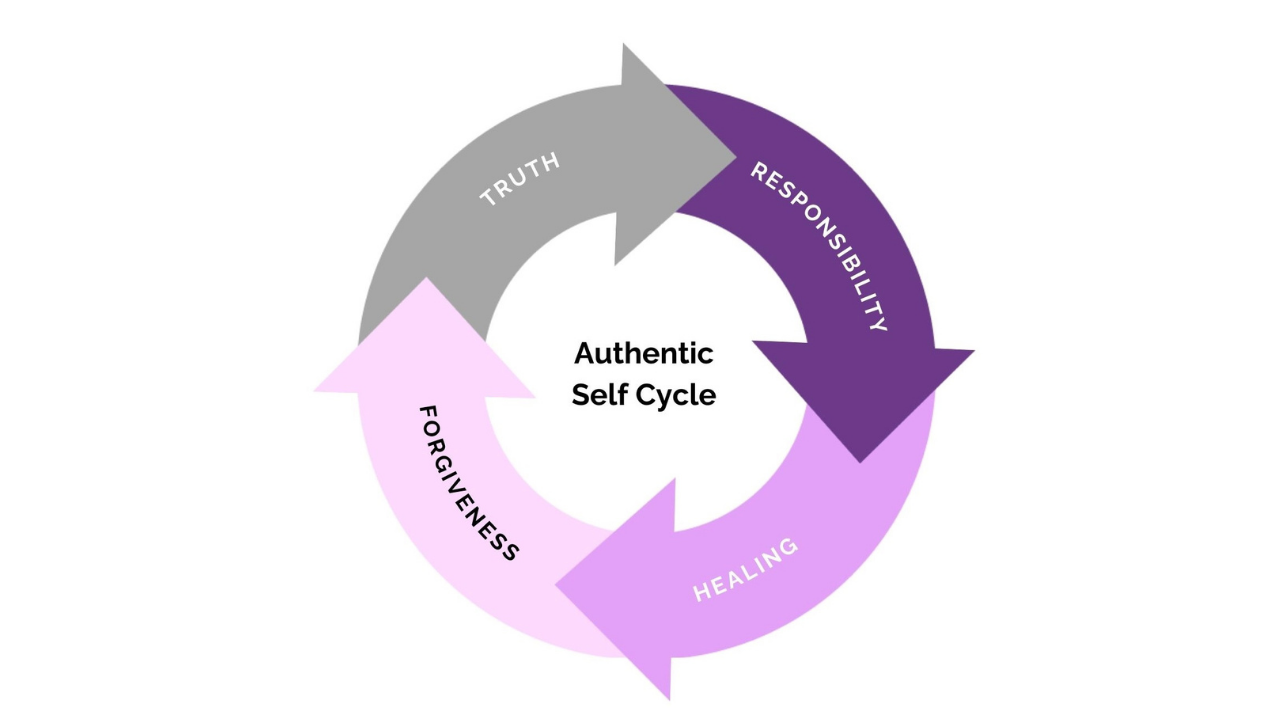
The way out of powerlessness isn’t willpower or positive thinking. It’s rewiring your emotional blueprint by moving through the Authentic Self Cycle™—four stages that break the Worst Day Cycle™ and restore your power.
Stage 1: Truth (Naming the Blueprint)
That’s you when you stop denying what’s real and start saying: “This is what happened. This is what I learned. This isn’t about today.”
Truth isn’t blame. It’s not “My parents ruined me.” It’s “My parents did the best they could with what they had. And what they gave me was a survival blueprint that no longer serves me.”
You get into truth by telling yourself the full story without minimizing or intellectualizing. You feel it in your body. You let it hurt. You stop explaining it away.
Neuroscience shows that naming an emotional experience—using words to describe what you feel—actually reduces amygdala (fear center) activation. The simple act of truth-telling begins to rewire your nervous system away from denial and toward reality.
Stage 2: Responsibility (Owning Your Choices)
That’s you when you move from victim to author—when you stop blaming your childhood and start owning your adult choices.
This is where real power lives. Not in denying your past. Not in blame. In taking ownership.
You owned the choice to keep saying yes when you meant no. You owned the choice to recreate family dynamics. You owned the choice to stay in situations that hurt. You’re not a bad person for these choices—you were doing the best you could with your wounded nervous system. But they’re yours to own now.
When you take ownership, you get your power back. Because if you created the pattern, you can create something different.
Stage 3: Healing (Rewiring Your Emotional Blueprint)
That’s you when you use the Emotional Authenticity Method™ to create new emotional pathways in your brain and nervous system.
Healing isn’t about being nice to yourself or positive thinking. It’s about literally rewiring the neurochemistry that keeps you stuck. Your brain’s job is to conserve energy by repeating known patterns—good or bad. To change a pattern, you have to create a new emotional experience strong enough to override the old one.
Stage 4: Forgiveness (Releasing the Blueprint)
That’s you when you let go of the story and step into your authentic self—no longer defined by your wound.
Forgiveness doesn’t mean what happened was okay. It means you’re releasing the inherited emotional blueprint and reclaiming ownership of who you are now.
The Emotional Authenticity Method™: Your 6-Step Path to Reclaiming Power
The Emotional Authenticity Method™ is the protocol for actually rewiring your emotional blueprint. It’s the bridge between understanding your powerlessness and living your power.
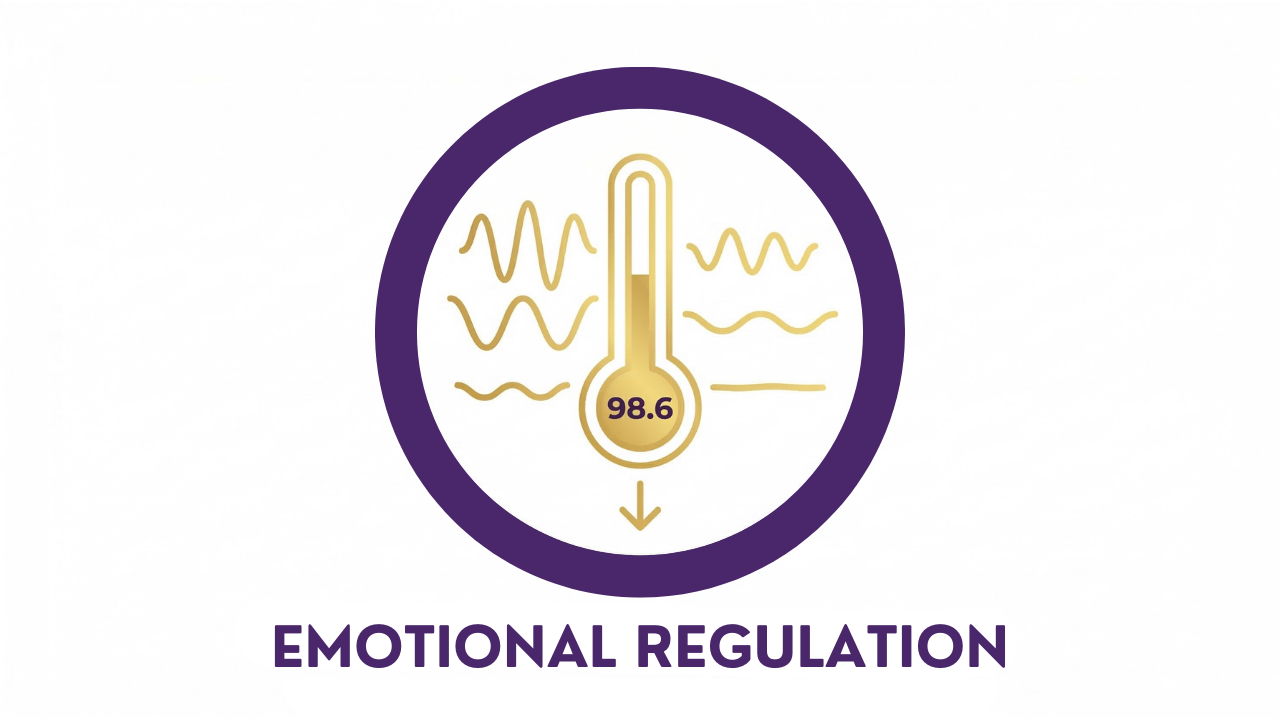
Step 1: Somatic Down-Regulation (Calm Your Nervous System)
That’s you when you interrupt the stress response before shame takes over.
Your nervous system is flooding with cortisol and adrenaline. Your body is in fight-or-flight. You can’t think clearly. You can’t access your authentic self. So first, you down-regulate your nervous system.
The Practice: Focus on what you can hear for 15-30 seconds. Just listen. Notice ambient sounds, distant sounds, close sounds. This activates your parasympathetic nervous system (rest-digest) and creates a circuit breaker for fight-or-flight.
If you’re highly dysregulated (shaking, dissociating, panicking), use titration: step outside, splash cold water on your face, feel your feet on the ground, or hold ice. You’re creating a sensory experience strong enough to interrupt the chemical cascade.
Step 2: Name the Feeling (Get Emotional Granularity)
That’s you when you move beyond “I feel bad” and identify the actual emotion.
Your survival persona probably taught you emotional illiteracy. You feel something big and scary, so you label it “stress” or “overwhelmed” or “tired.” But emotional precision matters. Different emotions activate different neural pathways and require different healing approaches.
The Practice: Use the Feelings Wheel at kennyweiss.net/life-changing-exercise. Start with the core emotion (angry, sad, afraid, ashamed) and move toward the edge to find the specific feeling (betrayed, disappointed, vulnerable, inadequate).
This granularity activates your prefrontal cortex (thinking brain) and reduces amygdala hyperactivity (emotional reactivity). You’re literally changing your brain state by getting precise.
Step 3: Locate the Sensation (Where Do You Feel It?)
That’s you when you move from head-based analysis to body-based wisdom.
Emotions live in your body, not your mind. When you feel powerless, where does it live? Chest tightness? Stomach heaviness? Jaw clenching? Throat closing? Your body is the truth-teller. Your mind is the story-maker.
The Practice: Notice where in your body you feel the emotion most intensely. Don’t try to change it—just be curious about it. “Oh, I feel powerlessness as heaviness in my chest, right here.” You’re creating a somatic (body-based) connection to the emotion, which is how deep rewiring happens.
Step 4: Find the First Memory (When Did This Begin?)
That’s you when you trace the emotion back to its origin and see: “This isn’t about today.”
The powerlessness you feel right now isn’t really about your current situation. It’s the old feeling overlaid onto today. So you trace it back: “When’s the first time I felt this exact feeling in this exact place in my body?”
This is usually a childhood memory—something your conscious mind might have forgotten, but your nervous system never did. Maybe you felt this helplessness when your parent shut you out. Maybe you felt this shame when you were criticized. Maybe you felt this inability to move when you were powerless to stop the chaos.
Neuroscience shows that connecting a present emotion to its original context literally changes how your brain processes that emotion. When you say “This isn’t about today—this is about when I was seven,” you’re deactivating the present-moment threat response and activating historical perspective, which reduces amygdala activation.
Step 5: Imagine Your Authentic Self (Who Would You Be Without This?)
That’s you when you envision the person you’d be if this emotional wound never happened.
Not the falsely empowered persona who controls. Not the disempowered persona who disappears. The authentic you—the person who could feel powerless emotions but not be controlled by them.
The Practice: Ask yourself: “If I never had this thought or feeling again, who would I be? How would I move? How would I speak? How would I relate?” Get specific. Don’t fantasize—imagine. See yourself in that power. Feel what that version of you feels like.
Step 6: Feelization (Create the New Chemical Addiction)
That’s you when you sit in the feeling of your authentic self long enough to rewire your nervous system.
Your nervous system is addicted to the chemical state of powerlessness. To change that addiction, you have to create a new emotional chemical state strong enough to compete.
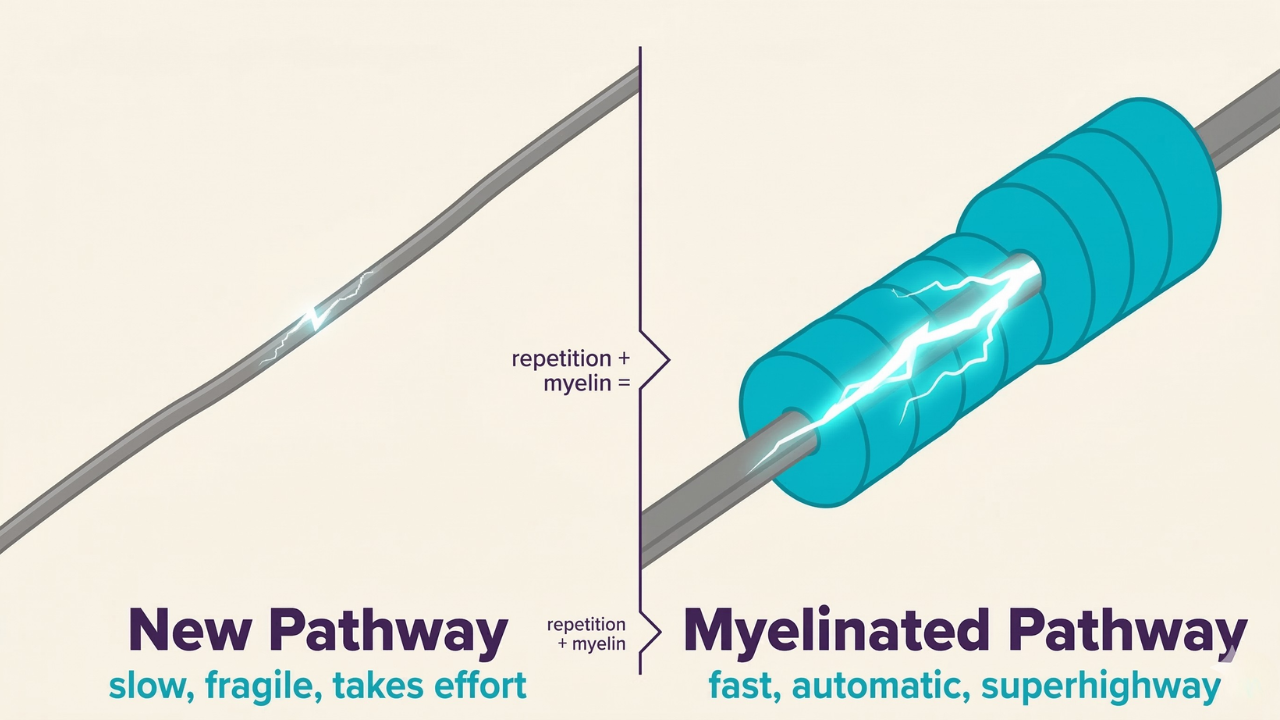
The Practice: Stay in the feeling of your authentic self—your actual power—for 2-3 minutes. Not visualizing. Not thinking. Feeling. Feel the confidence in your chest. Feel the groundedness in your feet. Feel the clarity in your mind. Feel the peace in your nervous system. You’re literally building new myelin—neural insulation—around this new emotional pathway.
Do this daily, and you’re building a new addiction to power.
Signs You’re Stuck in Powerlessness
Powerlessness doesn’t announce itself. It hides in your habits, your relationships, your body. Here are the signs across every life area.
In Your Family of Origin
That’s you if:
- You still can’t say no to your parents—you give explanations, justifications, apologies instead of a simple answer
- You carry responsibility for your parents’ emotions (their happiness, their loneliness, their disappointment)
- You were the peacekeeper, the caretaker, or the scapegoat growing up
- You minimize what happened to you (“It wasn’t that bad”) or defend your parents’ behavior
- You still seek their approval or validation, even though you logically know they won’t give it
In Your Romantic Relationships
That’s you if:
- You show signs of insecurity—seeking constant reassurance, monitoring your partner’s moods, scanning for rejection
- You say yes to sex, time, or energy you don’t want to give, then resent your partner
- You can’t remember what you want independently—your wants merge with theirs
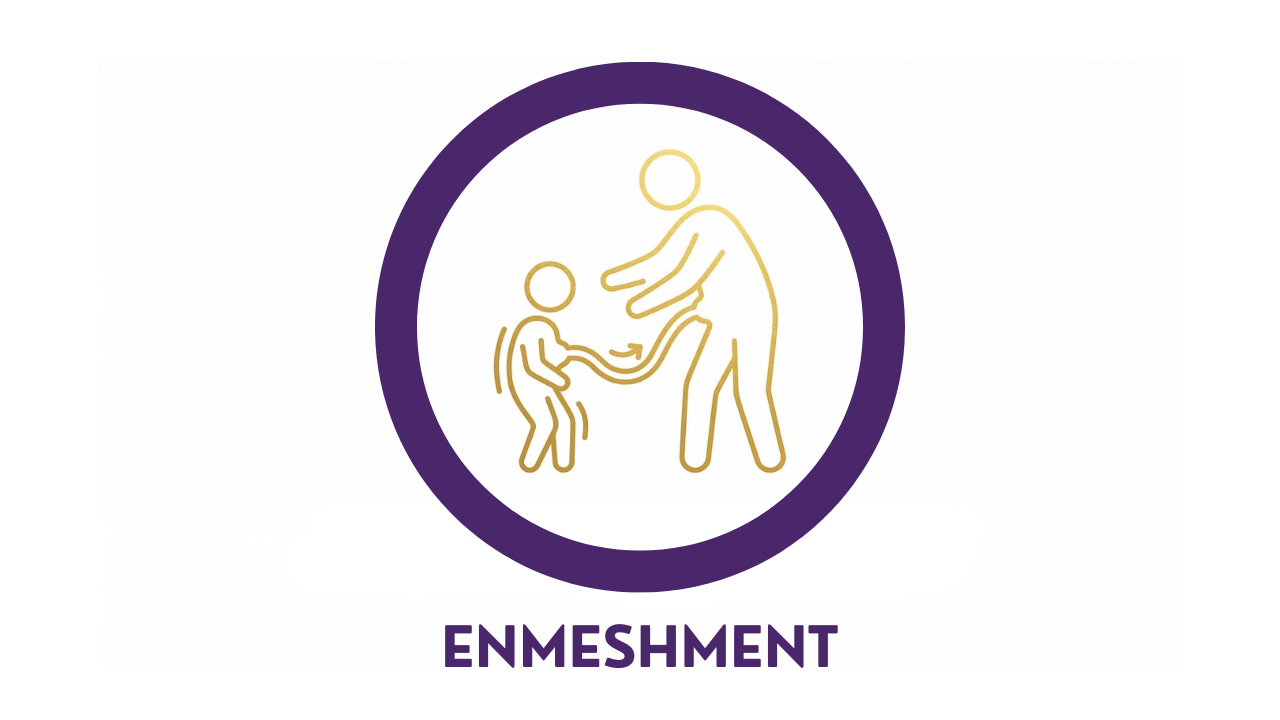
- You recreate enmeshment patterns—blurred boundaries, merged identities, emotional fusion
- You attract partners who need rescuing or who are emotionally unavailable
- You use anger, criticism, or withdrawal to maintain control
In Your Friendships
That’s you if:
- You’re the listener, the advice-giver, the emotional support—but rarely receive it
- You drop your own needs to manage a friend’s crisis
- You’re afraid to disagree or set non-negotiables
- You choose friends who need fixing or who are emotionally draining
- You stay in friendships long after they’ve become painful
At Work
That’s you if:
- You overwork to prove your worth or to avoid criticism
- You can’t delegate or ask for help—you carry everything
- You’re hypervigilant to your boss’s moods or opinions
- You accept projects that aren’t in your job description
- You struggle with genuine self-esteem—you need external validation to feel competent
- You either disappear or dominate—no middle ground
In Your Body and Health
That’s you if:
- You ignore your body’s signals—hunger, tiredness, pain, pleasure
- You prioritize others’ comfort over your own (staying in an uncomfortable position to avoid moving, tolerating cold/heat, etc.)
- You use your body as a way to gain control (restricting food, excessive exercise, overdoing productivity)
- You don’t advocate for your health with doctors—you accept diagnoses or dismissals without questioning
- You experience chronic tension, IBS, headaches, or other stress-based conditions
- You can’t relax without guilt—rest doesn’t feel legitimate
Magic Phrases for Saying No
Learning to say no is the single most powerful skill for reclaiming your power. These aren’t scripts—they’re permission.
The Three-Question Filter (Before You Say Yes)
Before you commit to anything, ask yourself:
- Will I keep score? Will I resent this person or mentally note that they “owe me”?
- Will I throw it in their face? If conflict happens later, will I use this against them? (“After everything I’ve done for you…”)
- Will I have any resentment? Will this drain me, sacrifice something I value, or betray my own boundaries?
If you answer yes to any of these, the answer is no.
The Magic Phrase #1: The Buy-Time Response
“Let me think about it, and I’ll get back to you.”
This is your permission slip to pause. You don’t have to decide immediately. Your nervous system doesn’t have to react from fear. You get to take time, check your three-question filter, and choose consciously.
Most people will accept this. And if they push back? That’s data. That tells you they need an immediate answer for their own reasons, not for yours.
The Magic Phrase #2: The Clear No
“I’ve thought about it, and it just doesn’t work for me.”
This is the power stance. No apology. No justification. No explanation. No leaving room for negotiation.
That’s you when you can say no to a request, a relationship, a situation, or a person—clearly, calmly, and without guilt.
Notice: you don’t have to explain why it doesn’t work. You don’t have to convince them. You don’t have to make it their fault or your fault. You just say the truth: it doesn’t work for me.
This shifts the dynamic immediately. Instead of them controlling the terms of your relationship, you do.
The Hard No: When They Push Back
Some people will argue, question, or guilt-trip. They’ll say:
- “But I really need you.”
- “You always help me.”
- “That’s not like you.”
- “You’re being selfish.”
This is where you find out if you’ve actually reclaimed your power or if you’re still operating from your survival persona.
Research on boundary-setting shows that pushback is predictable and normal. When you change the dynamic, people unconsciously try to pull you back into the familiar pattern. Your job is to stay in your power regardless of their reaction. The moment you explain, justify, or give in to guilt—you’ve handed your power back to them.
Your response: “I understand you need help. And my answer is still no.” Or even simpler: “That doesn’t change my answer.”
Repeat as needed. Your boundary isn’t negotiable.
Frequently Asked Questions
If I take ownership of my choices, doesn’t that mean I’m blaming myself for my childhood trauma?
No. Taking ownership in the Authentic Self Cycle™ doesn’t mean denying what happened or suggesting you caused your trauma. It means you’re taking ownership of your adult choices—how you’ve responded to your wound, what patterns you’ve recreated, what boundaries you haven’t defended.
Your parents created your wound. You’re responsible for healing it. Those are different things.
I feel powerless in so many areas of my life. How do I even start?
Start with one area where powerlessness is most painful. Maybe it’s your marriage. Maybe it’s with your mother. Maybe it’s at work. Pick the relationship or situation where your powerlessness costs you the most emotional energy.
Use the Emotional Authenticity Method™ for that specific situation. Once you experience your power returning in one arena, you’ll have evidence that change is possible, and you can apply the same tools elsewhere.
What if the people in my life don’t want me to change and get more powerful?
That’s you discovering who benefits from your powerlessness.
If your partner relies on your people-pleasing, they might resist. If your parent benefits from your caretaking, they might guilt-trip. If your friend exploits your lack of boundaries, they might withdraw. This is normal. When you reclaim your power, the dynamic shifts, and people who were comfortable with the old dynamic will feel uncomfortable.
Your job isn’t to manage their discomfort. Your job is to reclaim your life.
Isn’t saying no mean or aggressive?
Only if you make it mean or aggressive. A clear, calm “It doesn’t work for me” is neither kind nor cruel. It’s just true. You’re not attacking. You’re not blaming. You’re just stating a boundary.
What feels mean is your survival persona’s belief that your needs are inherently selfish. That’s the wound talking, not the truth.
If I’m in the disempowered persona and I say no, will people abandon me?
Some people might. The ones who loved you only because you said yes will leave. That’s painful. And that’s also data that tells you the relationship was conditional.
The people who truly care about you want you to have boundaries. They want you to value yourself. They’ll respect your no.
How long does it take to rewire my emotional blueprint?
There’s no timeline. Your nervous system didn’t get wounded in days—it took years. Rewiring takes consistent practice with the Emotional Authenticity Method™.
But you’ll notice shifts within weeks. You’ll say no more easily. You’ll feel less resentment. You’ll notice yourself choosing differently. These early wins build momentum.
The Bottom Line
Powerlessness isn’t your fault. Your childhood created a survival strategy that kept you safe then. But that same strategy is stealing your power now.
The good news: your nervous system isn’t broken. It’s just running an old program. And you can rewrite that program.
Every time you say no when you mean no, you’re rewiring. Every time you take ownership instead of blaming, you’re healing. Every time you stay in the feeling of your authentic power through the Emotional Authenticity Method™, you’re building a new addiction to genuine strength.
That’s you when you stop focusing on what you can’t control and start defending what matters most: your own life, your own choices, your own voice.
You didn’t survive your childhood to stay powerless forever. You survived it to become this person—someone capable of feeling deeply, seeing clearly, and choosing consciously. Someone powerful.
It’s time to claim that power.
Recommended Reading
- Mellody Beattie — Codependent No More (the foundational text on boundaries and self-abandonment)
- Gabor Maté — When the Body Says No (the neuroscience of how emotional suppression manifests as physical illness)
- Melody Beattie — Beyond Codependency (advanced work on emotional authenticity and authentic power)
- Brené Brown — Rising Strong (the science of shame resilience and emotional courage)
- John Bradshaw — Homecoming: Reclaiming and Championing Your Inner Child (reparenting your wounded nervous system)
- Pete Walker — Complex PTSD: From Surviving to Thriving (understanding the survival personas and trauma responses)
Take the Next Step: Heal Your Powerlessness with Kenny
Understanding your powerlessness intellectually is one thing. Rewiring your nervous system and reclaiming your authentic power is another.
Kenny has created specific courses to guide you through the process:
- Emotional Blueprint Starter Course — Individual ($79) — Understand your emotional blueprint and begin the rewiring process
- Relationship Starter Course — Couples ($79) — Heal powerlessness patterns that are destroying your relationship
- Why We Can’t Stop Hurting Each Other ($479) — The full framework for understanding and healing codependent cycles
- Why High Achievers Fail at Love ($479) — For the falsely empowered persona who achieves externally but fails at genuine intimacy
- The Shutdown Avoidant Partner ($479) — If your partner’s withdrawal is triggering your powerlessness
- Tier 1: Mapping the Blueprint ($1,379) — The complete deep-dive into the Emotional Authenticity Method™
That’s you—choosing to stop accepting powerlessness and starting to build your authentic power.