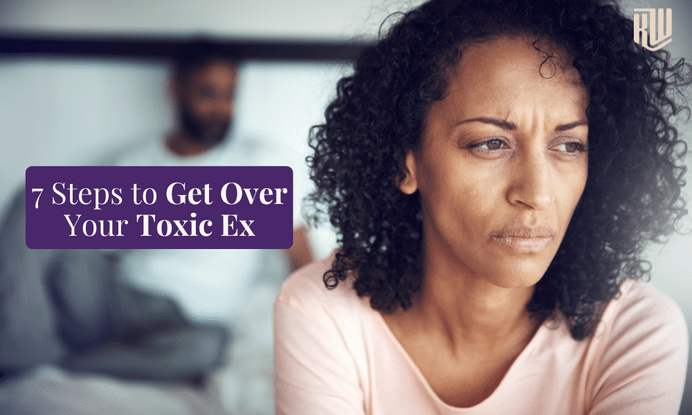
How to get over a toxic ex requires understanding why your nervous system won’t let go — not because you’re weak, but because your childhood emotional blueprint created a trauma bond that your brain mistakes for love. A toxic relationship activates the same neurological addiction cycle as a slot machine: intermittent reinforcement, dopamine spikes, and the desperate hope that “this time will be different.” The Worst Day Cycle™ explains why you stay attached, why you romanticize the good moments, and why leaving feels like dying. The Authentic Self Cycle™ and the Emotional Authenticity Method™ show you how to actually break free — not by white-knuckling it, but by rewiring the emotional blueprint that drew you to them in the first place.
Why You Can’t Get Over Your Toxic Ex
You’ve blocked them. Deleted the photos. Told yourself a thousand times it’s over. And yet here you are — still thinking about them at 2 AM, still checking their social media through a friend’s account, still replaying that one beautiful night when everything felt perfect.
You’re not weak. You’re not crazy. You’re trauma-bonded.
A trauma bond is not an unhealthy attachment — it is a survival attachment. It forms when fear, shame, longing, intermittent affection, unpredictable connection, and identity collapse all fuse together. You don’t stay because you want to. You stay because your nervous system believes: “Leaving is abandonment. Staying is safety” — even when staying is destroying you.
That’s you if you know in your gut they’re toxic, but your body physically aches at the thought of never seeing them again.
The reason you can’t let go has nothing to do with how much you love them. It has everything to do with your childhood. Your nervous system learned in childhood what “love” feels like — and if love felt like chaos, intensity, inconsistency, and earning — then that’s exactly what your brain chases in adult relationships. Your toxic ex didn’t create the wound. They activated the one that was already there.
The Trauma Bond: Why Your Brain Mistakes Pain for Love
What most people call “chemistry” in relationships is actually a trauma response — the nervous system recognizing childhood emotional patterns and flooding the body with addictive chemicals. Your body confuses familiar with safe, intensity with love, inconsistency with passion, anxiety with desire, and withdrawal with worthlessness.
Trauma bonding develops when a child experiences inconsistent affection, unpredictable emotional availability, cycles of connection followed by withdrawal, love tied to performance, and fear-based parenting. The child learns that love equals uncertainty, love equals tension, love equals earning, love equals fear. The nervous system becomes addicted to adrenaline, cortisol, the anxiety spike, the temporary relief, and the intermittent reward.
That’s you if you’ve ever said “the chemistry was so strong” about someone who treated you terribly — that wasn’t chemistry. That was your childhood blueprint recognizing home.
Trauma bond partners feel like “home” because they feel like childhood. Not because they’re right for you. The intensity, the longing, the obsession, the can’t-eat-can’t-sleep feeling — that’s not love. That’s your Worst Day Cycle™ in action.
The Worst Day Cycle™: The Four-Stage Loop Keeping You Stuck
The Worst Day Cycle™ is the four-stage neurological loop that explains why you can’t get over your toxic ex — and why you’ll attract another one if you don’t heal the blueprint underneath.
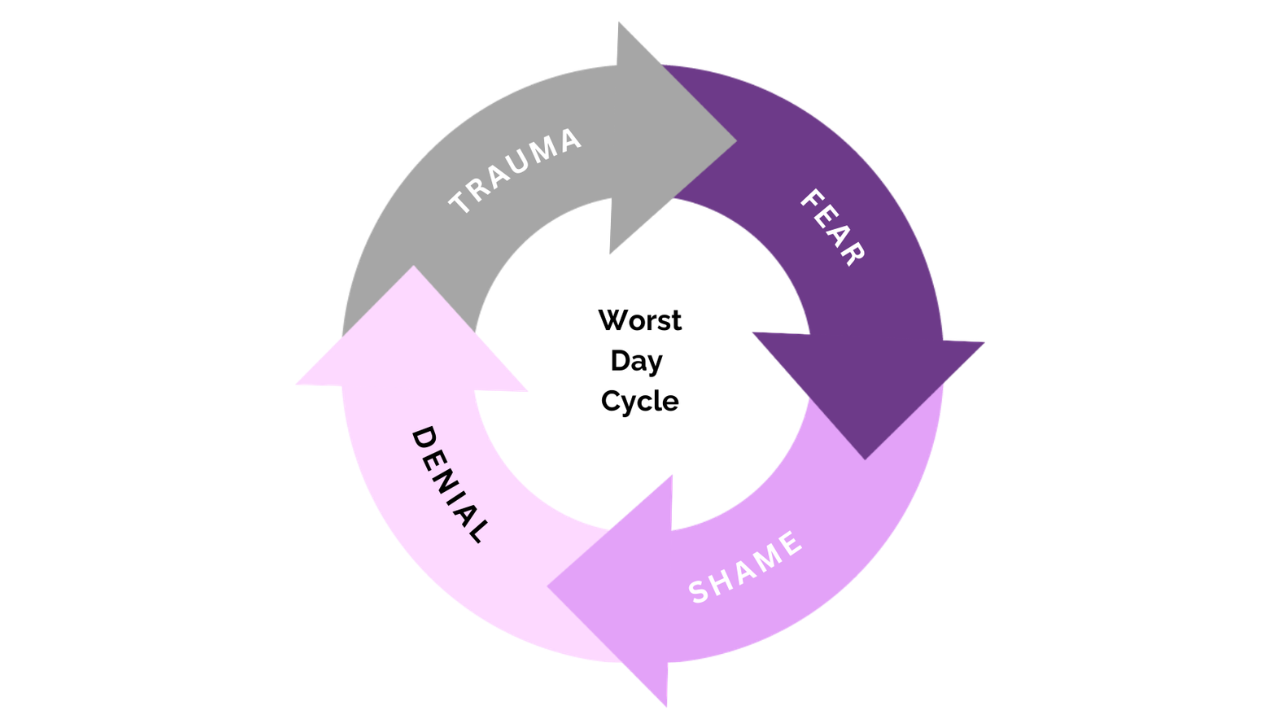
Stage 1: Trauma. Childhood trauma is any negative emotional experience that created painful meanings about yourself, others, or the world. Your ex’s behavior — the love-bombing, the withdrawal, the gaslighting, the intermittent warmth — activated the same threat response you felt as a child. Your hypothalamus flooded your body with cortisol, adrenaline, dopamine misfires, and oxytocin confusion. Your brain became neurologically addicted to these states because they were the only emotional home you knew.
Stage 2: Fear. Fear drives repetition. Your brain thinks repetition equals safety. So you unconsciously stayed in (or keep returning to) the toxic relationship because your nervous system can’t tell right from wrong — only known versus unknown. The pain is known. Leaving is unknown. And unknown feels like death to a nervous system wired for survival.
That’s you if you’ve left them five times and gone back every single time — your nervous system is choosing the known pain over the unknown freedom.
Stage 3: Shame. Shame is where you lost your inherent worth. Where you decided “I am the problem.” In a toxic relationship, shame whispers: “Maybe if I was better, they’d treat me right.” “I should have tried harder.” “Nobody else will want me.” “I deserved it.” Shame is the glue that holds the trauma bond in place.
Stage 4: Denial. To survive unbearable shame, your psyche creates a survival persona — a false identity that romanticizes the relationship, minimizes the abuse, and creates the fantasy that keeps you stuck. “But the good moments were so good.” “They’re not always like that.” “I can change them.” This is denial — brilliant in childhood, catastrophic in adult relationships.
Sound familiar? That’s the Worst Day Cycle™ running your breakup without your permission.
The Three Survival Personas in Toxic Relationships
When you’re trying to get over a toxic ex, your survival persona is the part of you that keeps pulling you back. There are three primary types, and each one has a different strategy for staying stuck.
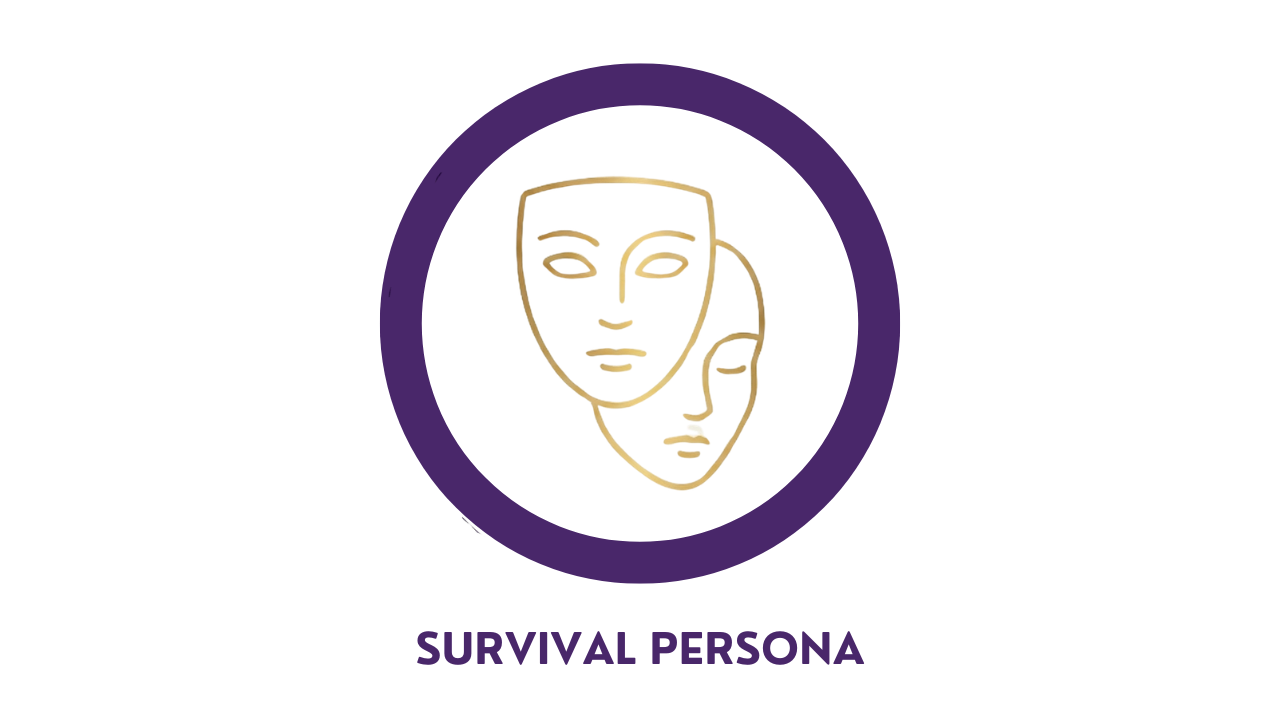
The Falsely Empowered Survival Persona
This persona controls, dominates, and rages. After the breakup, the falsely empowered persona obsesses about revenge, justice, or “winning.” You stalk their social media to prove they’re miserable without you. You craft the perfect text to destroy them. You tell everyone what they did. Underneath the rage is terror — terror of being abandoned, of being wrong, of being alone.
That’s you if you’re spending more energy hating them than healing yourself — your anger is your survival persona’s protection against unbearable grief.
The Disempowered Survival Persona
This persona collapses, people-pleases, and disappears. After the breakup, the disempowered persona begs them to come back, takes all the blame, and rewrites history to make the toxic partner the victim. You apologize for leaving. You convince yourself you overreacted. You minimize the abuse because feeling the full weight of it is too devastating.
That’s you if you’ve caught yourself defending your toxic ex to the people who watched them hurt you — your survival persona would rather betray your own truth than face the pain of what actually happened.
The Adapted Wounded Child Survival Persona
This persona oscillates between both. One day you’re furious and swear you’ll never speak to them again. The next day you’re crying and texting them at midnight. You flip between rage and collapse depending on which survival strategy your nervous system thinks will bring relief. Neither does.

That’s you if your friends are exhausted from the back-and-forth — “I’m done with them” on Monday, “I miss them” on Wednesday. That’s the adapted wounded child trying every survival strategy it learned.
The Slot Machine Effect: Why the Good Moments Keep You Hooked
The single biggest reason people can’t get over a toxic ex is the good moments. “But when it was good, it was so good.” That sentence has kept more people stuck in toxic relationships than any threat or manipulation ever could.
Here’s what’s actually happening: your toxic ex operated on the exact same principle as a casino slot machine. Inconsistent affection creates addiction, not intimacy. You were sitting there like a gambler, desperate to win. Which version of them would you get today? The loving one? The cold one? The raging one? The charming one? Every time you got a crumb of affection — a text, a moment of tenderness, a “good” day — your brain released dopamine and oxytocin. Your system decided: “I survived. This is love.”
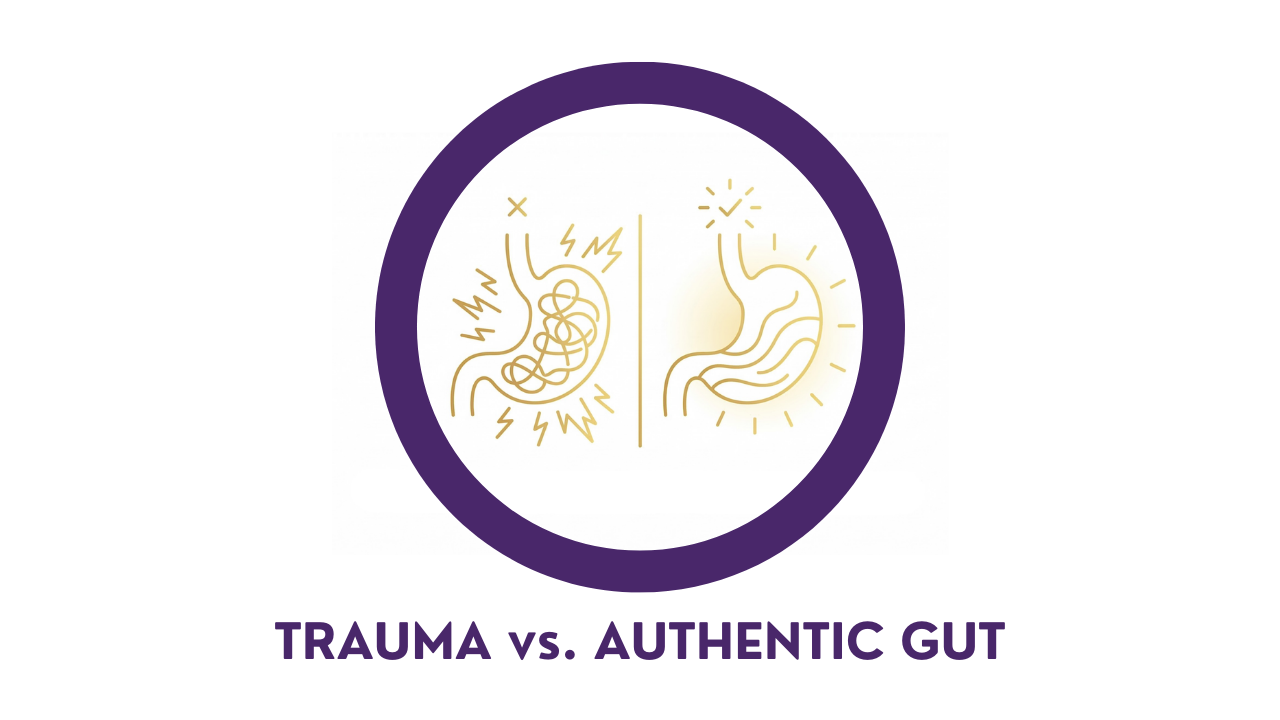
This is identical to gambling reinforcement — the slot-machine effect. The high is the relief from the low. The low is needed to create the high. You’re not addicted to them. You’re addicted to the emotional rollercoaster.
That’s the slot machine effect — and your toxic ex didn’t even have to know they were doing it. Your nervous system was already primed for this addiction from childhood.
7 Steps to Get Over a Toxic Ex and Reclaim Your Life
Step 1: Cut All Contact — and Mean It
Delete them off social media. Block their number. Remove the back doors. Every point of contact is a pull on the slot machine lever. You cannot heal from an addiction while still using. This is not punishment — it is self-preservation.
That’s you if you’ve “blocked” them but kept one channel open “just in case” — that open channel is your survival persona’s escape hatch, and it guarantees you’ll stay stuck.
Step 2: Remove the Triggers
Get rid of pictures, mementos, playlists, and anything that feeds the romanticization. Every reminder is an invitation for your brain to replay the highlight reel while conveniently editing out the pain. You’re not erasing your past — you’re stopping the intermittent reinforcement cycle.
Step 3: Stop Analyzing Them — Start Investigating Yourself
Ruminating about your ex is the most sophisticated self-deception your survival persona has. It feels like you’re processing, but you’re actually avoiding. Every hour you spend analyzing what they meant, what went wrong, or whether they’ll change is an hour you’re not looking at the only person who can heal you: yourself.
That’s you if you’ve spent months decoding their texts and body language — your analysis is your survival persona’s way of staying connected to them without admitting you don’t want to let go.
Step 4: Grieve — Really Grieve
Grief is the single greatest step to break the cycle. Not the story of what happened. Not the analysis. The actual, raw, ugly grief of what you lost — or more accurately, what you never had. You’re not grieving the person. You’re grieving the fantasy. You’re grieving the version of them that existed between the bad moments. You’re grieving the hope that they would become the person you needed them to be.
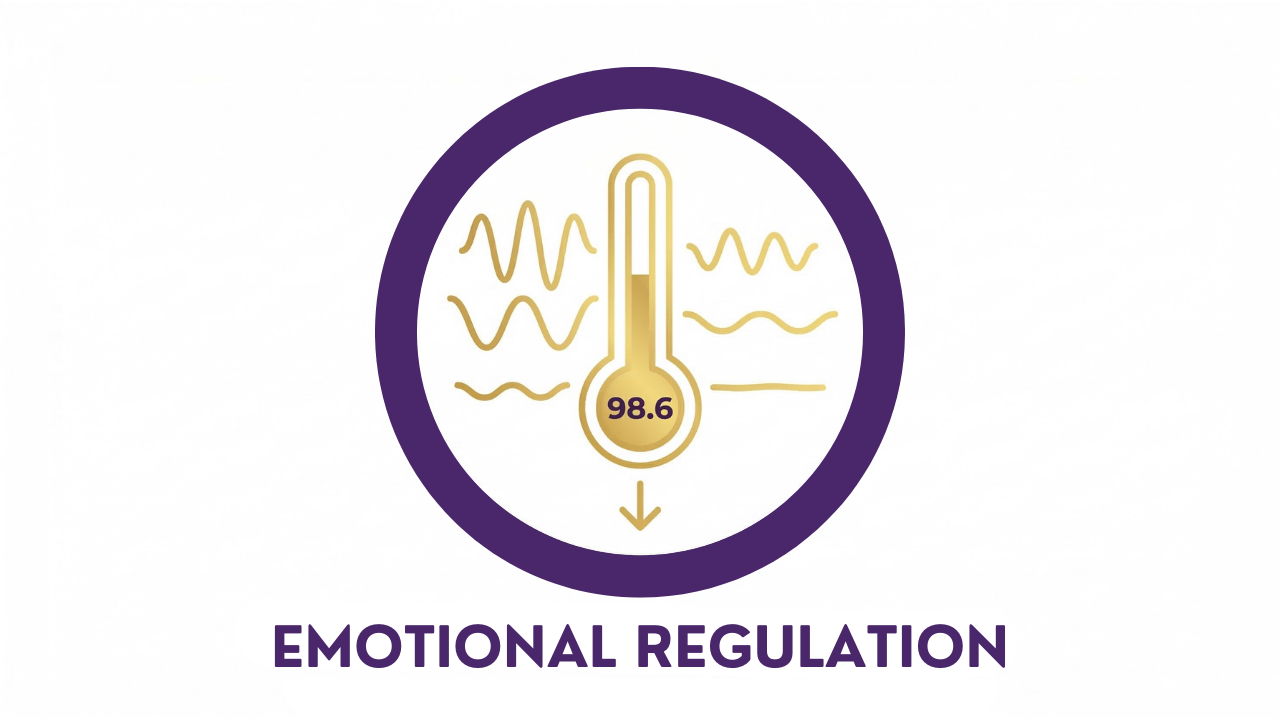
Set a limit. When the grief becomes overwhelming, give yourself 30 minutes to fully feel it — then do something on your self-care list. You are not suppressing emotion; you are learning to hold it without drowning in it. That’s titration. That’s emotional fitness.
That’s you if you still have rage, resentment, or hatred toward your ex — those feelings mean you haven’t grieved yet. If you still have rage, they own and control you without even being with you.
Step 5: Get Into Reality — Face Your Denial
Stop romanticizing the good parts of the relationship. This is one of the most powerful ways your survival persona keeps you stuck — remembering the beautiful moments while editing out the abuse, the disrespect, the emotional abandonment. Make a list of every painful, toxic moment. When you start romanticizing, go back to the list and remind yourself of the truth.
Sound familiar? You wouldn’t be reading this if you didn’t know in your heart they are toxic. Your denial is your survival persona’s last defense against the grief that will actually set you free.
Step 6: Look at Yourself — What Do You Need to Heal?
A toxic person only gets in your life because of your own unhealed blueprint. You said yes. You stayed. You went back. This is not blame — this is empowerment. Because if you caused your part, you can heal your part. And when you heal your part, you stop attracting toxic people.
What you liked about them was the pain you were experiencing with them — because trauma creates an emotional chemical addiction to repeat the pain from the past until you heal it. That’s how every human brain is designed. It’s not a character flaw. It’s neurobiology.
Step 7: Picture What You Actually Want
Write out your morals, values, needs, wants, negotiables and non-negotiables. When you don’t have this framework, you end up with behaviors you don’t like. When you map these out, you will spot a non-negotiable on the first date and be done. Without this blueprint, you guarantee that you will pick a toxic person again.
That’s the path from survival to authenticity — and it starts the moment you stop looking at them and start looking at you.
The Emotional Authenticity Method™: Your 6-Step Recovery Practice
Understanding why you’re stuck is one thing. Rewiring your nervous system so you actually let go requires a concrete practice. The Emotional Authenticity Method™ is your 6-step process for breaking the trauma bond at the neurological level.
Step 1: Somatic Down-Regulation. When you feel the urge to text them, check their social media, or spiral into rumination — pause. Focus on what you can hear for 15-30 seconds. Your thinking brain cannot come online while your amygdala is running the show. If you’re highly dysregulated, use titration: cold water on your face, step outside, hold ice.
Step 2: What am I feeling right now? Not “I miss them.” Use the Feelings Wheel to name it with precision. Are you feeling abandoned? Terrified? Ashamed? Lonely? Desperate? Emotional granularity breaks the reactive cycle and activates your thinking brain.
Step 3: Where in my body do I feel it? The ache in your chest when you think of them — that’s not love. That’s a somatic memory. Locate the feeling physically. This grounds you in the present moment and breaks the dissociation that keeps you trapped in the fantasy.
Step 4: What is my earliest memory of this exact feeling? The feeling of losing your toxic ex likely echoes something much older. The first time you felt abandoned. The first time love disappeared. The first time you had to earn connection. Your ex didn’t create this feeling — they activated it.
Step 5: Who would I be if I never had this feeling again? Envision your Authentic Self — the version of you that isn’t controlled by childhood wounds. What would that person do right now? Would they text their toxic ex at midnight? Or would they choose themselves?
Step 6: Feelization. Sit in the feeling of the Authentic Self and make it strong. Don’t just picture it — feel it. Feel the confidence, the groundedness, the worthiness, the freedom. Create a new emotional chemical addiction to replace the old blueprint. Ask yourself: “How would I respond to this longing from this feeling? What would I say? What would I do?” This is the emotional blueprint remapping and rewiring step.
That’s the Emotional Authenticity Method™ — six steps to choose yourself every time your nervous system tries to pull you back to what’s familiar instead of what’s healthy.
The Authentic Self Cycle™: From Survival Love to Secure Love
The Authentic Self Cycle™ is the healing counterpart to the Worst Day Cycle™ — a four-stage identity restoration system that transforms how you relate to love permanently.
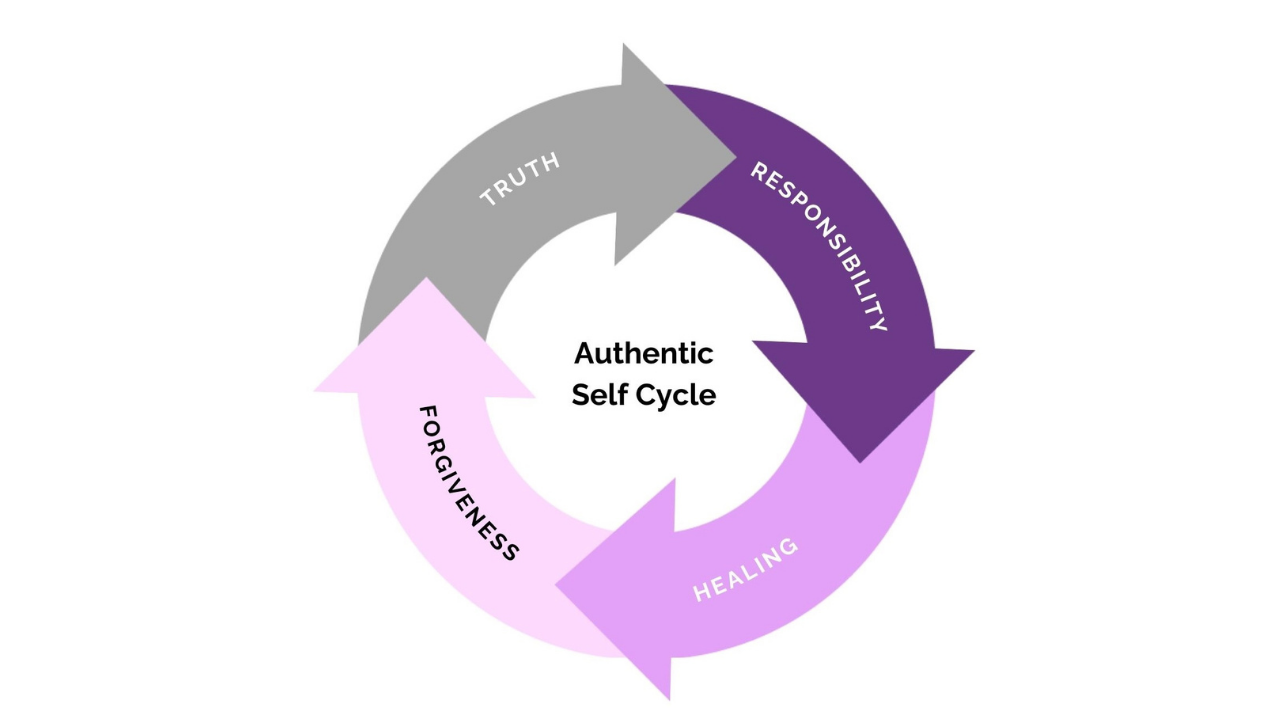
Stage 1: Truth. Name the blueprint. “This isn’t about my ex. My nervous system bonded to them because they replicated my childhood pain. The intensity I felt wasn’t love — it was my Worst Day Cycle™ recognizing home.” Truth is the flashlight you shine on your own neurobiology.
Stage 2: Responsibility. Own your part without blame — without blaming yourself, your ex, or your parents. “My ex isn’t my parent. My nervous system just thinks they are. It’s not their job to heal my childhood. It’s mine.” This is where you reclaim agency. You stop being a victim of the relationship and become the author of your recovery.
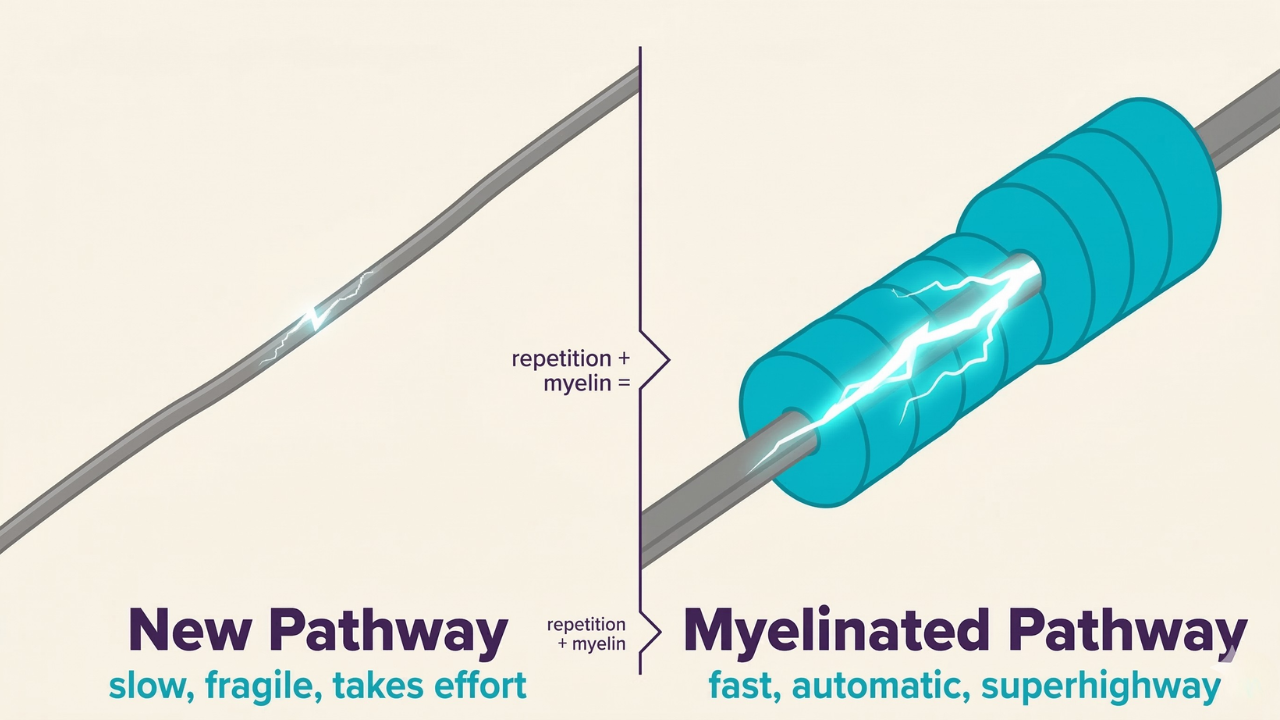
Stage 3: Healing. Rewire the emotional blueprint so healthy love stops feeling boring and starts feeling like home. This is where you teach your nervous system that calm is safe, consistency isn’t boring, and you don’t have to earn connection. Healing is not fast. But every time you choose yourself over the urge to go back, you’re building a new neural pathway.
Stage 4: Forgiveness. This is not forgiving your toxic ex for what they did. It’s releasing your attachment to the blueprint they activated. It’s saying: “What happened was real. It taught me about myself. And it doesn’t own me anymore.” When you can look at your ex without rage, resentment, or longing — and feel genuine gratitude for what they taught you about your own wounds — you’ve broken the cycle.
That’s the Authentic Self Cycle™ — the shift from survival love to secure love. From chasing what hurts you to choosing what heals you.
How Toxic Relationship Patterns Show Up Across Your Life
Your toxic ex wasn’t an isolated event. The same blueprint that drew you to them shows up in every area of your life.
Family: Where the Blueprint Was Written
You’re still managing a parent’s emotions. You accept mistreatment from family because “that’s just how they are.” You can’t set boundaries without crushing guilt. You were the peacekeeper, the fixer, or the invisible child. The dynamic with your ex? It was a replay of your family system.
That’s you if your relationship with your parents looks eerily similar to your relationship with your toxic ex — same dynamic, different person.
Romantic Relationships: The Repeat Cycle
This isn’t your first toxic relationship — and without healing, it won’t be your last. You keep choosing partners who are emotionally unavailable, inconsistent, or controlling. You confuse intensity with love. You abandon yourself to keep the peace. The faces change but the feeling stays the same.
That’s you if your friends have said “why do you always pick the same type?” — because your nervous system is running the same blueprint on repeat.
Friendships: The One-Sided Pattern
You over-give in friendships. You’re the listener who never gets listened to. You accept flaky, disrespectful behavior because confrontation feels dangerous. You disappear rather than have honest conversations. The same enmeshment patterns from your romantic life show up here.
Work: The Achievement Trap
You over-function at work. You seek constant validation from authority figures. You can’t receive feedback without shame spiraling. You stay in toxic work environments the same way you stayed in the toxic relationship — because the familiar feels safer than the unknown. Your self-esteem is built on performance, not worth.
Body and Health: The Score Your Body Keeps
Chronic tension, jaw clenching, stomach problems, insomnia, emotional eating, substance use — your body is keeping score of every boundary you didn’t set, every truth you swallowed, every time you abandoned yourself to keep a toxic person close. The grief you won’t feel consciously, your body feels for you.
Sound familiar? The toxic relationship wasn’t the problem — it was the symptom. The blueprint underneath is what needs healing.
People Also Ask
Why can’t I stop thinking about my toxic ex?
You can’t stop thinking about them because your nervous system is trauma-bonded — addicted to the emotional chemistry of the relationship. Rumination is your brain’s attempt to get another “hit” of the familiar emotional cycle. It’s not about them. It’s about the childhood emotional blueprint they activated. The Emotional Authenticity Method™ teaches you to interrupt the rumination cycle by tracing the feeling to its origin and rewiring your response.
How long does it take to get over a toxic ex?
There’s no fixed timeline. Healing depends on the depth of the trauma bond, the length of the relationship, and — most importantly — whether you address the childhood blueprint underneath. Without healing the blueprint, you’ll “get over” this ex and find another toxic partner. With the Authentic Self Cycle™, most people experience meaningful shifts in 3-6 months of consistent practice, though full rewiring is a longer journey.
Is a trauma bond the same as love?
No. A trauma bond feels like love because it activates the same intensity as your earliest emotional experiences. But trauma bonds are fear-based attachments masked as passion. The emotional signature is anxiety, obsession, longing, and panic. Healthy love feels calm, steady, grounded, mutual, and safe. Trauma bonds activate your wounds. Healthy bonds activate your worth.
Why do I keep attracting toxic partners?
You attract toxic partners because your childhood emotional blueprint created a neurological radar for partners who replicate your earliest pain. Your brain can’t tell right from wrong — only known versus unknown. If love felt like chaos, inconsistency, and earning in childhood, that’s exactly what your nervous system seeks in adult relationships. Healing the blueprint changes the attraction pattern.
Can I heal from a toxic relationship without therapy?
Education, self-awareness, and deliberate practice can create real change. However, most people benefit from professional support because old patterns are invisible from the inside. You can’t see the blueprint you’re living inside. A therapist, coach, or structured program like the Emotional Authenticity Method™ provides the mirror and the roadmap your nervous system needs to rewire.
How do I know I’ve fully healed from a toxic relationship?
You know you’ve healed when “boring” people become attractive — when calm, consistent love feels safe instead of dull. You know you’ve healed when you can think about your ex without rage, resentment, or longing. The deepest sign: you can recognize that the toxic relationship was your greatest teacher — not because the abuse was okay, but because it revealed the childhood wounds that needed healing. When you adore the lessons without wanting to return to the pain, the cycle is broken.
The Bottom Line
Getting over a toxic ex isn’t about time healing all wounds. Time doesn’t heal — it just creates distance from the last hit of trauma chemistry. Without doing the actual work, your nervous system will find another toxic partner to bond with, because the blueprint is still running.
But here’s what changes everything: the hurt happened in a relationship, and the healing has to happen through understanding yourself within relationships. When you do this process — when you grieve the fantasy, face your denial, understand your survival persona, and rewire your emotional blueprint — something extraordinary happens. You stop being afraid of relationships. You stop being controlled by the past. You start choosing partners from wholeness instead of wound.
Every single person who does this work discovers something powerful: the toxic relationship that destroyed them was actually the doorway to their authentic self. Not because the abuse was justified. But because the pain finally became unbearable enough to look at the childhood blueprint that created the attraction in the first place.
Your authentic self is still in there. Underneath the grief, the rage, the shame, the longing for someone who was never going to love you the way you needed. That version of you — the one who knows their worth, sets clear boundaries, and chooses love from safety instead of survival — is waiting to come home.
The healing starts when you stop trying to get over them and start getting back to yourself. It starts now.
Take the Next Step
Emotional Blueprint Starter Course — Individual ($79) — Understand your emotional blueprint, identify your survival persona, and begin the work of breaking the toxic relationship cycle.
Relationship Starter Course — Couples ($79) — If you’re in a new relationship and don’t want to repeat the pattern, learn the 10 do’s and don’ts for a great relationship.
Why We Can’t Stop Hurting Each Other ($479) — A comprehensive deep-dive into the neurobiology of toxic relationships, the Worst Day Cycle™, and the complete pathway to healing.
The Shutdown Avoidant Partner ($479) — If your toxic ex was emotionally unavailable, this program reveals the survival persona driving their behavior and why you were drawn to it.
Why High Achievers Fail at Love ($479) — For the person who succeeds everywhere except relationships. Learn how your falsely empowered survival persona keeps attracting toxic partners.
Tier 1: Mapping the Blueprint ($1,379) — The complete mastermind experience. Live monthly coaching, personalized feedback, access to all courses, and a community of people committed to the deep work.
Recommended Reading
- Facing Codependence by Pia Mellody — The foundational text on how childhood trauma creates survival personas, codependent patterns, and the loss of authentic self.
- The Body Keeps the Score by Bessel van der Kolk — Essential reading on how trauma lives in the nervous system and why healing requires more than talk therapy.
- When the Body Says No by Gabor Maté — How emotional repression and toxic relationship patterns manifest as physical illness.
- Codependent No More by Melody Beattie — The classic guide to setting boundaries and stopping the cycle of self-abandonment in relationships.
- The Gifts of Imperfection by Brené Brown — A guide to wholehearted living that directly counters the shame keeping you bonded to toxic partners.