Tag: trauma recovery

  • 13 Signs of a Narcissistic Relationship

    13 Signs of a Narcissistic Relationship

    13 Signs You Are In a Relationship With a Narcissist

    A narcissistic relationship is built on control, emotional manipulation, and the narcissist’s need for constant validation. The partner with narcissistic traits uses shame, denial, and a false persona to maintain dominance while systematically eroding your sense of self. Unlike healthy relationships where both partners take responsibility for their emotional impact, narcissistic relationships trap you in the Worst Day Cycle™—a trauma pattern where you’re constantly triggered, blamed, and emotionally drained. Understanding these 13 signs isn’t about labeling your partner; it’s about recognizing whether you’re in a dynamic that serves your emotional health and authentic self.

    TL;DR: Narcissistic relationships center on the other person’s needs, involve constant criticism and blame-shifting, create shame and self-doubt, demand you manage their emotions, and leave you feeling invisible. The Worst Day Cycle™ repeats because their trauma-driven survival persona can’t access the Authentic Self Cycle™ without intervention.

    Table of Contents

    What Is Narcissism? The Survival Persona at Work

    Narcissism isn’t vanity. It’s a trauma response—a survival persona built to protect a wounded child from unbearable shame.

    Here’s what happened: In childhood, the narcissist experienced relentless criticism, conditional love, or emotional neglect. Their brain created a chemical addiction to the stress response (cortisol, adrenaline, dopamine misfires). To survive the pain, they abandoned their authentic self and built a false, inflated identity—what we call the falsely empowered survival persona. This persona says: “I’m better than everyone. I don’t need anyone. I’m special. I’m right, and you’re wrong.”

    The problem? This survival persona can’t experience genuine intimacy, accountability, or emotional regulation. It can only control, dominate, and blame. And because the brain is wired to repeat what it knows, the narcissist unconsciously recreates the shame patterns from their childhood—often with you as the target.
    Survival persona concept showing falsely empowered, disempowered, and adapted wounded child types in narcissistic relationships

    That’s you in a narcissistic relationship: constantly trying to understand behavior that operates from a completely different operating system. Your logic doesn’t work because they’re not governed by responsibility or empathy. They’re governed by the need to maintain the survival persona at all costs.

    7 Signs in Family Relationships

    Sign 1: Your Parent (or Sibling) Controls Through Conditional Love

    A narcissistic parent’s love has strings attached. You earned approval by meeting their expectations—good grades, the right career, the right partner, the right appearance. When you didn’t comply, love was withdrawn.

    This wasn’t parenting. This was shame-based control.

    Today, you still feel the hit in your stomach when they call. You still rehearse conversations. You still feel that familiar panic: “What did I do wrong?” Sound familiar? That’s the Worst Day Cycle™ operating on repeat. Your nervous system learned that love = performance. Safety = compliance.

    What it looks like: “I’m so proud of you… but have you considered…” | “I’ve done so much for you…” | “After all I sacrificed…” | Sudden withdrawal of affection when you set a boundary.
    Enmeshment diagram showing how narcissistic parents blur boundaries between parent and child identity

    Sign 2: You Feel Responsible for Their Emotions

    A narcissistic family member makes you their emotional manager. They dump their frustration, anxiety, or shame on you—then expect you to fix it, validate it, or absorb it.

    You learned to read their moods like a sonar system. You know exactly which topic will set them off. You monitor their emotional weather and adjust your presence accordingly. That’s you performing emotional labor that was never your job.

    What it looks like: They vent endlessly; you listen for hours. They blame you for their bad mood. They say, “If you loved me, you’d understand my pain.” They guilt you: “No one cares about me like you do.”

    Sign 3: There’s a “Golden Child” and a “Scapegoat”

    In narcissistic families, roles are assigned. One sibling is perfect (the golden child who mirrors the narcissist’s survival persona). Another is blamed for everything (the scapegoat who carries the family’s shame).

    This splitting keeps both children trapped in the Worst Day Cycle™. The golden child performs endlessly. The scapegoat internalizes blame. Neither develops their authentic self.

    What it looks like: “Your sister is so responsible. Why can’t you be more like her?” | One sibling gets endless praise; another is always criticized for the same behavior.

    Emotional blueprint showing how childhood narcissistic family patterns become adult relationship templates

    Sign 4: Your Boundaries Are Dismissed or Punished

    When you say “no” to a narcissistic family member, they respond with rage, guilt, silent treatment, or legal threats. Setting a boundary feels dangerous because it historically has been.

    Healthy parents respect boundaries. Narcissistic ones see boundaries as betrayal. That’s the falsely empowered survival persona at work: “How dare you say no to me. I gave you everything.”

    What it looks like: You say you can’t visit this weekend. They explode or guilt you for days. You try to keep a secret. They say, “We don’t keep secrets in this family.” You refuse to give them your partner’s private information. They cut you off.

    Sign 5: They Gaslight About Family History

    Narcissistic parents rewrite history. They deny they said hurtful things. They claim they were “only joking” when they criticized you. They insist family dinners were happy when you felt terrified.

    This is denial in action—the survival persona’s last defense. Admitting the truth would require confronting the shame they’ve spent a lifetime avoiding. So instead, they rewrite it.

    Sound familiar? You start doubting your own memory. Maybe you are too sensitive. Maybe it wasn’t that bad. This is your nervous system being conditioned into the Worst Day Cycle™.
    Metacognition awareness tool for recognizing when you're being gaslit about family history

    Sign 6: They Compete With You or Your Siblings

    A narcissistic parent doesn’t just want to be your parent. They want to be your peer, your rival, your superior. They brag about their achievements and diminish yours. They tell the same story from their childhood every time you share something important.

    This is the falsely empowered persona’s need to maintain dominance. They can’t celebrate you without feeling diminished. Your success feels like their failure.

    What it looks like: You get promoted. They immediately tell you about a better promotion they had. You share something vulnerable. They counter with a story about how they handled it better. You achieve something. They remind you of their bigger achievement.

    Sign 7: You Can’t Relax Around Them

    Your nervous system is always on high alert. You monitor every word. You calculate how they’ll react. You feel a deep dread before visits. You exhaust yourself trying to prevent their anger.

    Healthy family relationships are a refuge. Narcissistic ones are a minefield. Your body knows the difference.

    6 Signs in Romantic Relationships

    Sign 8: They Love-Bombed You, Then Devalued You

    In the beginning, they were perfect. They texted constantly. They showered you with compliments. They talked about your future together. They said, “I’ve never met anyone like you.”

    Then something shifted. The attention stopped. The criticism started. They pull back emotionally but stay physically. They test your loyalty constantly. That’s you in the classic narcissistic cycle: idealization, then devaluation, then discarding (and sometimes re-idealization).

    Here’s why: The narcissist doesn’t see you as a person. They see you as an extension of themselves—a mirror to reflect back their survival persona. When reality breaks the fantasy (you set a boundary, you have a bad day, you’re human), the mirror breaks. And they hate the person who broke it.

    What it looks like: “I love you so much” becomes “You’re so needy.” | “You’re my soulmate” becomes “I’m not sure I love you anymore.” | They’re either all in or all out. No middle ground.
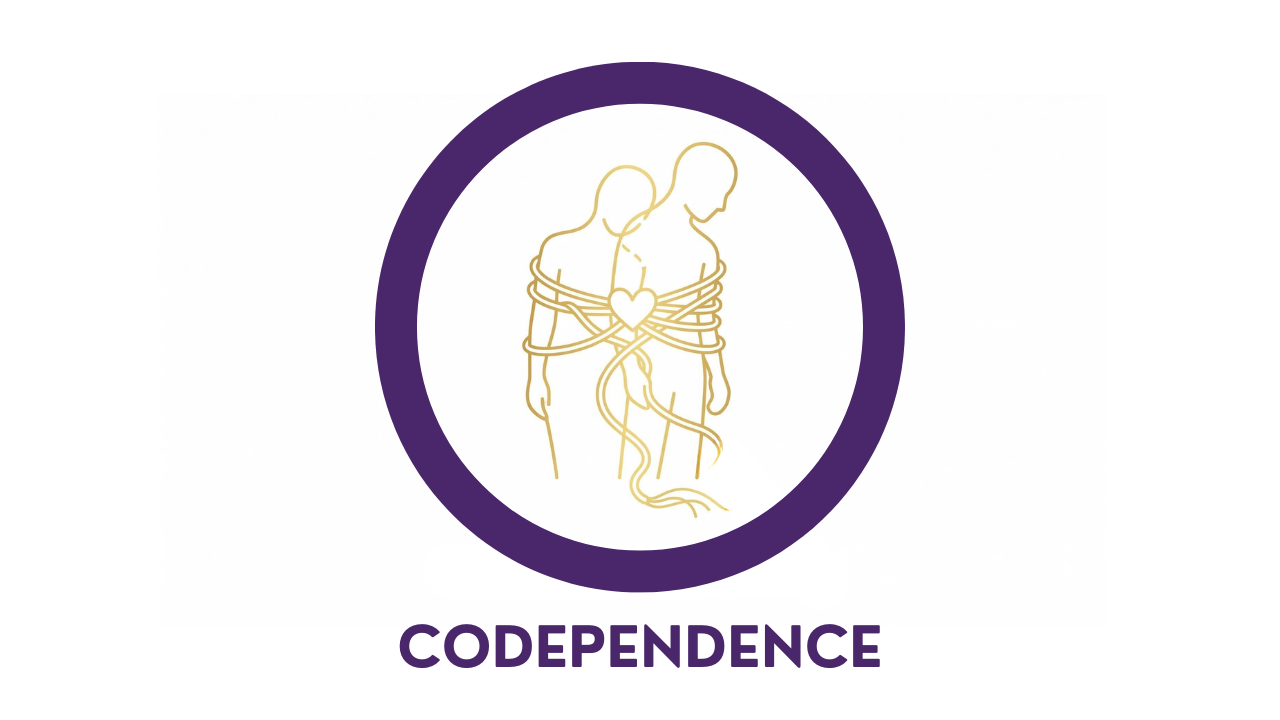
    Codependence cycle showing how love-bombing and devaluation trap partners in narcissistic relationships

    Sign 9: Everything Is Your Fault

    When something goes wrong, it’s because of you. You didn’t support them enough. You were too needy. You triggered them. You made them cheat. You made them rage.

    A narcissist literally cannot take responsibility for their own emotional impact. Their survival persona cannot survive the shame of “I was wrong.” So they externalize it all onto you.

    This is blame-shifting—a trauma response that keeps their survival persona intact. And the more you protest (“That’s not fair!”), the more evidence they use against you: “See? You always make everything about yourself.”

    Sound familiar? You’ve stopped defending yourself because nothing you say matters. The argument isn’t about logic. It’s about them maintaining control of the shame narrative.

    Sign 10: They Isolate You From Support

    They create drama with your friends. They criticize your family. They convince you that people don’t understand your relationship. They need you to choose: them or everyone else.

    This isn’t love. This is control. Isolation is how abuse works. When you have no outside perspective, you lose your reality check. You become entirely dependent on their version of truth.

    What it looks like: “Your friends are toxic.” | “Your family never liked me.” | “Everyone’s jealous of us.” | “You don’t need anyone but me.” | They “accidentally” make plans that conflict with your commitments to others.
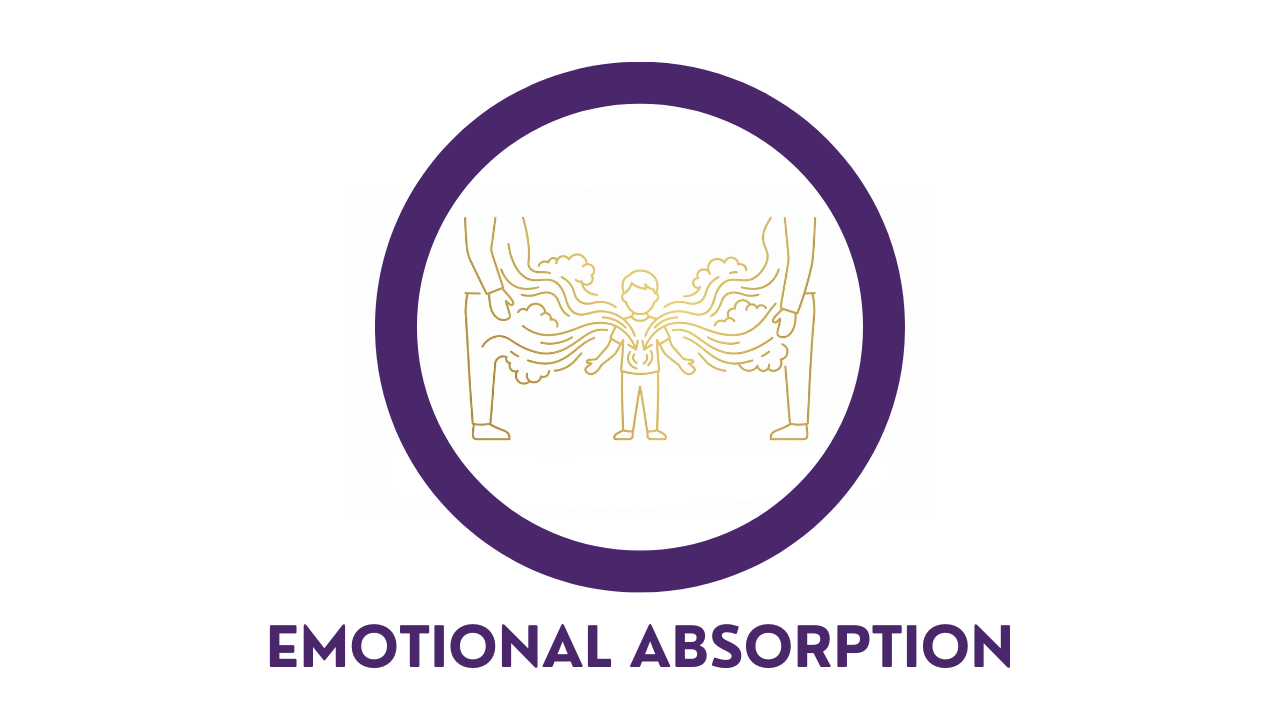
    Emotional absorption pattern in narcissistic relationships showing loss of individual identity

    Sign 11: They Use Your Vulnerabilities Against You

    You trusted them with your deepest fears and insecurities. Then, in a fight, they weaponize those exact vulnerabilities. “You’re just like your mother.” “You’ll always be insecure.” “No wonder your ex left you.”

    They know exactly where it hurts because you showed them. And they use that knowledge as a weapon. This isn’t a lapse in judgment. This is calculated cruelty dressed up as passion.

    What it looks like: You share that you struggle with self-worth. Later, they say, “You have no reason to feel confident.” | You mention childhood trauma. They say, “That explains why you’re so broken.” | You confess a fear. They use it as a criticism in every argument.

    Sign 12: They Cheat, Lie, or Create Drama—Then Blame You for Your Reaction

    They cheat. You’re devastated. Instead of taking responsibility, they attack you: “Why are you so insecure? Why do you need constant attention? You’re controlling.” They’ve flipped the entire dynamic. Now you’re the problem, and you’re apologizing for being hurt.

    This is sophisticated emotional manipulation. The original betrayal gets buried under a new narrative: “If you weren’t so needy, I wouldn’t have needed to…” It’s the falsely empowered survival persona in full denial.

    What it looks like: Lying about small things (where they were, who they were with). Creating emotional crises that distract from their betrayals. Gaslighting you about what happened. Making you question whether you even have a right to be angry.

    Sign 13: The Relationship Feels Like Walking on Eggshells

    You’re constantly hypervigilant. You monitor their mood. You watch what you say. You’ve learned which topics trigger them. You adjust your behavior to prevent their anger. You feel relief when they’re happy because it means the house is safe.

    This isn’t love. This is fear-based survival. Your nervous system is stuck in the Worst Day Cycle™, and your body knows: this relationship is a threat to your emotional safety.

    That’s you in a narcissistic relationship: performing emotional gymnastics to keep another person’s fragile ego intact while your authentic self slowly disappears.

    5 Signs in Friendships

    Narcissistic Friendships: The Friendship Is One-Sided

    You’re the listener. You’re the supporter. You’re the one who shows up. They’re the one who’s always busy, always stressed, always the protagonist in their own story.

    When you share, they redirect to themselves. When you need support, they’re unavailable or they make it about their pain. That’s the falsely empowered survival persona: “My story is more important. My pain is bigger. Your needs aren’t as valid as mine.”

    What it looks like: You cry to them. They say, “That reminds me of when I…” | You ask for advice. They tell you about a similar situation where they were the victim. | You’re going through a hard time. They’re too busy with their own life to check in.

    They’re Nice to You in Public, Mean in Private

    In a group, they’re charming and friendly. Alone with you, they’re critical and cold. This split between public persona and private behavior is textbook narcissism.

    They can’t afford for others to see the real them. So they perform for the audience. But with you, the facade drops because they believe you’re trapped (and you might be).

    What it looks like: They laugh at their own jokes to the group. Alone, they tell you that you don’t have a sense of humor. They’re affectionate in front of others. Alone, they’re dismissive. They post loving messages about you on social media while treating you poorly in private.

    They Make Everything a Competition

    You get a new job. They tell you about their better job. You buy a house. They describe their bigger house. You lose weight. They lost more weight. There’s no celebrating you. There’s only the chance to prove they’re superior.

    Emotional authenticity as antidote to narcissistic competition and comparison

    They Demand Loyalty While Betraying Your Trust

    They expect you to keep their secrets, yet they freely share yours. They demand your allegiance, but they’ll throw you under the bus if it benefits them. Sound familiar? That’s because in their mind, they’re special. They’re above the rules. The loyalty code applies to you, not to them.

    You Dread Seeing Them, But You Can’t Leave

    You know the friendship is draining. But you’re afraid to leave. Maybe you’ve invested too much time. Maybe they’ve convinced you no one else will be your friend. Maybe you feel responsible for their emotional well-being.

    This is the shame-based control pattern from the Worst Day Cycle™ applied to friendship. You’re staying because leaving feels like abandonment, even though staying is slowly destroying you.

    4 Signs in Work Relationships

    Your Boss or Colleague Takes Credit for Your Work

    You present an idea. They present it as their own. You solve a problem. They take the credit. You feel invisible and angry, but you say nothing because you fear retaliation.

    A narcissistic leader cannot celebrate others’ wins because it threatens their survival persona. So they appropriate the win and make it theirs.

    They’re Charming to Clients, Brutal to Staff

    With clients and upper management, they’re golden. With you and other staff, they’re demanding, critical, and disrespectful. The staff sees the real personality. The clients see the performance.

    What it looks like: They laugh and schmooze in meetings, then snap at you for a minor typo. They’re generous with client praise, stingy with staff appreciation. They remember clients’ birthdays but not their staff’s names.

    They Play Favorites and Create Internal Drama

    Some employees are in the inner circle (the golden children). Others are blamed for everything (the scapegoats). They fuel gossip and competition to keep people divided.

    Divided teams can’t unite against the leader. That’s the whole point. This is control through chaos.

    You Feel Anxious Before Work and Drained After

    Your nervous system is hypervigilant. You don’t know if today will be a good day or a day of criticism and shame. You come home exhausted because you’ve spent eight hours managing another person’s emotions and controlling your own.
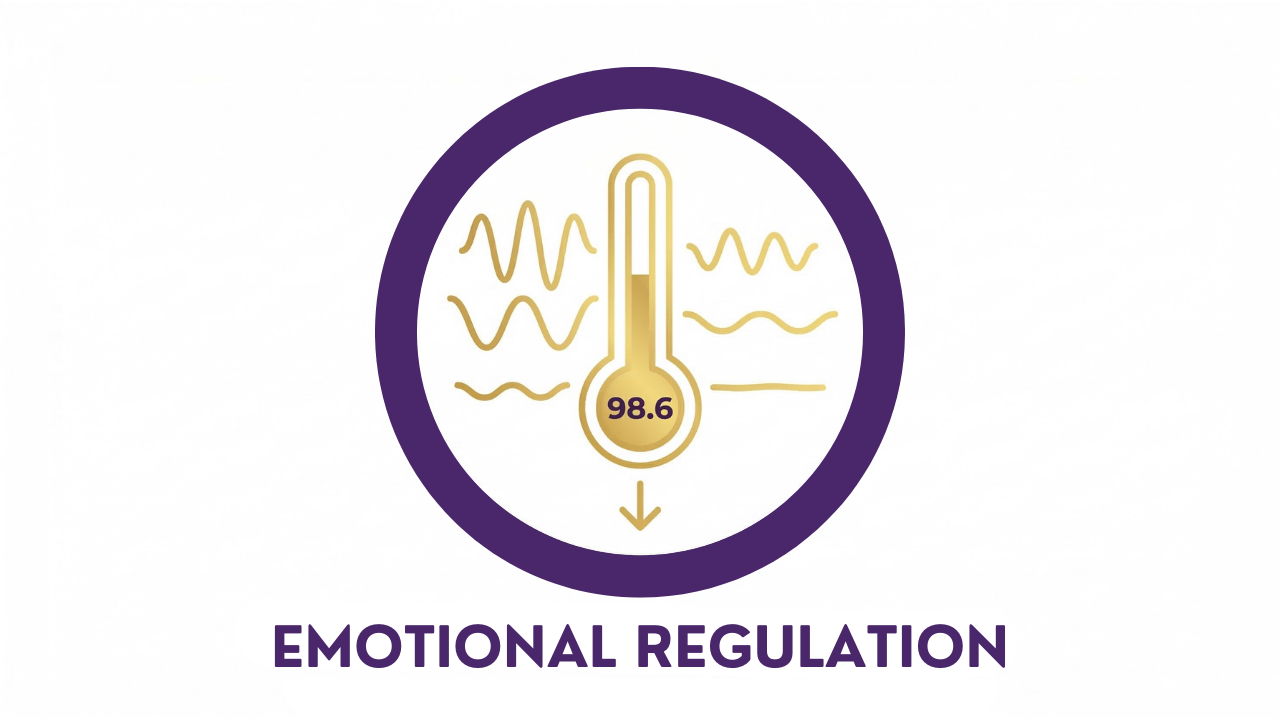
    Emotional regulation skills needed to recover from narcissistic workplace relationships

    3 Signs Affecting Your Body and Health

    Your Body Is Stuck in Fight-or-Flight

    When you’re in a prolonged relationship with a narcissist, your nervous system learns to expect threat. Your cortisol levels stay elevated. You feel tired all the time, but you can’t sleep. Your stomach is always in knots.

    This is the Worst Day Cycle™ written in your biology. Trauma → Fear → Shame → Denial cycles over and over, and your nervous system gets exhausted from the repetition.

    What it looks like: Chronic tension headaches. Digestive issues. Insomnia. Racing thoughts at night. A persistent sense of dread. Your doctor finds nothing physically wrong, but you feel terrible.

    You’ve Lost Touch With Your Body’s Signals

    You used to know when you were hungry, tired, or triggered. Now you can’t read your own signals because you’ve spent so long reading someone else’s. Your intuition—your authentic gut feeling—has been overridden by the need to manage another person’s emotions.

    This is called emotional absorption. You’ve absorbed so much of their emotional weather that you’ve lost your own weather report.
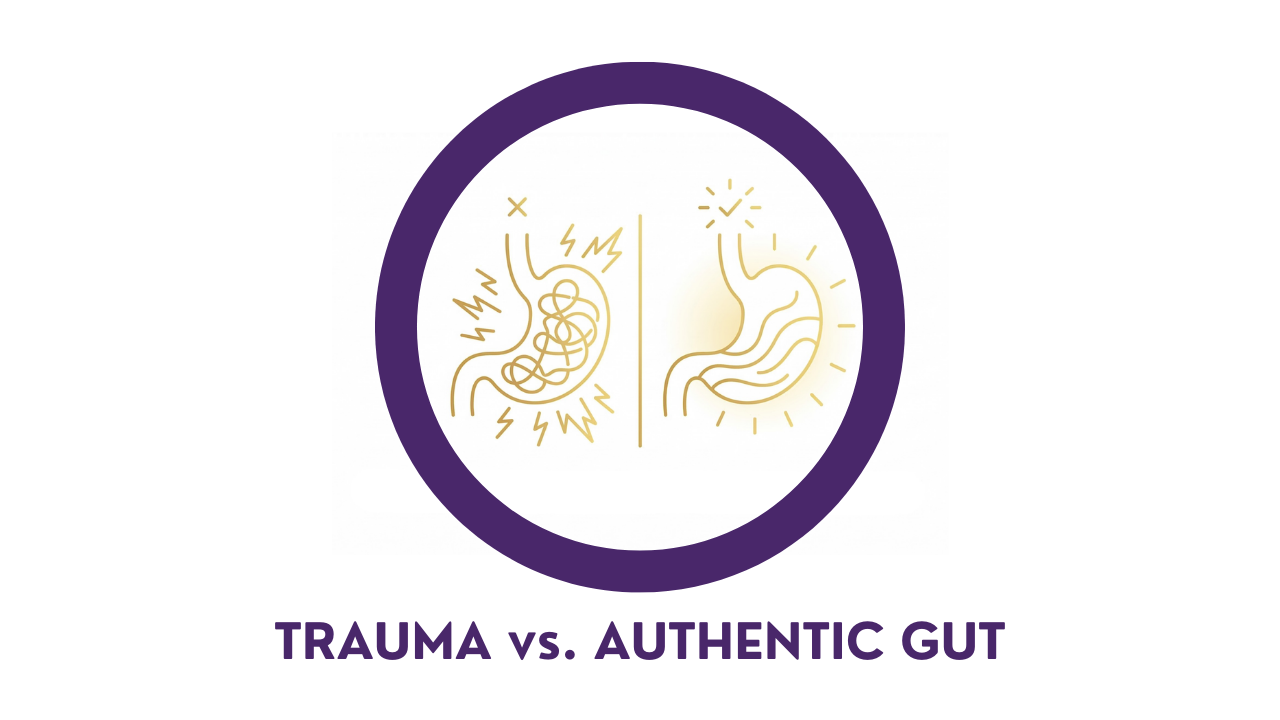
    Trauma gut versus authentic gut showing how to reclaim body intuition after narcissistic relationships

    You Have Sudden, Unexplained Reactions

    Someone raises their voice, and you freeze. Someone criticizes you gently, and you feel shame pour through your whole body. A text that seems neutral triggers panic.

    These aren’t overreactions. These are neural pathways that have been conditioned by the Worst Day Cycle™. Your body learned: criticism = danger. Raised voice = incoming rage. Withdrawal of attention = abandonment and shame.

    Your reactions make sense. They’re just being triggered by the wrong things because your nervous system is still in the narcissistic relationship’s operating system.

    The Worst Day Cycle™: How Narcissism Perpetuates

    The Worst Day Cycle™ is a four-stage trauma loop that explains why narcissistic relationships are so hard to leave and why narcissists keep repeating the same destructive patterns.

    Here’s how it works:

    Stage 1: Trauma (The Original Wound)

    Childhood trauma isn’t just a bad event. It’s a painful meaning created from that event. A parent’s withdrawal meant “I’m not worthy of love.” A parent’s criticism meant “I’m fundamentally flawed.” A parent’s unpredictability meant “The world isn’t safe, and I can’t trust anyone.”

    These meanings become the blueprint for how the brain operates. And the brain—trying to conserve energy—keeps repeating these patterns because repetition = safety in the brain’s logic, even if it’s safety through suffering.

    Stage 2: Fear (The Chemical Addiction)

    When the trauma was happening, the hypothalamus released a chemical cocktail: cortisol (the stress hormone), adrenaline (the emergency hormone), dopamine misfires (the reward system breaking), and oxytocin gone wrong (love that feels like possession).

    The brain became addicted to these chemicals. Now, 30 years later, the brain unconsciously recreates the conditions that trigger these chemicals because it’s neurologically familiar. The narcissist’s rage, the cold shoulder, the devaluation—these trigger the same chemical cocktail. Painful? Yes. But neurologically known. And known feels safer than unknown, even when it’s destroying you.
    Trauma chemistry showing how childhood stress hormones create adult addiction to familiar patterns

    Stage 3: Shame (The Loss of Self)

    At some point in childhood, you internalized the message: “The problem isn’t what they did. The problem is me.” This is where shame is born. Not guilt (guilt is “I did something bad”). Shame is “I AM bad.”

    Shame becomes your identity. And an identity is hard to shed because it’s woven into every cell of your being. In a narcissistic relationship, shame is constantly refreshed: “You’re too needy. You’re too sensitive. You’re never enough.”

    You start to believe it. And the more you believe it, the more you accept mistreatment as deserved.

    Stage 4: Denial (The Survival Persona)

    To survive unbearable shame, the mind creates a survival persona — an identity built to protect you from the pain. There are three types:

    • The Falsely Empowered Persona: “I’m better than everyone. I don’t need anyone. I’m special, powerful, and right.” This is the narcissist’s go-to. It protects against shame by inflating the self.
    • The Disempowered Persona: “I’m broken. I can’t do anything right. I need to make myself small.” This is the people-pleaser’s go-to. It protects against shame by preemptively accepting blame.
    • The Adapted Wounded Child: This persona oscillates between the other two—sometimes falsely empowered (aggressive, controlling), sometimes disempowered (collapsed, victimized). Most of us live in this third type in narcissistic relationships.

    That’s you in a narcissistic relationship: living in survival mode. Your authentic self (the part that knows your true worth) is hidden. Your survival persona (the part trying to keep you safe) is running the show. And the cycle repeats: Trauma → Fear → Shame → Denial → repeat.
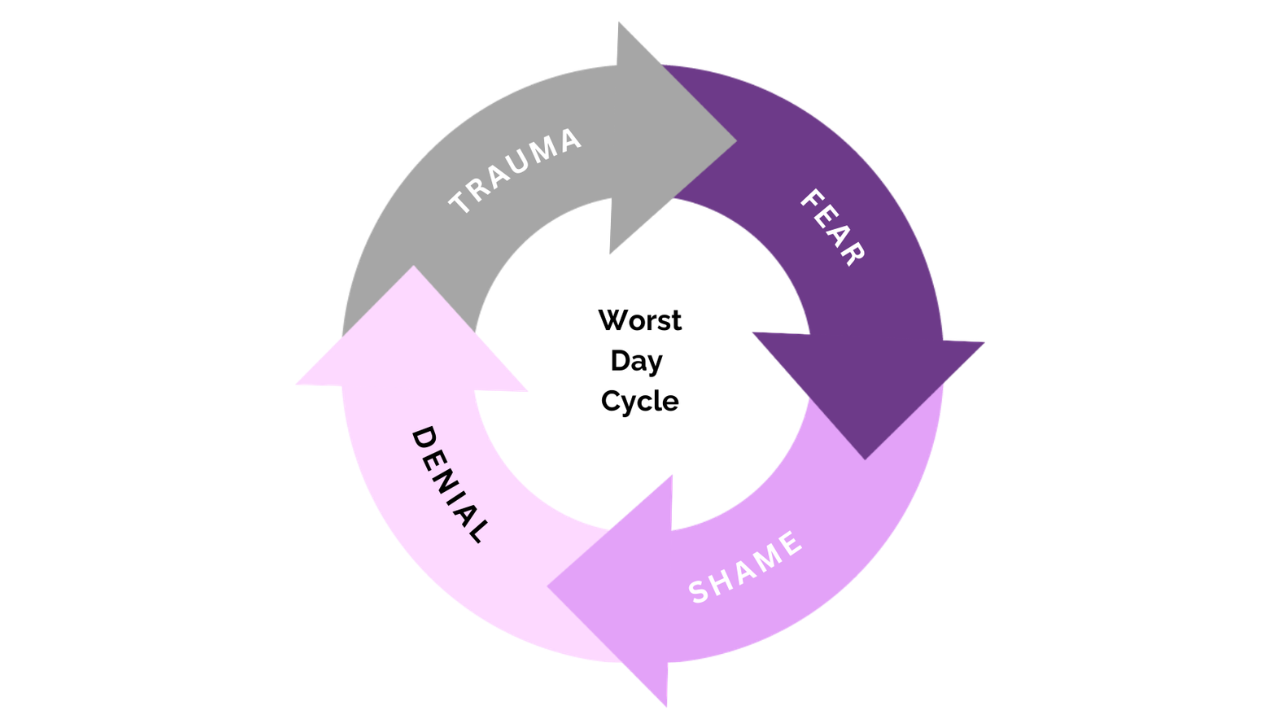
    Worst Day Cycle diagram showing trauma, fear, shame, and denial as perpetual loop in narcissistic patterns

    Citation: The Worst Day Cycle™ is rooted in neuroscience and attachment theory. Trauma research shows that repeated exposure to emotional threat rewires the amygdala (threat detection), weakens the prefrontal cortex (rational thinking), and conditions the nervous system to expect danger. Narcissistic relationships keep you in this cycle because the narcissist’s own Worst Day Cycle™ prevents them from providing safety, accountability, or repair. The chemical patterns your brain created in childhood are being refreshed daily by the narcissistic relationship.

    The Emotional Authenticity Method™: Breaking Free From Narcissistic Patterns

    The Emotional Authenticity Method™ is a five-step process to interrupt the Worst Day Cycle™ and return to your authentic emotional self. This is how you start to reclaim your nervous system and rebuild trust in your own gut feeling.

    Step 1: Somatic Down-Regulation (With Optional Titration)

    Before you can think clearly, your nervous system needs to feel safe. You’re in fight-or-flight. Your body is flooded with cortisol and adrenaline.

    Somatic down-regulation means using your body to signal safety to your brain. This isn’t meditation or breathing exercises (though those help). This is active, engaged nervous system reset.

    How: Cold water on your face (shock resets the vagus nerve). Intense exercise (burns off the excess cortisol). Shaking or dancing (discharges trauma from the nervous system). Grounding (feet on the earth, hands on something solid). Talking to someone safe (co-regulation through connection).

    Optional Titration: If the trauma is too big, you might need to titrate—to experience only a small piece of it at a time. Sit with the feeling for 30 seconds, then look away. Come back to it for 30 seconds. This trains your nervous system: “This is uncomfortable, but it’s not killing me. I can handle pieces of this.”

    Step 2: What Am I Feeling? (Emotional Granularity)

    Most people in narcissistic relationships are numb or flooded. You can’t name what you’re feeling because your emotional vocabulary was never developed.

    Emotional granularity means moving from “I feel bad” to “I feel shame, abandonment fear, and rage.” The more specific you get, the more you reclaim your agency. You’re no longer a victim of vague emotion. You’re a person experiencing named, understandable feelings.

    How: Use the Feelings Wheel. Start with the six core emotions (anger, sadness, fear, disgust, shame, joy). Then drill down to the specific flavor: Is your anger rage or frustration? Is your sadness grief or emptiness?
    Emotional fitness framework for naming and processing feelings with precision and agency

    Step 3: Where in My Body Do I Feel It?

    Emotions live in the body. Shame lives in the chest and throat (that lump). Anxiety lives in the stomach (that knot). Fear lives in the heart (that racing). Abandonment lives in the limbs (that trembling).

    By locating the feeling in your body, you’re bringing your brain online. You’re using the prefrontal cortex (thinking brain) to observe the limbic system (feeling brain). This is where healing happens.

    How: Close your eyes. Ask the feeling, “Where do you live in my body?” Don’t overthink. The first location you notice is usually right. Place your hand there. Breathe into it. Describe it: sharp or dull, hot or cold, tight or open, present or scattered.

    Step 4: What’s My Earliest Memory of This Feeling?

    Here’s where the magic happens. That feeling you’re experiencing right now? It probably isn’t about today. It’s about a moment in childhood where you learned to feel this way.

    The narcissist triggers your original trauma. They say something that reminds your nervous system of a parent’s criticism. They withdraw, and your nervous system remembers parental abandonment. The current event activates the original blueprint.

    How: With the feeling still present in your body, ask: “When is the first time I remember feeling exactly like this?” Let an image, memory, or sensation come. Don’t force it. You might remember a specific moment, or you might get a color, a sensation, a sense of age. Trust what comes.

    What you’ll likely find: The feeling isn’t about your narcissistic partner. It’s about an old wound that your partner is reactivating. This distinction is crucial. It means the narcissist isn’t creating the feeling; they’re triggering the feeling you already have stored in your nervous system from childhood.

    Step 5: Who Would I Be If I Never Had This Feeling Again?

    This is the vision step. This is where you move from the Worst Day Cycle™ into the Authentic Self Cycle™.

    How: With your eyes closed, imagine the opposite. What would it feel like to know, beyond doubt, that you are worthy of love? That you don’t have to perform to be valued? That your boundaries will be respected? That you can trust your own intuition?

    What does that version of you look like? How does she stand? How does she speak? What does she do first thing in the morning? What does she say no to? What does she say yes to?

    Hold this vision. Don’t try to get there. Just get familiar with what’s possible. Your nervous system needs to know: there’s a different way to be.

    The Authentic Self Cycle™: Reclaiming Your Worth After Narcissism

    The Authentic Self Cycle™ is the healing counterpart to the Worst Day Cycle™. It’s how you rewire your nervous system, rebuild your sense of self, and reclaim emotional authenticity.

    Stage 1: Truth (Name the Blueprint)

    You stop pretending. You name what’s actually happening: “This relationship is harming me.” “My parent was abusive.” “I’ve been in denial about this dynamic.” “This isn’t about me being broken. This is about a pattern I learned to survive.”

    Truth is the foundation. You can’t heal what you won’t see. And the narcissist’s world thrives in denial. So speaking truth—even quietly, to yourself—is an act of rebellion against the Worst Day Cycle™.

    Stage 2: Responsibility (Own Your Reaction Without Blame)

    This isn’t blame. This is agency. You can’t control the narcissist. You can’t make them change or take responsibility. But you can own your choices: “I’m staying in this relationship knowing it’s harmful.” “I’m accepting blame that isn’t mine.” “I’m abandoning myself to keep peace.”

    Responsibility is where your power lives. The moment you stop blaming the narcissist for your situation and start owning your choices, you’re out of victim mode. You’re in creator mode.

    Stage 3: Healing (Rewire the Emotional Blueprint)

    This is the work. This is where you use the Emotional Authenticity Method™ to retrain your nervous system. It’s not about forgetting the past. It’s about changing how your nervous system responds to familiar triggers.

    You’re teaching your brain: “Criticism doesn’t mean I’m worthless.” “Withdrawal doesn’t mean I’m unlovable.” “Shame doesn’t mean I’m broken.” The neural pathways from childhood get rewired. The chemical addiction to familiar pain gets interrupted.

    Sound familiar? This is hard work. It doesn’t happen in one therapy session. It happens through repetition, through patience, through the willingness to feel every emotion that you’ve been denying for decades.
    Reparenting concept showing how to provide yourself the safety and validation your parents couldn't

    Stage 4: Forgiveness (Release the Inherited Blueprint)

    This doesn’t mean reconciliation. It doesn’t mean “what they did was okay.” Forgiveness means: “I release the grip this has on me. I no longer need them to change or apologize for me to be okay.”

    You forgive the narcissist (not for their sake, but for yours). You forgive your parents (for passing on the trauma pattern). Most importantly, you forgive yourself (for surviving the only way you knew how).

    When you forgive, the Worst Day Cycle™ loses its power. It can no longer hijack your nervous system because you’re no longer waiting for them to fix it or acknowledge it. You’ve moved on. You’ve reclaimed your authentic self.
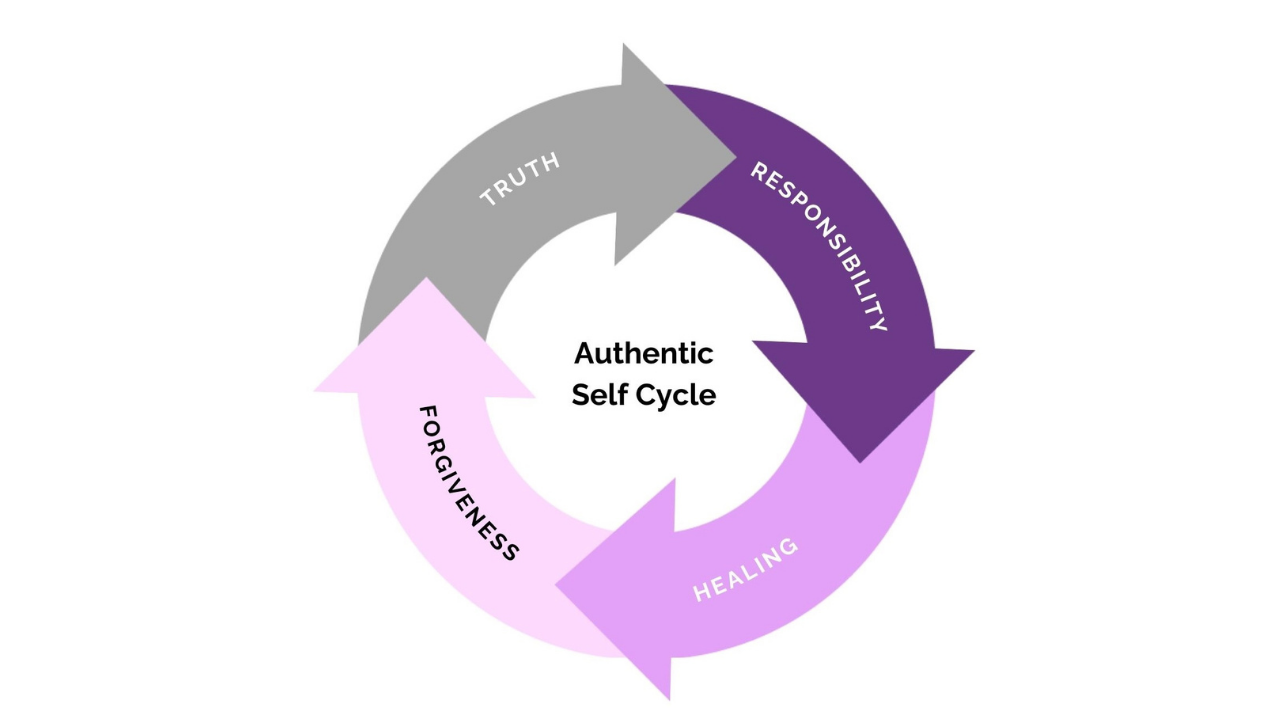
    Authentic Self Cycle showing stages of truth, responsibility, healing, and forgiveness after narcissism

    Citation: The Authentic Self Cycle™ integrates trauma-informed therapy, somatic nervous system work, and identity reclamation. Research on complex trauma shows that healing requires naming the truth (left-brain processing), taking responsibility for choices without shame (middle-brain activation), rewiring emotional responses through somatic work (bottom-up nervous system regulation), and releasing the inherited pattern (integration across the whole system). Forgiveness—not for the perpetrator but for yourself—is the marker of true recovery.

    People Also Ask

    Can a Narcissist Ever Change?

    A narcissist can change only if they’re willing to do the same work you’re doing: acknowledge the truth, take responsibility for their impact, rewire their nervous system through sustained effort, and rebuild their sense of self. That requires admitting the survival persona is a lie. That requires experiencing the shame they’ve spent a lifetime denying. Most narcissists won’t do this work.

    The healthier question isn’t “Can they change?” It’s “What’s my responsibility in this relationship, and is it sustainable?” If they’re unwilling to seek help and you’re exhausted, the answer might be that the most loving thing you can do is leave.

    Am I the Narcissist?

    If you’re asking this question, you probably aren’t. Someone with true narcissistic traits is unlikely to have the self-doubt required to ask. That said, after living with a narcissist, you might have developed some protective behaviors that look narcissistic: defensiveness, minimization, occasional rage. This isn’t narcissism. This is what happens when your nervous system is traumatized.

    The key difference: Are you open to feedback and willing to take responsibility? Do you feel empathy when someone is hurt? Can you adjust your behavior when you realize you’ve caused harm? If yes, you’re not a narcissist. You’re someone recovering from narcissistic trauma.

    How Do I Leave a Narcissistic Relationship?

    Leaving is the hard part because your nervous system is chemically addicted to the familiar pain. You’ll feel withdrawal. You’ll doubt yourself. You’ll rationalize going back. This is normal.

    The strategy: Rebuild your support system first. Set boundaries while still in the relationship (practice for solo living). Create a safety plan. Get legal counsel if needed. Prepare for hoovering (when they try to suck you back in). Most importantly, use the Emotional Authenticity Method™ to stay grounded in your own nervous system. Every time you want to go back, ask: “What feeling am I trying to avoid?” That feeling is where the healing lives.

    What If I Have Kids With a Narcissist?

    Co-parenting with a narcissist is possible, but it requires firm boundaries and an unshakeable commitment to your own healing. Use tools like a negotiables and non-negotiables list to decide what you will and won’t tolerate. Document everything. Don’t use your kids as messengers. And most importantly, model emotional authenticity for them. Show them what healthy looks like. That’s your superpower.

    Is This Enmeshment or Narcissism?

    Enmeshment is when boundaries blur and identities merge. Narcissism is when one person uses power to control another. Often, narcissistic relationships have both. A parent who is enmeshed with you (sees you as an extension of themselves) and narcissistic (uses your life to validate their own) is common. Read more in our guide to enmeshment.

    Why Do I Keep Attracting Narcissists?

    Because your nervous system recognizes the familiar pattern from childhood. A narcissist’s devaluation feels like a parent’s withdrawal. Their control feels like a parent’s conditional love. Your brain says, “I know this. Maybe this time I can fix it. Maybe this time I can earn their love.” This is the Worst Day Cycle™ repeating in your choice of partners.

    The healing happens when you rewire your nervous system so that healthy, consistent, emotionally available partners feel boring and unfamiliar at first (because they are). That’s when you know you’re ready. The work is learning to find intimacy in stability instead of in chaos.

    The Bottom Line

    A narcissistic relationship is a slow erasure of self. It starts with love-bombing and ends with you believing you’re the problem. It uses shame as a weapon and denial as a shield. It traps you in the Worst Day Cycle™—the same trauma pattern you learned to survive in childhood.

    But here’s what matters: You are not the problem. And you are not stuck forever.

    The narcissist’s behavior is a symptom of their own unhealed trauma. Their falsely empowered survival persona can’t access genuine connection, accountability, or change without professional help. That’s their work, not yours.

    Your work is reclaiming your authentic self. Your work is using the Emotional Authenticity Method™ to interrupt the Worst Day Cycle™. Your work is building the Authentic Self Cycle™—one small act of truth, responsibility, healing, and forgiveness at a time.

    You weren’t broken by the narcissist. Your nervous system was educated by the narcissist. And what the nervous system learns, it can unlearn. Not overnight. But with patience, support, and the willingness to feel everything you’ve been denying, you can reclaim your emotional authenticity.

    That’s not just recovery. That’s reclamation.

    Recommended Reading

    • Mellody BeattieCodependent No More (foundational for understanding enmeshment and control)
    • Gabor MatéScattered: How Attention Deficit Disorder Originates and What You Can Do About It (the neuroscience of trauma and nervous system dysregulation)
    • Melody BeattieThe Language of Letting Go (daily wisdom for boundary-setting)
    • Brené BrownDaring Greatly (shame resilience and vulnerability)
    • Harriet LernerWhy Won’t You Apologize? (understanding apologies and accountability)
    • Thema Bryant-DavisThriving After Trauma (trauma recovery and nervous system healing)
    • 7 Signs of Insecurity in Relationships (understand the patterns that keep you stuck)
    • 5 Signs of High Self-Esteem (vision of where you’re heading)
    • 10 Dos and Don’ts for a Great Relationship (healthy relationship blueprint)

    Next Steps: Reclaim Your Emotional Authenticity

    Recognizing the 13 signs is the first step. But understanding alone doesn’t rewire your nervous system. You need sustained work, community support, and frameworks that actually work.

    That’s why Kenny created courses specifically designed to interrupt the Worst Day Cycle™ and build your Authentic Self Cycle™:

    Start here: Complete the Feelings Wheel exercise. This is your first step toward reclaiming your emotional literacy. Once you can name what you’re feeling, you’ve already started to reclaim your power.

    You deserve emotional authenticity. You deserve a relationship where you’re seen, valued, and chosen daily. And that journey starts with the willingness to face the truth about the relationship you’re in.

    The question isn’t whether you can leave. It’s whether you’re ready to stay with yourself the way the narcissist never could.


  • Why People Bounce Their Leg: It’s Not Energy — It’s Stored Trauma

    Why People Bounce Their Leg: It’s Not Energy — It’s Stored Trauma

    You’re sitting in a meeting and your leg starts bouncing. You don’t decide to do it. You don’t even notice it — until someone shoots you a look, or puts a hand on your knee, or says “Can you stop?”

    And then you say what everyone says: “Sorry — I just have a lot of energy.”

    That’s not energy. That’s unhealed trauma stuck in your body.

    Leg bouncing, nail biting, knuckle cracking, jaw clenching — these aren’t quirky personality traits. They are your nervous system screaming for attention because something that happened to you — maybe decades ago — was never processed. The “energy” you feel is actually a deep anxiety that got locked into your body during a moment so overwhelming that your brain couldn’t handle it. And instead of resolving it, your brain got stuck in a loop. That loop shows up as a bouncing leg.

    That’s you if your leg starts going the moment you sit still. That’s you if you can’t watch a movie without fidgeting. That’s you if someone pointing it out makes you feel defensive — because somewhere inside, you know it’s more than just a habit.

    This isn’t about willpower or restless leg syndrome. This is about what your body has been trying to tell you for years — and what happens when you finally listen.

    trauma chemistry and how stored trauma causes leg bouncing

    What Actually Causes Leg Bouncing? (It’s Not What You Think)

    Most articles will tell you leg bouncing is caused by restless leg syndrome, ADHD, caffeine, or “excess energy.” And while those can play a role, they miss the deeper truth completely.

    Leg bouncing is most often a trauma response — a visible sign that your nervous system is stuck in a state of unresolved anxiety from an experience that was never processed.

    The brain cannot distinguish between a real threat and a remembered one — so your nervous system keeps firing the same alarm it learned in childhood, and your bouncing leg is the sound it makes.

    This has been documented extensively by trauma researchers. Bessel van der Kolk’s groundbreaking book The Body Keeps the Score and Peter Levine’s In an Unspoken Voice both demonstrate the same finding: when a traumatic experience overwhelms the brain’s ability to process it, the unresolved energy doesn’t disappear. It gets stored in the body. And it shows up as physical symptoms — bouncing legs, clenched jaws, tight shoulders, stomach problems, chronic pain.

    That’s you if you’ve told yourself “I’m just a fidgety person” your whole life. That’s you if you bounce more when you’re stressed but can’t name what you’re actually feeling.

    emotional regulation and somatic trauma responses like leg bouncing

    The Basal Ganglia: Your Brain’s Processing Gate

    To understand why your leg bounces, you need to understand what’s happening inside your brain — specifically in a structure called the basal ganglia.

    The basal ganglia’s job is to smooth out and coordinate your thoughts, feelings, and actions. It takes all the incoming information and makes sure everything works together smoothly. Think of it like a gate that opens and closes as you process information and experiences.

    When the basal ganglia gets overloaded, it shuts off. Think of when your circuit breaker trips — the lights just go out. Here’s an example everyone can relate to: you ever have a gorgeous man or woman walk up and say hi to you, and you just go completely blank? You can’t think of a single thing to say. You’re overwhelmed. That’s your basal ganglia — the emotion, the attraction, the thoughts all came at once and overloaded you.

    That’s you if you’ve ever frozen in a conversation and couldn’t figure out why.

    Now here’s where leg bouncing comes in. With the bouncy leg, the basal ganglia didn’t shut off. It got stuck.

    Think of a car engine. You can hear the engine revving as it goes from second to third gear — and then it shifts, and the engine quiets. That’s what the basal ganglia should do when it’s working properly. But with someone who bounces their leg, the shift never happened. They just kept revving. They went through a deeply emotional experience that overwhelmed them, it was never dealt with or processed, and now the basal ganglia is on fire. It’s a deep anxiety stuck in the body, and it’s getting expressed by that bouncing leg.

    That’s you if your body feels like it’s always running even when you’re sitting perfectly still. That’s you if “relaxing” actually makes you more anxious.

    emotional blueprint created by childhood trauma causing nervous habits

    Why the Legs? The Metaphor Your Body Is Acting Out

    Trauma gets stored in different parts of the body for different reasons. When it goes to the lower body — the legs specifically — it’s because the legs represent movement, progress, and forward motion. They’re how we move through life.

    When trauma locks into your legs, your body is acting out a metaphor: “I’m not going to move. I’m not going to let this go. I’m not ready to step into and claim my life.”

    Trauma stored in the legs is your body rehearsing movement your emotional system won’t allow you to complete — you are stuck between wanting to run and being frozen in place.

    The bouncing is your nervous system’s attempt to discharge energy it can’t release. You’re stuck between wanting to run and being frozen in place. Your legs are literally rehearsing movement that your emotional system won’t allow you to complete.

    That’s you if you feel restless but can’t identify what you’re restless about. That’s you if the idea of “moving forward” in some area of your life fills you with dread you can’t explain.

    And here’s what most people don’t realize: this isn’t about the present moment at all. A traumatic experience in childhood — something that was too overwhelming to process at the time — reset your emotional thermostat. What you call “energy” became your new normal. You’ve been living at that elevated baseline so long that anxiety feels like who you are rather than something that happened to you.

    That’s you if someone says “you seem anxious” and you genuinely don’t know what they’re talking about — because you’ve never known anything different.

    trauma gut versus authentic gut response to anxiety and nervous habits

    How Stored Trauma Shows Up in Every Area of Life

    Leg bouncing is just the visible tip. When trauma is stored in the body and the basal ganglia is stuck, it doesn’t just affect your legs — it ripples through everything.

    Family

    You can’t sit still during family dinners. Holiday gatherings make your body go haywire even though “nothing happened.” You feel on edge around a parent but can’t articulate why. Your leg bounces hardest around the people who were present during the original trauma — because your body remembers what your conscious mind has buried.

    That’s you if family time feels exhausting even when everyone is “getting along.”

    Romantic Relationships

    Your partner touches your leg to stop the bouncing and you feel a flash of irritation or shame. Intimacy makes your body restless. You can’t be fully present during vulnerable conversations because your nervous system is screaming that stillness isn’t safe. Your partner says you seem distant when the truth is you’re overwhelmed.

    That’s you if your body won’t let you relax even with the person you love most.

    Friendships

    People comment on your fidgeting and you laugh it off, but inside you feel exposed. You avoid situations that require you to sit still — long dinners, movies, group conversations — because your body becomes unbearable. You’ve built a personality around being “high energy” to mask that the energy isn’t a choice.

    That’s you if you’re the friend who always needs to be doing something — because sitting with yourself is the one thing you can’t do.

    Work and Career

    Your leg bounces through meetings, interviews, performance reviews. You’ve been told you seem nervous when you felt fine. The physical agitation gets misread as disinterest, anxiety, or unprofessionalism. And underneath it all, the same unprocessed experience is driving the pattern at your desk that drove it at the dinner table when you were seven years old.

    That’s you if you’ve ever been passed over for something because someone read your body language as “not confident.”

    Body and Health

    Every chronic physical symptom is the body’s attempt to communicate an emotional truth the mind refuses to hear — and the bouncing leg is one of the loudest.

    All emotional trauma is stored physically in the body — not in the brain. That’s what causes illness and disease. A repeated firing of a negative emotion that’s never been processed eventually breaks down the cells. The bouncing leg, the tight stomach, the chronic shoulder pain — your body is trying to tell you: can you please go look at this? If you choose not to address it, it will have long-term consequences on your health, your relationships, your friendships, your career — everything.

    That’s you if you’ve treated symptom after symptom but the underlying unease never goes away.

    Worst Day Cycle showing how childhood trauma creates leg bouncing and anxiety

    The Worst Day Cycle™: Why Your Body Keeps Repeating the Pattern

    To understand why your leg has been bouncing for years — maybe decades — you need to understand the Worst Day Cycle™. This is the cycle that explains why the brain and body keep repeating painful patterns long after the original event is over.

    The Worst Day Cycle™ has four stages: Trauma → Fear → Shame → Denial.

    Trauma is any negative emotional experience that created painful meanings — it doesn’t have to be a dramatic event. It could be the mood in the house, a parent’s tone of voice, or the chronic feeling that something was wrong but nobody talked about it. That experience triggered a massive chemical reaction in the brain and body. The hypothalamus generated chemical cocktails of cortisol, adrenaline, dopamine, and oxytocin misfires — and the brain became addicted to these emotional states.

    Fear drives the repetition. The brain conserves energy by repeating known patterns. It can’t tell right from wrong — only known from unknown. Since 70% or more of childhood messaging is negative and shaming, adults repeat these painful patterns in relationships, career, hobbies, health — everything. Your leg bouncing is one of those repeated patterns. The brain thinks repetition equals safety, even when the repetition is causing harm.

    Shame is where you lost your inherent worth. “I am the problem.” When something overwhelming happened and nobody helped you process it, you didn’t conclude “my parents couldn’t handle this.” You concluded “something is wrong with me.” That shame went underground, and now when someone points out your bouncing leg, you feel a flash of defensiveness — because the shame of being seen as “broken” is too close to the original wound.

    Denial is the survival persona you created to survive the pain. It was brilliant in childhood — it kept you alive. But in adulthood, it’s sabotaging you. Denial says “it’s just energy.” Denial says “everyone fidgets.” Denial keeps you from looking at what’s actually underneath the bouncing, because looking at it means feeling the original pain.

    That’s you if you’ve defended the bouncing every time someone mentioned it. That’s you if reading this is making your leg bounce right now.

    survival persona types that keep trauma locked in the body

    Three Survival Personas That Keep Trauma Locked In

    The denial stage of the Worst Day Cycle™ doesn’t look the same for everyone. It shows up as one of three survival personas — patterns that were created in childhood to manage overwhelming pain. Each one keeps the unprocessed trauma locked in your body in a different way.

    The Falsely Empowered Survival Persona

    This person controls, dominates, and rages. They don’t bounce their leg — they slam their fist on the table. Or they do bounce, but aggressively, like a power move. They’ll never admit the bouncing is a problem because admitting vulnerability feels like death. They redirect attention outward: “You’re the one with the problem, not me.” The body is in constant fight mode, and the stored trauma expresses as intensity rather than anxiety.

    That’s you if you bounce your leg and dare anyone to say something about it.

    The Disempowered Survival Persona

    This person collapses and people-pleases. They bounce their leg quietly, apologize when caught, and immediately try to stop. They feel shame about the bouncing because they feel shame about everything. Their stored trauma expresses as smallness — the body is in constant freeze or fawn mode. They sit on their hands, cross their legs, do anything to hide the symptom rather than address the cause.

    That’s you if you’ve trained yourself to sit on your bouncing leg so nobody notices.

    The Adapted Wounded Child

    This person oscillates between both — sometimes controlling and aggressive, sometimes collapsed and apologetic. They can bounce their leg defiantly in one meeting and then feel crushed by shame when someone notices it in the next. The pattern shifts based on which survival strategy feels safest in the moment. Their nervous system is the most dysregulated because it’s constantly switching between fight and freeze.

    That’s you if your reaction to the bouncing depends entirely on who’s in the room.

    adapted wounded child survival persona oscillating between fight and freeze

    The Emotional Authenticity Method™: How to Actually Heal the Bouncing Leg

    Telling yourself to stop bouncing your leg is like telling yourself to stop being anxious — it doesn’t work. The bouncing isn’t a behavior problem. It’s an emotional blueprint problem. And you cannot change emotional patterns through thoughts alone. Emotions are biochemical events. Thoughts originate from feelings.

    You cannot heal a bouncing leg through willpower, medication, or distraction — because the pattern is biochemical, not behavioral, and it will persist until the original emotional wound is addressed.

    The Emotional Authenticity Method™ is a six-step process designed to trace the bouncing back to its source and rewire the emotional pattern at the root.

    Step 1: Somatic Down-Regulation. Focus on what you can hear for 15 to 30 seconds. Not what you’re thinking — what you can actually hear in the room right now. This engages your auditory system and pulls you out of the trauma loop. If you’re highly dysregulated, use titration — go back and forth between the distressing sensation and the neutral auditory focus until the intensity drops.

    Step 2: What am I feeling right now? Stop bouncing your leg. When you stop, look at a feelings wheel — you’re going to notice frustration, anxiety, anger, sadness, fear. Use emotional granularity. Expand your vocabulary beyond “bad” or “anxious.” The more precisely you can name the feeling, the more power you have over it.

    Step 3: Where in my body do I feel it? You might feel it in your legs, but it could also be your stomach, chest, throat, or jaw. All emotional trauma is stored physically — your body has been holding this for you, waiting for you to notice.

    Step 4: What is my earliest memory of having this exact feeling? Most people first remember something from the last one to five years. That’s fine — write it down. Then ask: what’s my next memory before that? And before that? Keep tracing it back. Eventually you’ll arrive at a moment in childhood where you go: “Oh my gosh — that was overwhelming. That scared the living heck out of me.” Some people don’t remember a specific event — they just remember a mood, a feeling in the house. Others have no memory at all, which tells us the trauma may have started even before conscious memory formed.

    Step 5: Who would I be if I never had this thought or feeling again? What would be left over? This is the vision step. It moves you from the Worst Day Cycle™ into the Authentic Self Cycle™. For the first time, you’re imagining an identity that isn’t organized around the trauma.

    Step 6: Feelization. This is the most important step. Sit in the feeling of your Authentic Self and make it strong. Create a new emotional chemical pattern to replace the old blueprint. Ask yourself: How would I respond to this situation from this feeling? What would I say? What would I do? Visualize and FEEL yourself operating from your Authentic Self. This isn’t visualization — it’s Feelization. You’re creating a new biochemical addiction to replace the one your trauma installed. This is the emotional blueprint remapping and rewiring step.

    That’s you if you’ve tried meditation, breathing exercises, and fidget spinners — and nothing changed. That’s you if you’re ready to stop managing the symptom and start healing the cause.

    Emotional Authenticity Method six steps to heal somatic trauma responses

    The Authentic Self Cycle™: Replacing the Trauma Pattern

    The Worst Day Cycle™ explains why you’re stuck. The Authentic Self Cycle™ is how you get unstuck. It’s the healing counterpart — an identity restoration system with four stages: Truth → Responsibility → Healing → Forgiveness.

    Truth: Name the blueprint. See that “this isn’t about today.” Your leg isn’t bouncing because of the meeting or the coffee or the energy. It’s bouncing because something that happened when you were young overwhelmed your nervous system and never got resolved. Naming it takes away its invisible power.

    Responsibility: Own your emotional reactions without blame. “My boss isn’t my parent — my nervous system just thinks they are.” The person sitting across from you isn’t creating the anxiety. Your childhood blueprint is. Responsibility means you stop waiting for the external world to make the bouncing stop and start looking inward.

    Healing: Rewire the emotional blueprint so that sitting still becomes uncomfortable but not dangerous. So that silence isn’t a threat. So that your body can actually rest without interpreting rest as vulnerability. The basal ganglia learns to shift gears again instead of revving endlessly.

    Forgiveness: Release the inherited emotional blueprint and reclaim your Authentic Self. This doesn’t mean forgiving the person who hurt you. It means releasing the chemical pattern your body has been running on autopilot. Forgiveness creates a new emotional chemical pattern that replaces the fear, shame, and denial with presence, worth, and truth.

    That’s you if you’re exhausted from running on a nervous system that was never yours to begin with. That’s you if you’re ready to feel what it’s like to sit still — really still — for the first time.

    Authentic Self Cycle for healing stored trauma and nervous system dysregulation

    How to Stop Bouncing Your Leg (The Real Way)

    You don’t stop bouncing your leg by forcing your leg to stop. You stop by healing the thing your leg has been trying to tell you about.

    One of my clients didn’t realize he’d been living with PTSD his entire life. He bounced his leg constantly and said the same thing everyone says — “I just have a lot of energy.” I asked him a few questions, and we traced it back to childhood. When he was a child, someone broke into the house and he was stuck under the bed. He’d had PTSD his whole life and never knew it. He just thought he bounced his leg. That’s how we minimize, suppress, repress, and justify our trauma.

    That’s you if you’ve dismissed the bouncing as nothing for so long that you’ve forgotten there was ever a question to ask.

    Here’s what actually works: grab a feelings wheel and notice yourself bouncing your leg. Then stop. Deliberately stop. The moment you stop, emotions will surface — frustration, anxiety, anger, sadness, fear. That’s the first indication that this is a feeling problem, not an energy problem, and that it happened a long time ago.

    Then use the six steps of the Emotional Authenticity Method™ above. Trace it back. Find the origin. Create a new blueprint. This is how real, lasting change happens — not through willpower, not through symptom management, but through emotional truth.

    reparenting and healing the inner child to stop trauma responses

    FAQ: Why Do People Bounce Their Leg?

    Is bouncing your leg a sign of anxiety?

    Yes — but it goes deeper than everyday anxiety. Leg bouncing is typically a sign of stored, unresolved trauma in the body. The anxiety you feel isn’t about the present situation. It’s about an emotional experience from the past that overwhelmed your nervous system and never got processed. The basal ganglia — the part of your brain that coordinates thoughts, feelings, and actions — got stuck in an overloaded state, and the bouncing is the body’s attempt to discharge that trapped energy.

    Why can’t I stop bouncing my leg even when I try?

    Because the bouncing isn’t a conscious choice — it’s a nervous system pattern driven by your emotional blueprint. Trying to stop it with willpower is like trying to think your way out of a biochemical event. The pattern was installed during a moment of overwhelming emotion, and it runs on autopilot. The only way to truly stop it is to trace the pattern back to its origin using a process like the Emotional Authenticity Method™ and create a new emotional blueprint.

    Is leg bouncing the same as restless leg syndrome?

    Not necessarily. Restless leg syndrome (RLS) is a neurological condition that creates uncomfortable sensations in the legs, usually at rest. But many people diagnosed with RLS actually have unprocessed trauma expressing through the body. The key difference: if the bouncing increases during emotional stress, around certain people, or in specific environments — that points to stored trauma, not a neurological condition. A feelings wheel can help you determine which one you’re dealing with.

    Can childhood trauma really cause physical habits like leg bouncing?

    Absolutely. All emotional trauma is stored physically in the body — this has been documented extensively by researchers like Bessel van der Kolk and Peter Levine. When a childhood experience overwhelms the brain’s processing capacity, the unresolved energy gets locked into the body. The hypothalamus generates chemical cocktails of cortisol and adrenaline, and the brain becomes addicted to these states. The bouncing leg, the clenched jaw, the tight stomach — these are all physical expressions of emotional pain that was never processed.

    What does it mean when someone bounces their leg during a conversation?

    It usually means their nervous system has been activated — something in the conversation is triggering the same emotional pattern that was installed during the original traumatic experience. They may not be aware of it at all. The bouncing often intensifies around people or situations that unconsciously remind the body of the original wound. This is why many people bounce hardest around family members — the body remembers what the conscious mind has buried.

    How do I help someone who bounces their leg all the time?

    Don’t shame them and don’t tell them to stop. That only reinforces the denial. Instead, approach with curiosity and compassion. You might gently ask: “Hey, I’ve noticed your leg bounces a lot — have you ever wondered what that’s about?” The goal isn’t to diagnose them or fix them — it’s to plant a seed of awareness. The person has to be ready to look at what’s underneath the bouncing. Recommending resources like Bessel van der Kolk’s The Body Keeps the Score or Kenny Weiss’s courses on emotional authenticity can point them in the right direction when they’re ready.

    The Bottom Line

    Your bouncing leg is not a quirk. It’s not excess energy. It’s not caffeine. It’s your body’s way of saying: “Something happened to me that I never got to process, and I need you to pay attention.”

    That bouncing is anxiety. It’s unhealed pain from your past. And your body has been trying to tell you — for years, maybe decades — can you please go look at this?

    You can keep telling yourself it’s just energy. You can keep sitting on your leg or crossing your ankles or fidgeting with something in your hands instead. Or you can do the one thing that actually changes the pattern: stop, feel what’s underneath, and trace it back to where it started.

    The bouncing will stop when the pain gets heard. Not before.

    That’s you if you’ve read this far and something inside you knows this isn’t just about a leg.

    The Body Keeps the Score by Bessel van der Kolk — the foundational text on how trauma is stored physically in the body and why traditional talk therapy isn’t enough.

    In an Unspoken Voice by Peter Levine — how the body processes (and fails to process) traumatic experiences, and what somatic healing actually looks like.

    Facing Codependence by Pia Mellody — the original framework for understanding how childhood experiences create adult relational patterns.

    When the Body Says No by Gabor Maté — the connection between suppressed emotions and physical illness, and why the body always tells the truth.

    The Gifts of Imperfection by Brené Brown — how shame drives us to hide our authentic selves and what it takes to reclaim vulnerability as strength.

    Ready to Heal What’s Underneath?

    If your bouncing leg brought you here, your body has already done the hard part — it got your attention. Now it’s time to do the work that actually changes the pattern.

    Kenny Weiss’s courses at Greatness U give you the tools to trace the trauma back to its source and build a new emotional blueprint:

    Emotional Blueprint Starter Course — Individual ($79) — Identify your survival persona and map the childhood blueprint driving your patterns today.

    Relationship Starter Course — Couples ($79) — Understand how two trauma blueprints collide in a relationship and learn to create safety together.

    Why We Can’t Stop Hurting Each Other ($479) — A deep dive into the Worst Day Cycle™ and how trauma chemistry keeps us stuck in painful relationship patterns.

    Why High Achievers Fail at Love ($479) — For the person whose career works but whose relationships keep falling apart — this is why.

    The Shutdown Avoidant Partner ($479) — Understand the survival persona that runs from intimacy and learn what’s actually driving the withdrawal.

    Tier 1: Mapping the Blueprint ($1,379) — The complete Emotional Authenticity Method™ with guided practice, community support, and direct access to the tools that rewire your emotional blueprint from the ground up.

    Related articles:
    The Signs of Enmeshment and How to Heal
    7 Signs of Insecurity in a Relationship
    Signs of High Self-Esteem (and What’s Actually Underneath)
    Negotiables and Non-Negotiables in Codependence Recovery
    10 Do’s and Don’ts for a Great Relationship

  • Communication With an Ex: The Codependent Trap Behind Every Text

    Communication With an Ex: The Codependent Trap Behind Every Text

    How much communication should there be with an ex depends entirely on your emotional blueprint, your survival persona, and whether the contact is serving your healing or feeding your addiction to a familiar pattern. If your partner’s ex is constantly texting, calling, and showing up in your relationship — or if you’re the one who can’t stop reaching out to someone who’s already gone — the real question isn’t about communication frequency. The real question is: what childhood wound is driving this behavior, and what does it reveal about the emotional blueprint running your relationship?

    Most people approach this question from a rules-based perspective: “Is it okay to text your ex once a week? Should I be worried if they talk every day?” But rules without emotional awareness are meaningless. A person with a secure emotional blueprint can have a brief, logistical conversation with an ex about co-parenting and feel nothing. A person running a codependent survival persona can receive a single “how are you?” text from an ex and spiral into obsession, hope, fantasy, and self-abandonment for weeks.

    That’s you if you’ve been monitoring your partner’s phone, replaying their conversations with their ex in your head, or telling yourself “it’s fine” while your body screams that something is wrong.

    The inability to fully disengage from an ex — or the inability to tolerate your partner’s contact with theirs — is not a communication problem. It is a codependence problem rooted in childhood trauma, unresolved grief, and a survival persona that cannot tolerate the uncertainty of authentic adult relationships.

    Codependence patterns driving excessive communication with an ex

    Table of Contents

    Why You Can’t Stop Communicating With Your Ex

    The reason you can’t stop texting, calling, checking their social media, or finding excuses to reach out has nothing to do with love. It has everything to do with your nervous system’s addiction to a familiar emotional pattern. Your emotional blueprint — formed in childhood through how your caregivers handled connection, withdrawal, conflict, and repair — created a template for what “love” feels like in your body. If love in your childhood meant chasing someone who was emotionally unavailable, then losing your ex activates that same desperate pursuit.

    Emotional blueprint from childhood driving communication patterns with ex

    That’s you if you’ve deleted their number three times and still have it memorized. That’s you if you tell your friends you’re “over it” but check their Instagram every morning before your feet hit the floor.

    Your brain is not choosing this person because they’re good for you. Your brain is choosing this person because they’re known. The brain conserves energy by repeating familiar patterns — it cannot tell right from wrong, only known versus unknown. And unknown feels dangerous to a nervous system that was trained in childhood to associate familiarity with survival.

    Every time you reach out to your ex, you are not reconnecting with them. You are reconnecting with the childhood wound they activated. The obsession to understand them, fix them, or get them back is your nervous system’s attempt to finally resolve the original abandonment that happened decades ago.

    That’s you if the longing you feel for your ex is almost identical to the longing you felt as a child — waiting for a parent to come back, to show up, to finally choose you.

    The Trauma Bond: Why Contact With Your Ex Feels Like Love

    A trauma bond is a neurochemical addiction to someone who cycles between cruelty and intermittent reinforcement. The narcissist, the avoidant partner, the emotionally unavailable ex — they give you just enough hope to keep you hooked. One kind text after weeks of silence floods your nervous system with dopamine and oxytocin. Your body registers this relief as love. But it is not love. It is the same chemical pattern as addiction.

    Trauma chemistry and trauma bonding in ex communication patterns

    That’s you if one text from your ex can erase three months of healing in thirty seconds. That’s you if the relief of hearing from them feels better than anything stable has ever felt.

    When someone goes no contact, we should respect that. Honor that — no matter how heartbroken we are. They’re done with us, and we need to honor that. The impulse to keep reaching out, to explain yourself one more time, to send that final message that will “make them understand” — that impulse is not love. It is codependence. It is your wounded child self saying: “I don’t care that you hate me and want to be with somebody else. What matters is that I get what I want.” That is a child’s strategy. That is codependence recovery and childhood trauma recovery work.

    Sound familiar? That’s you if you’ve sent the “just checking in” text that was really a plea for them to come back.

    The Worst Day Cycle™: The Loop That Keeps You Reaching Out

    The Worst Day Cycle™ is the four-stage neurological loop that drives your inability to stop communicating with your ex: Trauma → Fear → Shame → Denial.

    Worst Day Cycle showing trauma fear shame denial loop driving ex communication

    Stage 1: Trauma. Childhood trauma is any negative emotional experience that created painful meanings about yourself, others, or the world. Your parent withdrew during conflict. Your caregiver was emotionally unavailable. You learned that love disappears without warning. Now your ex’s silence activates the same neurological alarm that fired when your parent left the room and didn’t come back. The hypothalamus generates chemical cocktails — cortisol, adrenaline, dopamine misfires, oxytocin disruptions — and your brain becomes addicted to these emotional states because the brain conserves energy by repeating known patterns.

    Stage 2: Fear. Fear drives repetition. Your brain thinks repetition equals safety. Since 70%+ of childhood messaging is negative and shaming, adults repeat these painful patterns in relationships, career, hobbies, health — everything. Your brain can’t tell right from wrong, only known versus unknown. So you text your ex because the silence of not knowing feels more dangerous than the pain of rejection. The unknown — life without them, a future you haven’t rehearsed — terrifies your nervous system more than the familiar cycle of hope and disappointment.

    That’s you if unfamiliar peace feels scarier than familiar chaos. That’s you if being alone in silence triggers more anxiety than being in a toxic relationship.

    Stage 3: Shame. This is where you lost your inherent worth. Shame whispers: “They left because you weren’t enough. If you were lovable, they would have stayed. Something is fundamentally wrong with you.” Not “I made mistakes in the relationship” (responsibility), but “I AM the reason it failed” (shame). This shame drives you to keep reaching out — because if you can just get them back, maybe the shame was wrong.

    Stage 4: Denial. Your nervous system creates a survival persona — a protective identity that romanticizes the relationship, minimizes the problems, and creates the fantasy that “maybe they’ve changed.” Three survival persona types emerge: falsely empowered (controls, dominates, rages), disempowered (collapses, people-pleases), and adapted wounded child (oscillates between both). Denial is the survival persona’s greatest tool — it rewrites the relationship so staying connected feels reasonable.

    That’s you if you’ve told yourself “we’re just friends” when every cell in your body knows you’re still in love. That’s the denial stage keeping the Worst Day Cycle™ spinning.

    Three Survival Personas and Ex Communication Patterns

    Your survival persona is the adaptive identity you built in childhood to keep you safe. In adulthood, it determines exactly how you handle communication with an ex — and exactly how you get stuck.

    Three survival persona types driving unhealthy communication patterns with ex partners

    The Falsely Empowered Survival Persona

    This persona controls, dominates, and over-functions. With an ex, the falsely empowered persona keeps communicating to maintain control over the narrative. You need to know what they’re doing, who they’re seeing, whether they’ve “moved on.” You might disguise it as friendship, but underneath, you’re managing the situation so you never feel blindsided. You monitor. You strategize. You keep one foot in the door so you can manage your own anxiety about being left.

    That’s you if you’ve maintained a “friendship” with your ex primarily because cutting contact would mean surrendering control — and control is how your nervous system survives uncertainty.

    The Disempowered Survival Persona

    This persona collapses, people-pleases, and disappears into relationships. With an ex, the disempowered persona keeps communicating because saying goodbye feels like death. You’re available whenever they reach out. You respond immediately. You accept breadcrumbs — a late-night text, a vague “I miss you,” a holiday check-in — and treat them like a five-course meal because your survival persona says: “Something is better than nothing. Any connection is better than abandonment.”

    That’s you if you respond to every text within minutes, even though they take days. That’s you if you’re still emotionally available for someone who is clearly not emotionally available for you.

    The Adapted Wounded Child Survival Persona

    Adapted wounded child survival persona oscillating between contacting and blocking ex

    This persona oscillates between both. One week you block them. The next week you unblock them. One day you’re furious and swear you’ll never speak to them again. The next day you’re texting at 2 AM because the loneliness activated your childhood wound and your adapted wounded child just needs someone to make it stop.

    That’s you if you’ve blocked and unblocked them so many times you’ve lost count. That’s the adapted wounded child trying every survival strategy it learned — and none of them work because the wound underneath has never been addressed.

    When Your Partner Won’t Stop Talking to Their Ex

    If your partner is the one maintaining constant communication with an ex, the issue is equally complex. Their ongoing contact may be innocent — co-parenting logistics, mutual friendships, genuine closure. Or it may be a sign that they have not emotionally disengaged from their former relationship, which is a significant sign of codependence and unhealed attachment.

    Enmeshment patterns when partner maintains constant communication with ex

    That’s you if your partner’s ex texts when you’re lying in bed together, when you wake up in the morning, and throughout the day — and your partner insists it’s “just friendship” while you feel like you’re sharing your relationship with a ghost.

    Here is what most relationship teachers get wrong: they tell you to demand your partner stop talking to their ex. That is not a boundary. That is control. A boundary is not about changing someone else’s behavior — it is about clearly communicating your truth, your feelings, and what you will do if the situation remains unchanged.

    The key with boundaries is understanding that they are not meant to control or change the other person. Our goals are to be known, to meet our need to love ourselves, and to share how we feel with our partner. This way, both can decide if they want to be in the relationship.

    That’s you if you’ve been silently seething about your partner’s ex contact, hoping they’ll “just know” how you feel without you having to say it — because saying it feels too vulnerable, too risky, too much like the child who asked for something and was told their needs didn’t matter.

    The 6-Step Boundary Framework for Ex Communication

    Whether you’re setting a boundary with yourself about contacting your ex, or setting a boundary with your partner about their ex, the process is the same. Think of a boundary like a fence around your yard — not a cage around someone else. The fence doesn’t force anyone to stay in or out. It simply communicates: “This is where I end and you begin. You can choose how you behave — I choose what I allow in my yard.”

    Emotional regulation for setting healthy boundaries around ex communication

    Step 1: Share what you observe. State the behavior without judgment. “I’ve noticed you and your ex text every morning and throughout the day.” No accusation. No interpretation. Just what you see.

    Step 2: Share your feelings about what you observe. Use the Feelings Wheel for emotional granularity. Not “I’m fine” or “I’m upset.” Specific: “I feel replaced. I feel inadequate. I feel like I’m sharing you with someone else.” Whatever your true feelings are, express them.

    Step 3: Share what you “make up” about your feelings. Own that you are making an interpretation — not stating a fact. “The story I’m telling myself is that you’re still in a relationship with this person” or “What I make up is that I don’t matter as much as they do.” This is crucial: you’re being honest about your interior experience without making it the other person’s fault.

    Step 4: Ask for what you want and need. “Would you be willing to consider putting a plan in place to reduce the communication?” or “Would you be open to discussing what feels appropriate for both of us?” You’re asking, not demanding. The difference is everything.

    Step 5: Celebrate their “no.” This is where most people fall apart. If your partner says no to your request, celebrate it. Not because you got what you wanted — but because they are advocating for themselves. They have every right to their own choices. A boundary is not about getting your way. It is about self-love and being known.

    Step 6: Have a plan for their “no.” This is your backup plan — not a threat, not a punishment, but a clear statement of what you will do to take care of yourself. “I appreciate that this is your choice, and I respect it. But it doesn’t work for me. I will take some time to decide what I need to do next.” Your choice might be sleeping in the spare bedroom, taking space, or ultimately ending the relationship. It depends on your own morals, values, needs, wants, negotiables and non-negotiables.

    That’s the beauty in setting a boundary: both people step back and evaluate the relationship from a place of truth. They decide if they want to be with someone uncomfortable with their communication. You decide if you want to be with someone who won’t adjust. Both people win because both people have clarity.

    The Emotional Authenticity Method™: Rewiring the Urge to Reach Out

    The Emotional Authenticity Method™ is a six-step process that rewires your nervous system so the urge to contact your ex — or the anxiety about your partner’s ex — loses its grip on your body.

    Emotional Authenticity Method six steps for rewiring urge to contact ex

    Step 1: Somatic Down-Regulation. When the urge to text your ex hits — or when your partner’s phone buzzes and your stomach drops — pause. Focus on what you can hear for 15-30 seconds. Wind. Traffic. Your own breath. This activates your parasympathetic nervous system and brings your prefrontal cortex back online. If you’re highly dysregulated, use titration: cold water on your face, stepping outside, holding ice. You cannot make a healthy choice from a triggered state.

    Step 2: What am I feeling right now? Use emotional granularity with the Feelings Wheel. Not “I miss them.” Are you feeling abandoned? Terrified of being alone? Ashamed that they chose someone else? Desperate for validation? The more specific you are, the more you interrupt the survival persona’s vague, overwhelming “I just need to talk to them.”

    Step 3: Where in my body do I feel it? All emotional trauma is stored physically. The ache in your chest when you think about texting them — that is not love. It is a somatic memory. The tightness in your throat when your partner mentions their ex — that is not jealousy. It is a childhood wound stored in your body. Locate the feeling physically.

    Step 4: What is my earliest memory of having this exact feeling? The longing for your ex echoes something much older. When was the first time you felt this exact sensation? When a parent left? When a caregiver chose someone or something else? When you felt invisible? Your ex didn’t create this feeling — they activated a blueprint that was already there.

    That’s you if the pain of your breakup feels strangely familiar — like you’ve been here before, in a different body, at a much younger age.

    Step 5: Who would I be if I never had this thought or feeling again? Not “I’d be happy.” Specific: “I’d be someone who doesn’t check their ex’s social media. I’d be someone who can sit in silence without reaching for my phone. I’d be someone who trusts that I’m worth staying for.” This plants the seed of your Authentic Self — the you beneath the survival persona.

    Step 6: Feelization — The New Chemical Addiction. Sit in the feeling of the Authentic Self and make it strong. Feel it in your body. Feel the confidence, the groundedness, the worthiness, the peace. Create a new emotional chemical addiction to replace the old blueprint. Ask yourself: “How would I respond to this urge from this feeling? What would I say? What would I do?” Visualize and FEEL yourself choosing yourself instead of choosing the familiar pain. This is the emotional blueprint remapping and rewiring step.

    That’s you if you’ve never been taught that you can literally rewire your nervous system by changing what you practice feeling. You don’t think your way out of the urge to contact your ex — you feel your way into a new identity that doesn’t need to.

    The Authentic Self Cycle™: From Obsession to Freedom

    The Authentic Self Cycle™ is the healing counterpart to the Worst Day Cycle™ — a four-stage identity restoration system: Truth → Responsibility → Healing → Forgiveness.

    Authentic Self Cycle showing truth responsibility healing forgiveness for ex communication recovery

    Stage 1: Truth. Name the blueprint. “This isn’t about my ex. My nervous system bonded to them because they replicated my childhood pain. The intensity I felt wasn’t love — it was my Worst Day Cycle™ recognizing home. My partner isn’t my parent; my nervous system just thinks they are.”

    That’s you if you’re finally seeing the pattern — that every relationship has followed the same arc, with different faces but the same emotional script.

    Stage 2: Responsibility. Own your emotional reactions without blame. “I chose to stay available. I chose not to set boundaries. I chose to accept breadcrumbs because my childhood taught me that crumbs were all I deserved.” Not “I’m bad for staying.” But “I’m responsible for my choices moving forward.” This is where you reclaim agency — you move from victim to author of your own life.

    Stage 3: Healing. Rewire the emotional blueprint so silence becomes comfortable, solitude becomes peaceful, and stable people become attractive. This creates a NEW emotional chemical pattern that replaces fear, shame, and denial. When boring people become attractive — that’s when you know you’ve healed. Your nervous system is no longer seeking the chemical intensity of the Worst Day Cycle™.

    Stage 4: Forgiveness. Release the inherited emotional blueprint and reclaim your authentic self. Forgiveness is not about excusing what happened. It is about releasing your attachment to the person and the pattern. You’ll know you’ve broken the cycle when you can think about your ex without rage, obsession, or longing — and feel genuine gratitude for what they taught you about your own wounds.

    That’s the Authentic Self Cycle™ — the shift from obsessive attachment to authentic freedom. From chasing what hurts to choosing what heals.

    Signs of Unhealthy Ex Communication Across Your Life

    Family Relationships

    Your family enables the contact. Your mother says “just give them another chance.” Your siblings encourage you to “stay friends.” Your family system normalizes enmeshment — blurred boundaries, emotional fusion, and the inability to let go — because that is how your family has always operated.

    That’s you if your family treats your breakup as their problem to solve, your ex as still part of the family, or your grief as something you should “just get over.”

    Romantic Relationships

    You can’t fully invest in a new relationship because part of you is still tethered to the old one. You compare every new person to your ex. You keep your ex as a backup plan — not because you want them, but because the survival persona needs an escape route in case the new relationship triggers your abandonment wound. Or your current partner’s ex contact makes you feel like you’re sharing them. Learn more about signs of relationship insecurity.

    That’s you if you’ve sabotaged a good relationship because you were still emotionally entangled with someone who was wrong for you.

    Friendships

    You’ve made your friends into an audience for the ex drama. You retell the story. You analyze their texts. You ask for opinions. Your friendships have become therapy sessions about a person who is no longer in your life — and your friends are exhausted.

    That’s you if the same three friends have heard the same breakup story fourteen different ways, and nothing has actually changed.

    Work and Career

    You can’t concentrate. Your productivity drops. You check your phone compulsively during meetings. Your emotional bandwidth is entirely consumed by the ex situation, leaving nothing for professional growth or genuine self-esteem that comes from meaningful contribution.

    That’s you if you’ve read the same email three times because your mind keeps drifting back to whether they’ve responded to your last text.

    Body and Health

    You can’t sleep. You can’t eat — or you eat everything. Your body is in a constant state of fight-or-flight because your nervous system interprets the loss of this person as a survival threat. Chronic stress from unresolved attachment activates your cortisol system, disrupts your immune response, and keeps your body locked in the same chemical patterns that drove the relationship.

    That’s you if your body has been keeping score — insomnia, stomach problems, headaches, exhaustion — while your mind insists you’re “handling it.”

    Perfectly imperfect authentic self after releasing attachment to ex

    When No Contact Is the Only Boundary

    For many people, the healthiest boundary with an ex is complete no contact. Not as punishment. Not as a power move. As self-preservation. When you keep a line of communication open with someone who activated your deepest childhood wounds, you’re keeping the Worst Day Cycle™ alive. Every text is a hit of the old chemical cocktail. Every conversation resets your healing to zero.

    That’s you if you’ve tried “limited contact” and it always spirals back into full emotional enmeshment within days.

    Saying “yes” to contact that goes against your morals, values, needs, wants, negotiables and non-negotiables is not loving. That is codependency. The only boundary you can truly set is with YOU: “I choose not to spend time communicating with someone who keeps my wounds open.”

    Reparenting yourself through no contact boundary with ex

    Frequently Asked Questions

    Is it normal for my partner to text their ex every day?

    Daily texting with an ex — especially personal, emotional conversations rather than co-parenting logistics — is a sign of emotional enmeshment. It suggests they have not fully disengaged from the former relationship. This is not a judgment, but it is information. The question is not whether it’s “normal” but whether it aligns with your values and what kind of relationship you want to be in.

    How do I know if my ex communication is trauma bonding or genuine friendship?

    Ask yourself: does the contact bring you peace or anxiety? Can you go days without hearing from them and feel fine? Or does every text send your nervous system into overdrive? Genuine friendship feels neutral. Trauma bonding feels urgent, desperate, and chemically intense. If you feel a “high” when they reach out, that is trauma chemistry — not friendship.

    What if we have children and need to co-parent?

    Co-parenting requires communication — but it requires logistical communication, not emotional intimacy. Use business-like communication: schedules, pick-up times, school events, medical appointments. Keep it factual. The Emotional Authenticity Method™ helps you regulate your nervous system before and after co-parenting interactions so the old patterns don’t hijack you.

    Why does it hurt so much to stop contacting my ex?

    Because you’re not just losing a person — you’re losing a chemical pattern your nervous system has been addicted to. The withdrawal from a trauma bond mirrors substance withdrawal: anxiety, insomnia, obsessive thinking, physical pain. This is real neurobiology, not weakness. The Worst Day Cycle™ created an addiction, and breaking it requires the same commitment as breaking any other addiction.

    How long does it take to stop wanting to contact them?

    The urge diminishes as your nervous system rewires through the Emotional Authenticity Method™. For most people, the most intense urges soften within 6-12 weeks of consistent practice. But the timeline depends on how deep the childhood wound runs, how much support you have, and how committed you are to choosing yourself every time the old pattern fires.

    Can setting boundaries about ex communication save my current relationship?

    Boundaries don’t save relationships — they reveal them. When you share your truth with your partner about how their ex contact affects you, you create an opportunity for authentic intimacy. If they respond with empathy and willingness to find a solution, you have a real relationship. If they dismiss your feelings, minimize your experience, or refuse to engage — that is also information about what kind of partnership you’re in. Either way, boundaries give you clarity. Check out the 10 do’s and don’ts for a great relationship for more.

    The Bottom Line

    The question was never “how much communication should there be with an ex?” The real question is: “What childhood wound is driving this behavior, and am I willing to heal it?”

    Whether you’re the one who can’t stop reaching out, or you’re the one watching your partner stay emotionally entangled with their past — the answer is the same. This is not a communication problem. This is an emotional blueprint problem. Your nervous system learned in childhood that love means chasing, waiting, hoping, and sacrificing yourself for someone who may never show up. That blueprint is running your adult relationships on autopilot.

    But you can rewrite it. Through the Worst Day Cycle™, you can see how trauma, fear, shame, and denial keep you trapped. Through the Emotional Authenticity Method™, you can rewire your nervous system so the urge to reach out loses its power. Through the Authentic Self Cycle™, you can move from obsession to freedom — from chasing what hurts to choosing what heals.

    Boundaries are not about controlling your ex or your partner. Boundaries are about advocating for yourself, sharing your authentic truth, and being known. When you set a boundary, you’re saying: “I matter. My needs matter. My feelings matter. And I’m willing to protect all of that — even if it means letting go of someone I love.”

    That’s the hardest part. And that’s where healing begins.

    Recommended Reading

    • Facing Codependence by Pia Mellody — The foundational text on how childhood trauma creates survival personas, codependent patterns, and the loss of authentic self in relationships.
    • The Body Keeps the Score by Bessel van der Kolk — Essential reading on how trauma lives in the nervous system and why healing requires more than talk therapy or willpower.
    • When the Body Says No by Gabor Maté — How emotional repression and unresolved relationship patterns manifest as physical illness and chronic stress.
    • Codependent No More by Melody Beattie — The classic guide to setting boundaries and stopping the cycle of self-abandonment in relationships.
    • The Gifts of Imperfection by Brené Brown — A guide to wholehearted living that directly counters the shame keeping you bonded to toxic patterns.

    Your Next Step

    Reading this post is awareness. Awareness is the first step. But awareness without action is just intellectual understanding — and you cannot think your way out of an emotional pattern.

    Start with the Feelings Wheel exercise — it’s free, and it’s the first step to reconnecting with your emotional life. Then explore the signs of enmeshment to understand how blurred boundaries formed in your childhood and are showing up in your adult relationships today.

    Emotional fitness through boundary setting and authentic communication with ex