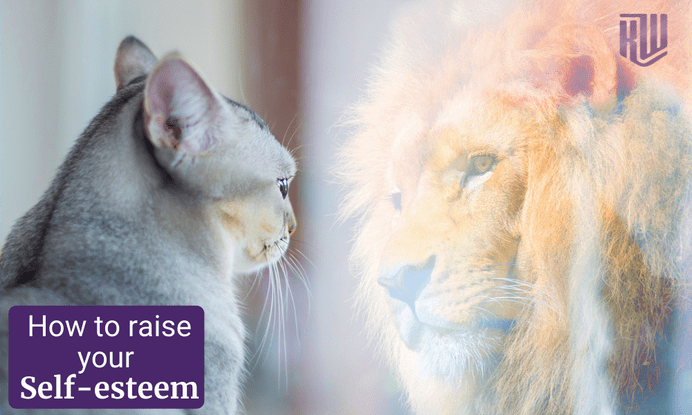
Self-esteem is not confidence, positive thinking, or the ability to feel good about yourself — it is the felt sense of inherent worth that exists independent of your achievements, appearance, relationships, or productivity, and for most adults, it was stolen in childhood before you had any say in the matter. If you’ve spent years trying to raise your self-esteem through affirmations, accomplishments, or other people’s approval — and it still doesn’t stick — you’re not broken. Your emotional blueprint was set in childhood, and no amount of surface-level work can override it.
That’s you — the one who can list everything you’ve accomplished and still feel like it’s never enough.
This isn’t about thinking more positively. It isn’t about collecting more wins. It’s about understanding that your self-esteem was hijacked by childhood trauma — and that the only way to rebuild it is to rewire the emotional blueprint that destroyed it in the first place.
What Is Self-Esteem and Why Is Yours So Low?
Self-esteem is the internal felt sense of your own value and worth — not as something earned through performance, but as something inherent to your existence. True self-esteem doesn’t fluctuate based on what you accomplished today or who approved of you. It’s a stable, grounded knowing that you matter — regardless of what you’re thinking, feeling, believing, or doing.
That’s you — confusing confidence with self-esteem, thinking that if you could just achieve enough, you’d finally feel worthy.
But here’s what nobody tells you: most people don’t have low self-esteem because they haven’t achieved enough. They have low self-esteem because their childhood emotional environment taught them that their worth was conditional. Conditional on being good enough, quiet enough, productive enough, perfect enough. And that conditional worth became the emotional blueprint your brain has been running ever since.
Low self-esteem is not a character flaw or a lack of effort — it is a childhood emotional meaning that hardened into identity, teaching your nervous system that your worth must be constantly earned, proved, and defended rather than simply existing as an inherent part of who you are.

At all times, no matter what you’re thinking, feeling, believing, or doing — you always have value and worth. That’s not a platitude. That’s the foundational truth that childhood stole from you. And rebuilding self-esteem starts with understanding exactly how it was taken.
How Did Childhood Trauma Destroy Your Self-Esteem?
Your self-esteem wasn’t destroyed in a single moment. It was eroded over thousands of small interactions — interactions that taught you painful meanings about yourself before you had the cognitive ability to question them.
That’s you — still carrying the emotional conclusions of a five-year-old and wondering why you can’t just “think positive” your way out of feeling worthless.
When a child experiences emotional neglect, criticism, conditional love, or any environment where their feelings don’t matter and their needs are treated as a burden, the child doesn’t think “my parent has a problem.” The child thinks “I am the problem.” That’s not a thought — it’s an emotional meaning that becomes the foundation of identity.

Worthlessness is not a fact. Worthlessness is a childhood emotional meaning. It forms when the child experiences emotional overwhelm, rejection, abandonment, neglect, manipulation, comparison, shame, emotional volatility, or parents in survival mode who lacked the emotional skills to mirror the child’s inherent value. The child concludes: “I’m the problem.” “I’m not wanted.” “I have no value.” “I’m unlovable.” And these meanings harden into identity.
That’s the voice — the one that wakes you at 3 AM telling you that you’re not good enough, not far enough along, not worthy of the life you’ve built. That voice isn’t yours. It’s your childhood’s.
Here’s what Kenny teaches in his practice: whether at your worst or best, you always have inherent worth and value. Childhood taught something different — “worth equals being a certain way.” But the truth is that your behavior changes while your worth doesn’t. Shame says: “I did X, so I am bad.” The Authentic Self says: “I did X, and I’m still worthy — I’ll own it and repair.”
Worthlessness is the emotional residue of a child who concluded “if I was worthy, they wouldn’t treat me this way” — but the child didn’t realize that the parent’s pain didn’t belong to them, that the chaos wasn’t their fault, and that the neglect was never a judgment of their worth.
How Does the Worst Day Cycle™ Keep Your Self-Esteem Trapped?
Low self-esteem isn’t random. It follows a predictable neurochemical pattern called the Worst Day Cycle™. Understanding this cycle is the first step to breaking free from it — because you can’t change what you can’t see.
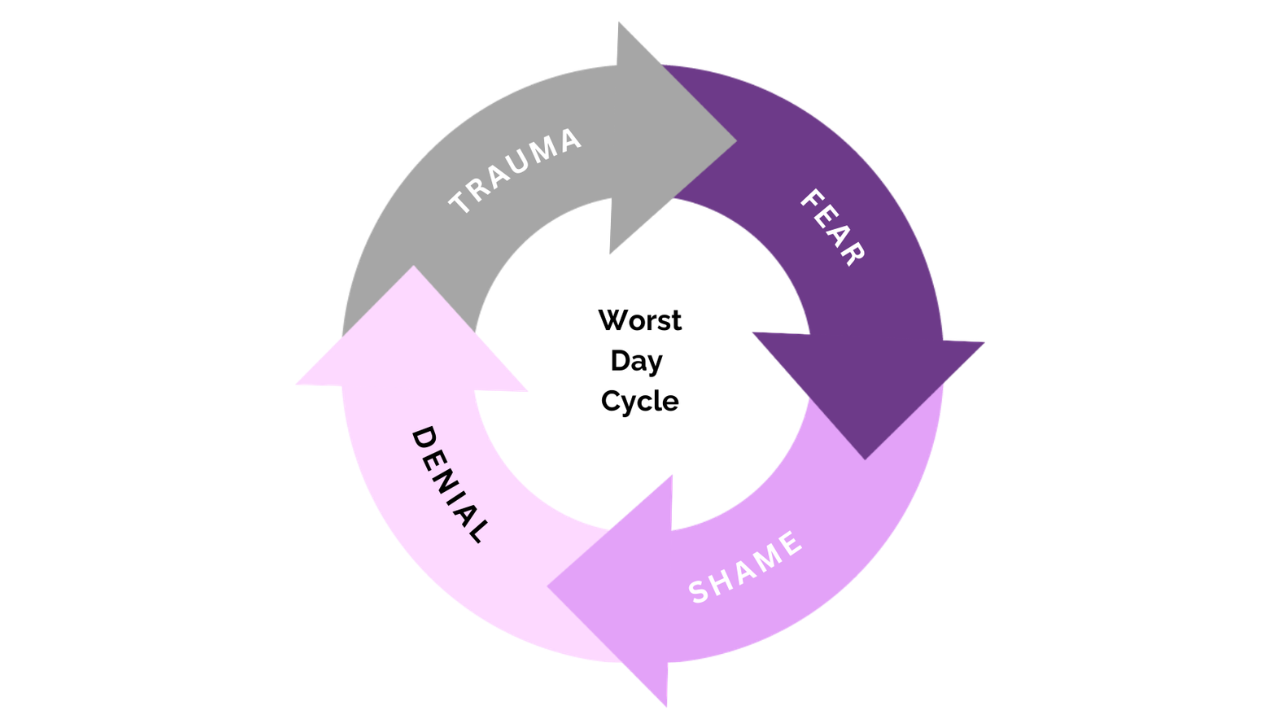
The Worst Day Cycle™ has four stages: Trauma → Fear → Shame → Denial.
Trauma: Any negative emotional experience in childhood that created painful meanings about you. It doesn’t have to be dramatic — it can be as subtle as a parent who never said “I’m proud of you,” a household where emotions were treated as weakness, or a caregiver whose love was conditional on performance. These experiences create a massive chemical reaction in the brain and body. The hypothalamus generates chemical cocktails — cortisol, adrenaline, dopamine, oxytocin misfires — and the brain becomes addicted to these emotional states.
That’s you — addicted to the stress of proving yourself because your nervous system was calibrated for conditional worth in childhood.
Fear: Fear drives repetition. The brain conserves energy by repeating known patterns — it can’t tell right from wrong, only known from unknown. Since 70%+ of childhood messaging is negative and shaming, adults repeat these painful patterns in relationships, career, hobbies, health — everything. Your low self-esteem doesn’t just feel familiar — it feels safe. And that’s terrifying to realize.
Shame: This is where you lost your inherent worth. “I am the problem.” Not “I made a mistake” — but “I AM the mistake.” This is the core wound underneath low self-esteem. Every time you belittle your worth by saying “I was so stupid” or “why didn’t I do that differently,” you’ve just said: I don’t have value and worth unless I do this perfectly.
That’s the shame — and it’s been running your self-esteem since before you could spell your own name.
Denial: Denial is the survival persona you created to survive the pain of shame. It was brilliant in childhood — absolutely necessary. But in adulthood, it creates a false version of self-esteem built on achievement, control, or people-pleasing rather than inherent worth. Three survival persona types emerge: Falsely Empowered (controls, dominates, rages), Disempowered (collapses, people-pleases), and Adapted Wounded Child (oscillates between both).
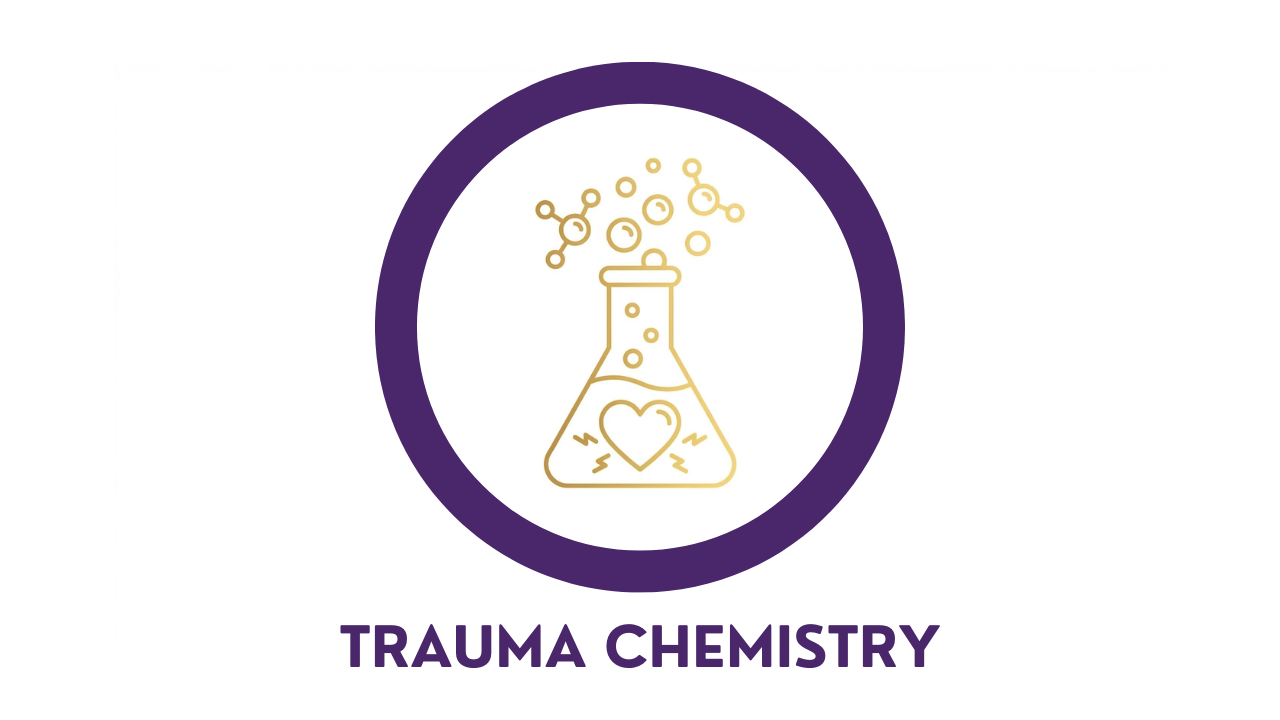
The Worst Day Cycle™ explains why low self-esteem feels permanent — your brain created a neurochemical loop in childhood that equates your worth with external validation, and it repeats that loop thousands of times per day without your conscious awareness.
How Does Your Survival Persona Fake Self-Esteem?
Your survival persona is the identity you created in childhood to navigate an emotionally unsafe environment. It’s not who you are — it’s who you had to become. And for most people struggling with self-esteem, their survival persona is either performing confidence or collapsing into invisibility.

The Falsely Empowered: This persona controls, dominates, and rages. They look like they have the highest self-esteem in the room — confident, decisive, unstoppable. But their “confidence” is built on fear, not worth. They achieve relentlessly because deep down they believe they’re worthless without their accomplishments. They can’t tolerate criticism because it confirms what they already believe about themselves. They’re hiding that they feel shame and less than by being falsely empowered and better than.
That’s you — the one everyone thinks has it all together while you’re secretly terrified that if you stopped performing, everyone would see you’re a fraud.
The Disempowered: This persona collapses, people-pleases, and disappears. Their low self-esteem is visible — they don’t ask for what they need, they tolerate mistreatment, they make themselves small. They believe their worth is conditional on what they give to others. They abandon their own needs, boundaries, and voice to maintain connection — because being alone feels like proof that they’re unlovable.
That’s you — the one who gives everything to everyone else and then wonders why you feel invisible, unvalued, and empty.
The Adapted Wounded Child: This persona oscillates between both — raging one moment, collapsing the next. One day they feel unstoppable; the next day they can’t get out of bed. Their self-esteem is wildly inconsistent because they never developed a stable sense of inherent worth. They flip between overperforming and shutting down, between “I don’t need anyone” and “please don’t leave me.”
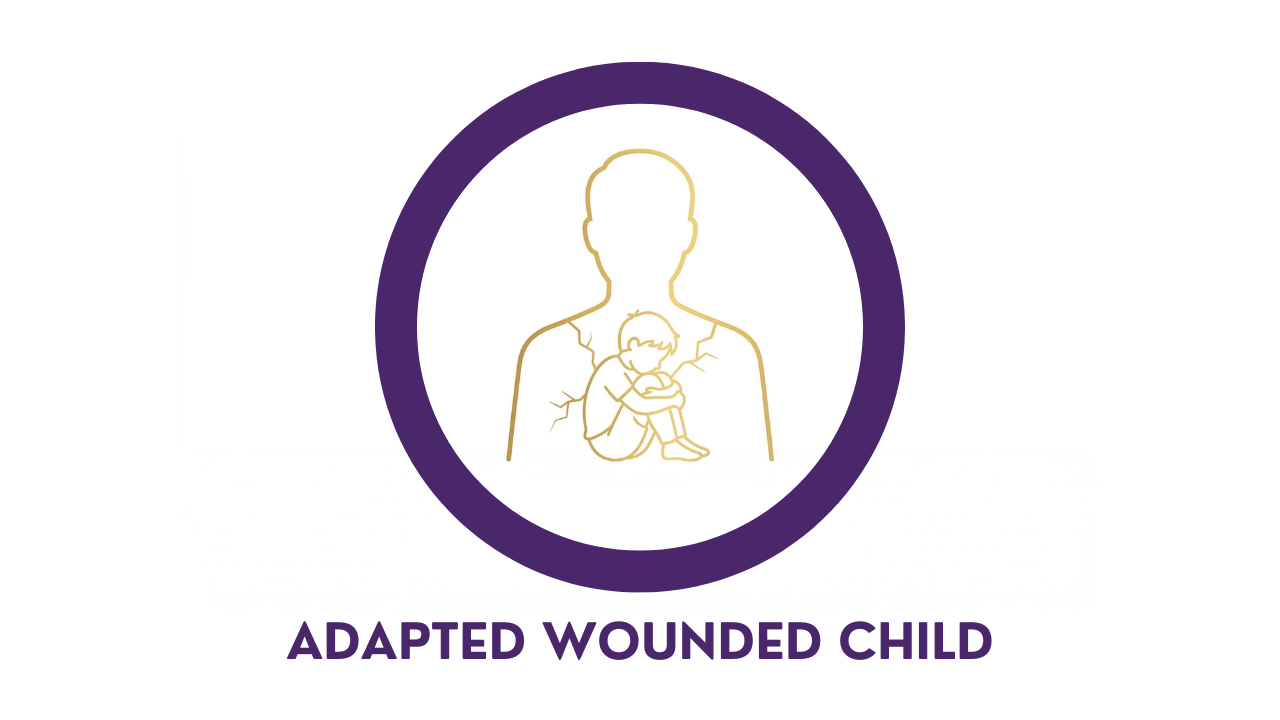
That’s you — swinging between feeling like you can conquer the world and feeling like you’re fundamentally broken, never landing in a stable sense of your own worth.
All three survival personas use shame as a control mechanism — they tell you that if you step out of your survival role, if you become vulnerable, if you rest without earning it, you’ll be exposed as the worthless person you secretly believe you are. The survival persona doesn’t build self-esteem — it performs it.
How Does Low Self-Esteem Show Up in Every Area of Your Life?
Family: You’re still trying to earn the approval you never got as a child. You over-function at family gatherings, manage everyone’s emotions, and swallow your own feelings to keep the peace. You can’t set boundaries because saying no feels like confirming that you’re the selfish, ungrateful child your family always implied you were. Or you’ve cut off entirely — because the pain of never being enough was unbearable.
That’s you — a grown adult still performing for people who couldn’t see your worth when you were seven.
Romantic Relationships: You choose partners who confirm your childhood belief about yourself. If you believe you’re not enough, you’ll choose someone who treats you like you’re not enough — because your nervous system recognizes that dynamic as “home.” You confuse intensity with love. You tolerate behavior that crosses your boundaries because leaving feels like proof that you don’t deserve better. Or you control everything to avoid the vulnerability that real intimacy requires.
Sound familiar? The person who gives everything in relationships but never feels truly seen or valued?
Friendships: You’re the friend everyone leans on but no one checks on. Your low self-esteem makes you the listener, the helper, the one who shows up for everyone else’s crisis. But you never share your own struggles — because deep down, you believe your pain isn’t important enough, that you’d be a burden, that if people saw the real you, they’d leave.
That’s you — surrounded by people and still fundamentally alone, because the person you hide most from is yourself.
Work: You either overdeliver compulsively — staying late, saying yes to everything, checking email at midnight — because your worth is measured in productivity. Or you underperform and undersell yourself, accepting less than you deserve because you genuinely believe you don’t deserve more. Either way, your career is being driven by your childhood emotional blueprint, not your authentic desires.
That’s you — getting promoted for your survival persona’s performance while your authentic self sits in the corner, exhausted and unseen.
Body and Health: Low self-esteem disconnects you from your body. You push through exhaustion, ignore pain signals, numb with food or scrolling or alcohol. You treat your body as something to control rather than something to listen to. Chronic stress, digestive issues, insomnia, and autoimmune conditions are often the body’s final attempt to get your attention after decades of being ignored.
Why Can’t Affirmations and Positive Thinking Fix Your Self-Esteem?
You’ve tried the affirmations. You’ve stood in front of the mirror and said “I am worthy.” You’ve read the books, attended the seminars, collected the insights. And nothing sticks. Here’s why: you cannot think your way out of a biochemical event.
That’s you — repeating “I am enough” while your nervous system is screaming that you’re not, and then shaming yourself for not being “positive enough.”
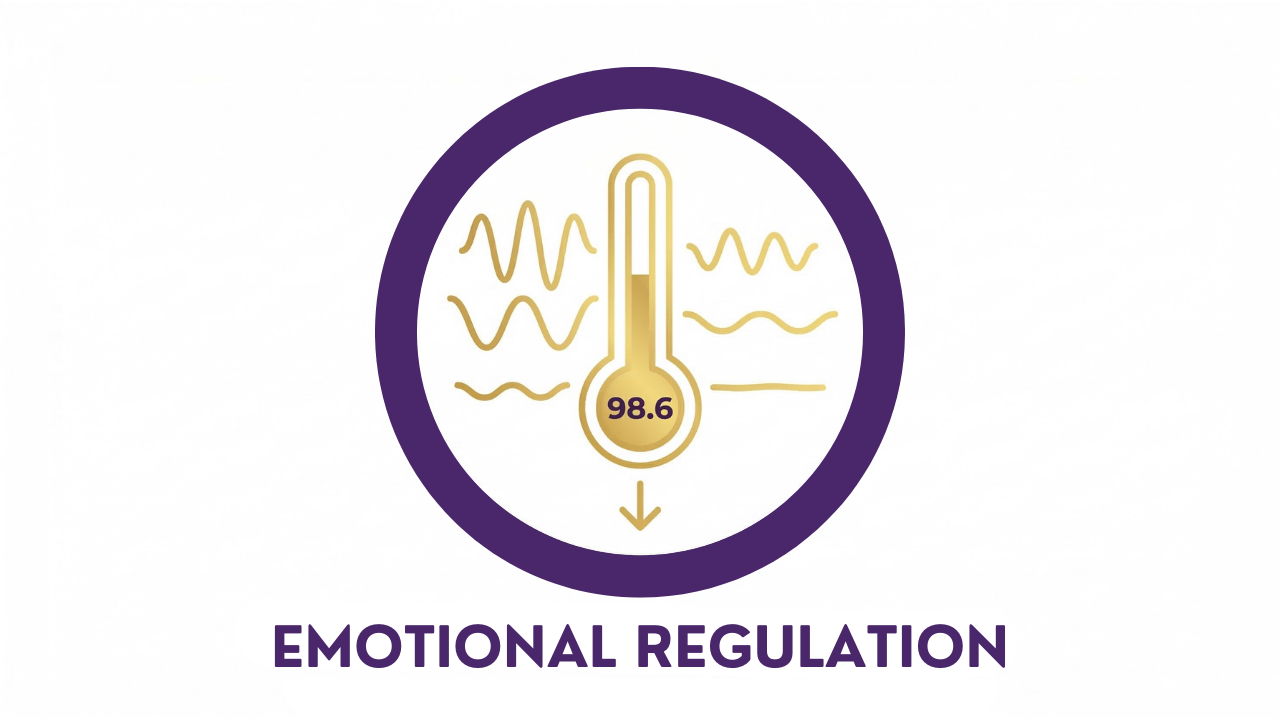
Emotions are biochemical events, not intellectual ones. Thoughts originate from feelings, not the other way around. Your low self-esteem doesn’t live in your thoughts — it lives in your body. In the tightening in your chest when someone criticizes you. In the hollow feeling in your stomach when you’re alone. In the surge of panic when you make a mistake. Those responses are neurochemical — and no affirmation can override them.
Think of the second hand on a clock. It moves in tiny, almost insignificant ticks. But those ticks move the minute hand. The minutes move the hours. Healing self-esteem works the same way. It’s not about the big breakthrough or the perfect affirmation. It’s about tiny, repeated moments where your nervous system experiences something different — where you feel your worth instead of just thinking about it.
That’s the truth nobody tells you — you don’t need a bigger insight. You need a smaller, more consistent practice that speaks to your body, not just your mind.
Affirmations cannot rebuild self-esteem because low self-esteem is stored in the body’s neurochemistry as an automated survival pattern — the brain doesn’t respond to what you tell it, it responds to what it feels, and what it feels was programmed in childhood.
How Does the Emotional Authenticity Method™ Rebuild Real Self-Esteem?
The Emotional Authenticity Method™ is the practice that actually rebuilds self-esteem at the nervous system level. It works because it targets the body — where the wound lives — not just the mind where you’ve been trying to fix it.
Step 1: Somatic Down-Regulation. Before you can rebuild anything, you have to get your nervous system out of survival mode. Focus on what you can hear for 15-30 seconds. If you’re highly dysregulated, use titration — feel a little bit, regulate, feel a little more. You’re teaching your body that it’s safe enough to feel what’s underneath the survival persona.
That’s you — learning that the first step to self-esteem isn’t thinking differently, it’s calming your nervous system enough to feel what’s actually there.
Step 2: What am I feeling right now? Most people with low self-esteem have no idea what they’re actually feeling. They’ve been disconnected from their emotions for so long that “fine” is their default. Using the Feelings Wheel, you develop emotional granularity — the ability to name specific emotions instead of lumping everything into “stressed” or “fine” or “I’m not good enough.”
Step 3: Where in my body do I feel it? All emotional trauma is stored physically. Your chest tightens. Your stomach drops. Your jaw clenches. Locating the feeling in your body is how you move from intellectual understanding to somatic processing — from thinking about self-esteem to actually feeling your worth.
Step 4: What is my earliest memory of having this exact feeling? This is where everything changes. You trace today’s feeling of worthlessness back to its childhood origin. You realize: this isn’t about today. This isn’t about the criticism I just received. My nervous system is replaying a childhood moment when I learned that my worth was conditional.
That’s the moment — when you see that the voice saying “you’re not enough” belongs to your childhood, not your present reality.
Step 5: Who would I be if I never had this thought or feeling again? What would be left over? This is the vision step. It connects you to the Authentic Self Cycle™ and gives your nervous system a destination — not more coping, not better affirmations, but actual identity restoration. What would you create? How would you show up? What risks would you take if you knew, deep in your body, that your worth was inherent?
Step 6: Feelization. This is the emotional blueprint remapping and rewiring step. Sit in the feeling of the Authentic Self and make it strong. Ask: how would I respond to this situation from this feeling? What would I say? What would I do? Visualize and FEEL yourself operating from your Authentic Self — from inherent worth, not earned worth. Create a new emotional chemical addiction to replace the old blueprint of shame and conditional value.
That’s you — not just imagining a more confident version of yourself, but actually creating the neurochemical experience of being that person, one practice at a time.
The Emotional Authenticity Method™ rebuilds self-esteem because emotions are biochemical events — you cannot change emotional patterns through thoughts alone. Thoughts originate from feelings, not the other way around. Real self-esteem is felt, not thought.
How Does the Authentic Self Cycle™ Restore Your Inherent Worth?
The Authentic Self Cycle™ is the healing counterpart to the Worst Day Cycle™. Where the Worst Day Cycle™ traps you in Trauma → Fear → Shame → Denial, the Authentic Self Cycle™ restores your identity through Truth → Responsibility → Healing → Forgiveness.

Truth: Name the blueprint. See that “this isn’t about today.” When someone criticizes you and your entire sense of self collapses, truth says: “This reaction is from childhood. This person’s feedback isn’t defining my worth — my nervous system just thinks it is because that’s what happened with my parents.”
That’s the first step to real self-esteem — seeing the pattern instead of being trapped inside it.
Responsibility: Own your emotional reactions without blame. “My partner isn’t my parent — my nervous system just thinks they are.” This isn’t about fault. It’s about reclaiming your power. As long as your self-esteem depends on how others treat you, you’re still operating from the child’s definition of worth: borrowed, conditional, revocable. Adults never place the responsibility of determining their worth in others’ hands.
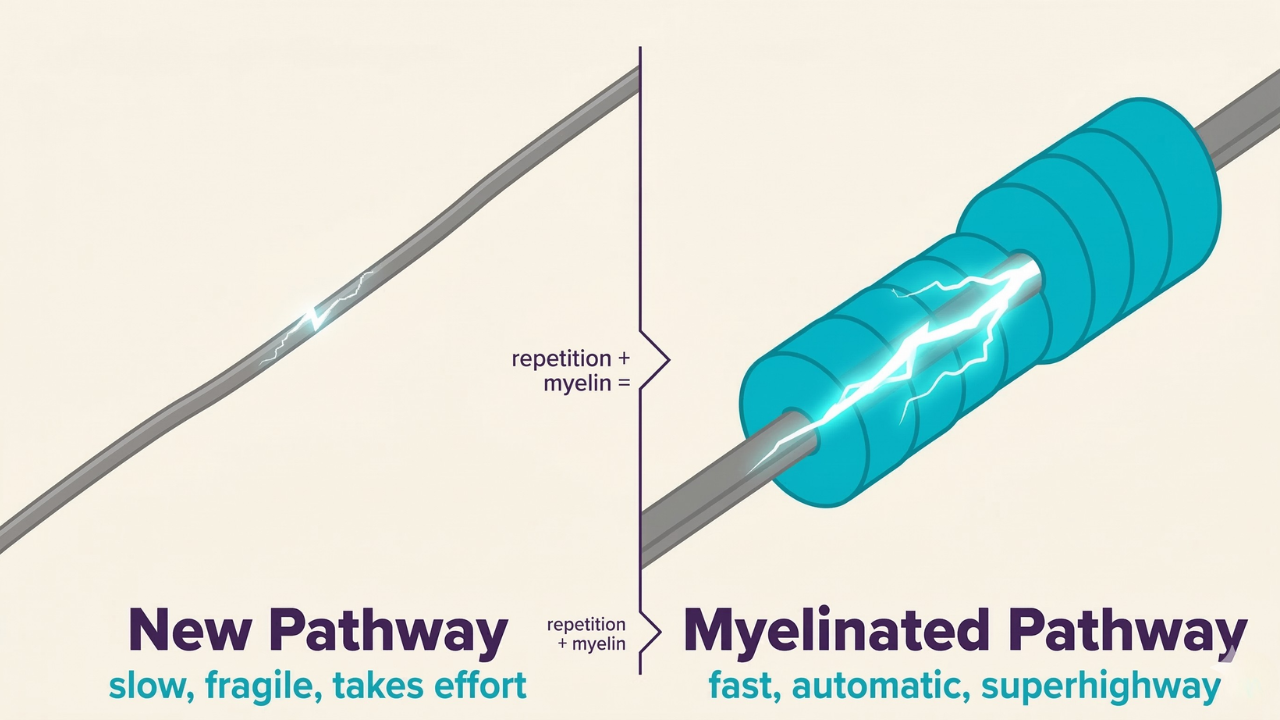
Healing: Rewire the emotional blueprint so criticism becomes uncomfortable but not identity-destroying, rejection doesn’t mean you’re worthless, and making mistakes doesn’t collapse your entire sense of self. This is where repeated practice creates new neural pathways — second by second, like the ticks of a clock, building a new emotional foundation.
Forgiveness: Release the inherited emotional blueprint and reclaim your authentic self. This creates a NEW emotional chemical pattern that replaces fear, shame, and denial with safety, worth, and connection. You don’t become someone new — you finally meet who you always were underneath the survival persona.
That’s you — discovering that your worth was never lost. It was buried under layers of childhood shame that were never yours to carry.
The Authentic Self Cycle™ is an identity restoration system — it doesn’t teach you to perform higher self-esteem, it replaces the neurochemical pattern that destroyed your inherent worth with a new blueprint built on truth, responsibility, and emotional authenticity.
What Is the Micro-Worth Inventory Practice?
One of the most powerful daily practices for rebuilding self-esteem is the Micro-Worth Inventory. It’s deceptively simple — and it works precisely because it bypasses the thinking mind and speaks directly to the body.
Here’s how it works: every day, list one to five things you genuinely like or appreciate about yourself. No “shoulds.” No forced affirmations. Only felt truths. The key word is genuinely — you have to actually feel it, not just think it.
That’s you — starting where you actually feel it, not where you think you should feel it.
It doesn’t have to be deep or lofty. Kenny teaches his clients to start with the most basic, embodied experience of appreciating something real about themselves. “I have great feet.” “I’m kind to my friends.” “I show up on time.” “I make people laugh.” These aren’t Instagram affirmations — they’re micro-evidence of worth that your nervous system can actually accept.
Inherent worth is rebuilt in micro-evidence, not grand affirmations. Because your nervous system doesn’t trust grand declarations — it was trained to distrust them by a childhood that promised love and delivered conditions. But small, felt truths? Those slip past the survival persona’s defenses and land in the body where real self-esteem lives.
That’s how self-esteem actually rebuilds — not through dramatic breakthroughs, but through daily moments of honest self-appreciation that your body believes.
Frequently Asked Questions About Self-Esteem
What is self-esteem and where does it come from?
Self-esteem is the felt sense of inherent worth — the internal knowing that you have value regardless of your accomplishments, appearance, or relationships. True self-esteem originates in childhood, when a child’s emotional environment either mirrors their inherent worth or teaches them that worth is conditional. When childhood trauma, neglect, or conditional love damages this foundation, the Worst Day Cycle™ creates a neurochemical pattern that makes low self-esteem feel permanent.
Why do affirmations and positive thinking fail to build self-esteem?
Affirmations target the thinking brain, but low self-esteem lives in the body as a neurochemical pattern. Emotions are biochemical events — thoughts originate from feelings, not the other way around. You cannot override a nervous system running on childhood shame with words alone. The Emotional Authenticity Method™ rebuilds self-esteem at the somatic level where the wound actually exists.
Can high achievers have low self-esteem?
Yes — and this is extremely common. High achievers often operate from a falsely empowered survival persona that performs confidence while running on shame underneath. Their achievement is driven by the belief that their worth equals their output. The Worst Day Cycle™ explains how childhood trauma creates a neurochemical addiction to the stress-performance-validation loop that looks like confidence but feels like emptiness.
How long does it take to rebuild self-esteem?
Self-esteem patterns that have been running for decades don’t reverse overnight. But noticeable shifts can happen within weeks of consistent daily practice with the Emotional Authenticity Method™ and the Micro-Worth Inventory. The key is repetition, not intensity — small moments of felt worth create cumulative neurological change. The Authentic Self Cycle™ provides the framework for long-term identity restoration.
What is the difference between self-esteem and confidence?
Confidence is situational — you can be confident in your skills, your knowledge, or your ability to perform. Self-esteem is foundational — it’s the felt sense that you have inherent worth regardless of performance. Many people have high confidence and low self-esteem, which creates the paradox of external success and internal emptiness. True self-esteem doesn’t require achievement to sustain itself.
Is low self-esteem connected to codependency?
Low self-esteem is the foundation of codependence. When you don’t believe you have inherent worth, you try to earn worth through what you do for others — giving too much, tolerating too much, abandoning yourself to maintain connection. The three survival persona types — falsely empowered, disempowered, and adapted wounded child — each express low self-esteem differently in relationships.
The Bottom Line
Your self-esteem was never broken by a lack of effort. It was broken by a childhood that taught you your worth was conditional — and then your brain automated that belief into a neurochemical pattern that has been running your life ever since.
No affirmation can fix this. No achievement can fill this. No relationship can complete this.
But you can rebuild it. Not through thinking differently, but through feeling differently — one micro-moment of honest self-appreciation at a time. One practice of the Emotional Authenticity Method™ at a time. One step through the Authentic Self Cycle™ at a time.
Worth does not come from approval, performance, attraction, success, productivity, or perfection. Worth comes from existing. Your worth is not negotiable. It never was.
There is nothing you’ve done to lose your worth. No matter how imperfect, how messy, how human you’ve been — your inherent value was never lost. It was just buried under layers of childhood shame that were never yours to carry in the first place.
That’s you — not the person who needs to achieve more to feel worthy. The person who was always worthy, and is finally ready to feel it.
Recommended Reading
These books complement the frameworks in this article and deepen your understanding of self-esteem, shame, and childhood trauma recovery:
Facing Codependence by Pia Mellody — the foundational text on how childhood trauma creates conditional worth and the survival personas that destroy self-esteem.
The Body Keeps the Score by Bessel van der Kolk — the science of how trauma lives in the body and why cognitive approaches alone can’t rebuild self-esteem.
When the Body Says No by Gabor Maté — how chronic self-abandonment and suppressed worth manifest as physical illness and disease.
Codependent No More by Melody Beattie — a practical guide to recognizing when low self-esteem drives codependent patterns in relationships.
The Gifts of Imperfection by Brené Brown — how shame destroys self-esteem and how vulnerability is the path back to inherent worth.
Healing the Shame That Binds You by John Bradshaw — foundational work on how toxic shame becomes internalized identity and destroys self-worth.
Take the Next Step
If you’re ready to stop performing self-esteem and start feeling it, Kenny Weiss offers courses designed for people who are done chasing worth through achievement and ready to reclaim what was always theirs:
Emotional Blueprint Starter Course — Individual ($79) — Your personal roadmap to understanding the Worst Day Cycle™ and beginning the journey to inherent worth.
Relationship Starter Course — Couples ($79) — For couples ready to stop triggering each other’s shame and build relationships from authentic self-esteem.
Why We Can’t Stop Hurting Each Other ($479) — Deep-dive into the Worst Day Cycle™ and how childhood shame creates relationship pain.
Why High Achievers Fail at Love ($479) — Built specifically for high achievers whose falsely empowered survival persona has been performing confidence while their self-esteem crumbles.
The Shutdown Avoidant Partner ($479) — Understanding avoidant attachment through the lens of trauma chemistry and the survival personas that mask low self-esteem.
Tier 1: Mapping the Blueprint ($1,379) — The comprehensive program for learning and practicing the Emotional Authenticity Method™ and rebuilding self-esteem from the nervous system up.
Download the Feelings Wheel — the free tool used in Step 2 of the Emotional Authenticity Method™ to build the emotional granularity that self-esteem requires.
Explore more: The Signs of Enmeshment | 7 Signs of Relationship Insecurity | 7 Signs of High Self-Esteem | How to Determine Your Negotiables and Non-Negotiables | 10 Do’s and Don’ts for a Great Relationship