The Phone Call That Makes Your Stomach Drop
Your phone buzzes. You see their name. Your body knows before your mind catches up — your stomach tightens, your jaw clenches, your chest gets tight. You know what’s coming. The demand. The guilt trip. The manipulation wrapped in hurt feelings.
You answer. And within thirty seconds, they’ve twisted something you said three months ago into proof that you never loved them. They’ve accused you of ruining their life. They’ve told you they’ll never forgive you unless you do exactly what they want. And somehow, even though you’re the adult and they’re the one behaving like a teenager, you end up apologizing. You end up promising something you can’t deliver. You end up feeling like the worst parent who ever lived.
After the call ends, you sit in the silence of what just happened. You didn’t get angry. You didn’t hold a boundary. You caved, just like always. And the guilt — the bone-deep certainty that this is somehow your fault — settles in like fog you can’t shake.
Dealing with a narcissistic child means parenting someone whose emotional development got stuck in the normal childhood narcissistic phase — someone who learned that controlling, manipulating, and never admitting fault was the only way to survive their emotional environment. This is not a character flaw. It is a learned survival strategy rooted in the Worst Day Cycle™ of trauma, fear, shame, and denial — and understanding that changes everything about how you respond.
This is narcissism in your own family.
And you’re not alone in this. Right now, across the country, thousands of parents are experiencing the same gut-punch of manipulation from their own children. The same cycling pattern of hope and disappointment. The same question that keeps you awake at 3 AM: “Where did I go wrong?”
That’s you… lying awake replaying every parenting decision, wondering which one broke them.
What Creates a Narcissistic Child (And Why It’s Not What You Think)
Here’s what most people get wrong: narcissism isn’t something your child was born with. They didn’t arrive with a twisted character flaw baked into their DNA. A narcissistic child is made. And that’s actually the most important thing you need to understand right now.
Every child goes through a narcissistic phase. Between ages three and six, your child believed the world revolved around them. This is developmentally normal. They couldn’t yet imagine that other people had internal lives separate from theirs. They were, by definition, the center of their own universe. This isn’t a problem. It’s a stage.
The problem happens when they get stuck there.
A child becomes narcissistic when the emotional environment they’re raised in teaches them that their survival depends on it. Narcissism is a learned survival strategy. It’s the nervous system saying: “I learned that if I don’t control everything, demand everything, and never admit I’m wrong, I’m not safe. People will abandon me. I will be harmed.”
That’s you… watching your child demand the world and wondering how someone you loved so much learned to weaponize your love against you.
This is where Bruce Lipton’s work on epigenetics becomes crucial. Your child’s environment shaped how their genes expressed themselves. The stress levels in your home, the consistency of emotional safety, the modeling of healthy emotional expression — all of this literally shaped their developing brain. This is not metaphorical. This is biology.
And here’s where Gabor Maté’s distinction between blame and responsibility changes everything: “We don’t blame people for having unconscious patterns. Instead, we try to make them conscious.” Your narcissistic child didn’t choose their survival strategy. They learned it. But that learning came from somewhere. It came from the emotional climate they were raised in.
A narcissistic child is the product of the emotional environment they were raised in. That’s not blame — it’s power. Because if the environment shaped them, you can heal the part of you that contributed to it.
This is the distinction that most parents miss. You didn’t cause your child to become narcissistic by being a bad parent. You weren’t intentionally cruel or abusive. But you may have been unconscious. And unconsciousness, when passed down through generations, creates patterns that feel impossible to break.
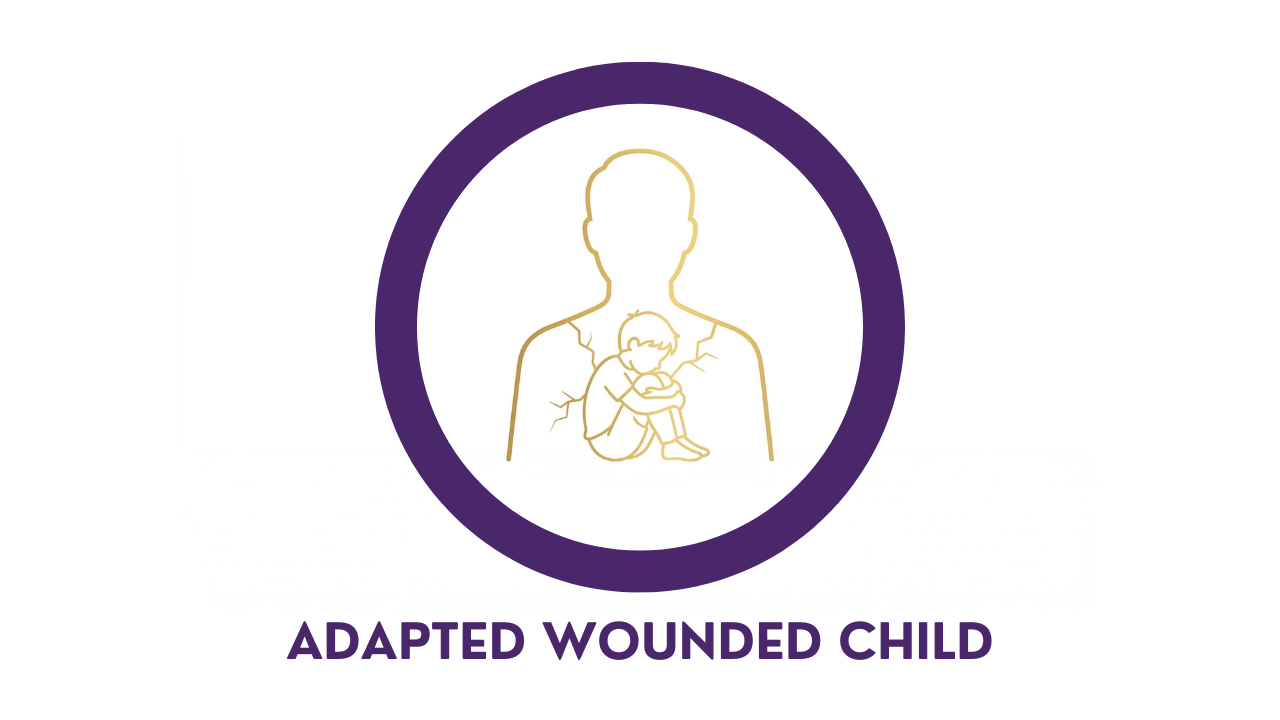
In Kenny’s framework, this unconscious pattern produces one of three survival personas. The falsely empowered persona controls, dominates, rages, and intimidates to avoid vulnerability — this is the survival persona most narcissistic children develop. The disempowered persona collapses, people-pleases, and loses themselves to avoid abandonment — this is often the survival persona the codependent parent developed. And the adapted wounded child oscillates between falsely empowered and disempowered depending on the situation — raging one moment, collapsing in guilt the next. Your narcissistic child learned one. You probably learned another. And together, the two personas lock into a cycle neither of you can see.
Why Boundaries Alone Won’t Fix This
You’ve probably heard the conventional wisdom: set boundaries. Don’t engage with their drama. Go to therapy and suggest they do the same. Hold your ground. Don’t give in to their manipulation.
That hasn’t worked, has it?
And here’s why: boundaries don’t work on narcissists because they can’t work. A boundary is just a line you draw in the sand. But a narcissistic person’s survival persona literally depends on crossing every line, controlling every situation, getting their way no matter what. Their nervous system has learned that boundaries are threats. When you set one, they don’t hear “I need space.” They hear “You’re losing control. You need to fight harder.”
That’s you… setting the same boundary for the hundredth time and watching them walk right through it like it was never there.
Suggesting therapy to your narcissistic child is like suggesting a fish climb a tree. From their perspective, they’re not the problem. You are. Everyone else is. The world is just unfair, and they’re the only one clear-eyed enough to see it. Therapy requires the kind of self-reflection that their survival persona can’t afford to do. Self-reflection means admitting wrongdoing. And admitting wrongdoing feels like death to the nervous system that learned survival through dominance.
This is why boundaries feel like arguing with a wall. The wall can’t hear you. It can’t feel bad about hurting you. It just exists, doing what walls do.
The conventional approach treats narcissism like a behavior problem. Fix the behavior, and you fix the person. But narcissism isn’t a behavior problem. It’s a nervous system problem. Your child’s body is running an ancient survival program that says: “Control or be controlled. Dominate or be dominated. Never show weakness, or you’ll be destroyed.”
Narcissism is not a behavior problem — it is a nervous system survival strategy. Your child’s body learned in childhood that controlling, dominating, and never showing weakness was the only way to stay safe. Boundaries cannot override a survival program that runs deeper than conscious thought.
Kenny’s approach goes deeper. Instead of trying to manage your child’s behavior, you do the nervous system work that allows you to stop being controlled by their behavior. You heal the part of your own nervous system that’s still reactive to their manipulation. You move from boundaries to freedom.
The Narcissistic Child and the Codependent Parent
There’s a reason you ended up with a narcissistic child. And that reason often has to do with the other end of the spectrum.
Narcissism and codependence are opposite sides of the same coin. Both are survival strategies rooted in the same core wound: “I am not safe being myself.” The narcissist learned to survive by dominating and controlling. The codependent learned to survive by accommodating and merging. One says “I matter most.” The other says “Everyone else matters but me.”
That’s you… giving everything you have to someone who treats your generosity like a blank check.
When these two come together in a parent-child relationship, something predictable happens. The parent keeps giving, sacrificing, trying harder. The child keeps taking, demanding, blaming. The parent interprets this as love: “I’m showing them I care by abandoning my own needs.” The child interprets this as confirmation: “See? I was right. I am the center of this universe. I deserve to get everything I want.”
This dynamic gets locked in early. Your codependent pattern and their narcissistic pattern begin to dance with each other, and by the time they’re adults, you’re both locked in a rhythm neither of you knows how to break.
This is why just setting boundaries doesn’t work. Boundaries require that you stop abandoning yourself. And if you’ve spent decades abandoning yourself as an act of love, the guilt of stopping is almost unbearable. Your child will leverage that guilt. They’ve learned that guilt is their most effective tool. “You always make this about you. You never supported me. If you loved me, you would…” And your nervous system floods with shame because at some level, you do believe it. You do feel like you’ve failed.
If you’ve never identified your own codependent patterns and non-negotiables, healing your relationship with your narcissistic child becomes nearly impossible. You’ll just keep playing the same role. And they’ll keep playing theirs.
How a Narcissistic Child Affects Every Area of Your Life
Narcissistic family dynamics don’t stay contained in one relationship. The stress, the guilt, the hypervigilance — it bleeds into everything. Here’s what that looks like across the areas of your life you might not have connected to this pattern.
Family
Your other children feel neglected because the narcissistic child demands all the attention. Family gatherings become minefields. Siblings either align with the narcissist or pull away entirely. You walk on eggshells in your own home, managing everyone’s emotions except your own. The entire family system organizes around one person’s demands.
Romantic Relationships
Your partner feels like they’re competing with your child for your attention — and losing. The stress of managing your narcissistic child creates constant tension in your marriage or relationship. You’re emotionally drained by the time your partner needs you. Some partners give ultimatums. Others quietly withdraw. Either way, the narcissistic child’s behavior is eroding your closest adult relationship.
Friendships
You stop telling friends what’s happening because you’re ashamed. Or you tell them and they don’t understand — “Just cut them off.” “You need to be tougher.” The advice feels hollow because they don’t know what it’s like to love someone who uses your love as a weapon. You isolate. Your social world shrinks.
Work and Career
You can’t focus because you’re waiting for the next text or call. Your productivity drops. You take mental health days that aren’t really about your mental health — they’re about recovering from the latest manipulation. Your boss doesn’t know why you’re distracted. You can’t explain it. You just show up and try to function.
Body and Health
Chronic stress shows up as chronic pain, digestive issues, insomnia, autoimmune flares, migraines. Your nervous system has been in low-grade fight-or-flight for years. You’ve been to doctors who can’t find anything “wrong.” Nothing shows up on the tests because the problem isn’t in your organs — it’s in your nervous system.
That’s you… holding it together at work, falling apart in the car, and telling everyone you’re fine.
5 Strategies That Actually Work With a Narcissistic Child
Turn Everything Into a Question
Instead of defending yourself or explaining why they’re wrong, turn the responsibility back to them. When they say “You ruined my life,” don’t explain what you actually did or didn’t do. Ask: “What specifically do you think I did? What would have needed to happen instead?” When they demand money, ask: “How will you pay me back? What’s your timeline?” When they accuse you of not loving them, ask: “What would loving you look like to you right now?”
Questions do something powerful. They require your child to think instead of just react. They activate a different part of their brain. And most importantly, they stop you from being the villain in their story. Right now, your defenses and explanations feel like proof to them that you’re heartless. Questions shift the dynamic. Suddenly, they have to do the work of thinking about their own behavior.
That’s you — tired of always being the bad guy no matter what you actually say.
Accept the Scraps
You’ve been waiting your whole parenting life for your child to show you unconditional love. You’ve been waiting for them to care about your feelings. You’ve been waiting for them to say thank you, to acknowledge what you’ve done, to show up for you the way you show up for them.
Stop waiting.
A narcissistic child cannot give you what a healthy child can give you. They cannot give you unconditional love, genuine gratitude, or authentic connection. That’s not because you didn’t raise them right. It’s because their survival persona won’t allow it. It can’t. Genuine vulnerability feels like death to a narcissistic nervous system.
What they can give you are scraps. A polite text. A birthday call. An occasional moment where they’re not demanding something. These are crumbs, and you’ve been starving, so the crumbs feel like a feast. Accept them for what they are. Not as proof that deep down they love you. Not as something you should build your life around. Just as scraps.
The moment you stop expecting more, your nervous system can finally rest. You won’t spend days after a short phone call analyzing what it meant. You won’t interpret a polite greeting as a breakthrough. You’ll just receive the crumb and move on.
That’s you — exhausted from trying to harvest a full meal out of crumbs.
Watch Actions, Not Words
Your narcissistic child can promise you anything. They can tell you they love you, that they’ll change, that they understand they’ve hurt you, that next time will be different. They can be incredibly eloquent and persuasive when they want something from you.
Don’t listen to their words. Watch what they do instead.
Words are cheap. A narcissist can manufacture any emotion, say any apology, make any promise. But their actions reveal their actual priorities. Do they follow through on commitments? Do they respect your time? Do they care about your wellbeing, or only about what they can extract from you? Do they ever apologize without immediately explaining why it wasn’t actually their fault?
This is where you stop being a victim of their narrative. You stop getting hypnotized by their explanations. You just observe. Like a scientist. “What does this person actually do? What pattern am I seeing?” When you watch actions instead of listening to words, the manipulation becomes visible. The contradictions become obvious. And you can finally make decisions based on reality instead of hope.
That’s you — finally willing to trust what you see instead of what you’re told.
Safeguard Your Money, Possessions, and Heart
A narcissistic child will take whatever they can from you. Money, possessions, emotional labor, your time. They’ll justify it a thousand ways. They needed it for an emergency. You owed them. Their sibling got more. You’re selfish for not giving. By refusing, you’re proving you never loved them.
None of this is true. But if you’re still trying to convince them, you’ve already lost.
Protect your finances. Don’t loan money you can’t afford to lose, because you won’t get it back. Don’t put them on your accounts. Don’t co-sign their debts. Don’t buy them expensive gifts hoping it will make them love you. Set up your will so your estate isn’t fought over or drained by them.
Protect your possessions. They will take what they can. They will damage things and deny responsibility. They will “borrow” items and never return them. Lock up important documents, jewelry, anything irreplaceable.
And protect your heart. This is the hardest one. Stop expecting them to be the person you need them to be. Stop hoping they’ll finally understand. Stop trying to make them see your side. You’re not protecting your heart from them — you’re protecting it from the devastation of repeatedly hoping for someone who can’t change.
That’s you — finally willing to protect yourself instead of hoping they’ll become someone worth the risk.
Make YOUR Recovery the Priority
For years, your attention has been on them. Getting them to understand. Getting them to apologize. Getting them to change. Getting them to acknowledge that you did your best. Your emotional energy has been completely consumed by your narcissistic child.
It’s time to redirect that energy to the only person you can actually help: yourself.
Do the emotional work. Trace your own codependent patterns back to your childhood. Understand what wound in you created a parent who would abandon their own needs to appease a demanding child. Heal the part of your nervous system that goes into panic mode when your child rejects you. Process the grief of never having the relationship you wanted.
This is not selfish. This is not abandoning them. This is choosing not to drown trying to save someone who doesn’t think they’re in the water. Your recovery is the only thing that breaks the cycle. It’s the only thing that might actually shift the dynamic with your child, because as long as your nervous system is reactive to theirs, you’re locked in the dance.
That’s you — finally understanding that the best thing you can do for your child is heal yourself.
Your recovery is not selfish — it is the only thing that breaks the generational cycle. As long as your nervous system is reactive to your child’s manipulation, you are locked in the same dance. Healing yourself is the closest you will ever come to helping your narcissistic child.
Your Body Is Keeping Score of Every Phone Call
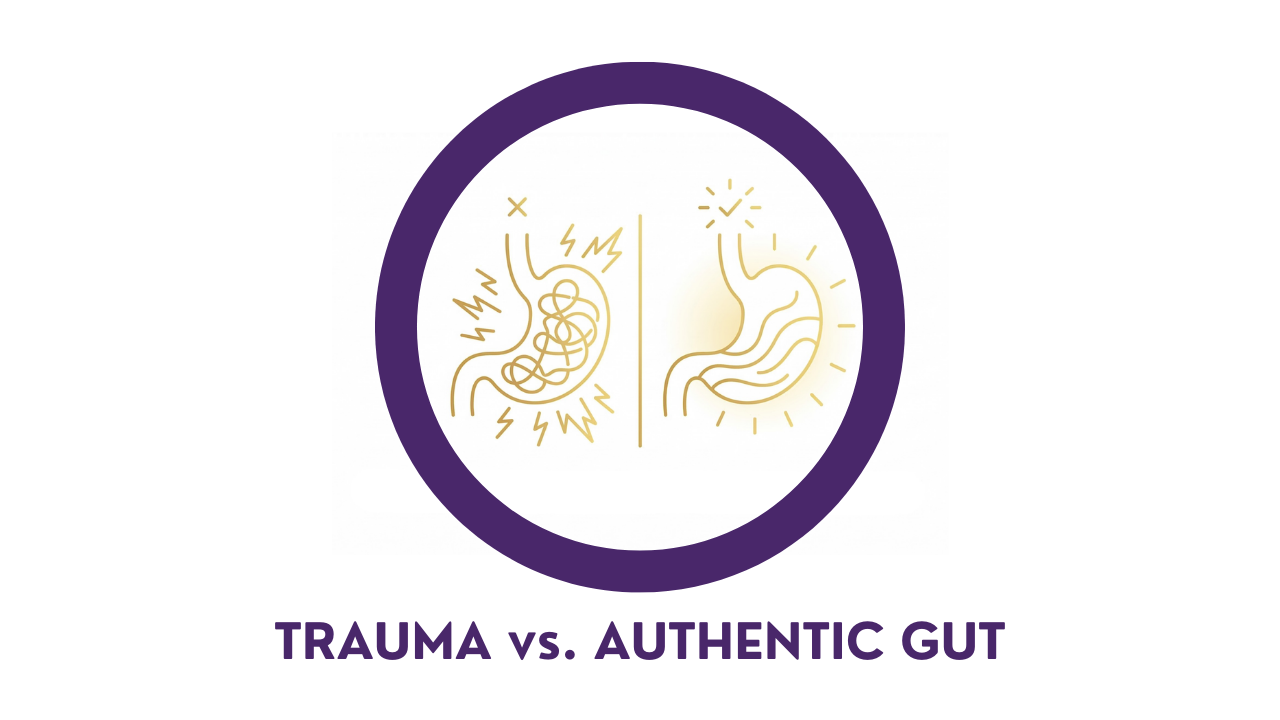
Before your child calls, your stomach starts to knot. You feel it coming. Your body knows before the phone even rings. And once you see their name, the cascade begins. Heart rate up. Breathing shallow. Jaw tight. A vague sense of dread that settles over everything until the interaction is resolved.
This isn’t weakness. This is your nervous system doing exactly what it’s designed to do: keeping you safe from a threat. Your body has learned that contact with your child is dangerous. Not physically dangerous — emotionally dangerous. Because after every call, you feel worse about yourself. You second-guess your parenting. You make promises you can’t keep. You feel ashamed.
So your body starts preparing for threat. It triggers the stress response. Cortisol floods your system. Your digestive system shuts down. Your immune function suppresses. Day after day, call after call, your body is running a threat response that doesn’t resolve.
That’s you… checking your phone with dread and then hating yourself for dreading a call from your own child.
Gabor Maté documents this perfectly in When the Body Says No. Our bodies don’t lie. They remember every conversation, every betrayal, every time we abandoned ourselves to please someone else. And when that stress becomes chronic — when you’re never quite sure when the next demand or manipulation will come — your body stays locked in a low-grade panic state.
The result is what you probably already know intimately: chronic pain. Insomnia. Digestive issues. Autoimmune flares. Migraines. Emotional numbness alternating with emotional floods. Your body is literally falling apart because your nervous system can’t find a sense of safety anymore.
This is why healing isn’t optional. It’s not a luxury or self-care indulgence. It’s a medical necessity. Your body needs to know that you’re going to protect it. That you’re not going to keep putting it through the stress of trying to manage an unmanageable person.
That’s you — finally understanding that all those physical symptoms aren’t just stress. They’re your body’s way of saying: enough.
Understanding the Worst Day Cycle™ With a Narcissistic Child
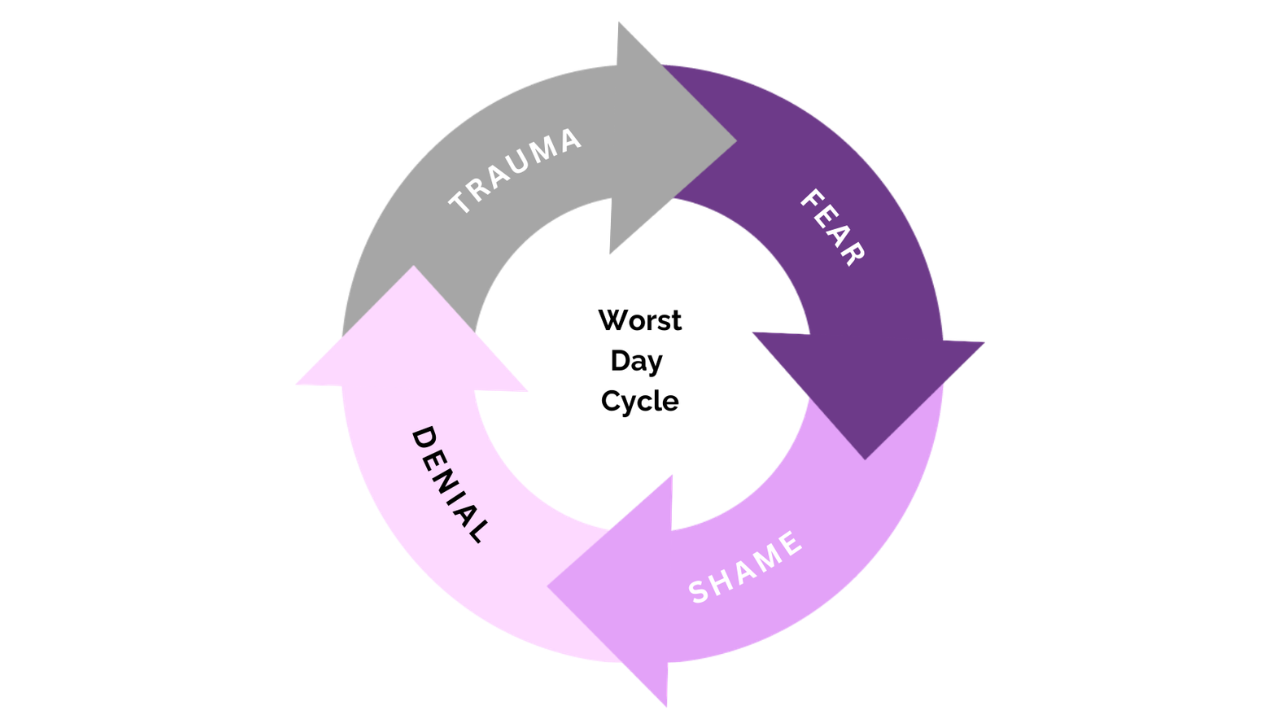
The Worst Day Cycle™ explains how you move from one difficult interaction with your narcissistic child into a full nervous system shutdown. Understanding this cycle is the first step to breaking it.
Stage 1: Trauma
Your adult child calls. Or texts. Or shows up at your house. And within moments, something happens that feels like a small betrayal. They demand money for an emergency that may or may not be real. They accuse you of something you definitely didn’t do. They remind you that you’ve never truly supported them. They withdraw their presence as punishment for some perceived slight.
This interaction is the trauma. It’s not a big “T” trauma like abuse. It’s a small “t” trauma — a repeated wound in a place where you’ve been wounded before. Your nervous system recognizes the pattern. And it floods with the fear and shame that comes with that pattern.
Stage 2: Fear
Once the interaction happens, your mind spirals into worst-case scenarios. What if they never forgive me? What if they write me out of their life completely? What if they tell everyone I’m a bad parent? What if I never see my grandchildren again? Your body floods with fear because your nervous system learned long ago that your child’s rejection = abandonment = death.
The fear is often irrational, but it doesn’t feel that way. It feels like a real threat. Your heart pounds. You can’t sleep. You replay the conversation a hundred times looking for where you went wrong.
That’s you… replaying a thirty-second phone call for three straight days, searching for the thing you should have said differently.
Stage 3: Shame
As the fear settles, shame moves in. I must have failed as a parent. If I’d done things differently, they wouldn’t be like this. I’m the reason they’re this way. I’m a terrible parent for being unable to manage their emotions. The shame is exquisite because it feels true. You can construct an entire narrative about how your parenting failures created your child’s narcissism.
And on some level, that’s partially accurate. But shame doesn’t make that accuracy helpful. Shame just makes you smaller. Makes you more likely to cave to your child’s next demand. Makes you more willing to abandon yourself.
That’s you… carrying a shame so heavy you can’t even name it out loud, because saying “my child treats me this way” feels like admitting you failed.
Stage 4: Denial
By the time you reach denial, you’re exhausted. So you minimize. It wasn’t that bad. All families have conflict. They were probably right. I probably did overreact. Maybe I should just give them the money and this will blow over. Denial is where you negotiate with reality to escape the shame. And it’s the entry point back into stage one, where the next small trauma will trigger the whole cycle again.
Understanding this cycle doesn’t stop it immediately. But it lets you recognize where you are in the pattern. And recognition is the first step toward interruption.
The Emotional Authenticity Method™: A 5-Step Process for Healing
The Emotional Authenticity Method™ is how you interrupt the Worst Day Cycle™. It’s how you move from reactive to conscious. Here are the five steps:
Step 1: Somatic Down-Regulation
Before you answer that phone call, before you respond to that text, before you do anything — you need to regulate your nervous system. This means bringing yourself back into your body. Cold water on your face. Slow breathing. Movement. Grounding techniques. Box breathing. Whatever works for your system, you do it until you feel a shift. Until you’re not in fight-or-flight anymore.
Step 2: What Am I Feeling Right Now?
Once you’re regulated, ask yourself: what am I actually feeling? Not what should I be feeling. Not what would make sense to feel. What am I actually experiencing? Guilt? Rage? Despair? Numbness? Get specific. Use the Feelings Wheel to expand your emotional vocabulary beyond “bad” or “anxious.”
Step 3: Where Do I Feel It in My Body?
Emotions aren’t abstractions. They have locations. Guilt lives in your chest or stomach. Shame lives in your throat or your face. Rage lives in your jaw or your hands. Find where this feeling lives in your body. Put your hand there. Feel it.
Step 4: What Is My Earliest Memory of This Exact Feeling?
This is where the real work begins. That guilt you’re feeling with your child — where did you learn to feel that way? Usually, it goes back to your own childhood. Your own parent. Your own early experience of being not quite enough. Your own pattern of abandoning yourself to keep peace. You’re not feeling just the current interaction. You’re feeling decades of patterns.
Step 5: Who Would I Be If I Never Had This Thought or Feeling Again?
This is the breakthrough question. Not “How do I make this feeling go away?” But “What becomes possible for me if I’m not controlled by this feeling?” Who is the version of you that isn’t destroyed by your child’s rejection? What does that person do? How do they move through the world? That person already exists inside you. You’re just clearing away the fear and shame that’s been covering them.
The Emotional Authenticity Method™ interrupts the Worst Day Cycle™ by tracing your current emotional reaction back to its childhood origin. You cannot think your way out of a narcissistic family dynamic — you must feel your way through it, starting with somatic regulation and ending with a vision of who you are without the inherited shame.

The Authentic Self Cycle™: How Healing Breaks the Pattern
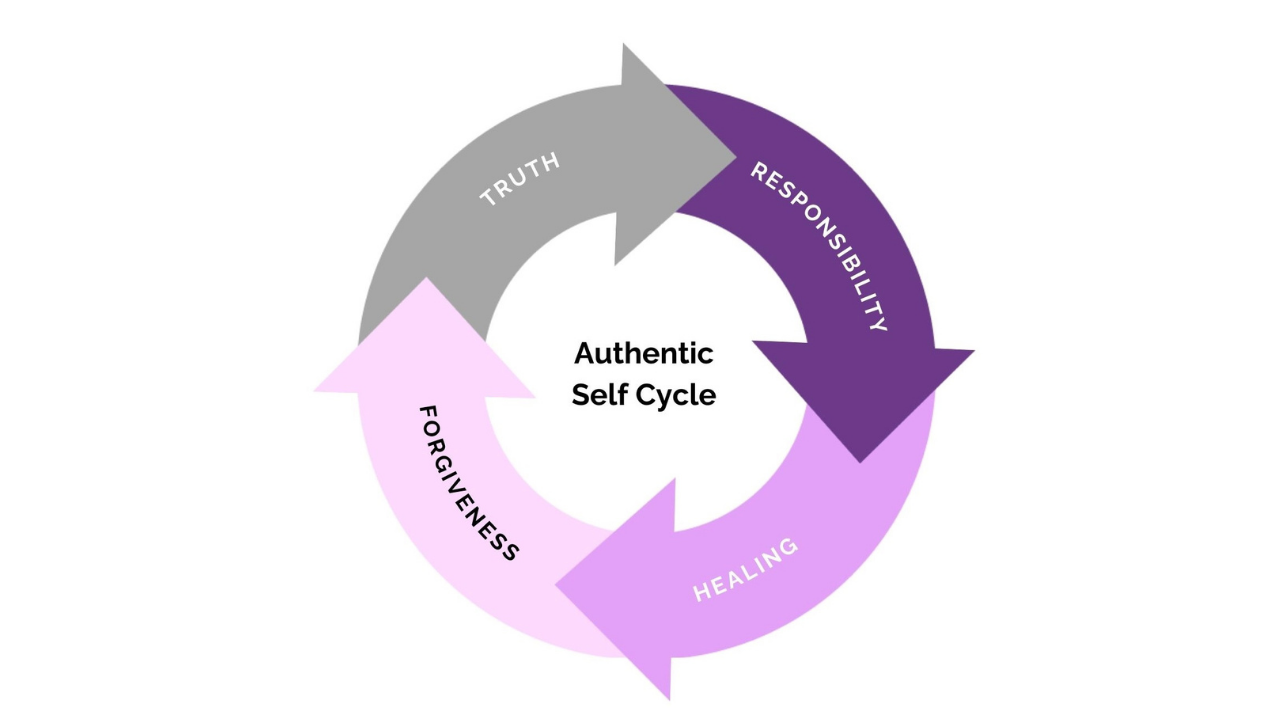
Once you begin doing the emotional authenticity work, you enter a different cycle. The Authentic Self Cycle™. This is how you move from unconscious patterns to conscious healing.
Truth
The truth is both hard and liberating: your child’s narcissism was shaped by the environment you provided. And you were shaped by the environment your parents provided. You didn’t choose to become a codependent parent any more than your child chose to become a narcissistic adult. You’re both unconscious. But that’s not a life sentence. Consciousness is possible.
Responsibility
This is where the Gabor Maté wisdom becomes crucial. Responsibility is not blame. You’re not responsible for your child’s narcissism because you’re a bad parent. You’re responsible because you’re an adult with the capacity to heal your own nervous system. You can’t fix them. But you can fix the part of you that’s been trying to fix them for decades.
Healing
Healing happens when you reparent yourself. When you become the consistent, emotionally safe, validating parent to yourself that you may not have had growing up. When you stop abandoning yourself to manage your child’s emotions. When you do the nervous system work of feeling safe in your own body again.
Forgiveness
Forgiveness isn’t about your child. It’s about you. You forgive yourself for not knowing what you didn’t know. You forgive yourself for the unconscious patterns you passed down. You forgive yourself for trying so hard and still not being enough to heal someone who doesn’t want to be healed. That forgiveness is what sets you free.
That’s you… finally giving yourself the forgiveness you’ve been begging your child to give you.
Accept That You Played a Part — And That’s Your Power
This is the hardest truth. You played a part in creating your narcissistic child.
Not because you’re a bad person. Not because you were intentionally cruel or abusive. But because you were unconscious. Your codependent patterns, your own trauma, your own unhealed wounds — all of that shaped the emotional environment your child was raised in. And that environment taught them that survival required narcissism.
Here’s the Gabor Maté quote that changes everything: “We don’t blame people for having unconscious patterns. Instead, we try to make them conscious.” This is the most loving thing you can do. Not to your child. To yourself.
When you take responsibility for the unconscious patterns you passed down, you’re not being a bad parent. You’re being a conscious one. You’re saying: I didn’t know this was happening, but now I do. And I’m going to heal it. I’m going to interrupt this pattern so it doesn’t continue.
And here’s the thing nobody tells you: healing your own patterns is the closest you’ll ever come to helping your narcissistic child. Because the moment you stop needing them to change, the moment you stop abandoning yourself to manage their emotions, the dynamic shifts. Not always. Not always enough. But the possibility opens.
More importantly, your healing breaks the cycle for the generations after them. Your grandchildren won’t inherit the same pattern. The unconscious trauma that’s been passed down for generations has a chance to end with you.
That’s not failure. That’s leadership in your own family system.
Healing your own codependent patterns is the closest you will ever come to helping your narcissistic child. When you stop abandoning yourself to manage their emotions, the dynamic shifts. Your grandchildren won’t inherit the same pattern. The generational cycle can end with you.
Recommended Reading
The Biology of Belief by Bruce Lipton. This book explains how your environment shapes your genes, not the other way around. Understanding epigenetics helps you see that your child’s narcissism is a learned response, not a life sentence. It also reframes your role from “I caused this damage” to “I can heal this pattern.”
When the Body Says No by Gabor Maté. This book documents exactly how chronic stress from trying to manage a narcissistic child shows up in your body. Autoimmune disease. Chronic pain. Digestive issues. Maté connects the dots between emotional suppression and physical illness. Reading it might be the first time you understand that your body’s breakdown isn’t weakness — it’s wisdom.
Facing Codependence by Pia Mellody. The foundational work on understanding codependent patterns — how they form in childhood and how they drive the parent-narcissist dynamic. If you see yourself in the codependent parent description above, this book will help you trace your patterns back to their origin so you can begin healing them.
Complex PTSD: From Surviving to Thriving by Pete Walker. Walker explains how repeated childhood emotional wounding creates survival responses that persist into adulthood. This book helps both parents and adult children understand why their nervous systems react the way they do — and provides a compassionate framework for recovery.
That’s you — finally understanding that you weren’t crazy for struggling. Your body and mind were responding exactly as they should to an impossible situation.
Frequently Asked Questions
Can a child actually be a narcissist?
Technically, clinical narcissistic personality disorder (NPD) isn’t usually diagnosed until late adolescence or early adulthood. But the traits can absolutely emerge in childhood. A narcissistic child displays patterns of entitlement, lack of empathy, need for control, and explosive reactions to boundaries. Whether or not they’d receive an official diagnosis, the behavioral patterns are real and the impact on you is real.
What’s the difference between a narcissistic child and a spoiled child?
A spoiled child wants things and throws a tantrum when they don’t get them. They can usually recover from disappointment. A narcissistic child feels entitled to things, attacks you when they don’t get them, and genuinely cannot comprehend that their feelings or needs might not be the priority. They can’t take responsibility for their own behavior. They blame external circumstances or other people. A spoiled child can learn. A narcissistic child can’t — unless they want to.
Should I cut off contact with my narcissistic adult child?
This is deeply personal. Some parents find that low contact is most sustainable — brief, infrequent interactions with clear boundaries. Some find that no contact is necessary to preserve their mental health. Some maintain contact but with strict emotional walls. There’s no universal answer. The question to ask yourself is: “What contact level allows me to maintain my own healing and stability?” Honor that answer.
Will therapy help my narcissistic child?
Only if they want to change. Therapy requires self-reflection, accountability, and willingness to be wrong. Most narcissists experience therapy as confirmation that everyone else is the problem. They might attend and perform recovery for a while, but without genuine motivation to change their survival strategy, lasting change is unlikely.
How do I stop feeling guilty for my narcissistic child’s behavior?
By recognizing that guilt is a learned response. You probably grew up in an environment where you were responsible for managing other people’s emotions. You learned to interpret their unhappiness as your failure. That’s not the truth. Your child’s emotional regulation is their responsibility, not yours. Healing that guilt requires tracing it back to your own childhood, grieving what you didn’t get from your own parents, and then reparenting yourself.
Can narcissism be healed?
Narcissism can shift if someone becomes willing to question their survival strategy. But it requires them to voluntarily enter the vulnerable emotional space that their narcissism was built to avoid. It’s possible. It’s rare. Don’t wait for your child to become that rare person before you begin healing yourself.
What’s the first step for a parent dealing with a narcissistic child?
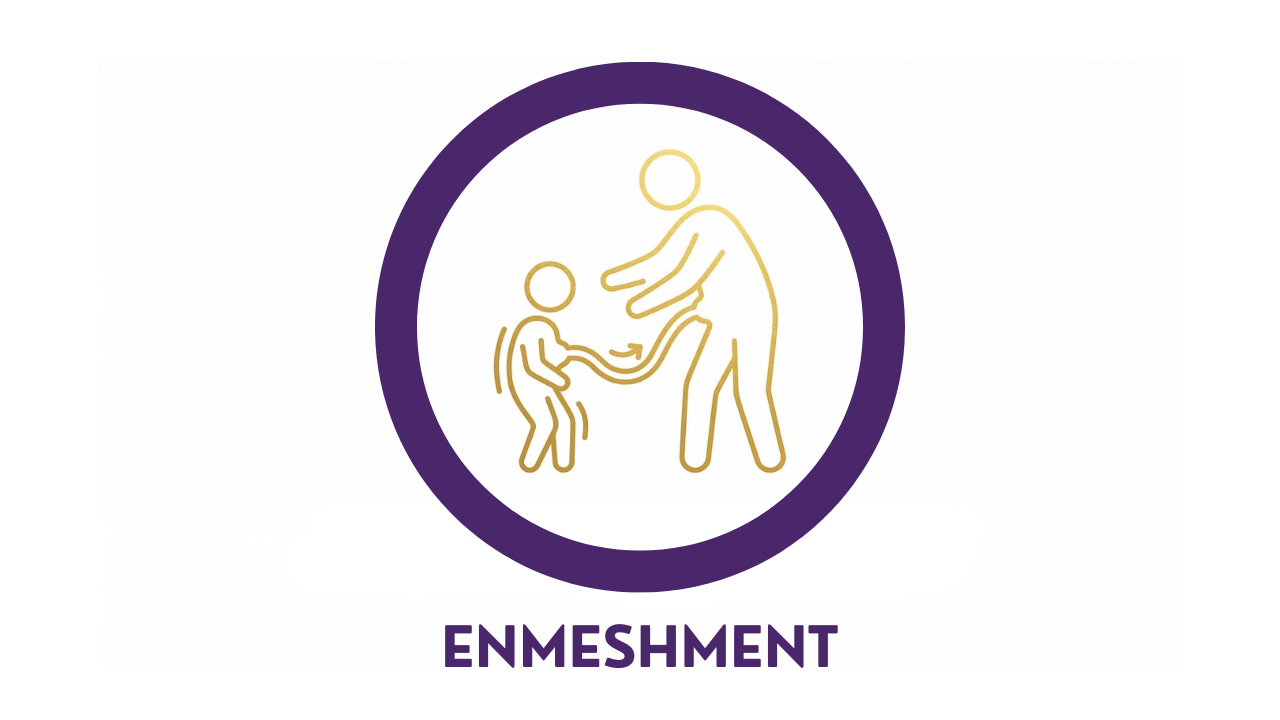
Stop trying to fix them. Start doing the work to fix yourself. Identify your own codependent patterns. Understand what wound in you created a parent willing to sacrifice everything for a child who will never appreciate it. That’s the first step. From there, everything else becomes possible. You can learn about healthy relationship patterns that actually hold. You can understand the signs of enmeshment that keep you connected even when you’re trying to separate. You can heal.
Your Next Step
You’ve spent years managing a narcissistic child’s emotions. Trying to get them to understand. Abandoning yourself hoping they’d finally love you the way you need to be loved. Your nervous system is exhausted. Your body is keeping score. Your hope is running dry.
It’s time to stop doing external work and start doing internal work. That’s what The Greatness U is designed for. It’s not another self-help program telling you to set boundaries and move on. It’s nervous system work for the high-functioning, intelligent, emotionally exhausted parent who’s finally ready to heal the part of themselves that’s been locked in this dance with their narcissistic child.
The people in The Greatness U understand because they’ve been there. They’ve made promises they couldn’t keep. They’ve felt the shame of being manipulated by their own child. They’ve walked around with their stomach in knots waiting for the next interaction. And they’ve found a way through.
You can too. But it requires you to shift your focus from changing them to changing yourself. That’s where the real power lies.
Start where it makes sense for you:
- Emotional Blueprint Starter Course — Individual ($79) — Your individual starter roadmap for understanding your emotional blueprint and survival persona
- Relationship Starter Course — Couples ($79) — A framework for healing the relationship patterns that lock you into the narcissist-codependent dance
- Why We Can’t Stop Hurting Each Other ($479) — Deep-dive into the cycles that keep families stuck in painful repetition
- Why High Achievers Fail at Love ($479) — For the parent who has succeeded at everything except the relationships that matter most
- The Shutdown Avoidant Partner ($479) — Understanding the attachment patterns behind withdrawal and emotional distance
- Tier 1: Mapping the Blueprint ($1,379) — The comprehensive program for full nervous system rewiring and emotional blueprint healing
Not sure where to start? Try the Feelings Wheel exercise — it’s free, it takes five minutes, and it will show you how disconnected you’ve become from your own emotional truth.
You can also explore the signs of enmeshment in your family, learn about relationship insecurity patterns, or understand what genuine self-esteem actually looks like when it’s not built on a survival persona.
The Bottom Line
Right now, you’re living in the space between hope and despair. You hope your child will change. You hope that next conversation will be different. You hope that if you just say the right thing, if you just validate them enough, if you just sacrifice a little more, something will shift. And after every interaction, you sink into despair because nothing has shifted. It never does.
But this is not your failure. This is not proof that you were a bad parent or that you should have done something different. This is evidence of an unconscious pattern that was passed down to you, that you unconsciously passed down to your child. Neither of you chose it. Both of you are living it.
The beautiful part is this: if you’re conscious enough to see the pattern, you’re conscious enough to heal it. And when you heal your part, something shifts in the entire family system. Not because your child changes. But because you’re no longer participating in the dance the way you used to. And sometimes, that shift is enough. Sometimes it opens a door that was previously locked. And sometimes it doesn’t. But either way, you’re free.
That’s not bad parenting. That’s unconscious parenting. And consciousness is the cure.
That’s you… reading this right now because somewhere inside, you already know the answer isn’t fixing them. It’s healing you.