Tag: love addict

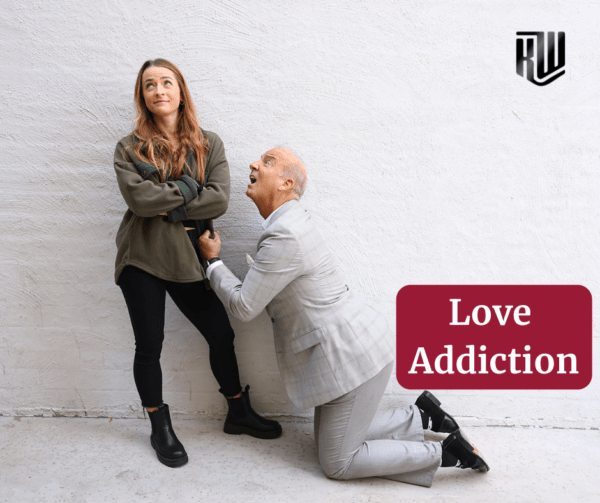
  • Love Addiction: 7 Characteristics of a Love Addict and How to Heal

    Love Addiction: 7 Characteristics of a Love Addict and How to Heal

    Love addiction is a compulsive attachment pattern rooted in childhood abandonment where you pursue relationships with an intensity driven by shame, fear, and denial—not genuine connection. You experience a Worst Day Cycle™ of trauma, fear, shame, and self-deception that keeps you chasing unavailable partners, seeking relief from your inner abandonment wound through another person. Love addicts sacrifice authenticity, boundaries, and self-worth in desperate attempts to feel complete, creating a predictable chemistry with Love-Avoidants that reenacts childhood trauma rather than building true intimacy. This pattern is reversible through the Emotional Authenticity Method™ and the Authentic Self Cycle™, which rewire your nervous system and reconnect you to your real self.

    If you’ve ever felt like you can’t stop pursuing someone—even when they’re clearly wrong for you—you’re not broken. You’re caught in a cycle. A cycle that started before you even knew what love was supposed to look like. Before you learned that your worth wasn’t dependent on whether someone chose you. That cycle is called love addiction, and it’s far more common than you think.

    Love addicts aren’t in love with people. They’re in love with the fantasy of being rescued. With the idea that one more text, one more apology, one more chance will finally make them feel whole. The reality? They’re reenacting a wound from childhood—usually abandonment—and their brain literally can’t tell the difference between that pain and actual love.

    That’s you — if you’ve ever canceled your own plans the moment someone you liked texted you back.

    . Your nervous system became chemically addicted to the pursuit-withdrawal cycle, confusing intensity with intimacy. The Worst Day Cycle™ explains the loop. The Emotional Authenticity Method™ (6 steps including Feelization) and the Authentic Self Cycle™ rewire the pattern at the nervous system level — not through willpower, but through somatic practice.

    What Is Love Addiction?

    Love addiction isn’t about loving too deeply. It’s about the compulsive pursuit of connection to avoid the core wound: abandonment. Most love addicts grew up with parents who were emotionally unavailable, inconsistent, or literally absent. As a child, you internalized the message: “My worth depends on whether this person stays with me.”

    That’s you — if you’re constantly seeking reassurance that your partner hasn’t left you yet.

    Your brain learned early that abandonment equals death (literally, as a helpless child). So it built a survival strategy: become indispensable. Chase. Merge. Disappear into another person so they can’t leave. The problem? That strategy worked in childhood to keep you alive, but now it’s keeping you addicted to people who trigger the exact same wound.

    That’s you — the one who knew exactly what your parent needed before they said a word, and now you do the same thing with every partner.
    Codependence patterns: emotional dependency and love addiction in relationships

    The real difference between genuine love and love addiction? Genuine love expands you. It makes you more yourself, more alive, more free. Love addiction shrinks you. It’s about getting smaller, smaller, smaller—erasing your needs, your boundaries, your reality—just to feel less abandoned.

    The Worst Day Cycle™ That Keeps You Trapped

    Understanding the Worst Day Cycle™

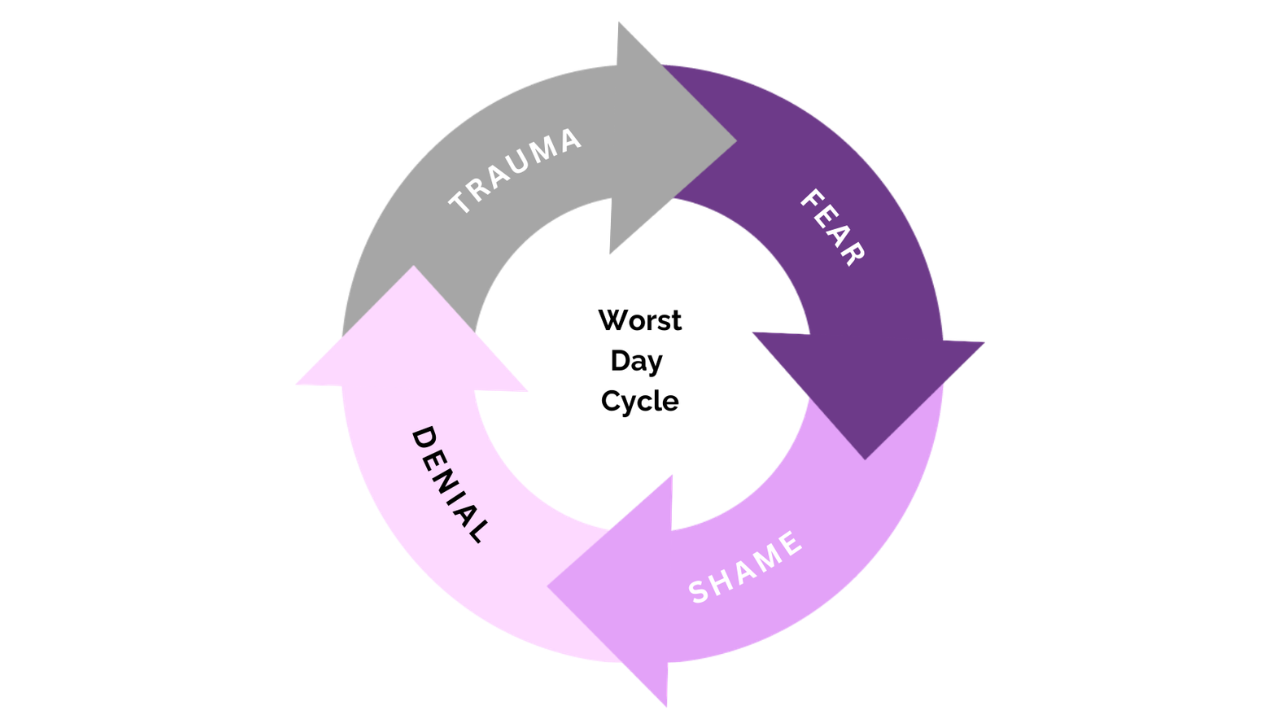
    The Worst Day Cycle™ is the neurological loop that keeps love addicts attached to people and patterns that hurt them. It has four stages:

    1. Trauma: An abandonment wound, usually from childhood. Your caregiver was unavailable, inconsistent, or left. Your child brain interpreted this as “I’m not worthy of being loved.”
    2. Fear: That wound gets triggered (your partner is distant, they don’t text back, they’re considering leaving). Your amygdala fires. Your nervous system floods with cortisol and adrenaline. You feel like you’re about to die.
    3. Shame: Fear turns inward. “What’s wrong with me? Why can’t I make them stay? I’m too needy. I’m too much. I’m not enough.” This shame cocktail is actually a mixture of cortisol, adrenaline, and serotonin depletion—your brain’s way of making you feel small and powerless.
    4. Denial: Instead of facing the reality (“This person doesn’t want to be with me” or “This relationship is hurting me”), you escape into fantasy. “Maybe if I just try harder. Maybe if I become perfect. Maybe they’ll change.” Denial is self-deception. It’s your survival persona taking over, lying to you about what’s actually happening.

    Then the cycle repeats. And every time it repeats, your brain releases a little hit of dopamine when your partner finally responds or comes back. You get addicted to the relief.

    That’s you — if you obsess about text timing: “They took 2 hours to respond, but usually it’s 20 minutes. What did I do wrong?”

    The Worst Day Cycle™ is a neurological addiction loop, not a character flaw. Your brain can’t distinguish between the original abandonment trauma and the current relationship trigger. It’s replaying 70%+ of the messaging from your childhood: “Your value depends on whether they want you.” Each time your partner distances or shows inconsistency, that threat signal feels like death. Your body floods with a chemical cocktail designed to make you chase—to do whatever it takes to make the threat (abandonment) go away.

    7 Characteristics of a Love Addict

    If you see yourself in most or all of these seven characteristics, you’re likely caught in the love addiction cycle. The good news? Awareness is the first step to rewiring your nervous system and stepping into your Authentic Self.

    1. You Pursue Connection With Intensity That Feels Like Desperation

    Love addicts don’t pursue connection—they pursue relief from abandonment. That feels like intensity. Neediness. Obsession. You’re not chasing the person; you’re chasing the feeling of NOT being abandoned. The distinction matters.

    When someone you’re interested in goes cold, you don’t think “Okay, they’re not right for me.” You think “What did I do? How do I fix this? I need to make them want me again.” Your entire emotional state becomes dependent on their response. Your mood swings wildly based on whether they texted you back.

    That’s you — if your first instinct when someone doesn’t text is to text them more.

    2. You Fantasize About Potential Instead of Seeing Reality

    Love addicts are expert screenwriters. You create elaborate stories about who your partner could be, the future you could have together, the transformation that’s coming. You hold onto one kind act or one vulnerable moment and build an entire fantasy architecture around it.

    Meanwhile, the actual person in front of you is treating you poorly, showing you inconsistency, or clearly isn’t interested. But your brain literally can’t see that—because the fantasy is protecting you from the abandonment wound. If you admit they’re not right for you, you face the core fear: “I’m unlovable.”

    What you’re actually addicted to is the fantasy. The potential. The story you’re telling yourself.

    3. You Prioritize Your Partner’s Needs and Emotions Over Your Own

    Your partner’s mood becomes your mood. If they’re sad, you feel responsible for fixing it. If they’re happy, you can finally relax. Their emotional state literally controls your nervous system.

    That’s you — if you’ve canceled plans with friends because your partner seemed distant.

    Love addicts operate from a core belief: “My safety depends on managing their emotions.” So you become a chameleon. You shape-shift to match what they need. You suppress your needs, your opinions, your desires—all to prevent the abandonment trigger.

    This isn’t love. This is a survival strategy. And it’s exhausting.

    4. You Experience Intense Panic When Connection Is Threatened

    When your partner doesn’t text back for hours, when they talk about space, when they mention an ex—your nervous system goes into full threat mode. Your heart races. Your thoughts spin. You can’t focus. You feel like you’re dying.

    That’s not normal relationship nervousness. That’s your abandonment wound screaming. Your brain interprets relationship uncertainty the same way it interprets physical danger. Your amygdala has hijacked your cortex.

    That’s you — lying awake at 2 AM, heart racing, replaying every word they said, analyzing it for signs they’re about to leave.

    You might find yourself doing desperate things: creating fake social media profiles to check if they’re online, texting them repeatedly, showing up unannounced, threatening self-harm if they leave. These aren’t character flaws—they’re the symptoms of a nervous system in chronic threat.

    5. You Make Huge Personal Sacrifices for People Who Don’t Reciprocate

    You move across the country for someone. You leave your job. You stop calling your family. You compromise your dreams, your values, your timeline—all for a relationship that’s fundamentally unequal.

    That’s you — if you’ve made major life decisions based solely on where your partner was.

    And the other person? They probably didn’t ask you to. In fact, they might have explicitly asked you not to. But your brain interpreted their hesitation as a threat, so you doubled down on the self-sacrifice.

    The deep belief driving this? “If I give enough, love enough, sacrifice enough, they won’t leave me.”

    6. You Stay in Relationships That Are Clearly Unhealthy

    Love addicts are famous for this: staying with someone who’s unfaithful, emotionally abusive, distant, or just fundamentally incompatible. When friends express concern, you defend your partner. When you feel the red flags, you rationalize them.

    “They’re just stressed.” “This is just a rough patch.” “They love me deep down.” “Nobody’s perfect.”

    Sound familiar — making excuses for someone who treats you poorly because the alternative is facing the truth about yourself?

    You’re not in denial because you’re weak or foolish. You’re in denial because your brain literally can’t process the reality—because that reality means facing the core wound: “I am unlovable.”

    Love addicts use denial as a survival mechanism, not a character choice. The brain is an automatic pattern-recognition machine. It can’t decipher right from wrong. It only knows what it’s already lived. If your childhood taught you “I’m not worthy” and “I have to chase to be loved,” then a partner who makes you chase feels familiar. Feels safe. Even when it’s destroying you.

    7. You Feel Incomplete Without a Romantic Relationship

    A love addict would rather be in an unhealthy relationship than be single. The thought of being alone is literally unbearable. Not because you enjoy relationships—but because being alone means facing yourself. Your inner world. The abandonment wound that’s been running your life.

    Single periods are filled with obsessive searching. Dating apps all night. Cycling through exes. Creating drama with friends because you’re desperate for connection. The intensity of your need reveals the truth: you’re not looking for a partner. You’re looking for a rescue.

    That’s you — if you’ve started a new relationship before the last one was even over.

    Survival Personas and Love Addiction

    Your survival persona is the adaptive mechanism your nervous system created to keep you safe in an unsafe childhood. There are three primary survival personas, and love addicts typically embody one or more of these:
    Survival persona types: falsely empowered, disempowered, and adapted wounded child in trauma responses

    The Falsely Empowered Survival Persona

    This persona operates from: “I’ll control everything so I can’t be abandoned.” These love addicts are often high-achievers, people-pleasers, caretakers. That’s you — if you’ve ever overperformed at work hoping it would somehow make your partner love you more. They believe if they’re perfect enough, successful enough, helpful enough, their partner will stay.

    They pursue achievement not for themselves but as currency in the relationship. “Look at what I’ve done for you. Now you owe me. Now you have to stay.”

    The Disempowered Survival Persona

    This persona operates from: “I have no power, so I’ll disappear and merge with you.” These love addicts become invisible. They have no boundaries, no needs, no opinions. Their entire identity becomes their partner.

    They attract Love-Avoidants because they trigger no threat—they’re safe. They require nothing. The Love-Avoidant can keep their distance without the Love-Addict making demands (on the surface, at least).

    The Adapted Wounded Child Survival Persona

    This persona operates from: “I’m still that abandoned child, so I’m looking for the parent who will finally get it right.” These love addicts pursue people with obvious dysfunction or unavailability. They’re unconsciously trying to heal the original wound by winning over someone who mirrors it.
    Adapted wounded child survival persona: healing childhood wounds through adult relationships

    Love Addicts + Love-Avoidants: The Perfect Trauma Chemistry

    Love addicts almost always attract Love-Avoidants. This isn’t coincidence. This is trauma chemistry.

    A Love-Addict pursues. A Love-Avoidant runs. The Love-Avoidant distances. The Love-Addict panics. It’s a predictable, repetitive cycle that reenacts the exact abandonment wound that created both of them in the first place.

    That’s you — if you feel abandoned when your partner wants space.

    Here’s the hard truth: They’re not in love with each other. They’re in love with their childhood trauma replaying itself. Two inner children reenacting the same wound from opposite sides. The Love-Addict says, “Don’t leave me.” The Love-Avoidant says, “Don’t suffocate me.” Both are terrified. Both are running from abandonment.
    Love-Addicts and Love-Avoidants are two sides of the same abandonment coin. They fit together like two puzzle pieces carved from heartbreak. One was abandoned by distance; the other by engulfment or emotional unavailability. Together, they create a perfect storm—a relationship where the very thing each person needs (consistency, presence, space, independence) is the thing they sabotage in each other. What feels like a soulmate connection is actually a trauma bond.
    Trauma chemistry: love addiction and avoidant attachment patterns in toxic relationships

    The really painful part? When two love addicts get together, they often become Love-Avoidants with each other—because they’re both terrified of abandonment, so they both preemptively distance.

    Signs of Love Addiction by Life Area

    In Your Family

    That’s you — if your survival persona runs the show in every area of your life, not just romance.

    You try to make your parents proud through achievement or people-pleasing. You replay old abandonment patterns with siblings. You’re overly responsible for your parent’s emotional wellbeing. You feel like a caretaker rather than a child, even as an adult.

    In Romantic Relationships

    You move too fast. You merge identities quickly. You make huge sacrifices early on. You obsess about your partner’s feelings and availability. You fantasize about potential. You stay in relationships that are clearly unhealthy. You panic when your partner creates space.

    That’s you — if you’ve said “I love you” before you really knew someone.

    In Friendships

    You prioritize certain friends’ needs over your own. You feel hurt when friends don’t reach out first. You adjust your personality to match what you think your friends want. You’re overly invested in their lives and problems.

    In Work

    That’s the pattern — chasing approval from bosses the same way you chase it from partners, because the wound is the same.

    You work compulsively to prove your worth. You need constant validation from your boss or clients. You have trouble setting boundaries with colleagues. You take on extra projects to feel more secure in your job. You fear being replaced or made irrelevant.

    In Your Body and Health

    You use substances to manage abandonment anxiety. You neglect your own health needs to focus on your partner’s needs. You have stress-related physical symptoms (stomach issues, tension, sleep problems). You don’t take time for self-care because you feel guilty prioritizing yourself.
    Emotional regulation and stress management in love addiction recovery

    The Authentic Self Cycle™: Your Path to Healing

    Understanding the Authentic Self Cycle™

    The Authentic Self Cycle™ is the opposite pathway. It’s what happens when you stop denying reality and actually move through what’s real. It has four stages:

    1. Truth: You stop lying to yourself. You face what’s actually happening: “This relationship isn’t working.” “I’m not happy.” “They don’t want what I want.” “I’m doing this thing with every partner.” This is hard because it activates your core shame. But it’s the only way out.
    2. Responsibility: You stop blaming your partner or your circumstances. You own your role: “I chose to ignore the red flags. I chose to stay. I chose to sacrifice my needs. I keep attracting the same person because I haven’t healed my abandonment wound.”
    3. Healing: This is where you do the real work. You learn about your survival persona. You understand your Worst Day Cycle™. You rewire your nervous system through the Emotional Authenticity Method™. You reconnect to yourself.
    4. Forgiveness: You forgive your partner (not for their sake—for yours). You forgive your parents for creating the original wound. Most importantly, you forgive yourself for spending years chasing connection in all the wrong places.

    The Authentic Self Cycle™ breaks the addiction. It doesn’t happen overnight, but it’s the only cycle that actually heals.
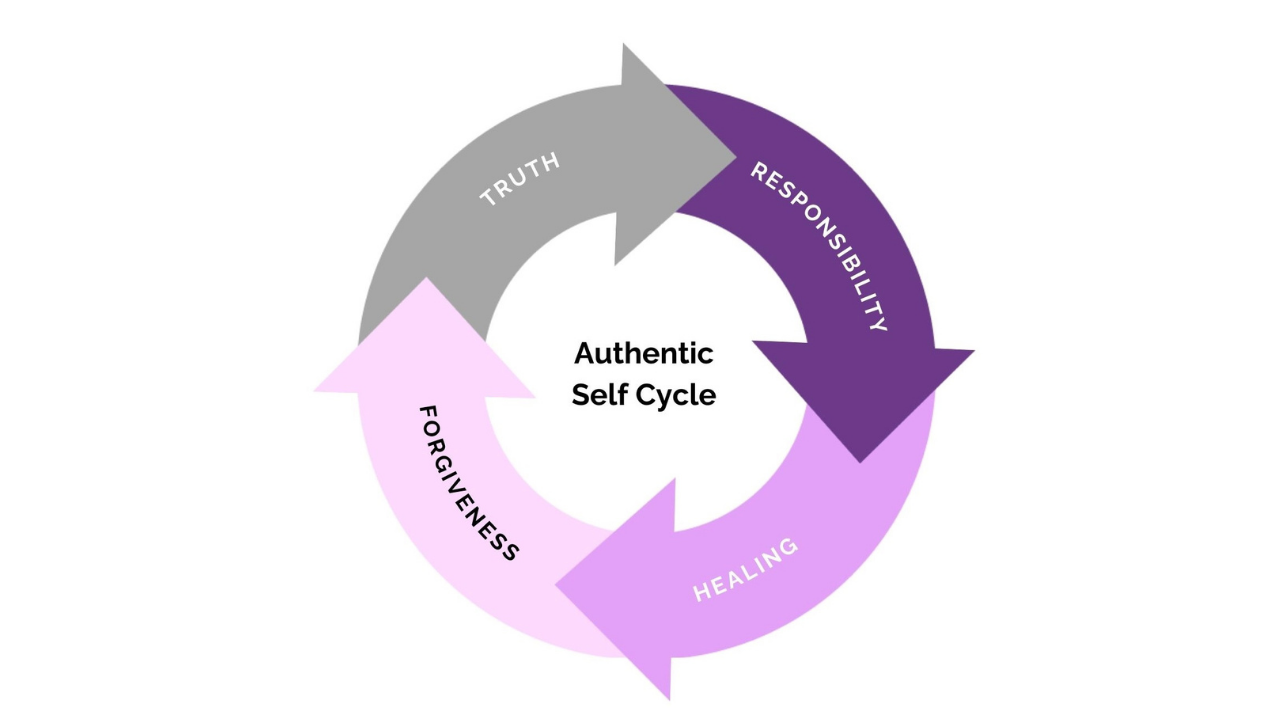
    Authentic Self Cycle: truth, responsibility, healing, and forgiveness for relationship recovery

    The Emotional Authenticity Method™: 6 Steps to Freedom

    The Emotional Authenticity Method™ is how you rewire your brain. It’s not just understanding your pattern intellectually—it’s creating new neural pathways by literally changing how you relate to your emotions.

    That’s you — if you’ve tried therapy but still felt stuck in the same patterns.

    Step 1: Somatic Down-Regulation

    Before you can think clearly, your nervous system needs to come down from threat mode. This means breathing, grounding, moving your body—anything that signals safety to your amygdala. A 4-7-8 breath. A walk. Cold water on your face. Progressive muscle relaxation.

    Step 2: What Am I Feeling?

    Once you’re regulated, ask yourself: “What am I actually feeling right now?” Not your story about what’s happening. Not your narrative. The actual feeling. Use the Feelings Wheel to identify the specific emotion beneath the surface anxiety. Is it shame? Fear? Loneliness? Rejection?

    Step 3: Where in My Body Do I Feel It?

    Emotions live in your body, not your head. Where do you feel this feeling physically? In your chest? Your stomach? Your throat? Get specific. This is the pathway back to your Authentic Self.

    Step 4: What’s the Earliest Memory of This Feeling?

    Trace this feeling back to its origin. When was the first time you felt this specific feeling? Usually, it goes back to childhood. Your parent was unavailable. They left. They chose someone else. They criticized you. The feeling you’re having right now is actually that original feeling, triggered again.

    Step 5: Who Would I Be Without This Feeling?

    This is the crucial question. If you didn’t have this abandonment fear, this shame, this need for validation—who would you be? What would you want? What would you choose? This is the beginning of reconnecting to your Authentic Self.

    Step 6: Feelization—Creating a New Emotional Chemical Addiction

    Here’s where the real magic happens. Feelization is the practice of sitting in the feeling of your Authentic Self—and creating a new emotional chemical addiction to that feeling instead of to abandonment and chase.

    First, you drop out of your head and into the feeling of being fully present with yourself. What does your Authentic Self feel like? Safety? Freedom? Wholeness? Aliveness? Sit in that feeling. Actually feel it in your body. Don’t visualize it—feel it. Your nervous system needs to experience this chemical state so your brain learns it as “safe.”

    Then ask: “How would I respond to this situation from this feeling?” From your Authentic Self—not from fear, not from shame, not from your survival persona. How would your Real Self handle this relationship? This triggering moment? This abandonment fear?

    Visualize yourself operating from that feeling. See yourself responding with boundaries. With clarity. With self-respect. Feel the feeling of that version of you. Stay there. Your brain is literally building new neural pathways. You’re training your nervous system to get addicted to your Authentic Self instead of to the chase.
    Feelization creates new emotional chemical addiction by rewiring your nervous system’s reward system. When you stay in the feeling of your Authentic Self—calm, present, safe, whole—your brain releases endorphins, serotonin, and oxytocin. Over time, this becomes your baseline. You become addicted to feeling good about yourself instead of addicted to the highs and lows of pursuing someone unavailable. This is how you break the cycle.
    Emotional Authenticity Method: six-step process for healing attachment wounds and creating authentic connection

    FAQ: Love Addiction Questions

    Is love addiction the same as codependency?

    Love addiction and codependency are related but not identical. Codependency is the broader pattern of prioritizing others’ needs over your own and seeking worth through relationships. Love addiction is a specific manifestation of codependency—an addictive attachment to pursuing connection. All love addicts are codependent, but not all codependent people are love addicts. A love addict feels compulsive, obsessive, driven by panic. Codependency is the framework; love addiction is one particular way it shows up.

    Can two love addicts have a healthy relationship?

    Two love addicts together often create a dynamic where they both get triggered and both desperately try to prevent abandonment. The relationship can become chaotic, enmeshed, and volatile. It’s possible for two people with love addiction patterns to heal individually and then build something healthy—but not while both are still operating from the addictive pattern. The healing has to come first. Check out our post on the signs of enmeshment to see if this applies to your relationship.

    How do I know if I’m a love addict or just really into someone?

    Being into someone is wonderful. You’re excited, you want to spend time with them, you think about them. But you can still maintain your own life, your own friendships, your own identity. A love addict loses their identity in the relationship. They panic when their partner creates space. They sacrifice major life decisions. Their mood depends entirely on their partner’s availability. Their self-worth becomes conditional on being chosen. If your relationship has caused you to shrink, sacrifice, or become obsessed, you’re likely in love addiction.

    Why do love addicts keep choosing the same type of person?

    Because your brain is an automatic pattern-recognition machine. It learned a specific template in childhood—usually from your abandoning or emotionally unavailable parent. Your brain looks for that template in partners because it’s familiar. Familiar feels safe, even when it’s destructive. You keep choosing the same type because you haven’t rewired the template yet. The Emotional Authenticity Method™ actually changes the template your nervous system is looking for.

    Is love addiction treatable?

    Absolutely. Love addiction is rooted in a wound—abandonment—that can be healed. It’s not something you’re born with; it’s something you learned. And what was learned can be unlearned. The Authentic Self Cycle™ and the Emotional Authenticity Method™ directly address the wound and rewire your nervous system. Thousands of people have moved through this pattern and built genuinely healthy, reciprocal relationships. The key is doing the actual work—not just understanding the pattern, but practicing the new pathway.

    Can I heal love addiction while still in the relationship?

    It’s extremely difficult. When you’re in the triggering relationship, your nervous system is constantly in a state of fear or chase. It’s like trying to learn a new skill while someone’s constantly distracting you. Healing typically requires creating space—either physical space (leaving the relationship or taking a break) or emotional space (deep boundary work). Many people find it necessary to leave in order to rewire. Others do the work within the relationship but with serious boundary practices and support. The honest answer: if your relationship is actively triggering your love addiction pattern, healing while staying is much harder.

    The Bottom Line

    You’re not broken because you love too much. You’re caught in a cycle that started before you had any choice in the matter. An abandonment wound from childhood that your nervous system is compulsively trying to heal through another person.

    But here’s the revolution: You can rewire this. You can break the cycle. You can reconnect to your Authentic Self—the part of you that knows your worth isn’t dependent on whether someone chooses you. The part of you that can stand alone and feel whole.

    The Worst Day Cycle™ can become the Authentic Self Cycle™. The chase can become peace. The fantasy can become reality. The addiction can become freedom.

    This isn’t something that happens overnight. It requires facing the shame, feeling the abandonment wound, and consciously creating new neural pathways through the Emotional Authenticity Method™. But every single person who has done this work knows it’s worth it.

    You deserve a relationship where you’re not constantly performing, constantly anxious, constantly afraid. You deserve to be chosen—not because you’ve sacrificed everything—but because you’re genuinely, authentically, fully yourself. That version of you is in there. And it’s waiting for you to come back home.

    Recommended Reading

    Facing Love Addiction by Pia Mellody is the definitive resource on love addiction. Mellody’s framework directly informed much of our work. She breaks down the specific patterns of love-addicted individuals and provides practical pathways toward recovery.

    Also recommended:

    • The Myth of Normal by Gabor Maté—Essential for understanding how childhood trauma creates adult patterns
    • Codependent No More by Melody Beattie—A classic that shows how to reclaim your own life
    • Attached by Amir Levine and Rachel Heller—The neuroscience of attachment styles made accessible
    • Dare to Lead by Brené Brown—On vulnerability and shame, which are core to healing
    • The Body Keeps the Score by Bessel van der Kolk—How trauma lives in your nervous system and how to heal it

    Take the Next Step

    Ready to Break the Cycle?

    Understanding love addiction is the first step. Healing it requires rewiring your nervous system and reconnecting to your Authentic Self. We’ve created specific courses designed to guide you through this process.

    Explore these options:

    Emotional Blueprint Starter Course — Individual ($79)
    Relationship Starter Course — Couples ($79)

    For deeper transformation:

    Why We Can’t Stop Hurting Each Other ($479)
    Why High Achievers Fail at Love ($479)
    The Shutdown Avoidant Partner ($479)
    Tier 1: Mapping the Blueprint ($1,379)

    Each course includes the Emotional Authenticity Method™ framework, specific exercises for your pattern, and the support you need to rewire your attachment system.

    Start with the Life-Changing Exercise: The Feelings Wheel—a free tool that helps you identify the emotions driving your love addiction.

    Explore Related Topics

    Emotional blueprint framework: understanding the root patterns behind love addiction and attachment wounds

  • Why Exes Come Back: The Abandonment Wound Behind the Push-Pull Cycle

    Why Exes Come Back: The Abandonment Wound Behind the Push-Pull Cycle

    Why does your ex come crawling back the moment you move on? You finally start healing, you meet someone new, you feel a flicker of peace — and suddenly they reappear. The texts start again. The declarations of love. The promises to change. Your nervous system floods with hope, confusion, and that familiar ache that whispers: maybe this time it’s real. But here’s the truth most relationship advice won’t tell you: your ex isn’t coming back because they love you. They’re coming back because their abandonment wound just got triggered — and you’re the closest person who can medicate it.

    This pattern has nothing to do with romance and everything to do with childhood trauma. The person who left you — who said they weren’t sure, who pulled away when things got close — is operating from a love-avoidant survival persona. Their conscious fear is intimacy. Their subconscious fear is abandonment. And the moment you move on, that subconscious terror erupts. They don’t know they’re doing this. It’s not malicious. But it’s not love either.

    That’s you if you’ve taken them back before — and watched them leave again the moment things got comfortable. That’s you if you’re reading this at 2 AM wondering whether to respond to their message.

    Why exes come back — codependence and abandonment patterns in relationships

    Table of Contents

    Why Exes Come Back: The Abandonment Wound Behind the “I Want You Back”

    When your ex comes crawling back after you’ve moved on, it looks like love. It sounds like love. They say the right things. They profess devotion. They might even have a ring. But what’s actually happening is a neurochemical alarm going off in their nervous system — and it has almost nothing to do with you.

    The person who returns when you move on is operating from a deep, unhealed abandonment wound that was installed in childhood. Their nervous system registers your departure not as a breakup, but as the original abandonment they experienced as a child — and they will do anything to make that feeling stop.

    Emotional blueprint showing childhood abandonment patterns driving ex returning behavior

    Here’s what most people miss: this person likely left you first. They pulled away. They said they weren’t sure. They avoided intimacy, created distance, found excuses to not be present. Their primary conscious fear is intimacy — being truly known terrifies them because being known in childhood meant being consumed, enmeshed, or having the life sucked out of them.

    That’s you if you watched them slowly disappear from the relationship — too busy, too tired, too distracted — and then the moment you finally accept it’s over, they show up declaring eternal love.

    But underneath that fear of intimacy lives something deeper: a subconscious fear of abandonment. Even though they were the one who left, even though they created the distance, even though they said they weren’t sure — the moment you move on, their deepest wound screams. And they come running back. Not to love you. To silence the wound.

    That’s the pattern: they approach, they pull away, you grieve, you move on, they panic, they return, you take them back, they feel safe, they pull away again. Over and over until someone breaks the cycle.

    The Love Addict and Love Avoidant Dance: Two Wounded Children in Adult Bodies

    Every codependent relationship has two dynamics. We’ve all been raised codependent — every version of relationships we’ve seen in movies, on TV, and in our families is codependent. We rarely have an example of an actual healthy relationship model. This is partially responsible for the high divorce rate and why relationships feel so chaotic.

    Trauma chemistry showing the love addict and love avoidant push-pull cycle

    The two positions in this dance are the love addict and the love avoidant:

    The love addict’s primary conscious fear is abandonment — “don’t leave me.” They’re clingy. They’ll do anything you want. They sacrifice themselves to maintain connection. But their subconscious fear — what they’re not aware of — is actually intimacy. They don’t truly want to get close even though they’re professing they want to be close. They want the pursuit, the intensity, the drama of almost-love. Genuine, quiet intimacy terrifies them.

    The love avoidant’s primary conscious fear is intimacy — “don’t get close to me.” They were enmeshed as children. They had the life sucked out of them by a parent who used them as a best friend, confidant, or emotional spouse. So they put up distancing techniques all over the place. Many people mischaracterize these as narcissists. But their subconscious fear is abandonment — because while they were given all that false power in childhood, nobody was actually taking care of them. If mom and dad made them the golden child, the confidant, the caretaker — that means nobody was parenting them. They were horrifically abandoned while being simultaneously consumed.

    That’s you if you’re the one who always pursues — texting first, planning dates, initiating emotional conversations — while they seem perpetually just out of reach. Sound familiar? You’re the love addict. They’re the love avoidant. And you found each other because your wounds are a perfect, devastating match.

    When the love avoidant leaves and you finally get quiet — when you stop chasing, stop texting, start pursuing your own life — their abandonment wound fires. And they come running back. If it’s a woman, she might put on the lingerie, dress up, create romance. If it’s a man, he might plan a romantic weekend, get suddenly open and vulnerable. They’ll say: “I’m so sorry I’ve been distant. I’m going to change.” And you think: this is the real them. This is who we were when we met.

    That’s you if you’ve had that brief honeymoon after they came back — and then watched it dissolve within days or weeks as they pulled away again. They got their power back. The abandonment alarm went silent. And the intimacy fear returned.

    Enmeshment patterns showing love avoidant childhood wounding and adult relationship dynamics

    The Worst Day Cycle™: Why This Pattern Repeats Endlessly

    The Worst Day Cycle™ is the four-stage neurological loop driving the entire push-pull dynamic. Childhood trauma is any negative emotional experience that created painful meanings about yourself, others, or the world. The hypothalamus generates chemical cocktails — cortisol, adrenaline, dopamine, oxytocin misfires — and your brain becomes addicted to these emotional states because the brain conserves energy by repeating known patterns. It can’t tell right from wrong, only known versus unknown. Since 70%+ of childhood messaging is negative and shaming, adults repeat these painful patterns in relationships, career, hobbies, health — everything.

    The Worst Day Cycle showing trauma fear shame denial loop driving ex returning behavior

    Stage 1: Trauma. The original wound. For the love avoidant, it’s enmeshment — being consumed by a parent. For the love addict, it’s abandonment — being left by a caregiver. Both carry chemical imprints that activate in adult relationships as if the original trauma is happening right now.

    Stage 2: Fear. Fear drives repetition. The avoidant fears intimacy, so they pull away. The addict fears abandonment, so they cling. Both are choosing the known pattern over the unknown possibility of something healthy. Your brain thinks repetition equals safety — it can’t distinguish between familiar pain and actual security.

    That’s you if you keep choosing the same type of partner over and over — your nervous system is running the same childhood program on repeat.

    Stage 3: Shame. Shame is where you lost your inherent worth. The addict thinks: “I’m not enough to keep them.” The avoidant thinks: “If they really knew me, they’d consume me.” Both are operating from “I am the problem” — not “I made a mistake” but “I AM a mistake.” This shame keeps both people locked in the cycle.

    Stage 4: Denial. To survive unbearable shame, both people create survival personas — false identities that protect them from the truth. The avoidant’s denial says “I just need space” when they’re actually running from connection. The addict’s denial says “they just need time” when they’re actually being abandoned. Three survival persona types emerge: falsely empowered (controls, dominates, rages), disempowered (collapses, people-pleases), adapted wounded child (oscillates between both).

    That’s you if you’ve been making excuses for their behavior — telling your friends “they’re just going through something” while your body knows the truth: they left because closeness terrifies them.

    The Three Survival Personas in the Push-Pull Cycle

    Three survival persona types in the love addict love avoidant relationship cycle

    The Falsely Empowered Persona: This is often the love avoidant’s primary mode. They control through distance, busyness, emotional unavailability. When they come back declaring love, they’re in a brief falsely empowered state — taking charge of the narrative, controlling the reconnection. The moment you respond and the abandonment alarm quiets, they return to controlling through withdrawal.

    That’s you if your ex always seems to have the power — they decide when to leave, when to return, and you feel like you’re always waiting for their next move.

    The Disempowered Persona: This is often the love addict’s primary mode. You collapse into the relationship. You wait by the phone. You sacrifice your own life to accommodate their inconsistency. When they come back, you abandon yourself entirely to make it work this time — changing your plans, dropping your boundaries, pretending you’re not hurt.

    That’s you if you’ve cancelled plans with friends, rearranged your entire schedule, and pretended everything was fine just to keep them from pulling away again.

    The Adapted Wounded Child: This persona oscillates between both. One day you’re furious — “I’m done, I’m never speaking to them again.” The next day you’re crying and texting them at midnight. You flip between rage and collapse depending on which survival strategy your nervous system thinks will bring relief. Neither does.

    Adapted wounded child survival persona oscillating between controlling and collapsing with ex

    That’s you if your friends are exhausted from the back-and-forth — “I’m done with them” on Monday, “I miss them” on Wednesday. That’s the adapted wounded child trying every survival strategy it knows.

    The Radar Metaphor: Why You Picked Each Other in a Room of 10,000

    Imagine walking into a room with 10,000 people. All but one of them would be emotionally available, stable, genuinely kind. The other one is the love avoidant — charismatic, slightly elusive, just unavailable enough to feel like a challenge. Like radar, your nervous system would scan past all 9,999 healthy options and lock onto the one person whose emotional signature matches your childhood wound.

    That’s you: feeling inexplicably drawn to someone while everyone around you sees the red flags you can’t name. Your trauma chemistry — the way your nervous system learned to bond through dysfunction — creates an invisible magnetic pull. Not because you’re broken, but because your brain is following the map it was given in childhood.

    Nobody ends up in a push-pull relationship with a love avoidant unless they experienced abandonment, enmeshment, or emotional unavailability in childhood. Your nervous system recognized their emotional signature as “home” — and home means familiar, not safe.

    Emotional Authenticity Method for breaking the love addict love avoidant cycle

    The Emotional Authenticity Method™: 6 Steps to Stop Taking Them Back

    The Emotional Authenticity Method™ is a 6-step process that rewires your nervous system so you stop responding to your ex’s return with hope and start responding with clarity. This isn’t talk therapy. This is somatic, chemical, neurological rewiring.

    Step 1: Somatic Down-Regulation. When the text arrives — when you see their name on your phone and your heart starts racing — pause. Focus on what you can hear for 15-30 seconds. Wind. Traffic. Your own breath. If you’re highly dysregulated, use titration: cold water on your face, step outside, hold ice. Your thinking brain cannot come online while your amygdala is running the show.

    Step 2: What am I feeling right now? Not “I miss them.” Use the Feelings Wheel to name it with precision. Are you feeling hopeful? Terrified? Abandoned? Desperate? Lonely? Emotional granularity breaks the reactive cycle and moves you from your survival persona into your thinking brain.

    Step 3: Where in my body do I feel it? The ache in your chest when you read their message — that’s not love. That’s a somatic memory. The tightness in your stomach, the heat in your face, the heaviness in your limbs. All emotional trauma is stored physically. Locate it.

    Step 4: What is my earliest memory of this exact feeling? The feeling of wanting them back likely echoes something much older. The first time love disappeared. The first time a parent withdrew. The first time you felt you had to earn someone’s presence. Your ex didn’t create this feeling — they activated the blueprint that was already there.

    Step 5: Who would I be if I never had this thought or feeling again? Not “I’d be happy.” Specific: “I’d be someone who doesn’t check their ex’s social media. Someone who doesn’t respond to midnight texts. Someone who believes they deserve consistent, available love.” This plants the seed of your authentic self — the vision step that connects you to the Authentic Self Cycle™.

    Step 6: Feelization. Sit in the feeling of who you’d be — the authentic self. Make it strong. Feel the confidence, the groundedness, the worthiness in your body. Create a new emotional chemical addiction to replace the old blueprint. Ask yourself: “How would I respond to their text from this feeling? What would I say? What would I do?” Visualize and FEEL yourself choosing yourself. This is the emotional blueprint remapping and rewiring step.

    That’s you if you’ve never been taught that you can literally rewire your nervous system by changing what you practice feeling — that the pull toward your ex is a chemical addiction, not destiny.

    Emotional regulation for managing triggers when an ex returns

    The Authentic Self Cycle™: From Trauma Bond to Authentic Love

    The Authentic Self Cycle™ is the healing counterpart to the Worst Day Cycle™ — a four-stage identity restoration system: Truth → Responsibility → Healing → Forgiveness.

    Authentic Self Cycle showing path from trauma bond to healthy love after ex returns

    Stage 1: Truth. Name the blueprint. “My ex isn’t coming back because they love me. Their nervous system is reacting to childhood abandonment, not to losing me. And my desire to take them back isn’t love either — it’s my childhood addiction to earning unavailable love.”

    Stage 2: Responsibility. Own your emotional reactions without blame. “I chose this person because their emotional unavailability matched my childhood. My partner isn’t my parent — my nervous system just thinks they are. It’s not their job to heal my childhood wound. It’s mine.”

    Stage 3: Healing. Rewire the emotional blueprint so that consistent, available love stops feeling boring and starts feeling like home. When boring people become attractive — when stability feels safe instead of suffocating — that’s when you know you’re healing. Creates a NEW emotional chemical pattern that replaces fear, shame, and denial.

    Stage 4: Forgiveness. Release the inherited emotional blueprint and reclaim your authentic self. Not forgiving your ex for the push-pull. Forgiving yourself for participating in the cycle. When you can think about them without rage, obsession, or longing — and feel genuine gratitude for what they taught you about your own wounds — you’ve graduated from this lesson.

    That’s the Authentic Self Cycle™ — the shift from chasing what hurts you to choosing what heals you.

    How the Push-Pull Pattern Shows Up Across Your Life

    Family Relationships

    The push-pull didn’t start with your ex — it started with a parent. You had a caregiver who was intermittently available: present one day, withdrawn the next. Warm and engaged, then cold and distant. You learned that love is something you have to chase, earn, and never fully trust. That template now runs every relationship in your life.

    That’s you if you’re still trying to earn approval from a parent who gives it intermittently — just enough to keep you hoping, never enough to feel secure.

    Romantic Relationships

    You fall hard and fast for people who are slightly out of reach. You stay far longer than makes sense. You interpret their distance as depth, their unavailability as mystery. You experience cycles of intense closeness followed by devastating withdrawal. And when they leave, you obsess — not because you love them, but because your nervous system is addicted to the intermittent reinforcement. Learn the signs of relationship insecurity to recognize this pattern.

    Sound familiar? That’s not romantic chemistry. That’s your Worst Day Cycle™ recognizing childhood.

    Friendships

    You attract friendships where you give more than you receive. You’re drawn to charismatic, slightly unavailable people. You over-invest in friendships that never quite reciprocate. And when a friend pulls away, you chase — just like you chased your ex, just like you chased your parent.

    That’s you if you’re always the one reaching out, always the one making plans, always wondering why you feel more invested than they do.

    Work and Achievement

    The push-pull shows up at work as over-functioning for approval. You work harder than everyone else, hoping your boss or clients will finally see your worth. You tolerate being undervalued because the intermittent praise — the occasional “good job” — keeps you hooked. Build genuine self-esteem that doesn’t depend on external validation.

    That’s you if you’ve been promoted for the very pattern that’s destroying you — your survival persona’s perfectionism is your company’s greatest asset and your nervous system’s greatest prison.

    Body and Health

    Your body has been in the push-pull too. You disconnect from physical signals. You ignore exhaustion, pain, hunger. You use food, exercise, substances, or work to numb the feelings your ex’s return activates. Chronic tension, digestive issues, insomnia — your body is keeping the score of every time you abandoned yourself to chase someone who couldn’t stay.

    That’s you if your body tightens every time you see their name on your phone — that’s not butterflies. That’s your nervous system preparing for survival.

    Perfectly imperfect self-acceptance after breaking the push-pull cycle with ex

    What to Do When Your Ex Comes Back

    The most loving thing you can do — for yourself and for them — is to stop communicating and let them learn on their own to deal with those feelings. If you try to talk them through it, if you take them back and become their emotional regulator, it robs them of the opportunity to search out the knowledge, skills, and tools to heal their own childhood wound.

    Here’s what to say: “I understand you’re hurting. I empathize with that. But I’m with someone else now, and I need to end communication with you.” Then follow through. That’s the boundary. Not with them — with yourself.

    The only boundary you can set with someone who operates from a survival persona is with YOU. Say to yourself: “I choose not to spend my life in a push-pull cycle. I choose consistent, available love. I choose myself.”

    Map out your negotiables and non-negotiables so you know exactly what you value and what you’re willing to accept. Learn the do’s and don’ts for healthy relationships so you have a template for what love actually looks like — not the childhood version, but the adult version.

    That’s you if you’re finally ready to choose peace over intensity, consistency over chemistry, and your own wholeness over someone else’s wound.

    Reparenting yourself to break the cycle of taking back an ex

    Frequently Asked Questions

    Why does my ex only want me when I move on?

    Your ex’s return is triggered by their subconscious abandonment wound, not by genuine love. When you move on, their nervous system registers it as the childhood abandonment they never healed. The declarations of love are actually attempts to silence an internal alarm — and the moment you return, that alarm quiets and their intimacy fear takes over again.

    Is my ex a narcissist if they keep coming back and leaving?

    Most people in this pattern are not clinical narcissists — they’re love-avoidant codependents operating from a falsely empowered survival persona. Many people mischaracterize love avoidants as narcissists, but the distinction matters. A love avoidant can heal. Understanding that your ex is wounded — not evil — changes how you set boundaries and how you approach your own recovery.

    Should I take my ex back if they promise to change?

    Promises made from an abandonment trigger are not commitments — they’re survival responses. The real question is whether they’ve done the deep trauma work to rewire their emotional blueprint. If they haven’t addressed the childhood enmeshment that created their intimacy avoidance, taking them back guarantees another cycle. Change requires sustained, professional support — not declarations made in panic.

    How do I stop wanting them back?

    The pull you feel isn’t love — it’s a chemical addiction to intermittent reinforcement. Your nervous system is addicted to the emotional cocktail of hope, withdrawal, and reunion. The Emotional Authenticity Method™ rewires this pattern by creating a new chemical baseline. Every time you practice Feelization — sitting in the feeling of your authentic self — you weaken the old addiction and strengthen the new blueprint.

    Can a love avoidant ever have a healthy relationship?

    Yes — if they do the deep work to heal the childhood enmeshment that created their intimacy fear. A love avoidant who addresses their Worst Day Cycle™ through the Authentic Self Cycle™ can develop secure attachment. But this requires their commitment, not yours. You cannot love someone into healing their childhood. Focus on your own blueprint.

    How long does it take to break the push-pull cycle?

    Most people see significant shifts within 6-12 months of consistent work with the Emotional Authenticity Method™. The timeline depends on how deep the pattern runs, how much professional support you get, and how willing you are to stop participating in the cycle. The moment you stop chasing, the cycle loses its fuel.

    The Bottom Line

    Your ex isn’t coming back because they finally realized your worth. They’re coming back because your departure triggered an abandonment wound they’ve been carrying since childhood. And if you take them back — if you open the door again — the cycle will repeat. The intimacy fear will return. The distance will creep back. And you’ll find yourself right here again, wondering what went wrong.

    But here’s what matters: this pattern is not your destiny. You can rewire your nervous system. You can learn to recognize the difference between trauma chemistry and genuine love. You can build emotional authenticity — the ability to feel your feelings, name your needs, and choose from wholeness instead of from wound.

    The person who keeps coming back and leaving is screaming for help with a wound you didn’t create and cannot heal. The most loving thing you can do for them is let them face it. And the most loving thing you can do for yourself is stop being the medication they use to avoid it.

    You deserve someone who stays — not someone who returns when leaving hurts. You deserve consistent love, not intermittent reinforcement. You deserve a partner who chooses you from wholeness, not from panic. That relationship is available to you the moment you stop settling for the familiar and start building the authentic.

    Start with the Feelings Wheel exercise to rebuild your emotional vocabulary. Explore the signs of enmeshment to understand the childhood pattern driving this cycle. Your authentic self — the one beneath the survival persona — is ready to choose differently.

    Recommended Reading

    • Facing Codependence by Pia Mellody — The foundational text on love addiction, love avoidance, and how childhood creates the push-pull cycle in adult relationships.
    • The Body Keeps the Score by Bessel van der Kolk — Essential reading on how trauma lives in the nervous system and drives relationship patterns.
    • When the Body Says No by Gabor Maté — How emotional repression and unresolved relationship patterns manifest as physical illness.
    • Codependent No More by Melody Beattie — Practical strategies for stopping the cycle of self-abandonment in relationships.
    • The Gifts of Imperfection by Brené Brown — A guide to wholehearted living that counters the shame keeping you bonded to unavailable partners.

    Ready to Break the Cycle?