IFS therapy fails for emotional triggers because it reinforces the trauma fragmentation it claims to heal. By teaching you to split yourself into “managers,” “exiles,” and “firefighters,” Internal Family Systems keeps you trapped in a sophisticated form of denial — managing survival personas instead of healing the childhood emotional blueprint that created them. The Emotional Authenticity Method™ created by Kenny Weiss replaces fragmentation with integration, tracing every trigger to its single childhood origin.
Internal Family Systems, or “IFS,” has become one of the most popular therapy models in the world. If you have been doing “parts work,” you have probably spent months, or even years, talking to your “manager part,” your “exile,” or your “firefighter.” You have learned to map out all the different voices in your head.
And for a while, it probably felt like a massive breakthrough. It felt validating to finally understand that you aren’t crazy — you just have different parts of you trying to survive.
But if you are reading this, you have likely hit the wall.
You can name all your parts. You can journal about them. You can even talk to them in therapy. But when you are actually in a fight with your spouse, or when you are overwhelmed with anxiety at 2:00 AM, your “Self” completely disappears, and those traumatized parts still hijack the car and drive it straight into a ditch.
That’s you… naming every “part” perfectly in your journal but becoming a completely different person the moment your partner uses that tone of voice.
You are exhausted from constantly managing a boardroom full of inner children who won’t stop screaming.
That’s you… spending years in IFS therapy and still not being able to stop the panic when the trigger actually hits.
If this is you, you are not failing at therapy. IFS is failing you.
That’s you… wondering if you’re the problem because the therapy that “works for everyone” doesn’t seem to work for you.
Here is the fundamental flaw in the IFS model, why separating yourself into endless “parts” actually prevents true emotional regulation, and how to use the Emotional Authenticity Method™ to stop managing your parts and start reclaiming your one, true Authentic Self.
Why Does Parts Work Reinforce Trauma Fragmentation Instead of Healing It?
Let’s start with the biggest problem with IFS: it teaches you to fragment yourself.
IFS operates on the premise that you are made up of multiple, distinct sub-personalities. It teaches you to view your anger as a “part,” your shame as a “part,” and your anxiety as a “part.” It even encourages you to name them and treat them like separate entities living inside your head.
Here is why that is neurologically and emotionally dangerous for a trauma survivor: When you were a child experiencing emotional pain, inconsistency, or abuse, your brilliantly adaptive brain had to fragment your authentic self to survive. You had to suppress your authentic self and split off the parts of you that were unacceptable to your parents.
Therefore, your “parts” are not you; they are your Survival Personas.
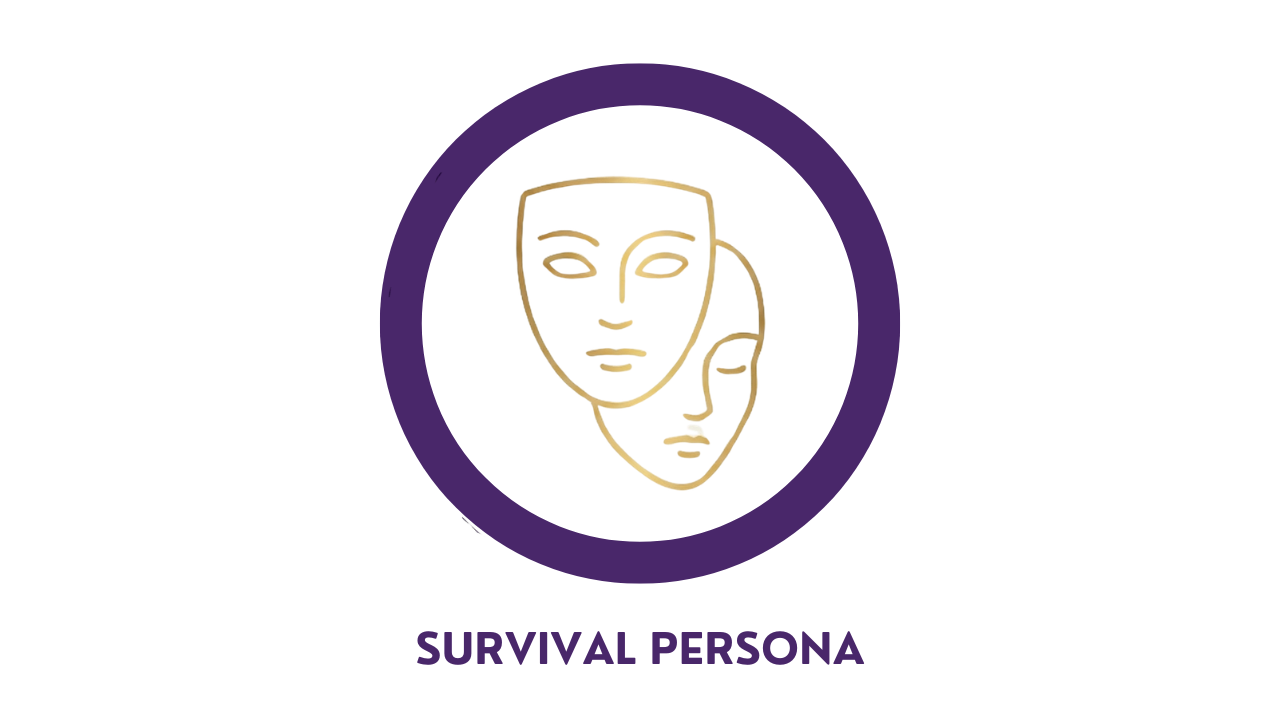
Your Survival Persona takes one of three forms. The Falsely Empowered type — what IFS calls the “manager” — rages, controls, and dominates to avoid vulnerability. The Disempowered type — what IFS calls the “exile” — collapses, people-pleases, and abandons their own needs to avoid abandonment. The Adapted Wounded Child — what IFS calls the “firefighter” — oscillates between both, sometimes controlling and sometimes collapsing depending on who they’re with.
That’s you… splitting yourself into more and more “parts” every session and feeling less and less whole.
Trauma is fragmentation.
So, when a therapy model asks you to spend years hyper-focusing on your fragmented parts, it is inadvertently reinforcing the very fragmentation that trauma created! It is keeping you in a state of emotional dissociation.
You are sitting in the passenger seat, watching these “parts” act out, saying, “Well, that wasn’t me, that was just my firefighter part acting up again.” That is a highly sophisticated form of denial. It is a backdoor way to avoid the truth.
That’s you… blaming your “firefighter part” for the rage you unleashed on your partner last Tuesday instead of taking responsibility as one whole person.
The truth is, your parts are the unhealed shame and pain that your parents never healed in themselves, and they transferred into you every time they could not emotionally regulate themselves.
Therefore, what you need to be doing is saying: “This isn’t my authentic self. This is the pain and shame my unhealed parents dumped into me. I have been carrying it for them, and I need to learn how to metaphorically give it back. This was their job to heal, not mine.”
You do not have a “firefighter part” or an “exile.” You have a Survival Persona. You brilliantly created it to become whatever your parents needed you to be, just so they wouldn’t have to feel their own unhealed pain — and so you could get whatever scraps of emotional attention they were capable of giving.
So, the more you treat those memories like separate people, the more you will never discover, reattach and operate from your authentic self. You are not a collection of broken pieces. You are one person, running an outdated, trauma-based emotional blueprint that was placed into you, which caused you to adopt a survival persona.
That’s you… finally hearing that you aren’t a collection of broken pieces — you are one whole person buried under other people’s pain.
Why Does IFS Cognitive Negotiation Fail During Nervous System Flooding?
To understand why parts work fails at real-time emotional regulation, we have to look at what actually happens when you get triggered.
I call the IFS process “The Endless Boardroom Meeting.”
Imagine your mind is a corporate boardroom. According to IFS, your true “Self” is supposed to sit at the head of the table and peacefully mediate between all your different parts. When a trigger hits — say, your partner criticizes you — the boardroom erupts into chaos. Your “manager” starts yelling, your “exile” starts crying, and your “firefighter” wants to burn the building down.
IFS teaches you to sit there and try to negotiate with all of them. “Okay, manager, I hear you. Firefighter, please step back.” But let’s be honest about what really happens. When that trigger hits, your nervous system spikes to 110 degrees. You are flooded with cortisol and adrenaline. The child-self who holds the original wound takes over. Your true “Self” doesn’t stay at the head of the table; it gets shoved into the trunk of the car, and the terrified child stomps on the gas pedal. This happens because you have been living in your Survival Persona since before you even had cognitive awareness of your Authentic Self.
That’s you… trying to hold a board meeting inside your head while your nervous system is running at 110 degrees.
But you cannot hold a peaceful boardroom meeting while you are emotionally flooded!
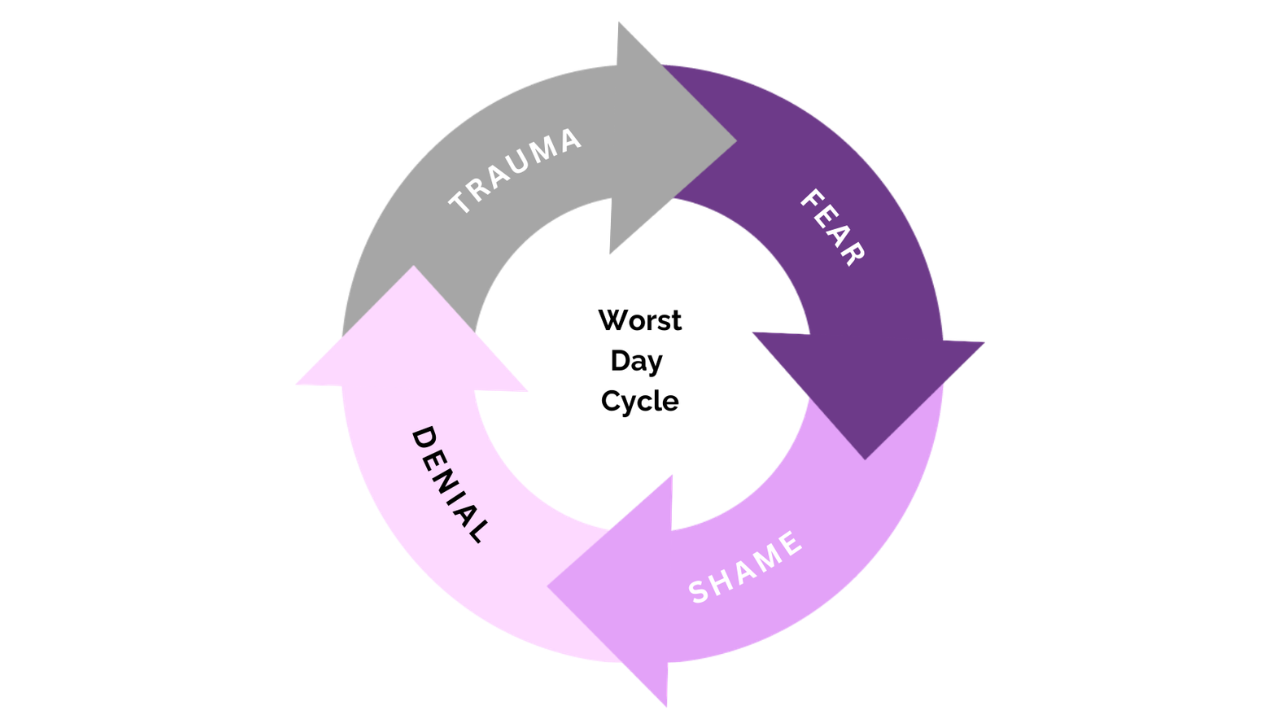
This is the fatal flaw. IFS relies on cognitive negotiation. It requires your prefrontal cortex — your logic center — to stay online to manage the parts. But neuroscience proves that when you are triggered, your prefrontal cortex shuts down. Your emotional blueprint brain takes over. Dr. Lisa Feldman Barrett’s research confirms that emotions are predictions from past experience that fire before your conscious mind comes online — you are already in the Worst Day Cycle™ before any “Self” can intervene.
That’s you… knowing exactly which “part” is acting up and being completely powerless to stop it in the moment.
You cannot talk your way out of a trigger by negotiating with a “part.” You have to regulate the nervous system first, then rewrite the survival persona’s emotional definition that is causing the panic. You don’t need to hold a meeting; you need to first lower your emotional temperature so you can rewrite your emotional blueprint software.
How Does the Puppy and the Rancid Peas Replace the IFS Parts Model?
To move past the fragmentation of parts work, we have to understand what is actually driving your behavior. It isn’t a “part.” It is your Shame-based Survival Persona.
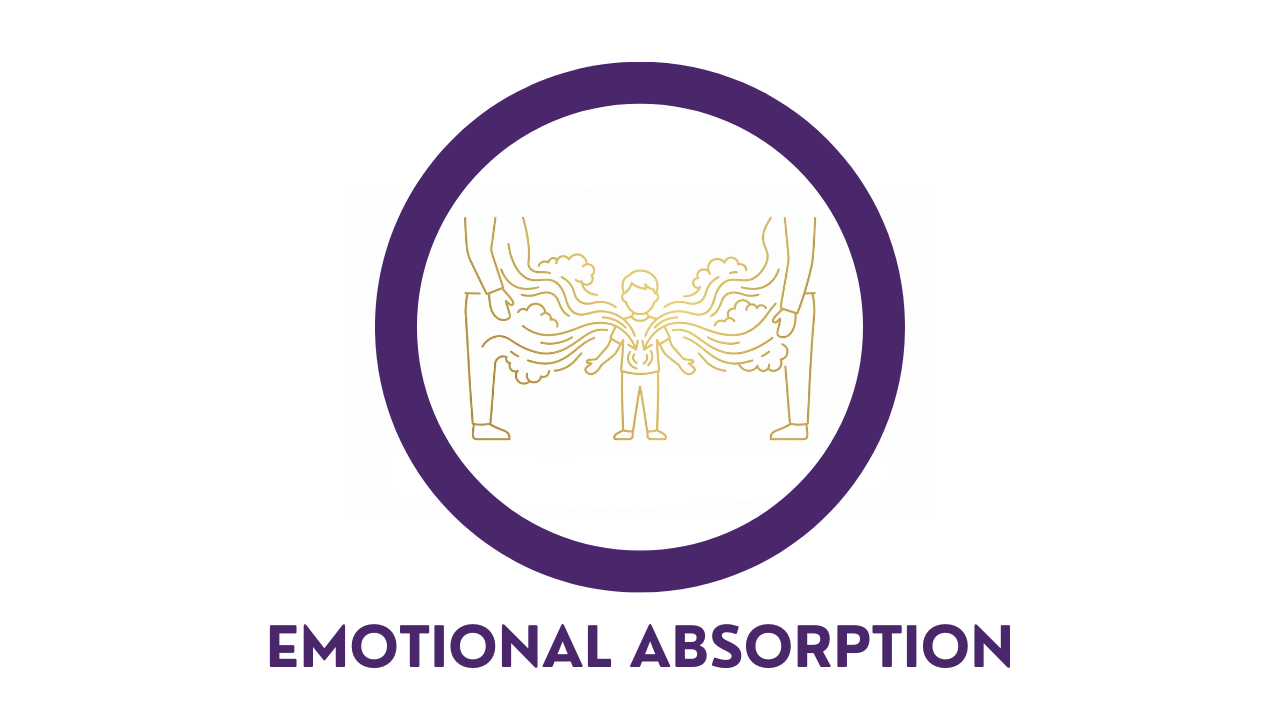
I want you to imagine a puppy circling a dinner table. The puppy is desperate for attention and affection. But the people at the table are emotionally unregulated and haven’t healed their pain and shame. Therefore, they aren’t able to consistently pet the puppy or give it good food.
Instead, periodically, they drop rancid peas onto the floor — their unhealed pain, their criticism, and their shame.
Because the puppy is starving for any kind of connection, it eats the rancid peas. It learns, “This is what love tastes like. This is what I deserve.” That puppy is your Shame-based Survival Persona. When you were a child, you absorbed the unhealed emotional pain of your perfectly imperfect parents. You internalized their shame as your own. You didn’t create a bunch of different “parts.” You simply adopted a Shame Persona to survive the emotionally unregulated rancid peas of your childhood environment.
That’s you… still circling the table, eating rancid peas, and calling it love.
So, when you get triggered today, you aren’t dealing with a rogue “firefighter.” You are dealing with that same puppy, who is carrying the rancid peas of its parents’ pain because it is the only way it knows how to survive.
You do not need to negotiate with the puppy. You need to become the adult who finally stops feeding it the toxic emotional food.
That’s you… ready to stop negotiating with the puppy and start being the adult who finally feeds it real food.
How Does the 5-Step Emotional Authenticity Method™ Replace IFS Parts Work and Actually Heal Trauma?
So, how do we stop carrying our parents’ pain, and actually regulate our nervous system? We replace parts work with the Emotional Authenticity Method™.
Instead of trying to talk to ten different sub-personalities, we are going to trace the emotion directly back to its single childhood origin, the moments your parents shoveled their unhealed pain and shame from the dinner table onto the floor, and then rewrite your emotional blueprint.
Here is exactly what you do the next time you feel that surge of panic, defensiveness, or the urge to shut down. Do not try to figure out which “part” is acting up.
Step 1: Somatic Down-Regulation and Nervous System Titration
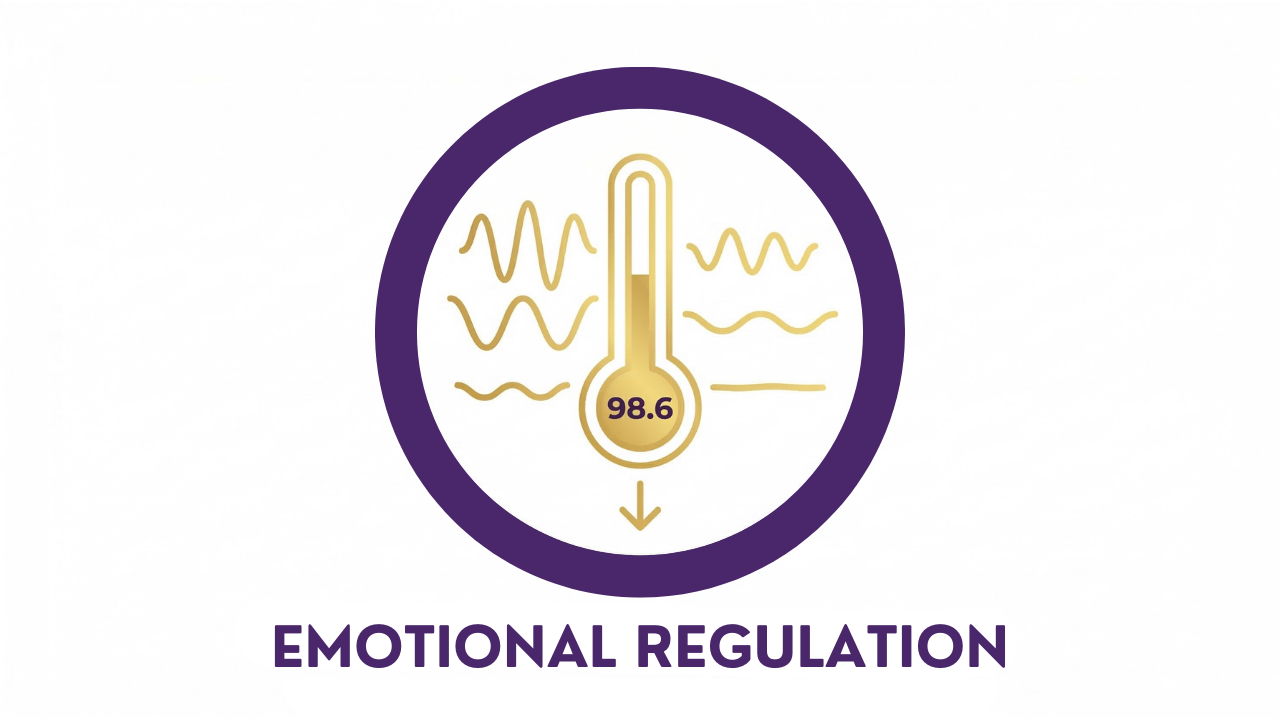
You have to stop the flood of trauma chemistry before you can do any healing. Focus entirely on your physical environment. What can you hear? What can you feel? What do you smell? Do this for 15 seconds, but the longer you do it, the lower your emotional thermostat will go. This brings your prefrontal cortex back online by activating metacognition — the space between logic and emotion. This unlocks your highest intelligence, giving you the space to investigate your internal emotional landscape from your Authentic Self, rather than your Survival Persona. IFS, on the other hand, never touches this space. Instead, it keeps your Survival Personas running the show. Depending on how triggered you are, you can use titration to lower your emotional thermostat more. Start by spending 30 seconds focusing on what you can hear. Then bring the trigger back up into consciousness (it will already feel less intense) and focus on it for 30 seconds. Then go back to listening to what you can hear. Do this three to five times. By doing so, you are unsticking your emotional thermostat and teaching it how to downregulate.
That’s you… discovering that thirty seconds of listening to the hum of the refrigerator does more for your nervous system than thirty minutes of talking to your “exile.”
Step 2: Name the Core Emotion, Not a Part
Do not name a part. Name the core emotion. Look at a feelings wheel. “I feel inadequate. I feel terrified. I feel invisible.” Get as specific and granular as possible. Dr. Lisa Feldman Barrett’s research shows that emotional granularity — the ability to make fine-grained distinctions between emotions — directly improves emotional regulation by bringing more of your prefrontal cortex online.
Step 3: Locate the Feeling in Your Body
Connect the emotion to a physical sensation. “My throat is tight. My stomach is in knots.” We do this to deepen your metacognition and reconnect to your core because your body stores the blueprint, not your intellect. Dr. Bessel van der Kolk’s research in The Body Keeps the Score proves that trauma lives in the body — which is why IFS’s cognitive approach to negotiating with “parts” cannot access the somatic root.
Step 4: Trace the Feeling to Your Earliest Childhood Memory
This is the breakthrough. You are not looking for a “manager” or an “exile.” You are looking for the original wound. Follow the feeling back to when you were five, seven, or ten years old. You will see the exact moment you absorbed your caregiver’s shame, learned to eat the rancid peas and created your survival persona. Now it is time to reconnect with your authentic self and see that you are not a collection of parts. You are one whole person who has been buried under other people’s unhealed pain and shame but no matter how much they dumped into you, you can always find your way back home to your authentic self.
That’s you… finally seeing the puppy eat the rancid peas for the first time — and realizing you can stop feeding it.
Step 5: Reconnect With Your Authentic Self Through Feelization
Ask, “Who would I be if I never had this thought or feeling again?”: If this feeling of inadequacy were completely wiped off the face of the earth, who would you be? Do it right now. Can you feel your shoulders release and drop all of their pain and shame, and how much lighter, peaceful, grounded, and confident you feel?

That’s you… feeling whole for the first time — not because you managed your parts, but because you realized you were never actually fragmented.
That is your Adult Authentic Self. You don’t have to manage it. You don’t have to negotiate with it. It was never lost; it has always been right here with you, just waiting for you to learn the process for finding it and reclaiming it.
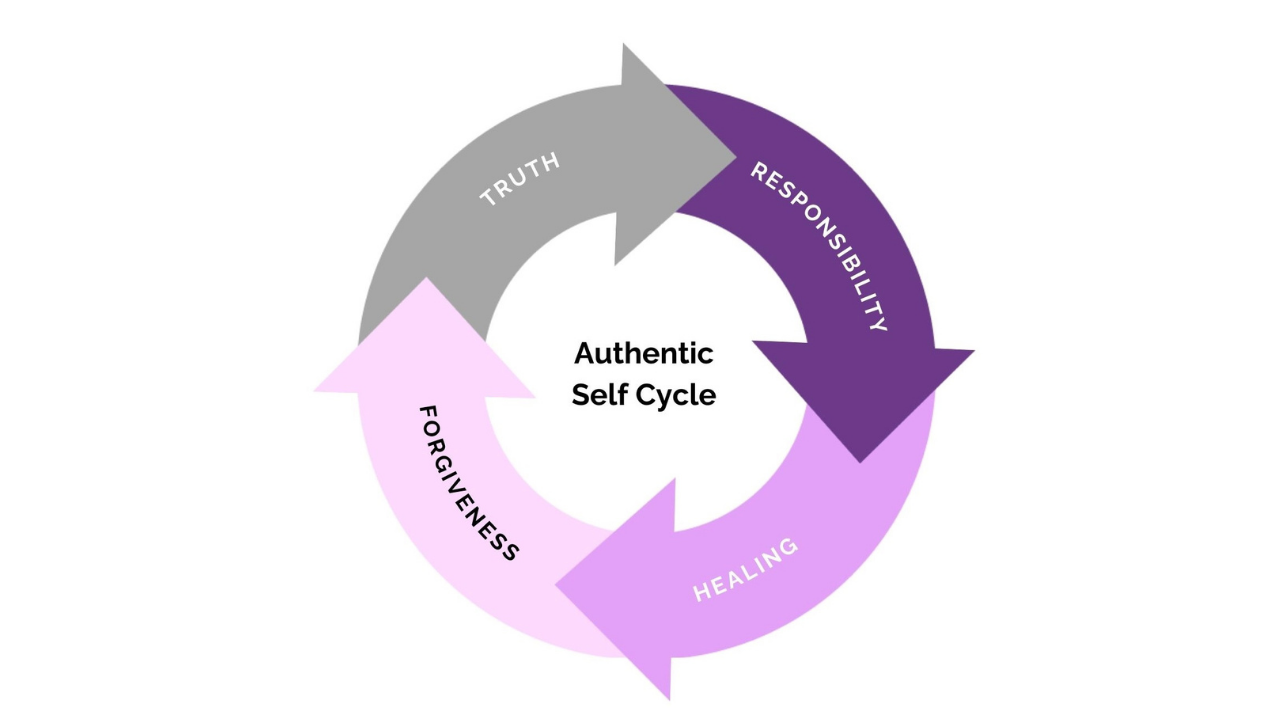
All that is left is learning how to rewrite your emotional blueprint definitions with the rest of the Emotional Authenticity Method™ and Authentic Self Cycle™ so they can lead. By doing this, you aren’t fragmenting yourself. You are integrating your past into your present, taking responsibility, and reclaiming your one, true identity.
What Does IFS Failure Look Like Across Your Entire Life?
If you’re still wondering whether this applies to you, let me show you what IFS failure looks like when it plays out across every area of your life — because the fragmentation doesn’t stay in the therapist’s office. It follows you everywhere.
Family: You go home for the holidays armed with IFS language. You’ve mapped your “parts,” you know your “exiles.” But thirty minutes in, your mother uses that tone and your “Self” vanishes. You either rage like the Falsely Empowered survival persona or collapse into people-pleasing like the Disempowered type. Later, you tell your therapist, “My firefighter took over.” But that’s not what happened — your childhood emotional blueprint predicted danger and your whole nervous system flooded before any “Self” could intervene.
That’s you… having the most sophisticated internal map of your “parts” and still losing yourself completely the moment your family triggers the original wound.
Romantic Relationships: Your partner asks for space and your “exile” floods you with abandonment panic. Or your partner gets emotional and your “manager” shuts everything down. IFS taught you to name these reactions, but naming them doesn’t stop the enmeshment pattern from firing. Every argument is still a collision between two survival personas — not two “Selves” calmly mediating their “parts.”
That’s you… using IFS vocabulary in couples therapy but still having the same fight you had six months ago because the blueprint underneath hasn’t changed.
Friendships: You over-give until you’re depleted, or you keep everyone at arm’s length. IFS might tell you this is your “protector part.” But it’s actually your survival persona running the same codependent pattern it learned in childhood — and no amount of “unburdening” a “part” in session changes the neural pathway that fires automatically in real life.
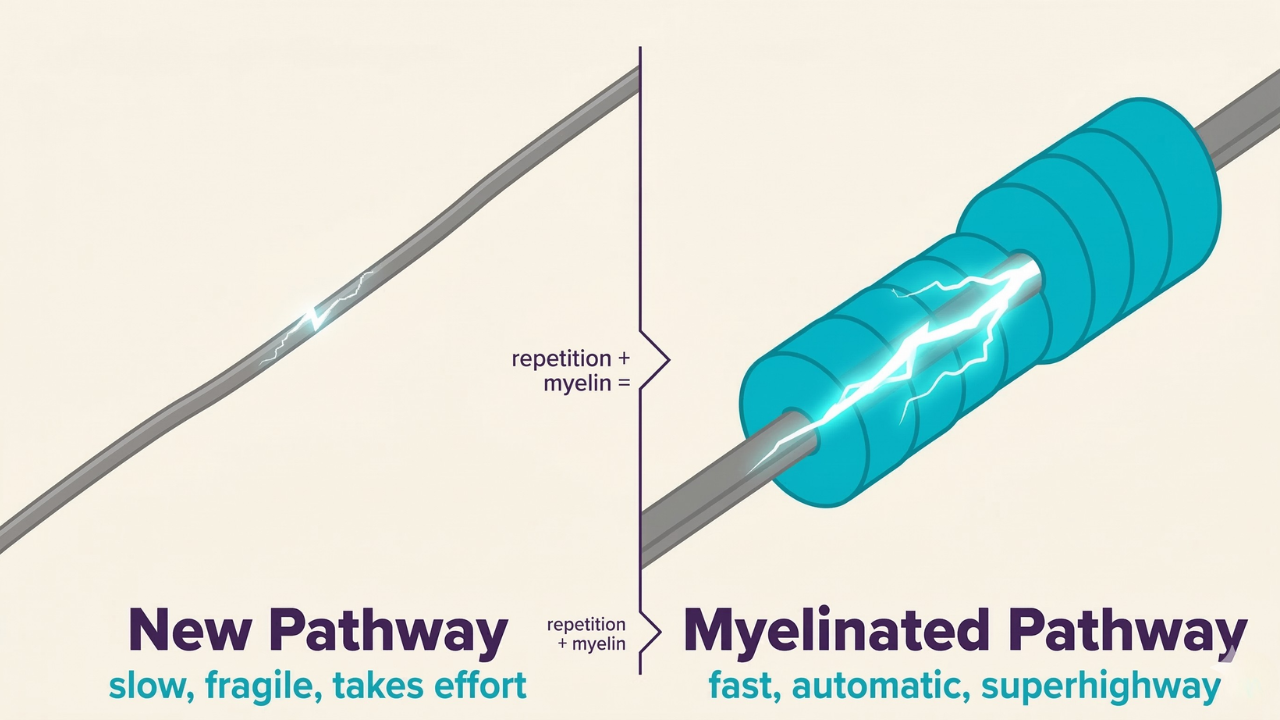
Work and Career: One critical email and your shame floods in. IFS calls it an “exile activation.” But it’s the same childhood wound — the belief that you’re not good enough — running on a heavily myelinated neural pathway. Your self-esteem was never built on authentic self-worth; it was built on performance. Parts work maps this pattern beautifully but doesn’t rewire the pathway that makes it automatic.
That’s you… being able to explain your “parts” better than your therapist but still spiraling for three days after one piece of constructive feedback.
Body and Health: Chronic tension, gut issues, insomnia. Your body stores the blueprint that IFS tries to access through cognition. But negotiating with “parts” through language cannot reach trauma stored in the somatic nervous system. Dr. Bessel van der Kolk’s research confirms that trauma lives in the body — and the body needs a somatic approach, not a boardroom meeting.
That’s you… your body screaming the truth while your mind tries to hold another boardroom meeting about which “part” is responsible.
What Is Your Next Step to Stop Managing Parts and Start Healing Your Blueprint?
Therapy models that keep you fragmented will keep you stuck. You do not need to spend the rest of your life managing a chaotic, shame-based boardroom inside your head. You need to heal the emotional blueprint that created the chaos in the first place and you do that with Emotional Authenticity and the Authentic Self Cycle™.
That’s you… ready to stop managing parts and start reclaiming the one, whole person you were before the trauma fragmented you.
If you are sitting there right now, feeling overwhelmed and needing immediate guidance, there is something that will really help you. Go to KennyWeiss.net and talk to the brand-new AI clone. I have uploaded my entire brain — every book, every framework, and every solution you need directly into this AI. It is completely free to use, and it is literally like having a one-on-one conversation with me. You can ask it about your triggers, your relationship struggles, or your Worst Day Cycle™, and it will give you the exact, root-cause feedback I would give you. Go test it out and get the help you need right now.
While you are there, you can also take the completely free Childhood Assessment to help you identify the exact emotional origins of your Worst Day Cycle™. For those of you who are ready to map out your specific triggers and stop this loop for good, check out the books, classes, emotional freedom assessments, and private coaching to find what fits your emotional blueprint remapping journey.
Whatever choice you make, just know that when you are ready, you now have a root-level solution, not a symptom-based topical band-aid approach, that will provide you with the root-level emotional regulation you are looking for.
And don’t forget: You are not to blame, and you are not broken. You were just programmed, and programs can be rewritten. You did the best you could with the information you had at the time. But now that you know more, you can equip yourself with the tools to do more.
That’s you… finally understanding that you were never fragmented — you were one whole person buried under your parents’ pain, and now you know how to come home.
If This Article Hit Home, the Book Goes Deeper
Everything I write about on this site — the Worst Day Cycle™, your childhood emotional blueprint, why you keep repeating the same patterns no matter how hard you try — it all started with my first book, Your Journey To Success: How to Accept the Answers You Discover Along the Way.
This is the book readers call “the first time I found a roadmap I could actually understand and that seemed attainable.” It is the book that walks you through WHY your life hasn’t changed despite all the work you’ve done — and shows you, step by step, exactly how to break free. No fluff. No motivational hype. Just the truth about what was done to you, why it stuck, and what to do about it.
If you’ve read this far, you already know something needs to change. This book is where that change starts.
Ready to Stop Understanding the Problem and Start Rewiring It?
The article you just read scratches the surface. My new book, Your Journey To Being Yourself: How to Overcome the Worst Day Cycle & Reclaim Your Authentic Self with Emotional Authenticity, gives you the complete system — the Worst Day Cycle™, the Authentic Self Cycle™, and the full Emotional Authenticity Method™ — all in one place, with the neuroscience behind every step.
This is the book readers call “a genius piece of art in mastering emotion and the art of healing.” It speaks directly to the person who feels stuck, overwhelmed, and confused by the same repeating patterns — the same arguments, the same relationship breakdowns, the same shame — and is done accepting surface-level answers. Every chapter combines powerful stories, clear steps, and practical tools that show you how to rewire your emotional patterns from the inside out.
You are not broken. You were programmed. And this book shows you exactly how to rewrite the program.
Frequently Asked Questions
Why does IFS therapy fail for emotional triggers?
IFS fails during actual triggers because it relies on cognitive negotiation — talking to your “parts” from a calm “Self.” But neuroscience proves that when you’re triggered, your prefrontal cortex shuts down and your childhood emotional blueprint takes over. You cannot hold a peaceful boardroom meeting while your nervous system is flooded with cortisol and adrenaline. The Emotional Authenticity Method™ works because it starts with somatic down-regulation to bring the prefrontal cortex back online before any cognitive work begins.
What is the difference between IFS “parts” and survival personas?
IFS treats your emotional reactions as separate sub-personalities — “managers,” “exiles,” and “firefighters” — and teaches you to negotiate with them individually. Kenny Weiss’s framework recognizes that these “parts” are actually one survival persona created in childhood to protect you from your parents’ unhealed pain. The three survival persona types — Falsely Empowered, Disempowered, and Adapted Wounded Child — map to what IFS fragments into dozens of “parts.” Integration, not fragmentation, is the path to healing.
Does IFS reinforce trauma fragmentation?
Yes. Trauma is inherently fragmentation — it separates you from your Authentic Self. When IFS teaches you to hyper-focus on fragmented “parts” and treat them as separate entities, it inadvertently reinforces the dissociation that trauma created. Saying “that wasn’t me, that was my firefighter” is a sophisticated form of denial that prevents you from taking radical responsibility as one whole person — which is the first step in the Authentic Self Cycle™.
What is the Puppy and the Rancid Peas metaphor?
The Puppy and the Rancid Peas is Kenny Weiss’s metaphor for how childhood emotional trauma creates the survival persona. The puppy (you as a child) circles the dinner table (your family), desperate for attention and love. But the adults at the table drop their unhealed pain (rancid peas) instead of genuine nourishment. The puppy eats the rancid peas because it’s starving for connection — and learns that pain is love. Your survival persona was built on rancid peas. The Emotional Authenticity Method™ helps you become the adult who stops feeding the puppy toxic food.
Can I use IFS and the Emotional Authenticity Method™ together?
The Emotional Authenticity Method™ provides what IFS is missing: somatic down-regulation, nervous system titration, and direct blueprint rewiring. Some people find that IFS helped them begin to understand their patterns, and the Emotional Authenticity Method™ gives them the actual tools to change those patterns at the neurological level. The key difference is that the Emotional Authenticity Method™ does not require you to fragment yourself — it integrates you back into one whole person.
How is the Emotional Authenticity Method™ different from IFS in practice?
In IFS, when you’re triggered, you try to identify which “part” is activated and negotiate with it cognitively. In the Emotional Authenticity Method™, you first down-regulate your nervous system somatically (making cognitive work possible), then name the core emotion (not a “part”), locate it in your body, trace it to its earliest childhood origin, and reconnect with your Authentic Self. The result is integration — one person, one identity, one healed blueprint — instead of endless management of fragmented sub-personalities.
The Bottom Line
You have spent months or years sitting in a therapist’s office, mapping your “parts,” learning their names, and trying to mediate between them. You have built the most sophisticated internal org chart of any person you know. And you are still getting hijacked by the same triggers, still losing yourself in the same arguments, and still waking up exhausted from managing a boardroom that was never meant to exist.
The fact that you’ve read this far tells me something important about you. It tells me you already suspected that the fragmentation model wasn’t the answer. Something in you recognized that splitting yourself into more and more pieces was moving you further from wholeness, not closer to it. That recognition is your Authentic Self — the one, unified you that was never actually lost. It was just buried under your parents’ rancid peas.
Here’s what becomes possible when you stop managing parts and start integrating: You stop negotiating with survival personas and start living from your Authentic Self. You stop fragmenting and start becoming whole. You stop holding boardroom meetings and start healing the blueprint that created the chaos. Not because you found a better “part” to manage — but because you realized you were never fragmented in the first place.
You are not broken. You are not a collection of damaged sub-personalities. You are one whole person who absorbed other people’s pain — and pain can be given back. When you’re ready, the Emotional Authenticity Method™ will meet you exactly where you are.
Recommended Reading
These books deepen the understanding of why trauma integration — not fragmentation — is the path to emotional healing:
Lisa Feldman Barrett — How Emotions Are Made
The neuroscience proving that emotions are predictions, not the output of separate “parts” — essential for understanding why cognitive negotiation fails during emotional flooding.
Bessel van der Kolk — The Body Keeps the Score
How trauma is stored somatically and why any approach that stays cognitive — including IFS parts negotiation — cannot reach the embodied root of triggers.
Gabor Maté — When the Body Says No
The physical cost of emotional fragmentation and suppression — why managing “parts” without healing the blueprint leads to chronic illness.
Pete Walker — Complex PTSD: From Surviving to Thriving
Understanding the survival responses that childhood creates — a framework that sees trauma as a whole-person experience, not a collection of sub-personalities.
Take Your Next Step With Kenny Weiss
If this article resonated with you and you’re ready to stop managing parts and start healing your childhood emotional blueprint as one whole person, explore these resources:
Start Here:
• Emotional Blueprint Starter Course — Individual ($79) — Your individual roadmap for identifying your Worst Day Cycle™ patterns and the survival persona IFS has been mapping as “parts”
• Relationship Starter Course — Couples ($79) — Map the collision between both partners’ childhood emotional blueprints — not their “parts”
Go Deeper:
• Why We Can’t Stop Hurting Each Other ($479) — Understand the Worst Day Cycle™ collision between two survival personas in relationship
• Why High Achievers Fail at Love ($479) — For the Falsely Empowered survival persona who controls instead of connects
• The Shutdown Avoidant Partner ($479) — Root-cause work for the survival persona that withdraws and intellectualizes
Full Transformation:
• Tier 1: Mapping the Blueprint ($1,379) — The comprehensive program for integrating your survival persona back into your Authentic Self
Download Kenny’s free Feelings Wheel to begin building emotional granularity — the foundation of naming core emotions instead of “parts.”
Explore Kenny’s articles on signs of enmeshment, insecurity in relationships, signs of high self-esteem, and 10 do’s and don’ts for a great relationship for more on how your childhood emotional blueprint shapes every area of your life.