Tag: couples communication

  • Why You Shut Down During Conflict: Nervous System Trauma Response

    Why You Shut Down During Conflict: Nervous System Trauma Response

    You’re in the middle of an important conversation with your partner. Things get tense. And then — nothing. Your mind goes blank. Your body feels heavy. You can’t find the words. You want to engage, to fight for the relationship, but instead you just… freeze.

    Sound familiar?

    That shutdown isn’t weakness. It’s not you being difficult or emotionally unavailable. Shutting down during conflict is a nervous system trauma response from your childhood — a brilliant survival strategy your brain learned to keep you safe when you were small and powerless. The problem is that strategy still runs the show, even though you’re now an adult in a relationship with someone who loves you.

    Here’s the neurobiological truth: your nervous system learned during childhood that conflict equals danger. When your parents fought, raised their voices, withdrew, or shamed you, your developing brain created a survival blueprint. That blueprint says: “When conflict starts, shut down. Conserve energy. Go invisible. Don’t fight back — you’ll lose and it will hurt worse.”

    Today, when your partner brings up a difficult topic or raises their voice, your nervous system doesn’t see your adult partner. It sees the threat from your childhood. Your dorsal vagal nerve activates — the ancient “freeze” response. Your body conserves energy. Your brain goes offline. You shut down.

    And then you both suffer, because you can’t connect when you’re frozen.

    This post will show you exactly why this happens, how your childhood emotional blueprint gets wired into your nervous system, and — most importantly — how to rewire it so conflict becomes uncomfortable but not dangerous.

    Table of Contents

    What Shutting Down During Conflict Actually Is (It’s Not What You Think)

    When most people talk about “shutting down,” they mean different things. Some describe it as going emotionally numb. Others say they just can’t find the words. Some describe it as physically leaving the room or mentally checking out mid-conversation.

    The common thread: your nervous system is protecting you from what it perceives as danger.

    That’s you — standing in the kitchen while your partner tries to talk about hurt feelings, and suddenly you feel like you’re underwater. Nothing they’re saying makes sense. You can’t respond. Your body feels heavy and numb.

    Here’s what’s actually happening: your dorsal vagal nerve — part of your parasympathetic nervous system — is activating your “freeze” response. This is the same response wild animals use when a predator appears. They freeze because movement draws attention. If the predator doesn’t see them, they survive.

    Your childhood brain learned the same thing: if you freeze, if you don’t respond, if you make yourself small and invisible, maybe the conflict will stop hurting. Maybe your parent will stop yelling. Maybe you’ll stay safe.

    Your adult brain knows better. Your adult brain knows your partner isn’t a threat. But your nervous system doesn’t care what your adult brain knows. Your nervous system is still running a 25-year-old program that says: “Conflict = danger. Freeze = survival.”
    nervous system regulation emotional response shutdown during conflict

    The Dorsal Vagal Nervous System: Your Freeze Response

    Your nervous system has three main gears: sympathetic (fight/flight), parasympathetic vagal (rest/digest), and dorsal vagal (freeze/collapse). Most people know about fight-or-flight. But they don’t know about the freeze response — and that’s usually where conflict-shutdown lives.

    When your sympathetic nervous system activates, you feel flooded with adrenaline. Your heart races. You want to run or fight. You’re activated. This is uncomfortable but at least you’re available — you can talk, respond, engage.

    When your dorsal vagal nerve activates, something different happens. Your body literally shuts down. Your heart rate drops. Your muscles relax into numbness. Your breath becomes shallow. Your brain conserves energy.

    That’s the shutdown — your body going into conservation mode.

    This response makes sense in true survival situations. If you’re caught by a predator and can’t escape, playing dead is your best chance. But in modern relationships, this response creates disaster. When you freeze during a conflict with your partner, they interpret it as coldness, avoidance, or not caring. They don’t see a trauma response. They see someone emotionally unavailable.

    And you feel trapped because you want to respond but you literally can’t access your nervous system. You’re stuck in freeze.

    The dorsal vagal response isn’t a choice. It’s not something you’re doing on purpose. It’s an automatic nervous system reaction that developed in childhood and now activates whenever conflict triggers the same threat-perception your brain learned long ago.
    childhood trauma nervous system chemistry cortisol adrenaline dopamine

    The Worst Day Cycle™: How Childhood Trauma Gets Wired Into Your Nervous System

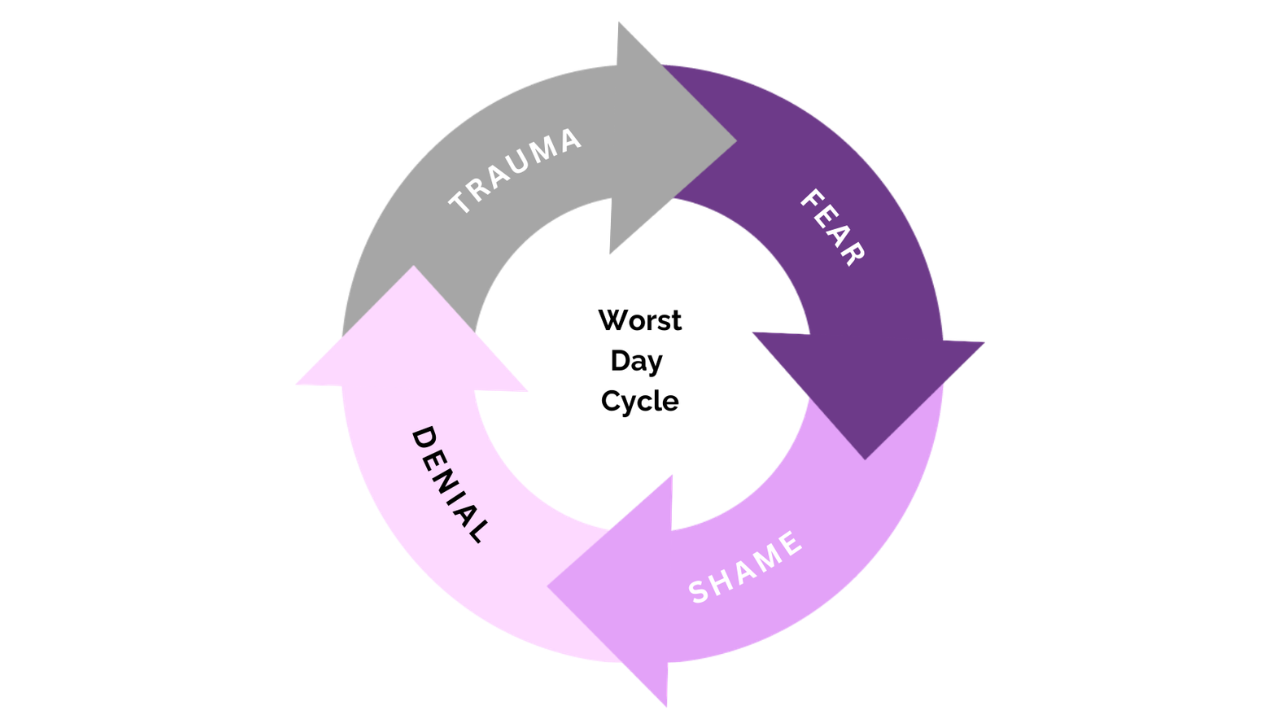
    The Worst Day Cycle™ (WDC) is the four-stage loop that turns childhood trauma into adult emotional patterns. Understanding this cycle is the foundation for understanding why you shut down.

    The Four Stages: Trauma → Fear → Shame → Denial

    Stage 1: Trauma (The Blueprint Gets Created)

    When you’re a child, your parents or caregivers are your entire world. They’re not just people — they’re your nervous system’s external regulator. When they’re calm, you feel safe. When they’re chaotic, angry, withdrawn, or shaming, your developing brain registers that as existential threat.

    Let’s say your parent would yell during disagreements. Or shut down and give silent treatment. Or criticize you for having feelings. Or withdraw affection when you didn’t perform. These experiences become your emotional blueprint — the template your nervous system uses to understand what relationships are “supposed” to be.

    Your brain catalogs these moments: “When there’s conflict, bad things happen. When I speak up, I get shamed. When I have needs, I’m abandoned. The safest thing is to freeze and disappear.”

    That’s the blueprint — the invisible rules your nervous system learned about survival.

    Stage 2: Fear (Your Brain Becomes Addicted to Repetition)

    Here’s what neuroscience shows us: your brain doesn’t distinguish between danger and familiarity. Your brain’s job is to keep you alive, and it does this by learning patterns. Once your brain learns a pattern — even a painful one — it likes that pattern because it’s known.

    Unknown = potentially dangerous. Known = safe (even if it hurts).

    When conflict triggers start to happen in your adult relationships, your nervous system recognizes them as “known patterns” from childhood. Your brain actually feels safer repeating painful patterns than exploring new ones. So you unconsciously recreate dynamics from your childhood.

    Your partner raises their voice. Your nervous system says: “I’ve seen this before. I know how this ends. I need to protect myself the way I learned to protect myself then.”

    Fear drives the repetition. Your brain thinks: “If I do what I did before, maybe I’ll survive this time.”

    Stage 3: Shame (Where You Lost Your Inherent Worth)

    Shame is the deepest level of the Worst Day Cycle. While guilt says “I did something bad,” shame says “I am something bad. I am the problem.”

    When childhood conflict involved criticism, rejection, or emotional abandonment, you internalized a core message: “There’s something wrong with me.” Not with how your parents responded. Not with their unhealed trauma. With YOU.

    Research shows that over 70% of childhood messaging is negative and shaming. Parents tell children what they’re doing wrong far more often than what they’re doing right. This creates a nervous system that’s primed to see threat in conflict because conflict confirms the core shame: “I’m the problem. I’m not good enough. I’m broken.”

    That’s shame hijacking your system — the belief that you ARE the problem, not that you HAVE a problem.

    When you shut down during conflict, shame is running the program. Your nervous system is protecting you from the unbearable reality: “If I stay present during this conflict, I have to face the fact that I’m fundamentally flawed.”

    Freezing protects you from that shame. Going numb means you don’t have to feel how broken you believe yourself to be.

    Stage 4: Denial (Your Survival Persona Takes Over)

    Denial is when your nervous system creates a survival persona — a protective identity — that shields you from having to feel the truth of your trauma and shame. This persona was brilliant when you were a child. It kept you safe. It helped you survive.

    But now it’s sabotaging your adult relationships because it’s still operating from childhood rules.

    The survival persona shows up as either control and dominance (the Falsely Empowered persona), collapse and people-pleasing (the Disempowered persona), or oscillation between both (the Adapted Wounded Child). All three are brilliant survival strategies. All three destroy modern relationships.
    Worst Day Cycle trauma fear shame denial emotional blueprint

    The Three Survival Personas: Which One Are You?

    Your survival persona is the protective identity you created to handle childhood trauma. It’s not who you are. It’s who you became to survive. And while it protected you then, it’s probably destroying your relationships now.

    The Falsely Empowered Persona: Control, Dominance, and Rage

    The Falsely Empowered persona responds to childhood threat by taking control. If you can control everything — your partner, your kids, your environment, the narrative — then you can’t be hurt the way you were hurt before.

    This persona shows up as:

    • Needing to be right in every conversation
    • Controlling partner behavior or decisions
    • Raging when things don’t go as planned
    • Dominating conversations or decisions
    • Using threats or intimidation (even subtle ones)
    • Never admitting mistakes or vulnerabilities

    That’s you — in the heat of a disagreement, your voice gets louder and your need to win becomes everything. You can’t let your partner have the last word because that feels like losing.

    The Falsely Empowered persona shuts down differently than other personas. Instead of going numb, you might shut your partner down — by raging, by leaving the room, by refusing to talk. You’re shutting DOWN the conflict, not shutting DOWN yourself. But the effect is the same: no real connection happens.

    The Disempowered Persona: Collapse and People-Pleasing

    The Disempowered persona responds to childhood threat by surrendering. If you make yourself small, if you agree with everything, if you people-please and never upset anyone, maybe you’ll be safe. Maybe someone will finally stay.

    This persona shows up as:

    • Apologizing for things that aren’t your fault
    • Agreeing with your partner even when you disagree
    • Your needs always coming last
    • Difficulty setting boundaries
    • Fear of abandonment driving every decision
    • Conflict making you want to disappear

    That’s you — when conflict starts, you immediately go into protect-the-relationship mode. You’ll say whatever keeps the peace, even if it means betraying yourself.

    The Disempowered persona WILL shut down during conflict. This is the classic shutdown response — going numb, unable to speak, feeling paralyzed, wanting to disappear.

    The Adapted Wounded Child: Oscillating Between Both

    The Adapted Wounded Child is the most confusing persona because it switches between Falsely Empowered and Disempowered depending on what’s happening. Sometimes you’re the controller. Sometimes you’re the collapser. Sometimes you’re both in the same conversation.

    This persona develops when childhood trauma was unpredictable. Your parents might have been controlling one moment and withdrawn the next. Or they might have treated you harshly one day and affectionate the next. Your nervous system learned: “I need to be ready for anything. I need to be able to collapse AND dominate depending on what keeps me safe.”

    That’s you — unpredictable even to yourself. One day you’re standing up for your needs. The next day you’re collapsed and people-pleasing. Your partner never knows which version of you will show up.

    The Adapted Wounded Child often shuts down in the middle of conflict. You’ll start out defending yourself (Falsely Empowered) and then suddenly collapse into numbness and withdrawal (Disempowered). Or you’ll oscillate between both within the same conversation.
    survival persona falsely empowered disempowered adapted wounded child

    All three survival personas are brilliant. They kept you alive when you were powerless. The problem is that they still run your nervous system in situations where you’re actually safe and powerful. Healing means developing a new response: staying present during conflict even when your nervous system says it’s dangerous.

    How Shame Hijacks Your Nervous System

    Shame is the glue that holds the entire shutdown pattern in place. Understanding how shame works in your nervous system is crucial to breaking free from shutdown cycles.

    Shame isn’t just an emotion. It’s a biochemical event. When shame activates, your nervous system interprets it as threat. Your body releases cortisol and adrenaline. Your brain goes into protection mode. And protection mode looks like shutdown.

    Here’s how it works:

    1. Conflict triggers → 2. Your nervous system recognizes it as similar to childhood threat → 3. Shame activates (“I’m the problem”) → 4. Shutdown happens (your body tries to protect you from feeling that shame) → 5. Your partner interprets shutdown as coldness → 6. Conflict escalates → 7. Shame deepens

    The cycle feeds itself. Each time you shut down during conflict, you confirm the shame: “See? I can’t handle this. I’m broken. I’m not good enough for a healthy relationship.”

    That’s the shame trap — every shutdown reinforces the belief that there’s something fundamentally wrong with you.

    The neuroscience is clear: shame lives in your nervous system, not your thoughts. You can’t think your way out of shame. You can’t positive-affirm your way out of it. You have to regulate your nervous system so deeply that shame loses its grip.

    This is where most people get stuck. They try to think differently, but their nervous system is still screaming danger. They try to communicate differently, but their body is still locked in freeze. They try to be more present, but shame makes them want to disappear.

    The solution isn’t better thinking. The solution is nervous system rewiring through the Emotional Authenticity Method™.
    emotional blueprint childhood shame core beliefs attachment patterns

    Signs You’re Shutting Down (By Life Area)

    Shutdown patterns aren’t just in romantic conflict. They show up across your entire life. Here’s what to look for:

    Family Relationships

    That’s you — sitting at the holiday dinner table, smiling on the outside while your body is completely numb on the inside, because your family still triggers the same shutdown you learned at age seven.

    • Going numb when parents bring up old wounds
    • Avoiding certain family members because conflict feels unsafe
    • Not speaking up about your needs or boundaries
    • Repeating the same unresolved patterns with parents year after year
    • Feeling like a child again when around family
    • Unable to have difficult conversations without shutting down

    Romantic Relationships

    • Going silent or numb mid-argument
    • Feeling like you “can’t communicate” no matter how much you try
    • Your partner says you’re “emotionally unavailable” during conflict
    • Choosing to stay in unhealthy relationships because confrontation feels impossible
    • Unable to express needs or boundaries with romantic partners
    • After conflict, feeling disconnected and unsure how to reconnect

    Friendships

    • Disappearing from friendships when there’s disagreement
    • Difficulty having vulnerable conversations with friends
    • Friendships ending because you shut down instead of working through issues
    • People perceiving you as “cold” or “distant” after conflict
    • Unable to repair friendships after conflict without professional help

    Work Environment

    That’s you — the professional who can run a department but freezes the moment your boss gives critical feedback, because your nervous system hears your parent’s voice, not your manager’s.

    • Going silent in meetings when challenged or criticized
    • Difficulty speaking up about work needs or boundaries
    • Shutting down during performance reviews or difficult conversations with managers
    • Conflict with coworkers creating anxiety that keeps you up at night
    • Struggling to advocate for yourself professionally

    Body and Health

    Sound familiar? Your body has been keeping score of every shutdown for decades — and now it’s sending the bill.

    • Chronic tension, especially in neck, shoulders, and jaw
    • Frequent headaches or migraines triggered by stress or conflict
    • Digestive issues that worsen during relationship conflict
    • Low-grade inflammation and immune system dysfunction
    • Sleep problems, especially the night after conflict
    • Feeling physically “numb” or disconnected from your body
    • History of autoimmune conditions or chronic pain syndromes

    That’s you in all these areas — the common thread is shutdown and disconnection when conflict or high emotion shows up.
    adapted wounded child oscillating between control and collapse in relationships

    The Emotional Authenticity Method™: How to Rewire Your Response

    The Emotional Authenticity Method™ (EAM) is the five-step process for rewiring your emotional response to conflict. This isn’t about learning better communication skills. It’s about teaching your nervous system that conflict isn’t danger.

    The core principle: you cannot change emotional patterns through thoughts alone. Emotions are biochemical events. Your thoughts originate from your feelings, not the other way around. To change how you respond to conflict, you have to rewire the emotional blueprint stored in your body.

    The Five Steps of Emotional Authenticity

    Step 1: Somatic Down-Regulation (with Optional Titration)

    Before you can access your nervous system’s wisdom, you have to bring your body out of threat state. Somatic down-regulation means using your body to signal safety to your nervous system.

    This might include:

    • Box breathing (breathe in for 4, hold for 4, out for 4, hold for 4)
    • Cold water immersion on your wrists or face
    • Gentle movement like walking or stretching
    • Progressive muscle relaxation
    • Humming or singing (stimulates the vagal nerve)
    • Being near someone you trust

    Titration is a technique where you briefly touch into the emotional pain and then return to safety. You’re teaching your nervous system: “This feeling is manageable. I can be present with it.”

    That’s the first step — getting your body to a place where learning is possible.

    Step 2: What Am I Feeling? (Emotional Granularity)

    Most people shutdown because they lump all negative emotion into one bucket: “I feel bad.” This keeps emotions vague and overwhelming.

    Real healing requires emotional granularity — the ability to name exactly what you’re feeling. This is where the Feelings Wheel becomes essential. Instead of “I feel bad,” you might discover you’re feeling: frustrated, disappointed, scared, ashamed, and unseen.

    Naming emotions is neurologically powerful. When you name an emotion, you activate your prefrontal cortex — the rational thinking part of your brain. This actually reduces the intensity of the emotional response.

    That’s granularity — the difference between drowning in emotion and being able to describe it with precision.

    Step 3: Where in My Body Do I Feel It? (Somatic Awareness)

    All emotional trauma is stored in your body. When you shut down, you’re literally disconnecting from the physical sensations of your emotions. This is dissociation — a nervous system trick to protect you from feeling.

    Healing requires reconnecting with your body. Where do you feel the fear? Is it in your chest as tightness? In your throat as constriction? In your gut as heaviness? In your limbs as numbness?

    The more specific you can be about where emotions live in your body, the more power you have to regulate them.

    That’s embodied awareness — the difference between thinking about your emotions and actually feeling them in your nervous system.

    Step 4: What Is My Earliest Memory of This Feeling? (Trace to Origin)

    This is the crucial step where healing actually happens. When you feel shutdown during conflict, you’re usually not responding to what’s happening today. You’re responding to what happened in your childhood.

    Your nervous system can’t tell the difference between then and now. So you need to make that difference conscious. When you’re feeling the shutdown, ask: “What’s the earliest time I felt this exact feeling?”

    Maybe the answer is: “I felt this with my father when I was eight and he yelled at me for making a mistake.” Or: “I felt this with my mother when she withdrew and gave silent treatment.”

    Once you consciously connect your current shutdown to your childhood wound, your adult brain can start to differentiate: “Oh. I’m not with my parent anymore. I’m with my partner. This isn’t the same situation.”

    That’s the breakthrough — realizing your nervous system is confusing your partner with your parent.

    Step 5: Who Would I Be If I Never Had This Feeling Again? (Vision Step)

    This final step moves you toward the Authentic Self Cycle. Instead of staying focused on the wound, you imagine the healed version of yourself.

    Ask yourself: “If I never felt this shutdown again, who would I be in my relationships? How would I respond to conflict? What would become possible for me?”

    This vision step isn’t about denial or bypassing. It’s about giving your nervous system a new goal, a new blueprint to work toward. Your brain’s job is to solve problems and reach goals. Once you give it a clear vision of who you want to become, it starts working toward that goal automatically.

    That’s the vision — moving from “I shut down because of my past” to “I want to stay present because of my future.”
    Emotional Authenticity Method five steps somatic regulation emotional granularity

    The Authentic Self Cycle™: Your Path to Healing

    While the Worst Day Cycle™ is what got you stuck, the Authentic Self Cycle™ (ASC) is what gets you free. This four-stage cycle is how you rewire your emotional blueprint and reclaim your authentic self.

    The Four Stages: Truth → Responsibility → Healing → Forgiveness

    Stage 1: Truth (Name the Blueprint)

    The first stage is seeing your emotional blueprint clearly. This means understanding: “Here’s what my nervous system learned in childhood. Here’s how that shows up in my adult relationships. Here’s why I shut down.”

    Truth isn’t about blame. It’s not about your parents being bad people. It’s about seeing clearly: “This is what happened. This is what I learned. This is what my nervous system still believes.”

    Once you see the blueprint clearly, you can also see: “This isn’t about today. When my partner brings up a difficult topic, my nervous system isn’t responding to my partner. It’s responding to a threat pattern from thirty years ago.”

    That’s the truth — this isn’t about today, it’s about then.

    Stage 2: Responsibility (Own Your Reactions Without Blame)

    The second stage is owning your nervous system response without blame. This is subtle but crucial.

    Responsibility means: “My partner isn’t my parent. My nervous system just thinks they are. I’m responsible for managing my nervous system, not for pretending my childhood didn’t happen.”

    This is different from blame. Blame says: “I’m shutting down because my partner is like my parent.” Responsibility says: “I’m shutting down because my nervous system learned to respond this way to conflict. That’s my job to heal.”

    You’re not responsible for your childhood. You’re not responsible for how your nervous system got wired. But you ARE responsible for what you do with that knowledge going forward.

    That’s responsibility — the difference between “This is my parent’s fault” and “This is my work to do.”

    Stage 3: Healing (Rewire the Emotional Blueprint)

    Healing is where the real nervous system work happens. This is where you use the Emotional Authenticity Method™ to gradually teach your nervous system that conflict isn’t danger.

    You start having small conflicts. You practice staying present. You notice the shutdown impulse and breathe through it. You get curious about your body’s response instead of running from it. You reconnect the feeling to its origin. Slowly, gradually, your nervous system learns: “We’re safe. This isn’t like then. We can stay present.”

    This isn’t a linear process. You won’t feel healed one day and then never feel shutdown again. But over time, your nervous system’s default response changes. Conflict becomes uncomfortable but not dangerous. Shutdown becomes possible but not automatic.

    That’s healing — the slow rewiring of your nervous system’s threat response through repeated experiences of safety.

    Stage 4: Forgiveness (Release the Inherited Blueprint)

    The final stage is forgiveness — not of your parents necessarily, but of yourself and your nervous system. Forgiveness means releasing the inherited emotional blueprint so you can reclaim your authentic self.

    This looks like: “I understand why my nervous system responds this way. I understand why my parents responded the way they did. I’m no longer obligated to repeat these patterns. I’m free to be myself.”

    Forgiveness creates space for a new emotional chemical pattern. Instead of the trauma chemistry of cortisol, adrenaline, and dopamine misfire, you develop the chemistry of oxytocin (safety), serotonin (wellbeing), and endogenous opioids (comfort).

    That’s forgiveness — moving from “I’m still managing my childhood trauma” to “I’m free to be who I actually am.”
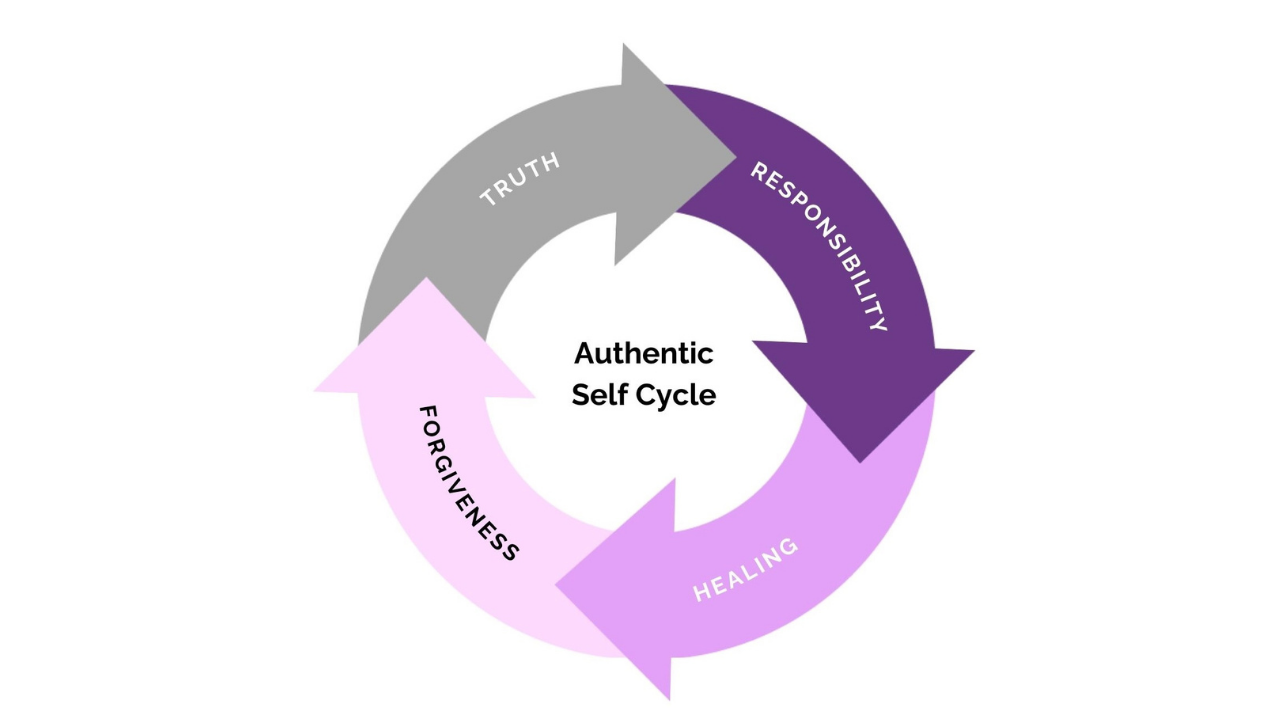
    Authentic Self Cycle truth responsibility healing forgiveness rewire emotional blueprint

    People Also Ask: Common Questions About Shutdown and Conflict

    Why Do I Go Blank During Arguments?

    Going blank during arguments is a dorsal vagal response where your nervous system activates your freeze response. Your brain perceives conflict as threat (based on childhood learning) and literally shuts down cognitive function to conserve energy. This isn’t stupidity or emotional damage — it’s a survival mechanism that made sense when you were small.

    Is Shutting Down the Same as Dissociation?

    Shutting down and dissociation are related but not identical. Shutdown is primarily a dorsal vagal freeze response affecting your ability to engage. Dissociation is disconnecting from your thoughts, emotions, and bodily sensations — it’s a deeper disconnection from reality. Someone can shut down without fully dissociating, but chronic shutdown often leads to dissociation. Both require nervous system rewiring.

    Can I Learn to Stay Present During Conflict?

    Yes, absolutely. Your nervous system learned the shutdown response through repeated experiences in childhood. It can learn a new response through repeated experiences of safety in adulthood. This doesn’t happen overnight, but with consistent work using the Emotional Authenticity Method™, your default response to conflict changes. Conflict becomes uncomfortable but not dangerous.

    Why Do I Shut Down With My Partner but Not With Others?

    Your partner (especially if you’re in a serious relationship) likely triggers the deepest childhood wounds because romantic relationships activate your core attachment patterns. You shut down with your partner because they’re the one whose potential rejection triggers your deepest fear. Other people don’t activate the same nervous system response because the stakes feel different.

    What’s the Difference Between Shutting Down and Just Being Quiet?

    Shutting down involves an involuntary nervous system response where you lose access to your words, emotions, and body awareness. Choosing to be quiet is conscious. You can choose to be quiet AND stay emotionally available. Shutdown is when you want to engage but literally cannot because your nervous system has gone offline.

    Is Shutdown Permanent? Will I Always Do This?

    No. Shutdown is a learned response, not a permanent trait. Your nervous system learned it can learn anything else. The Authentic Self Cycle™ and Emotional Authenticity Method™ directly address the nervous system patterns that create shutdown. Healing is possible, but it requires consistent work and often professional support.

    The Bottom Line: You’re Not Broken, You’re Wired for Survival

    The next time you shut down during conflict, here’s what I want you to remember:

    You’re not broken. You’re not emotionally unavailable. You’re not a bad partner or a bad person. Your nervous system is doing exactly what it learned to do in order to keep you safe when you were powerless.

    Your parents probably weren’t villains. They were probably doing the best they could with the nervous system regulation they learned from their parents. And now their trauma lives in your nervous system, showing up as shutdown during conflict.

    That’s not your fault. But healing is your responsibility.

    The beautiful part: shutdown is fixable. Your nervous system isn’t broken. It just learned wrong. And what it learned can be unlearned.

    The path forward isn’t through thinking harder or communicating better. The path forward is through your body. It’s through the Emotional Authenticity Method™ — getting curious about what your nervous system learned, where it learned it, and what it needs to feel safe enough to respond differently.

    It’s through the Authentic Self Cycle™ — moving from truth about your blueprint to responsibility to healing to forgiveness.

    And it’s through doing this work consistently, with support, until your nervous system gets the message: “We’re safe now. Conflict isn’t danger. You can stay present.”

    Your authentic self is still in there. The part of you that’s not shaped by childhood trauma. The part that can be present during conflict. The part that can be vulnerable and real and connected to another person.

    Healing means reclaiming that self. And it starts by understanding why you shut down in the first place.
    reparenting rewire nervous system childhood wounds healing attachment

    If you want to go deeper into understanding nervous system trauma and healing, these books are gold:

    • Facing Codependence by Mellody Beattie — The foundational text on understanding how childhood patterns show up in adult relationships. Essential reading.
    • The Body Keeps the Score by Bessel van der Kolk — The neuroscience of trauma and how it gets stored in your nervous system. This book changed how we understand healing.
    • When the Body Says No by Gabor Maté — How unresolved emotional wounds show up as chronic illness and pain. Connects childhood trauma to physical health.
    • Codependent No More by Melody Beattie — The practical guide to understanding codependence and setting healthy boundaries.
    • The Gifts of Imperfection by Brené Brown — How shame shows up in our lives and why vulnerability is the antidote. Important for understanding the shame component of shutdown.

    Get Help: Courses & Resources

    If you’re ready to start rewiring your nervous system and healing your shutdown patterns, here are the resources that will help:

    Self-Guided Healing Paths

    • Emotional Blueprint Starter Course — Individual — $79 — The foundational guide to understanding your emotional blueprint and starting the healing journey on your own. Best for people who want to begin with self-awareness before professional support.
    • Relationship Starter Course — Couples — $79 — Designed for couples who want to understand each other’s emotional blueprints and how they interact. Best if you’re in a relationship and want to heal together.

    Comprehensive Courses

    • Why We Can’t Stop Hurting Each Other — $479 — A complete deep-dive into the Worst Day Cycle™ and how to break it. For people ready to do serious nervous system work.
    • Why High Achievers Fail at Love — $479 — Specific to high-achievers and high-performers whose survival personas sabotage their relationships. Best for people who crush it professionally but struggle personally.
    • The Shutdown Avoidant Partner — $479 — Specifically addresses avoidant attachment patterns and shutdown responses. Best if avoidance is your primary challenge.
    • Tier 1: Mapping the Blueprint — $1,379 — The complete training in the Emotional Authenticity Method™. This is the advanced work for serious transformation. Best for people ready to rewire their entire emotional response system.

    Free Resources

    The journey from shutdown to authentic presence doesn’t happen overnight. But it happens. Thousands of people have moved through their nervous system trauma and learned to stay present during conflict. You can too.

    The first step is understanding why you shut down. You’ve done that by reading this post.

    The second step is deciding that healing is worth the work.

    Everything else follows from there.
  • Communication Mistakes in Relationships: Why Every Conversation Turns Into a Fight

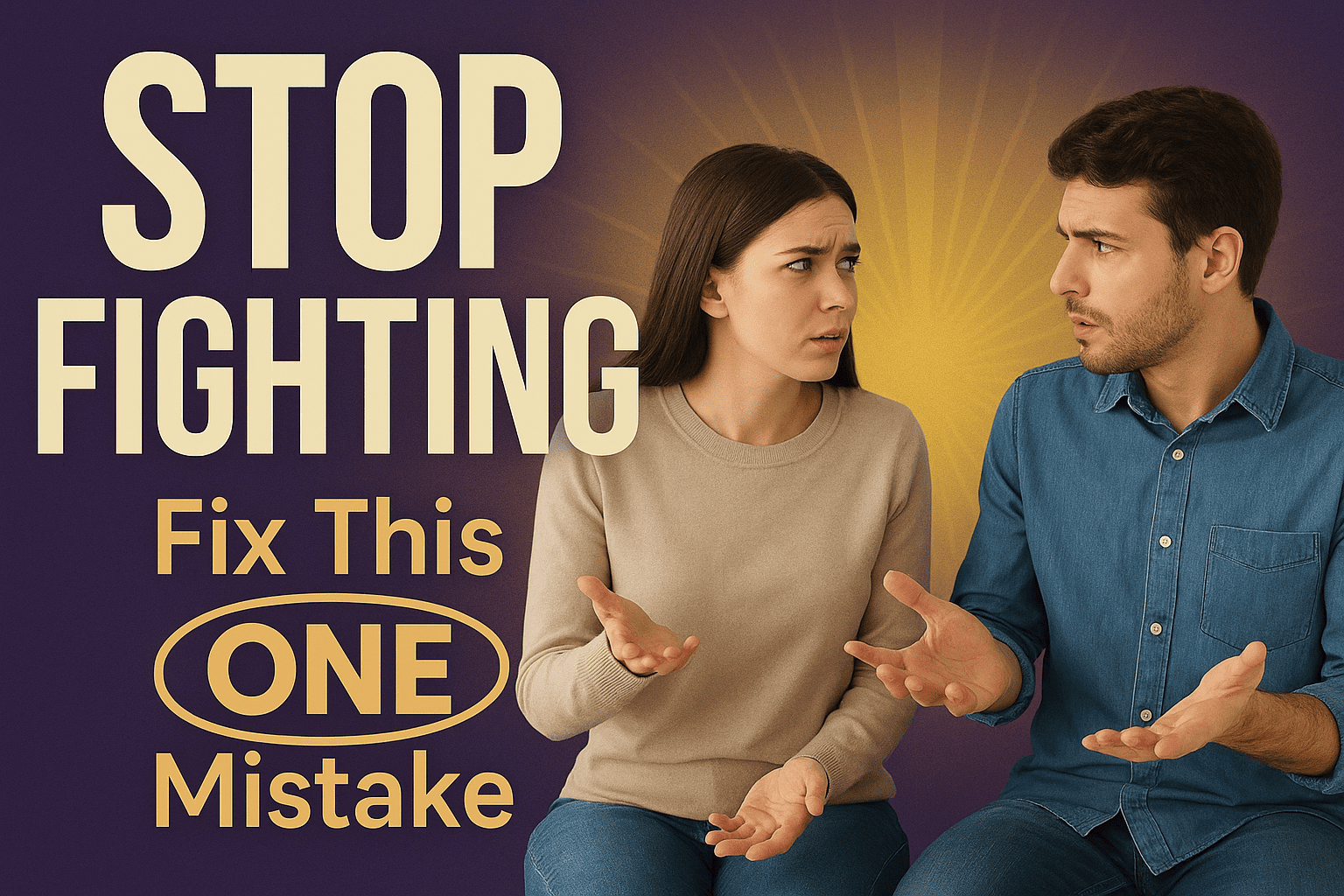
    Communication Mistakes in Relationships: Why Every Conversation Turns Into a Fight

    Communication mistakes in relationships are the invisible bridge between a passing comment and a full-blown argument. You say something that feels reasonable to you. Your partner hears something completely different. Two people, same conversation, two entirely different realities. Within minutes, you’re in a fight neither of you intended. The worst part? You’re not even fighting about the original topic anymore. You’re fighting about whether the fight is even valid. Communication mistakes in relationships aren’t about what you’re saying—they’re about what’s happening beneath the surface, in the nervous systems and survival patterns that took decades to build. When you understand the roots of these mistakes, you can finally stop the cycle.

    That’s you if every conversation with your partner feels like you’re speaking different languages.

    Table of Contents

    What Are the Most Common Communication Mistakes in Relationships?

    There are two communication mistakes that sit at the root of nearly every fight couples have. The first is what I call a reality argument. The second is taking inventory. Most couples don’t even know these have names. They just know that conversations spiral.

    Sound familiar: you’re explaining your perspective and your partner keeps insisting you’re wrong about your own experience?

    Reality arguments happen when two people see the same situation and both believe their version of what happened is objectively correct. It’s not about opinion. It’s about fact. He thinks she was dismissive in that conversation last week. She knows she wasn’t. She was just tired. Not dismissive—tired. He felt dismissed. She knows the truth about her own intentions. Two realities. One situation. Both certain.

    emotional authenticity communication mistakes in relationships

    That’s the dance where you’re explaining yourself and your partner is building a case against you.

    The second mistake is taking inventory. This is when you tell your partner what they should think, feel, or do. Not once, but as a pattern. “You never listen.” “You always get defensive.” “You’re just like your mother.” “You need to be more grateful.” “You shouldn’t feel that way.” These aren’t invitations to change—they’re verdicts. They’re evidence in an ongoing trial where your partner is the defendant and you’re the prosecutor.

    Taking inventory is the slow erosion of intimacy disguised as feedback. It tells your partner that who they are isn’t enough. What they feel isn’t valid. How they see things is wrong. Over time, your partner doesn’t argue back about the inventory. They just disappear into it. They get quieter. Smaller. More defended.

    Sound familiar: the look in your partner’s eyes when they realize you’re building a case against them, not building a bridge toward them?

    codependence communication mistakes relational patterns

    Why Do Conversations Turn Into Fights? Reality Arguments Explained

    A reality argument isn’t a disagreement. It’s a collision. You’re both right, from where you’re standing. And that’s the problem.

    Your felt experience is your truth. When your partner dismisses it, they’re not disagreeing with your opinion—they’re dismissing your experience. That lands as a threat. To your nervous system, being told “that didn’t happen” or “you’re overreacting” is being told “your reality doesn’t matter.” Your brain doesn’t parse the philosophical nuance. It just knows: I’m not safe. My world doesn’t match his world. One of us is lying.

    That’s you thinking: if he really loved me, he’d believe me without question.

    The fight escalates because both of you are now in a defensive crouch. You’re not trying to understand anymore. You’re trying to prove. Prove what happened. Prove your intentions. Prove you’re not the bad guy. The more you prove, the more defensive your partner becomes, which makes you feel even more unheard, which makes you prove harder.

    A reality argument is two people caught in the same moment, experiencing two completely different realities, and both convinced the other person is either crazy, dishonest, or doesn’t care. By the time you’re thirty minutes into it, the original moment doesn’t even matter. What matters is: will my partner ever understand me?

    The answer is: not while you’re both in fight mode. Fight mode is a nervous system state. Logic can’t touch it. Evidence can’t touch it. Only safety touches it.

    worst day cycle trauma communication breakdown

    What Is “Taking Inventory” and Why Does It Destroy Relationships?

    Taking inventory is the habit of keeping score. It’s cataloging your partner’s failures, flaws, and shortcomings. It’s the mental list that grows every time they disappoint you. And when you’re angry or hurt, you pull out that list and read it to them like an indictment.

    That’s the moment you say: “This is exactly what you always do. You never think about my feelings. You’re just like your father. You don’t deserve to be in a relationship.”

    Taking inventory usually starts as protection. You’ve been hurt. You’re looking for patterns so you can predict the pain and maybe avoid it next time. But prediction becomes judgment. You start assuming your partner’s motives. He’s not listening because he doesn’t care. She’s defensive because she’s controlling. He’s withdrawn because he’s selfish. These aren’t observations anymore. They’re stories. And once a story hardens into fact, your partner becomes a character in a narrative where they’re always the villain.

    When you take inventory on your partner, you’re not describing who they are—you’re describing who your survival persona needs them to be. Your falsely empowered self needs a villain to prove you’re right. Your disempowered self needs to confirm that you’re stuck with someone incapable of change. Your adapted wounded child needs to prove that vulnerability will always be punished.

    The inventory never stops at one conversation. It bleeds into the next fight, the next disappointment, the next morning when your partner does something small that activates the whole pattern again. Your partner feels the accumulated weight of every mistake they’ve made, every character flaw you’ve assigned to them, every time they’ve been found guilty without trial.

    Sound familiar: your partner saying “you always bring up the past” and you insisting that history matters?

    History matters. But history becomes a weapon when it becomes inventory. When it becomes evidence instead of context. The difference is everything.

    How the Worst Day Cycle™ Drives Communication Breakdown

    Behind every reality argument and every inventory session is the Worst Day Cycle™. This is the neurobiological pattern that hijacks your nervous system and transforms a conversation into a courtroom.

    The Worst Day Cycle™ has four stages: Trauma, Fear, Shame, and Denial. Let me walk you through it.

    Stage 1: Trauma

    Trauma here doesn’t mean only big events. It means moments where you weren’t safe—physically, emotionally, or psychologically. Maybe your parent was unpredictable. Maybe you were betrayed by someone you trusted. Maybe you grew up in a house where you had to be perfect to avoid punishment. Maybe you learned that your emotions were inconvenient. These moments are encoded in your nervous system. They’re not just memories. They’re templates.

    That’s you if you flinch when your partner raises their voice, even though they’ve never hit you.

    Stage 2: Fear

    Years later, your partner does something that echoes that original trauma. It might be small. They sigh during a conversation. They check their phone while you’re talking. They disagree with you. Your nervous system doesn’t distinguish between the original trauma and this echo. It just knows: danger. Your amygdala—the fear center in your brain—floods your body with cortisol and adrenaline. Your rational mind goes offline. You’re in fight, flight, or freeze mode.

    Fear in the Worst Day Cycle™ is the nervous system’s way of trying to protect you from a threat it perceives as imminent. Your partner isn’t actually threatening you. But your nervous system learned a long time ago that situations like this one end in pain.

    trauma chemistry neurobiological response fight or flight

    Stage 3: Shame

    Once fear takes over, shame arrives quickly. Shame is the feeling that something is wrong with you. Not that you did something wrong—that you ARE something wrong. In this moment, your partner has confirmed what you suspected all along: you’re not worthy of being treated well. You’re not lovable. You’re not safe. You’re the problem.

    That’s the voice that says: he doesn’t really love you, he’s just tolerating you.

    Shame is a chemical state. When shame floods your system, you can’t access the part of your brain that remembers you’re loved. You can’t remember your partner’s good intentions. You can’t think clearly. You can only feel: small, wrong, unworthy.

    Stage 4: Denial

    The last stage is denial—or what I call self-deception. This is where your nervous system tries to escape the unbearable feeling of shame by denying the reality that caused it. You deny your own feelings. “I’m not upset.” You deny the situation. “That didn’t even happen.” You deny your partner’s perspective. “You’re just being dramatic.” Denial is the nervous system’s attempt to go numb, to escape the pain of shame by refusing to feel it.

    Denial in the context of communication mistakes looks like stonewalling, dismissing, minimizing, or refusing to acknowledge what just happened. It’s not conscious dishonesty. It’s a survival mechanism. Feeling the shame is too much. So the nervous system just… stops.

    Sound familiar: the moment you shut down and your partner can’t reach you?

    survival persona communication patterns falsely empowered disempowered

    The Worst Day Cycle™ completes in seconds. From the moment your partner sighs to the moment you’re in denial about the whole thing happening—it’s neurobiological speed. You don’t have time to think. You only have time to survive. And once you’re both in the cycle, communication stops. What’s left is two nervous systems in fight mode, trying to prove they’re not the villain in each other’s survival story.

    How Your Survival Persona Hijacks Communication

    A survival persona is who you learned to be in order to stay safe. It’s not a conscious choice. It’s a brilliant adaptation. When you were young and the world felt dangerous, you became someone who could manage that danger. That persona worked. It kept you alive. It kept you functioning. But now it’s running the show in your relationship, and it’s terrible at intimacy.

    There are three primary survival personas: the falsely empowered, the disempowered, and the adapted wounded child.

    The Falsely Empowered Survival Persona

    If you developed the falsely empowered persona, you learned that the world respected strength and dismissed weakness. So you became strong. Competent. In control. You don’t ask for help. You don’t show vulnerability. You know what’s best, and you’re usually right. When communication breaks down, your falsely empowered self goes into overdrive. You take inventory to prove you’re the reasonable one. You engage in reality arguments to establish that your way of seeing things is the correct way. You lead with certainty because certainty feels like safety.

    That’s you if you’re the one who usually “wins” arguments but feel more alone after winning them.

    The falsely empowered survival persona believes that love means being right, being in control, being the strong one. It doesn’t know how to be vulnerable. Vulnerability feels like weakness. And weakness feels like death.

    The Disempowered Survival Persona

    The disempowered persona learned the opposite lesson. You learned that the world had all the power, and you had none. So you became small. Accommodating. You learned to read people and adjust yourself accordingly. You became an expert at knowing what others wanted and trying to provide it. In relationships, your disempowered self tends toward compliance. You go along with your partner’s reality even when it doesn’t match yours. You don’t argue back in reality arguments—you just accept the verdict. You accept the inventory. You internalize the criticism. Your shame is already so big that your partner’s judgment just confirms what you already believe about yourself.

    Sound familiar: staying silent when you disagree, nodding along, then feeling a slow burn of resentment?

    The disempowered survival persona believes that love means disappearing into what your partner needs, making yourself small enough to fit. By the time you realize you’ve lost yourself, you’re not sure how to find your way back.

    The Adapted Wounded Child Survival Persona

    The adapted wounded child learned that emotions were dangerous. Maybe they were mocked. Maybe they were punished. Maybe they were simply ignored. So this persona learned to hide feelings. To keep the peace. To be “the easy one.” In relationships, the adapted wounded child gets very good at managing everyone else’s emotions while abandoning their own. Communication breaks down because you’re not actually communicating. You’re performing. You’re showing your partner the version of you that you think will keep them from leaving. When conflict arises, the adapted wounded child either shuts down completely or explodes—there’s usually no middle ground because there’s been no practice in the middle ground.

    That’s the one who says “I’m fine” while crying, or who seems calm right before they lose it completely.

    adapted wounded child survival persona emotional suppression

    The adapted wounded child survival persona believes that love means feeling nothing, staying small, and keeping everyone comfortable at the cost of your own authenticity.

    Most of us aren’t just one survival persona. We’re a blend. And in relationships, two blended survival personas collide. A falsely empowered person meets a disempowered person. A falsely empowered person meets an adapted wounded child. Two adapted wounded children. Whatever the combination, the communication becomes about managing the personas instead of meeting the people underneath them.

    How Communication Mistakes Show Up in Every Area of Your Life

    Communication mistakes don’t stay confined to your romantic relationship. They ripple through every connection you have.

    That’s you if you’re realizing the same fight happens at work, with your family, and in friendships.

    In Family Relationships

    With your parents and siblings, communication mistakes often look like the original trauma replayed. You’re fighting about the same things you’ve always fought about. Your parent dismisses your perspective the way they always have. You defend yourself the way you always have. Nothing changes because the neurobiological patterns are decades old. Your survival persona was literally built to manage this specific dynamic.

    In Romantic Relationships

    This is where the stakes feel highest. You’re not just communicating with someone—you’re trying to build a life with them. Communication mistakes here become a slow erosion of intimacy. Each reality argument, each inventory session, each moment of denial pushes your partner further away. The relationship doesn’t usually end in a dramatic blowup. It ends in slow disconnect. You’re both still there, but you’re speaking different languages.

    In Friendships

    Friendships often become a place where your survival persona feels safer because there’s less at stake. But the communication mistakes are still there. You might be the friend who takes inventory on others, always ready to point out what they’re doing wrong. Or you might be the friend who disappears into what others need, never asking for anything yourself. Real friendship requires the same authenticity that real romance does, and communication mistakes corrode that just as effectively.

    At Work

    Your survival persona runs your professional relationships too. The falsely empowered persona becomes the overcontrolling manager. The disempowered persona becomes the person who gets walked over. The adapted wounded child becomes the person everyone likes because they never rock the boat. Communication mistakes at work look like misalignment, conflict, and a work culture where people hide who they really are.

    In Your Relationship With Your Body and Health

    Communication mistakes extend even to how you talk to yourself about your body. Your survival persona has opinions about your health. Strong opinions. If you’re falsely empowered, you might push your body too hard, dismissing its signals. If you’re disempowered, you might abandon your body’s needs entirely. If you’re an adapted wounded child, you might use food or exercise to manage emotions instead of feeling them. The communication between you and your body is a reflection of the communication between your parts.

    emotional fitness health communication with your body

    Communication mistakes are a systemic pattern, not a relational glitch. They show up everywhere because they’re hardwired into your nervous system. Fixing them in one area means fixing them everywhere.

    How the Emotional Authenticity Method™ Transforms Communication

    The Emotional Authenticity Method™ is a five-step process that interrupts the Worst Day Cycle™ before it hijacks your communication. It’s not about changing what you say. It’s about changing what’s happening in your nervous system before you say it.

    Step 1: Somatic Down-Regulation

    The first step is bringing your nervous system back online. When you’re in the Worst Day Cycle™, your rational brain is offline. You’re running on pure survival instinct. You can’t think clearly. You can’t access empathy. You can’t remember that your partner loves you. So the first step is: stop talking. Get your body regulated.

    That’s the moment you step away from the conversation and take five deep breaths.

    Down-regulation looks different for different people. For some, it’s cold water on your face. For others, it’s a walk. For others, it’s breathwork. The goal is simple: bring your nervous system from fight/flight/freeze mode back to a state where your prefrontal cortex is online. Where you can think. Where you can feel without being consumed by fear.

    Step 2: What Am I Feeling?

    Once your nervous system is regulated, the next step is to identify the feeling. Not the story. The feeling. You’re not asking “what happened?” You’re asking “what am I experiencing right now?” Anger? Fear? Shame? Loneliness? Rejection?

    Most of us have been taught to skip this step entirely, to move straight from emotion to action. We feel hurt and we attack. We feel fear and we defend. We skip the part where we actually sit with what we’re feeling. The Emotional Authenticity Method™ says: pause. Name it. What’s happening in you right now?

    Step 3: Where In My Body Am I Feeling This?

    Emotions are not abstract. They’re physical. Fear lives in your chest. Shame lives in your throat. Anger lives in your hands. When you locate the feeling in your body, you’re doing something powerful: you’re connecting your mind to your nervous system. You’re bringing awareness to the physical reality of what you’re experiencing. This is where healing begins—in the body, not in the story.

    That’s you if you’ve never noticed where anger actually lives in your body.

    Step 4: What’s the Earliest Memory of This Feeling?

    This step is the bridge between your present moment and your past. The feeling you’re having right now isn’t just about this conversation. It’s connected to something older. Your nervous system recognized an echo of an old threat. So you ask: when did I first feel this? What was happening? This isn’t about blame. It’s about understanding that your nervous system is trying to protect you from something that happened long ago.

    When you connect your present feeling to its earliest origin, you break the spell of immediacy. You realize: oh, I’m not just reacting to what my partner did right now. I’m reacting to who I had to become to survive my past.

    Step 5: Who Would I Be Without This Survival Pattern?

    This is the question that changes everything. Without the falsely empowered need to be right. Without the disempowered need to disappear. Without the adapted wounded child need to feel nothing. Who would you actually be? What would you want to say? How would you want to show up in this conversation?

    Sound familiar: realizing that what you want to say and what your survival persona is forcing you to say are completely different things?

    The Emotional Authenticity Method™ doesn’t give you a script. It gives you access to yourself. To your actual wants. Your actual feelings. Your actual perspective. Not the persona-protected version. The real version.

    emotional regulation authenticity method nervous system

    Once you’ve worked through these five steps, you’re no longer in the Worst Day Cycle™. You’re regulated. You’re connected to your actual feelings. You understand what’s being activated. You have access to who you actually want to be. Now you can communicate from authenticity instead of from survival.

    How the Authentic Self Cycle™ Replaces Conflict With Connection

    Once you can access your authenticity through the Emotional Authenticity Method™, the next move is the Authentic Self Cycle™. This is what happens when both people in a relationship show up from their actual selves instead of from their survival personas.

    The Authentic Self Cycle™ has four stages: Truth, Responsibility, Healing, and Forgiveness.

    Stage 1: Truth

    Truth means telling your actual reality. Not the defended version. Not the version designed to win the argument. Not the version designed to protect you. Your actual reality. “I felt hurt when you said that” instead of “you’re always hurting me.” “I was scared you didn’t care” instead of “you never think about my feelings.” “I didn’t know how to tell you” instead of “you’re impossible to talk to.”

    That’s you if you’ve never actually told your partner what you’re really feeling, underneath all the defense.

    Truth in the Authentic Self Cycle™ is risky because it requires vulnerability. It means your partner might reject you. Might dismiss you. Might use this against you. But it’s also the only place real connection can happen. Connection requires that you be known. And you can’t be known if you’re always performing.

    Stage 2: Responsibility

    Responsibility means owning your part. Not your partner’s part. Your part. How did your survival persona show up? What did you do to protect yourself that might have hurt your partner? Where did you take inventory instead of building a bridge? Where did you engage in a reality argument instead of trying to understand?

    This isn’t about blame. It’s not about flagellating yourself. It’s about recognizing that you had a part in how this unfolded. That you’re not helpless. That your choices matter.

    Sound familiar: the moment you realize your survival persona’s protection mechanism became your partner’s wounding?

    Stage 3: Healing

    Healing means turning toward your partner instead of away. It means creating the safety that allows both of you to come out of survival mode. It means saying “I’m sorry” and actually meaning it. Not a defensive sorry. Not a sorry designed to move past this quickly. A sorry that acknowledges: I did something that hurt you, and I’m committed to understanding what happened and doing it differently.

    Healing in the Authentic Self Cycle™ is the moment the nervous system finally feels safe enough to soften. It’s the moment you can actually listen to your partner’s perspective without immediately constructing a counter-argument. It’s the moment you can hold their pain without it threatening your sense of self.

    Stage 4: Forgiveness

    Forgiveness isn’t about condoning. It’s not about pretending it didn’t hurt. It’s about releasing the grip of the past on the present. It’s about recognizing that your partner, like you, was doing the best they could with the nervous system they had. That they weren’t trying to hurt you—they were trying to survive. That underneath the defense, underneath the survival persona, is a person who loves you.

    That’s the moment you can finally see your partner as a whole human being instead of as a character in your survival story.

    authentic self cycle healing forgiveness connection

    The Authentic Self Cycle™ is where real intimacy lives. Not in being right. Not in winning arguments. Not in proving that your reality is the correct reality. In being seen. Being known. Being loved for who you actually are, not for the person your survival persona learned to be.

    Frequently Asked Questions About Communication Mistakes in Relationships

    How do I know if I’m in a reality argument?

    You’re in a reality argument when both people are insisting they’re right about what happened, what was intended, or what was said. You’re not debating ideas. You’re debating facts. The conversation sounds like: “You said this.” “No, I didn’t.” “Yes, you did.” “You’re lying.” The goal has shifted from understanding to proving. If you’re trying to get your partner to admit they were wrong, you’re in a reality argument.

    Is taking inventory ever okay in a relationship?

    There’s a difference between noticing patterns and taking inventory. Noticing a pattern is internal awareness: “I’ve noticed that when I express a need, my partner often gets defensive. I want to understand why.” Taking inventory is external judgment: “You always get defensive when I need something. It’s just like when your mother wouldn’t listen to you.” One is self-awareness. The other is prosecution. The line is: are you trying to understand, or are you building a case?

    Can someone have more than one survival persona?

    Most people are a blend. You might be falsely empowered at work and disempowered at home. You might be an adapted wounded child in your romantic relationships but falsely empowered in your friendships. The personas aren’t fixed identities—they’re adaptive strategies. You became different things in different contexts because different contexts required different survival mechanisms. Understanding which persona shows up in which situation is part of the healing work.

    What if my partner won’t do the Emotional Authenticity Method™?

    You can’t force your partner to do this work. But here’s what’s true: when you change how you show up, the dynamic shifts. When you stop taking inventory, your partner has less to defend against. When you speak from your actual feelings instead of from your survival persona, your partner has a real person to relate to instead of a defensive wall. Change doesn’t always require both people to commit at the same time. It often requires one person to commit first, and watch what happens when they do.

    How long does it take to break these patterns?

    It depends on how long you’ve been building them. If your nervous system has been running the same survival strategy for thirty years, your brain has built actual neural pathways around that strategy. You’re not just changing your mind. You’re rewiring your brain. That’s weeks and months and years of consistent practice. But the good news is: every single time you interrupt the pattern, you’re building a new neural pathway. Every time you choose authenticity over defense, you’re making a deposit in a new account. The patterns loosen faster than you think once you start noticing them.

    What if I realize I’ve been taking inventory on my partner for years?

    First: awareness is everything. You can’t change what you can’t see. Second: your partner probably already knows. They’ve felt it. The weight of being continuously judged erodes a relationship slowly. But here’s the repair: you acknowledge it. You take responsibility for it. You recognize what you were doing and why your survival persona felt the need to do it. And you commit to doing something different. That conversation—that real conversation where you’re vulnerable about your own fear and shame instead of prosecuting their flaws—is where the repair begins. Go through the 10 Do’s and Don’ts for a Great Relationship to see what shifts.

    The Bottom Line

    Communication mistakes in relationships aren’t about being a bad communicator. They’re about a nervous system that learned to survive by doing certain things—being right, being small, being numb. Those strategies kept you alive. They kept you functioning. But they’re terrible at creating intimacy.

    The path forward isn’t about becoming a better arguer. It’s about becoming more authentic. It’s about understanding that beneath every reality argument is a person terrified that their reality doesn’t matter. Beneath every inventory session is a person protecting themselves against more pain. Beneath every moment of denial is a nervous system that can’t handle another drop of shame.

    Sound familiar: the moment you realize that every fight with your partner is actually a conversation between two survival personas that are terrified of being seen?

    When you understand that, everything changes. You stop trying to win. You start trying to heal. You stop trying to prove your partner wrong. You start trying to help them feel safe enough to be right about their own experience. You stop taking inventory. You start taking responsibility. You stop living in the Worst Day Cycle™. You start living in the Authentic Self Cycle™.

    That’s where real communication begins. That’s where real intimacy is possible. That’s where your partner gets to meet the actual you instead of the survival persona you’ve been performing your whole life.

    And that changes everything.

    emotional blueprint transformation healing relationships

    Recommended Reading

    If you’re ready to go deeper into understanding communication mistakes and healing relationship patterns, these resources have shaped my work and my clients’ transformations:

    • Facing Codependence by Pia Mellody — the foundational text on how childhood trauma creates codependent communication patterns and survival personas.
    • When the Body Says No by Gabor Maté — how chronic emotional suppression and communication breakdown manifest as physical illness.
    • Codependent No More by Melody Beattie — the classic guide to recognizing when you’re taking inventory instead of taking responsibility.
    • The Gifts of Imperfection by Brené Brown — how shame drives defensive communication and why vulnerability is the path to real connection.
    • The Body Keeps the Score by Bessel van der Kolk — the neuroscience of how trauma lives in the body and hijacks communication.

    Start with The Feelings Wheel to build awareness of what you’re actually feeling beneath the survival persona’s story.

    Take the Next Step

    Understanding communication mistakes is the first step. Doing the work to rewire your nervous system is the second. I’ve built several paths for you depending on where you are right now:

    Emotional Blueprint Starter Course — Individual ($79) — A guided journey through understanding your survival persona, the Worst Day Cycle™, and how to access your Authentic Self. Start here if you want to understand yourself before trying to fix your relationships.

    Relationship Starter Course — Couples ($79) — Built for both partners. Walk through the Emotional Authenticity Method™ together. Learn how to interrupt reality arguments before they escalate.

    Why We Can’t Stop Hurting Each Other ($479) — The deepest couples work. Tools, frameworks, and daily practices to rewire how you communicate.

    Why High Achievers Fail at Love ($479) — For the falsely empowered. Learn why being right is destroying your relationships.

    The Shutdown Avoidant Partner ($479) — For those who shut down, check out emotionally, or disappear into work.

    Tier 1: Mapping the Blueprint ($1,379) — The full integration. Deep work for those ready to fundamentally rewire how they show up in every relationship.

    Download the Feelings Wheel — the free tool used in Step 2 of the Emotional Authenticity Method™ to build emotional granularity.

    Explore more: The Signs of Enmeshment | 7 Signs of Relationship Insecurity | 7 Signs of High Self-Esteem | How to Determine Your Negotiables and Non-Negotiables | 10 Do’s and Don’ts for a Great Relationship