
Cognitive Behavioral Therapy fails for trauma because it assumes your thoughts control your emotions — but neuroscience proves the opposite is true. Your emotions, programmed by your childhood emotional blueprint, control your thoughts. CBT teaches you to argue with the movie screen while the projector keeps playing the same childhood film. The Emotional Authenticity Method™ created by Kenny Weiss turns off the projector entirely by rewiring the emotional blueprint at its root.
If you have spent any time trying to fix your emotional reactions to become more emotionally regulated, you have undoubtedly been handed the golden child of modern psychology: Cognitive Behavioral Therapy, or CBT.
You’ve been told to “challenge your cognitive distortions.” You’ve filled out the worksheets. You’ve practiced reframing your negative thoughts. You’ve been trained to catch yourself catastrophizing and force your brain to look at the logical facts. And in the safety of your therapist’s office, it all makes perfect, logical sense.
That’s you… acing the CBT homework and then losing your mind in the Whole Foods parking lot.
But what happens when you’re actually triggered? What happens at 2:00 AM when your mind is racing, or when your partner uses that specific tone of voice? Your logic goes completely offline. You can recite your CBT homework perfectly, and yet, you still spiral. You still snap. You still shut down.
And then the guilt sets in. You think, “I have the tools. I know better. Why can’t I just control my mind?”
That’s you… blaming yourself for failing at a system that was never designed to reach the place where your pain actually lives.
I want you to hear me very clearly: You are not failing at CBT. CBT is failing you.
Treating childhood trauma and deep emotional dysregulation with cognitive “thought work” is putting a Band-Aid over open-heart surgery. It treats the symptom while completely ignoring the root cause.
Why Does CBT Manage the Steam Instead of Draining the Teapot?
Think of your emotional capacity like a teapot on a stove. Every time a stressful event happens, every time you take on someone else’s feelings, every time you over-function, somebody turns the faucet on and adds water to your teapot. You don’t pay attention to it. But eventually, the teapot gets full, the burner is on high, and the kettle starts screeching. You explode on your spouse in the car after a long day, or you completely collapse in exhaustion.
That’s you… being the calmest person in every meeting and then screaming at someone who cut you off in traffic on the way home.
CBT and coping skills just teach you how to temporarily muffle the screeching or push the lid down harder. They manage the steam. But they do absolutely nothing to drain the water or turn off the stove.
To achieve true emotional regulation, you have to understand why changing your thoughts will never change your life.
Why Do Your Emotions Control Your Thoughts Instead of the Other Way Around?
Let’s start with a hard truth. Emotional Intelligence, Cognitive Behavioral Therapy (CBT), Dialectical Behavior Therapy (DBT), and even Internal Family Systems (IFS) operate on a massive, fundamental flaw. They assume you can think, skill, or manage your way to change. They tell you, “Just change your thoughts, use a coping skill, or talk to your fragmented parts, and you’ll change your feelings.”
But here is the scientific proof that shatters that illusion: Your thoughts do not control your emotions. Your emotions control your thoughts.
That’s you… having the perfect comeback three hours later because your thinking brain wasn’t even online when it mattered.
Think of your thoughts like the images on a movie screen, and your emotions as the projector itself. Cognitive Behavioral Therapy teaches you to walk up to the screen and try to erase or reframe the picture. But the projector is still running the exact same film!
Your childhood emotional blueprint is that film. If your blueprint was programmed to believe “I am unworthy” or “I am unsafe,” the moment someone pulls away from you, your emotional projector instantly casts that childhood memory onto your present reality. Your thoughts are just reading the script of the movie your body is stuck replaying. You cannot change the movie by arguing with the screen.
Dr. Lisa Feldman Barrett, one of the top neuroscientists in the world, proved that feelings actually drive your next thought. Your brain uses your earliest emotional perceptions to make predictions. That means no matter how old you are, you don’t react to the present; your brain categorizes your bodily sensations based on your past experiences to predict what you should do right now.
That’s you… knowing logically that your partner loves you and still panicking when they don’t text back within an hour.
And when you try to use logic, reframing, or “coping skills” to fix a feeling, you are using the wrong hardware. Dr. Iain McGilchrist’s neuroscience research shows that this hyper-logical approach activates the left hemisphere of your brain, which is addicted to denying the truth even when it is shown to be wrong. Trying to “think” your way out of a trigger literally detaches you from your embodied experience, which is exactly where the trauma actually lives.
This means when you get triggered, you aren’t actually reacting to your partner or your boss. Your brain is scanning the environment, recognizing a tone of voice or a facial expression, and saying, “Oh, I know this feeling. This is just like when Dad used to withdraw,” or “This is just like when Mom shamed me.” You are predicting the present based on a childhood blueprint.
How Does Your Shame-Based Child Hijack the Car While CBT Teaches It to Drive?
Think of your internal world like a car. In a mature, moderate emotional system, your Adult Authentic Self sits in the driver’s seat, holding the steering wheel. Your Wounded Inner Child and your Shame-Based Child belong in the back seat, securely buckled up.
But because of your trauma and your emotional blueprint, the Shame voice learned to survive by vaulting over the center console, grabbing the steering wheel, and driving the car.
That’s you… watching yourself blow up a perfectly good evening and thinking “who IS this person?” — because it’s not you. It’s the child driving.
When you get triggered by a partner or a boss, it is your Shame-Based Child driving your life. It slams on the gas. It crashes into trees, runs over pedestrians, and destroys everything in its path to protect you from feeling abandoned or unworthy. And your Adult Self is stuck in the back seat, just watching the chaos, completely helpless.
Here is what CBT tries to do: From the back seat, CBT leans over to the terrified, shame-filled child who is currently crashing the car into a tree and tries to teach it how to be a better driver. It says, “Hey, look at the evidence! You’re catastrophizing! Just reframe your thoughts about this tree!”
It’s absurd. A child is not supposed to drive a car. You don’t need to teach the Shame voice how to think more positively. You need to lovingly take the wheel out of its hands, put it back in the safety of the back seat, and put the Adult Authentic Self back in the driver’s seat.
That’s you… trying to reason with a five-year-old who is in full panic mode — and being told by your therapist that the reasoning is the solution.
What Is the Worst Day Cycle™ and Why Can’t CBT Reach It?
To understand how to take the wheel back, you have to look at the invisible engine running your life: The Worst Day Cycle™.
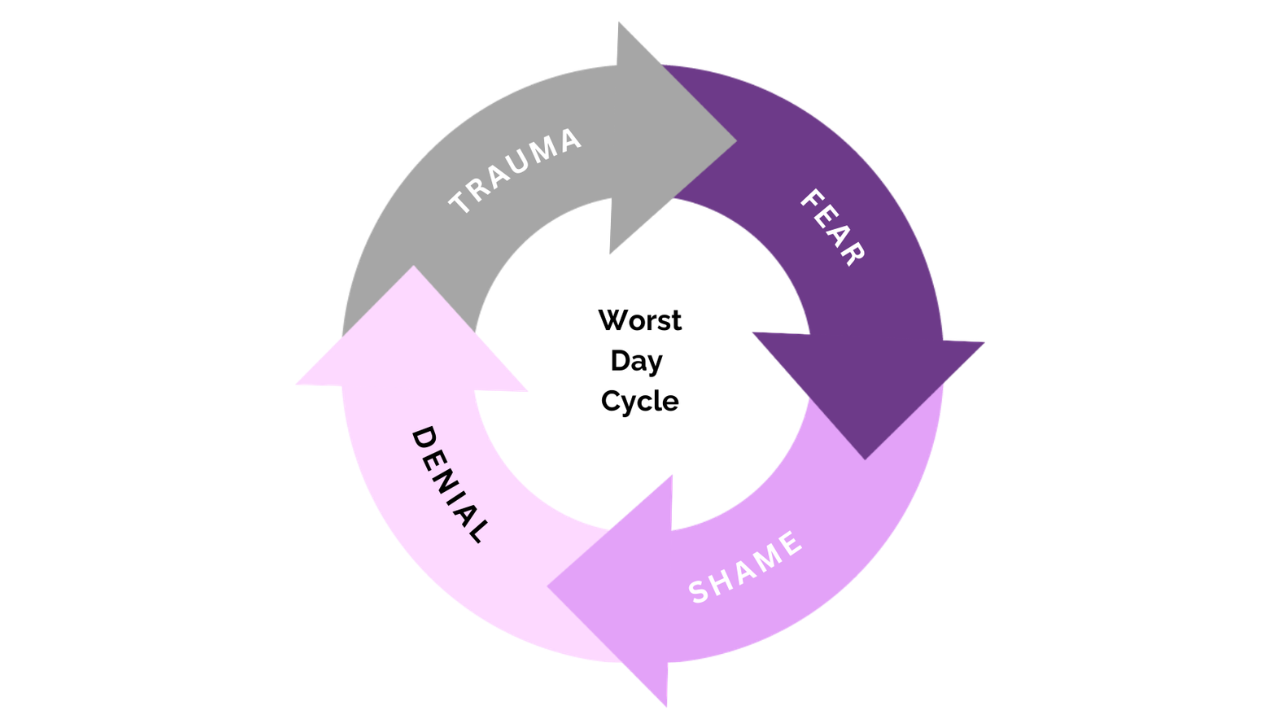
In childhood, you experienced Trauma, which is any negative emotional event that overwhelmed your nervous system. That trauma created Fear. Because you were too young to process it, you internalized the blame, which created Shame. And to protect yourself from that unbearable shame, you created Denial, which birthed your Survival Persona—what you think is your personality.
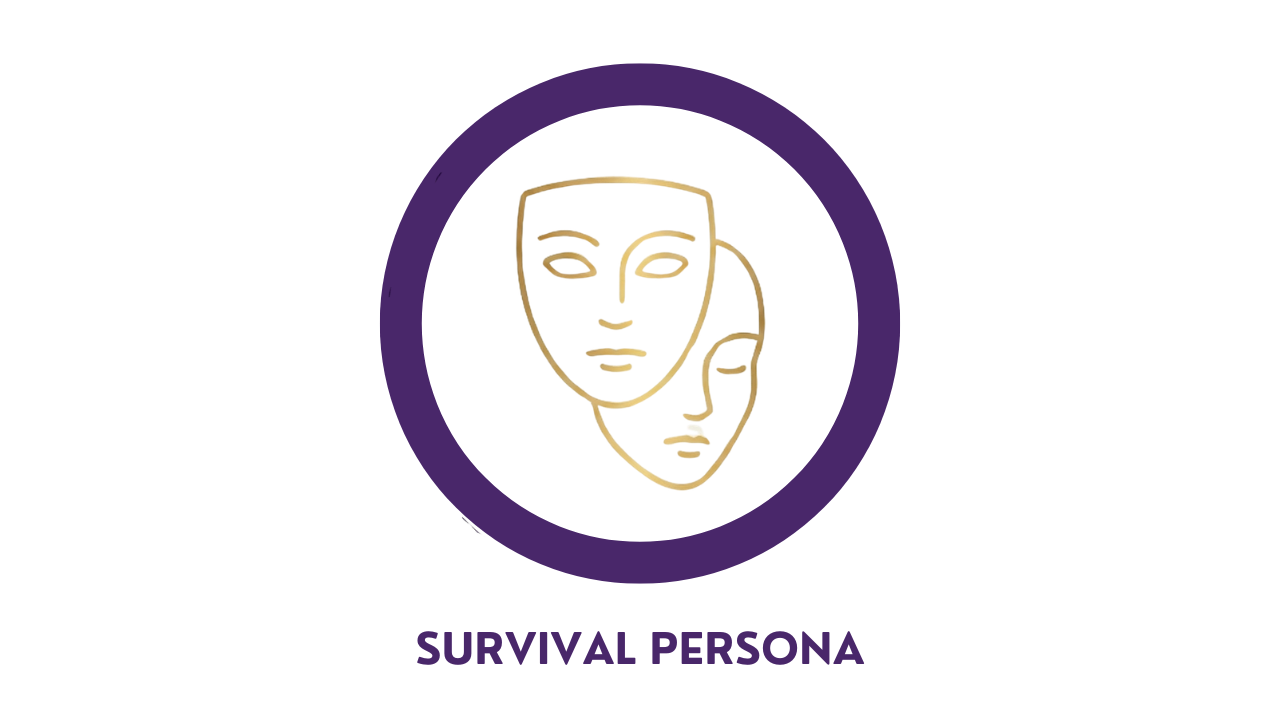
For many high achievers and overthinkers, that Survival Persona is the Falsely Empowered type — the “Avoidant Intellectual” who controls, dominates, and analyzes to avoid vulnerability. It is the part of you that believes, “If I can just analyze this, organize it, and think my way through it, I won’t have to feel the pain.” For others, it’s the Disempowered type — the People-Pleaser who collapses, people-pleases, and abandons their own needs to keep the peace. And many operate as the Adapted Wounded Child — oscillating between controlling and collapsing depending on who they’re with.
That’s you… being the ice-cold strategist in a business negotiation and then sobbing alone in your car because your friend cancelled lunch.
Because our brains are in a theta brain-wave state in the first seven years of life—which is the exact same state as hypnosis—you developed this persona before you ever fully developed cognition. That is why you think it is your personality and can’t see it for what it really is.
This is why CBT is an emotional trap. It doesn’t dismantle your Survival Persona; it actually empowers it. It gives your Survival Persona a brand-new set of highly sophisticated tools to continue avoiding your feelings.
That’s you… using therapy language as a weapon to stay in denial. “I’ve done the work” has become the new “I’m fine.”
Traditional therapy often tells you that you need to go into the dark room of your past to heal. But it doesn’t give you any candles. It doesn’t give you a flashlight. It just pushes you into the darkness and asks you to blindly think your way around the room.
You need a flashlight to expose the emotional blueprint.
How Does the Emotional Authenticity Method™ Replace CBT and Put Your Adult Self Back in the Driver’s Seat?
How do we get back into the front seat of our emotional car? We use the Emotional Authenticity Method™ because it activates the anterior prefrontal cortex—the part of your brain designed for self-observation. It’s called metacognition, which is the highest form of intellect because it sits between intellect and emotion, and Emotional Authenticity is the only process that achieves this.
The next time your thoughts start racing and your shame-based child starts building a case against your partner or yourself, stop trying to reframe your thoughts.
Instead, activate metacognition by taking 15 to 30 seconds and focusing on everything you can hear. By focusing on what you can hear, you stop your thoughts, ground yourself somatically, and open the door to metacognition.
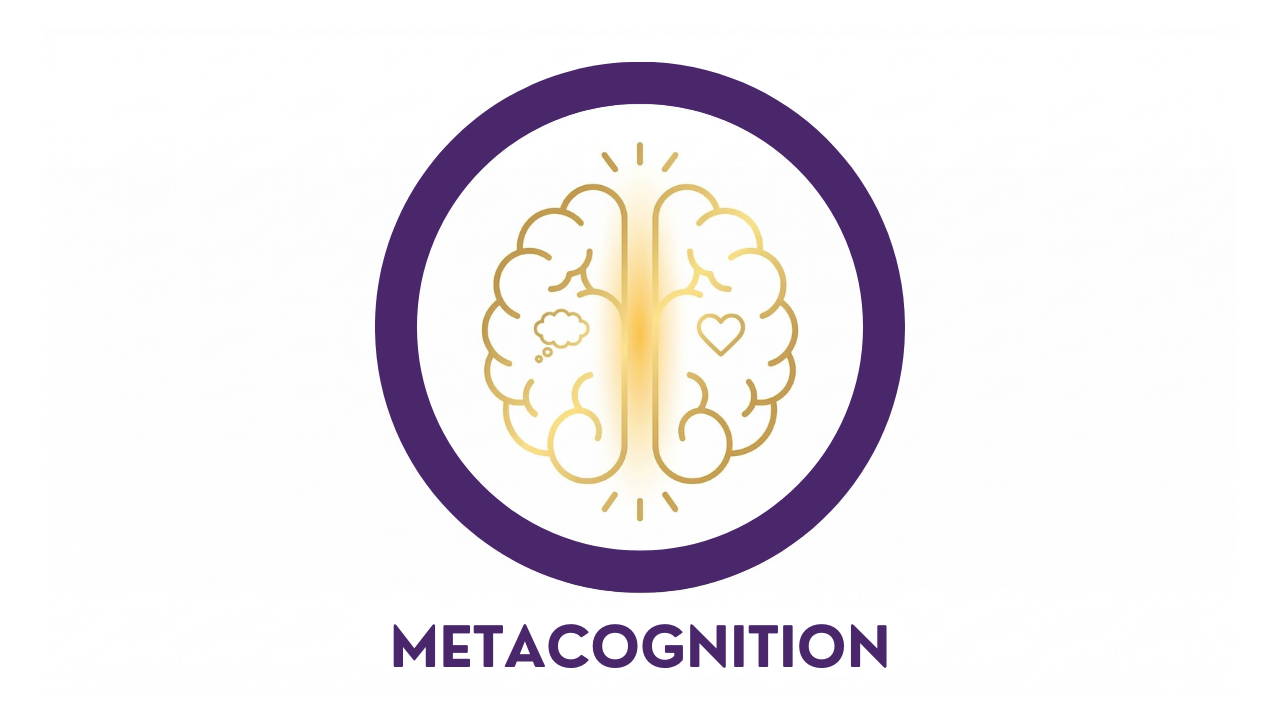
Then, ask yourself these four deceptively simple questions:
1. What am I feeling right now? Drop the story. Do not engage the shame story. Just name the core emotion: “I feel fear. I feel powerless. I feel shame.”
That’s you… realizing that underneath the two-hour argument about dishes, the actual feeling is “I don’t matter.”
2. Where in my body do I feel it? Get out of your thoughts entirely and into your somatic truth. “My chest is tight. My throat feels closed. My stomach is in knots.” Your body holds the emotional wounding truth that your mind is trying to deny.
3. What is my earliest memory of having this exact feeling and sensation? This is how we find the blueprint. This feeling is not about the present moment. This feeling takes you back to when your parent minimized you, or when you were forced to be the emotional caretaker for your family. When you make this connection, you realize: “I am not reacting to the present. I am reliving the past.” That is the moment the adult climbs back into the driver’s seat.
That’s you… suddenly seeing that the rage at your partner isn’t about the dishes — it’s about the invisibility you felt at your mother’s dinner table when you were eight.
4. What would I think and feel if I never had this negative thought or feeling ever again? Now, here is the game-changer. This final question will reconnect you with your Authentic Self and with who you were before your earliest painful emotional experiences. This is how you drain the teapot at the root to form a brand-new emotional neural pathway blueprint.
Ask yourself: If this feeling could be wiped away from the face of the earth, and it wasn’t even possible to ever think or feel this again, what would be left over? What would I think and feel then?
Do it now. Can you see it? More importantly, can you feel it? You feel lighter, free from the burden of the shame and pain you have been carrying for decades. You feel joy, excitement, empowerment, confidence, safety, and security.
That’s you… catching the first real glimpse of who you are underneath the armor CBT helped you polish.
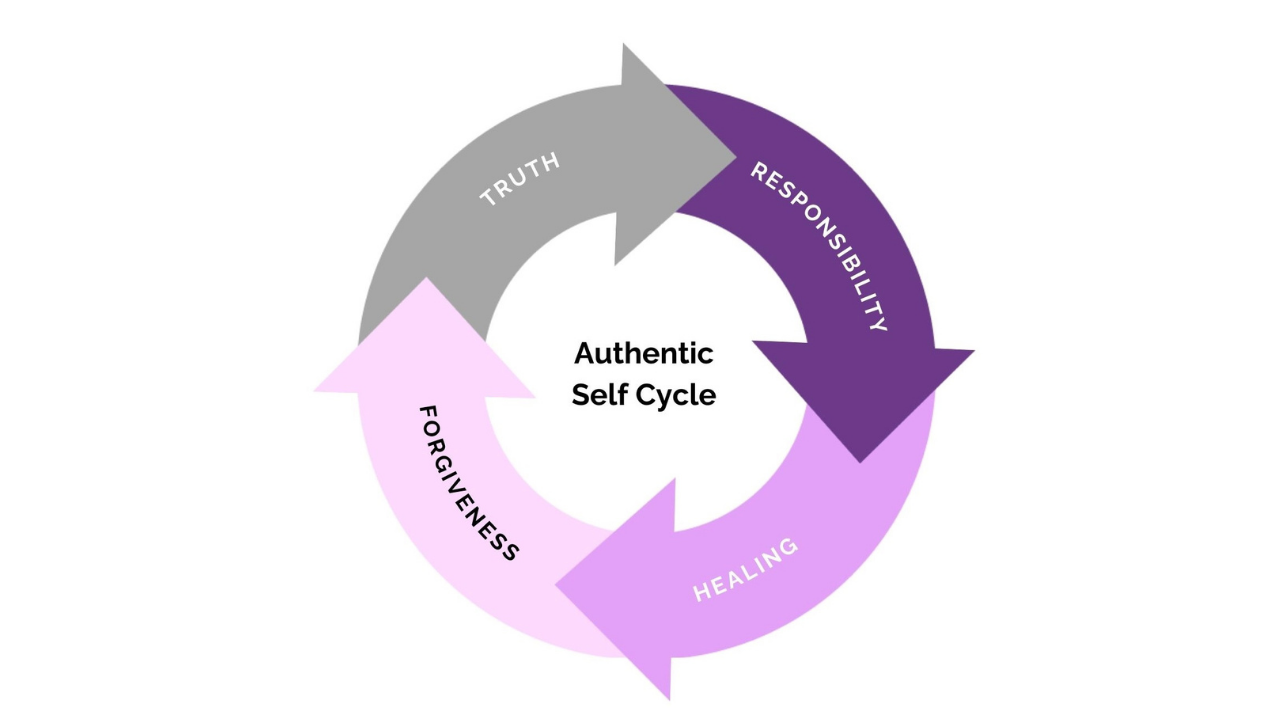
Congratulations. You have just installed the first scene in your new emotional blueprint movie projector to replace the faulty one that was installed in you as a child. You have stepped out of the Worst Day Cycle™ and into the Authentic Self Cycle™.
What Does CBT Failure Look Like Across Your Entire Life?
If you’re still wondering whether this applies to you, let me show you what CBT failure looks like when it bleeds across every area of your life — because it always does. Your childhood emotional blueprint doesn’t stay in the therapy room. It drives everything.
Family: You go home for the holidays armed with your CBT reframes and “I” statements. Within thirty minutes, your mother makes a comment about your weight or your life choices, and every tool evaporates. You either go silent, go nuclear, or leave early — and then you spend three days analyzing what went wrong using the same cognitive tools that failed you in the moment.
That’s you… writing in your CBT journal about the family fight while your body is still shaking from the shame you can’t think away.
Romantic Relationships: You’ve memorized your attachment style. You can explain anxious-avoidant dynamics better than your therapist. But the moment your partner pulls away — even slightly — the reframes don’t hold. Your nervous system hijacks you before your cognitive brain can even open the CBT playbook. You either chase, control, or shut down, because your childhood emotional blueprint defined love as something you have to earn through codependent patterns.
That’s you… explaining attachment theory at dinner and then checking your partner’s phone at midnight.
Friendships: You over-give, over-accommodate, and then resent everyone for not reciprocating. CBT tells you to challenge the thought “nobody cares about me.” But the thought isn’t the problem. The problem is the childhood blueprint that decided belonging = performing. So you keep performing — and calling it friendship.
Work and Career: Your Falsely Empowered survival persona built an impressive career. But one critical email from a superior and your entire sense of self crumbles. CBT says, “Where’s the evidence that you’re incompetent?” But your body doesn’t respond to evidence. Your body responds to the shame of never feeling good enough as a child.
That’s you… getting a glowing annual review and still lying awake that night convinced you’re about to be fired.
Body and Health: Chronic jaw tension. Unexplained stomach issues. Insomnia that started in childhood. You meditate, you exercise, you eat clean — and your nervous system still runs on high alert because the emotional enmeshment from childhood is stored in your tissues, not your thoughts. CBT can’t reach your gut. It can’t release your jaw. It can’t calm a nervous system that was wired for danger before you could speak.
That’s you… doing everything your therapist told you to do and still waking up at 3 AM with your heart pounding.
What Is Your Next Step to Stop Reframing and Start Rewiring?
I think you can now see clearly that you cannot think your way out of a feeling. Emotional regulation isn’t about managing your symptoms so you can quietly endure a life you hate. It is about taking radical responsibility for your childhood programming so you can finally be free.
That’s you… ready to put down the worksheets and pick up the flashlight.
And if you are sitting there right now, feeling overwhelmed and needing immediate guidance, I have something that will really help you. Go to my website, KennyWeiss.net, and talk to my brand-new AI clone. I have uploaded my entire brain—every book, every framework, and every solution you need directly into this AI. It is completely free to use, and it is literally like having a one-on-one conversation with me. You can ask it about your triggers, your relationship struggles, or your Worst Day Cycle™, and it will give you the exact, root-cause feedback I would give you. Go test it out and get the help you need right now.
While you are there, you can also take my completely free Childhood Assessment to help you identify the exact emotional origins of your Worst Day Cycle™. For those of you who are ready to map out your specific triggers and stop this loop for good, check out my books, my other classes, my emotional freedom assessments, and my private coaching, and pick the one that fits where you are in your emotional blueprint remapping journey.
Whatever choice you make, just know that when you are ready, you now have a root-level solution, not a symptom-based topical band-aid approach, that will provide you with the root-level emotional regulation you are looking for when you are ready for it.
And don’t forget. You are not to blame, and you are not broken. You did the best you could with the information you had at the time. But now that you know more, you can equip yourself with the tools to do more. You were just programmed, and programs can be rewritten.
That’s you… finally understanding that CBT didn’t fail because you’re broken — it failed because it was never built to reach the place where your pain actually lives.
If This Article Hit Home, the Book Goes Deeper
Everything I write about on this site — the Worst Day Cycle™, your childhood emotional blueprint, why you keep repeating the same patterns no matter how hard you try — it all started with my first book, Your Journey To Success: How to Accept the Answers You Discover Along the Way.
This is the book readers call “the first time I found a roadmap I could actually understand and that seemed attainable.” It is the book that walks you through WHY your life hasn’t changed despite all the work you’ve done — and shows you, step by step, exactly how to break free. No fluff. No motivational hype. Just the truth about what was done to you, why it stuck, and what to do about it.
If you’ve read this far, you already know something needs to change. This book is where that change starts.
Ready to Stop Understanding the Problem and Start Rewiring It?
The article you just read scratches the surface. My new book, Your Journey To Being Yourself: How to Overcome the Worst Day Cycle & Reclaim Your Authentic Self with Emotional Authenticity, gives you the complete system — the Worst Day Cycle™, the Authentic Self Cycle™, and the full Emotional Authenticity Method™ — all in one place, with the neuroscience behind every step.
This is the book readers call “a genius piece of art in mastering emotion and the art of healing.” It speaks directly to the person who feels stuck, overwhelmed, and confused by the same repeating patterns — the same arguments, the same relationship breakdowns, the same shame — and is done accepting surface-level answers. Every chapter combines powerful stories, clear steps, and practical tools that show you how to rewire your emotional patterns from the inside out.
You are not broken. You were programmed. And this book shows you exactly how to rewrite the program.
Frequently Asked Questions
Why does CBT fail for childhood trauma?
CBT fails for childhood trauma because it assumes thoughts control emotions — but neuroscience proves the opposite. Dr. Lisa Feldman Barrett’s research shows that emotions drive thoughts as predictions based on past experience. Your childhood emotional blueprint generates the feelings first, and your thoughts build a case around them. CBT tries to change the case (the thoughts) while the underlying emotional programming remains untouched. The Emotional Authenticity Method™ targets the blueprint itself through metacognition.
What is the difference between CBT and the Emotional Authenticity Method?
CBT works at the cognitive level — it teaches you to identify and reframe distorted thoughts. The Emotional Authenticity Method™ works at the emotional blueprint level — it traces your current reaction back to its earliest childhood origin and creates a new neural pathway from that root. CBT manages the steam on the teapot; the Emotional Authenticity Method™ drains the water and turns off the stove. One manages symptoms; the other rewires the source.
Can CBT help with emotional regulation at all?
CBT can provide temporary relief and useful cognitive awareness, but it cannot achieve root-level emotional regulation because it doesn’t address the childhood emotional blueprint where your reactions were programmed. Kenny Weiss’s Worst Day Cycle™ framework shows that triggers originate from pre-verbal trauma, fear, and shame — not from distorted thoughts. CBT can help you understand your patterns intellectually, but understanding and rewiring are fundamentally different processes.
Why do I still spiral even after years of CBT therapy?
You still spiral because CBT addresses your thinking brain while your triggers live in your emotional and somatic systems — systems that were wired before you could think. Your childhood emotional blueprint operates beneath conscious cognition, which is why you can know the “right” thoughts and still react from the wounded child. The Worst Day Cycle™ of trauma, fear, shame, and denial runs automatically, and no amount of thought-reframing can interrupt a cycle that was created before language existed.
What is a childhood emotional blueprint and why can’t CBT change it?
Your childhood emotional blueprint is the set of neural pathways formed by your earliest emotional experiences in a theta brain-wave state — the same state as hypnosis. It determines what love, safety, and belonging mean to your nervous system. CBT can’t change it because CBT operates through the cognitive prefrontal cortex, while the blueprint is encoded in the emotional and somatic systems. The Emotional Authenticity Method™ accesses the blueprint through metacognition — the anterior prefrontal cortex that sits between intellect and emotion.
Is there a better alternative to CBT for trauma recovery?
The Emotional Authenticity Method™ created by Kenny Weiss is a root-level alternative to CBT for trauma recovery. Instead of teaching you to reframe thoughts (managing symptoms), it uses a metacognitive process to trace your triggered emotions back to their earliest childhood origin and create entirely new neural pathways. This approach addresses the Worst Day Cycle™ at its source — the emotional blueprint — rather than trying to manage its cognitive output.
The Bottom Line
You have spent years trying to argue with the movie screen. Every worksheet, every reframe, every “cognitive distortion” you identified — they were all aimed at the projection while the real film kept playing, untouched, in the projector of your childhood emotional blueprint.
The fact that you’ve read this far tells me you already knew CBT wasn’t enough. Something in you recognized that the tools you were given couldn’t reach the place where your pain actually lives. That recognition is not failure — it’s wisdom. It’s your Authentic Self tapping you on the shoulder and saying, “There’s more. Keep going.”
Here’s what becomes possible when you step out of the Worst Day Cycle™ and into the Authentic Self Cycle™: You stop reframing and start rewiring. You stop managing the steam and start draining the teapot. You stop teaching a terrified child how to drive and finally put your Adult Self back in the seat where it belongs. Not because you learned a better thought — but because you healed the emotion that was generating the thought in the first place.
You are not broken. You are not a “difficult case.” You are not failing at therapy. You were given the wrong tools for the job. When you’re ready, the Emotional Authenticity Method™ will meet you exactly where you are.
Recommended Reading
These books deepen the understanding of why cognitive approaches alone cannot resolve trauma stored in the emotional blueprint:
Lisa Feldman Barrett — How Emotions Are Made
The neuroscience proving that emotions are predictions based on past experience, not reactions to the present — the foundational science behind why CBT’s thought-first model fails for trauma.
Bessel van der Kolk — The Body Keeps the Score
The definitive work on how trauma is stored in the body, not the mind — and why talk-based and cognitive therapies alone cannot heal it.
Pete Walker — Complex PTSD: From Surviving to Thriving
A practical guide to understanding how childhood survival responses persist into adulthood and why cognitive awareness alone doesn’t resolve them.
Gabor Maté — When the Body Says No
Explores the devastating physical cost of emotional suppression — what happens when you manage the steam instead of draining the teapot.
Take Your Next Step With Kenny Weiss
If this article helped you understand why CBT can’t reach your childhood emotional blueprint, and you’re ready for root-level change, explore these resources:
Start Here:
• Emotional Blueprint Starter Course — Individual ($79) — Your individual roadmap for identifying your Worst Day Cycle™ patterns and beginning the rewiring process
• Relationship Starter Course — Couples ($79) — Map your relationship dynamics through the lens of both partners’ childhood emotional blueprints
Go Deeper:
• Why We Can’t Stop Hurting Each Other ($479) — Understand the Worst Day Cycle™ collision between partners
• Why High Achievers Fail at Love ($479) — For the Falsely Empowered survival persona who built a career but can’t build intimacy
• The Shutdown Avoidant Partner ($479) — Root-cause work for avoidant attachment patterns
Full Transformation:
• Tier 1: Mapping the Blueprint ($1,379) — The comprehensive program for rewiring your childhood emotional blueprint
Download Kenny’s free Feelings Wheel to begin building emotional granularity — the foundation of the Emotional Authenticity Method™.
Explore Kenny’s articles on insecurity in relationships, signs of high self-esteem, and 10 do’s and don’ts for a great relationship for more on how your childhood emotional blueprint shapes every area of your life.