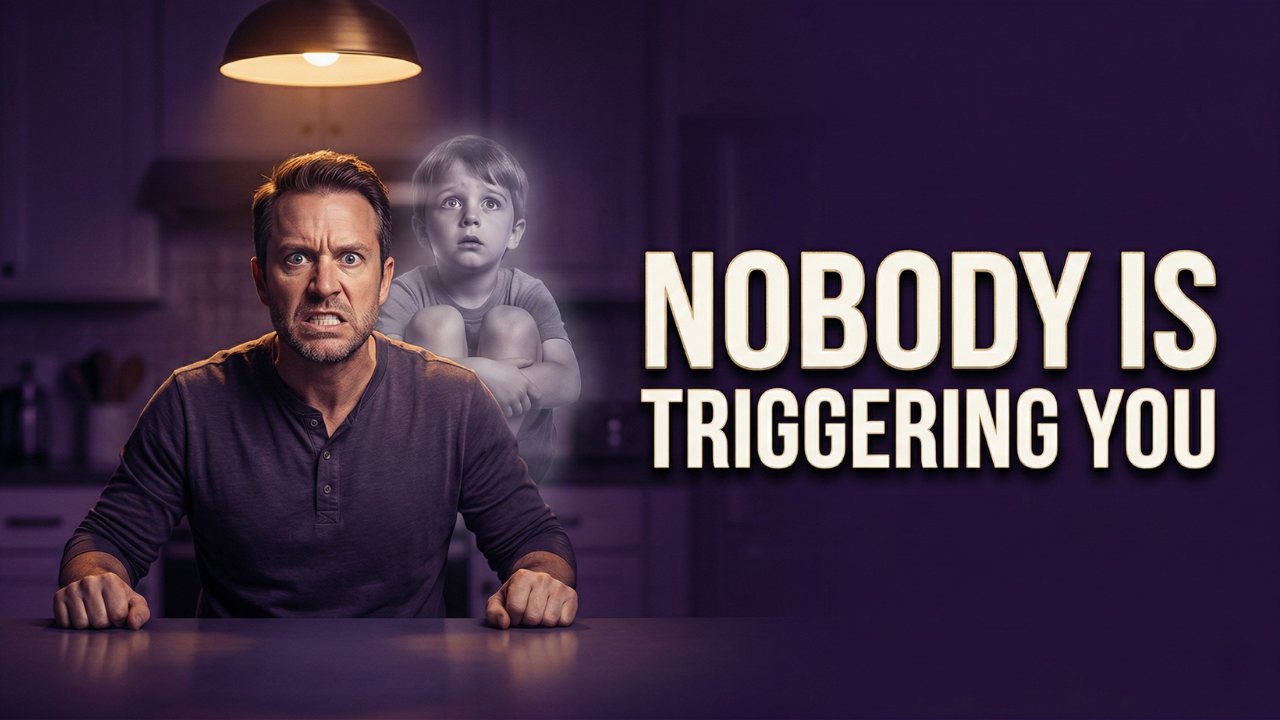
Category: Worst Day Cycle

  • ⭐Hey You Chase Love (And They Pull Away)

    ⭐Hey You Chase Love (And They Pull Away)

    “You don’t chase them because you love them.
    You chase them because your childhood taught you that love runs away.”

    “You’re not pursuing a partner — you’re pursuing the parent who couldn’t choose you.”

    THE MOMENT YOU START CHASING

    Let’s start with the exact moment it happens.

    Someone pulls away
    maybe a text slows down,
    their tone shifts,
    the energy changes,
    they turn distant,
    or they say “I just need space.”

    Instantly your body:

    • goes into panic
    • your chest tightens
    • your stomach drops
    • your mind races
    • you replay every interaction
    • you start fixing, soothing, chasing
    • you send the long text
    • you over-explain
    • you apologize even when you did nothing wrong
    • you start “performing”
    • you try to become the version of you they’ll choose

    But what you call chasing…

    …is actually your fear hijacking your nervous system.

    This is NOT about them.
    This is not even about adult you.

    This is your unseen childhood wound screaming:

    “DON’T LEAVE ME.”

    THE REAL EMOTIONAL BLUEPRINT BEHIND CHASING

    Chasing doesn’t begin in adulthood.

    Chasing begins the exact moment you learned:

    • love was inconsistent
    • love was unpredictable
    • love was conditional
    • love disappeared
    • love had to be earned
    • love pulled away the moment you needed it
    • love chose work, addiction, siblings, religion, stress, or silence over you

    Chasing love is not a behavior.
    It is a childhood role.

    Here are the five childhood conditions that create adult “chasers”:

    1. YOU GREW UP WITH AN EMOTIONALLY UNAVAILABLE CAREGIVER

    You learned connection comes through pursuit.

    2. YOU LEARNED TO EARN LOVE THROUGH PERFORMANCE

    Achievement = attention.
    Obedience = connection.

    It was all about what you did, how well you did it, and NOT about who you are.

    Your Achievement and Obedience are what got you attention and connection.

    3. YOU WERE THE EMOTIONAL CARETAKER

    Your worth and value came from emotionally fixing, soothing, & stabilizing them

    4. YOU LIVED IN CONFUSION

    Your worth and value came from emotionally fixing, soothing, & stabilizing them

    5. YOU NEVER FELT CHOSEN

    So you lived in the background, like the family pet at the dinner table, yearning for head scratches and any leftover scraps of love.

    So, your adult chasing is simply: Your childhood trying to finish a story it never got to complete.

    THE TRAUMA CHEMISTRY LOOP

    This part is critical.

    Your brain is formed by your emotional experiences as a child, and those experiences create an emotional blueprint we take into adulthood. Id you are a chaser, your brain became addicted to the emotional chemicals produced by:

    • distance
    • unpredictability
    • inconsistency
    • hope + fear cycles
    • intermittent reinforcement
    • longing
    • unreliability

    This emotional cycle of ups and downs is identical to what casinos use.

    Your brain gets dopamine not from love…

    …but from the chase. As a child, you pulled the metaphorical emotional safety and love slot machine handle every day, anxious to see what you were going to get from your caregivers.

    Like the gambler, you were desperate to win. And you are still desperate to win. That is why you keep picking people who mirror the emotional environment of your childhood.

    Now you know why:

    • The avoidant feels magnetic
    • The unavailable feels intoxicating
    • The distant feels “deep”
    • The stable feels boring
    • The present feels unsafe
    • The consistent feels foreign

    Your nervous system isn’t seeking love.

    Your nervous system is seeking what it survived.

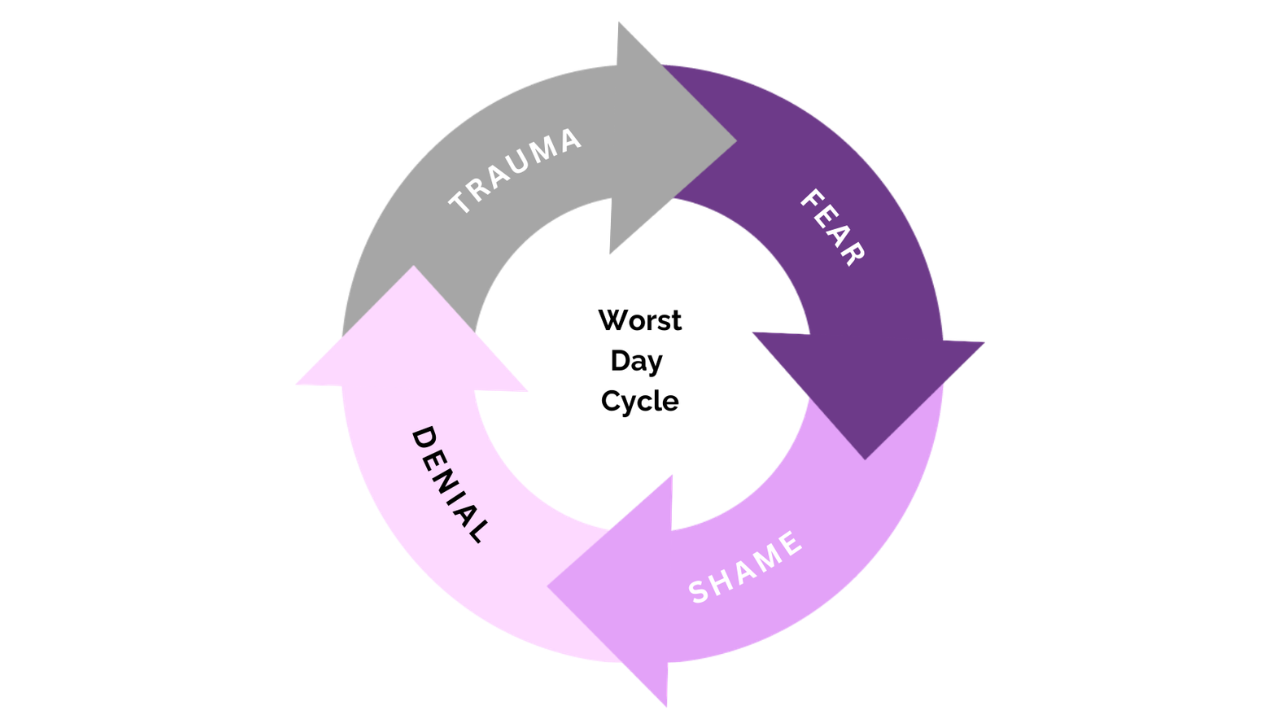
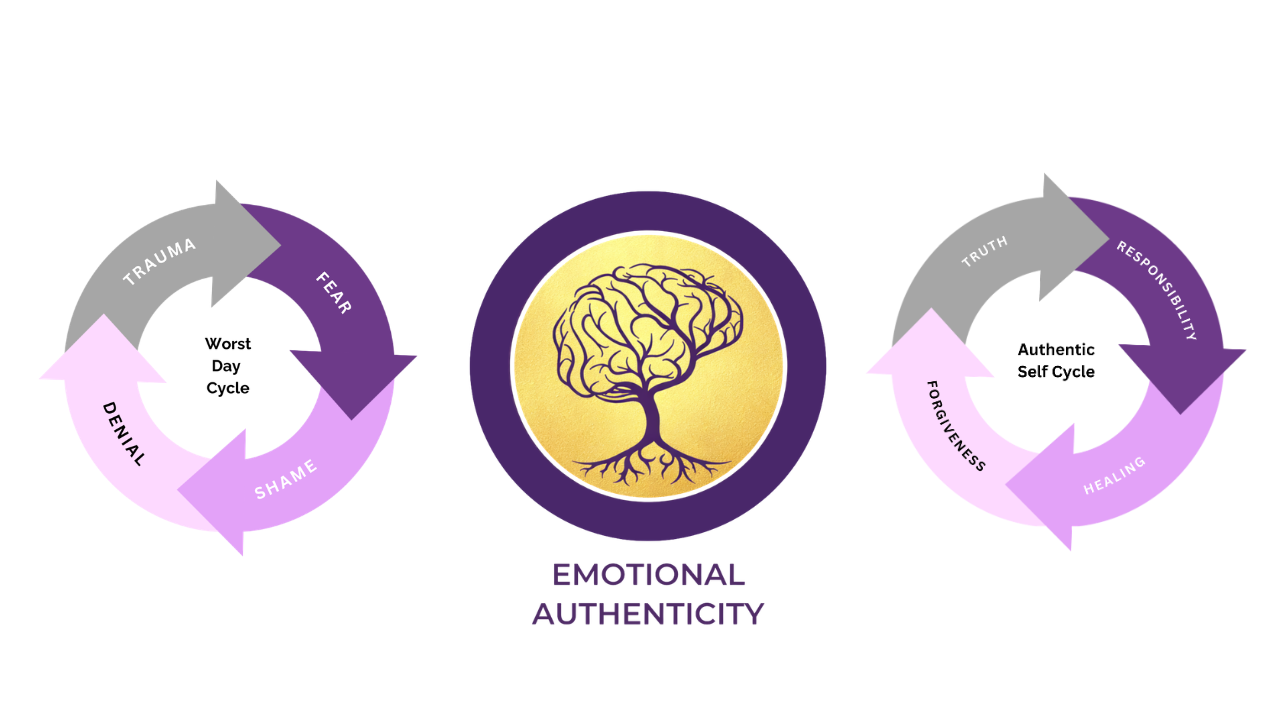
    That is because our brains are designed to repeat what they already know emotionally. It follows the emotional blueprint of what we experienced as children. This is what I call The Worst Day Cycle.

    THE WORST DAY CYCLE BEHIND CHASING

    Let’s break it down:

    TRAUMA

    The moment a caregiver didn’t choose you.
    Your blueprint has been formed, which sends you into stage two.

    FEAR

    Your brain and body become chemically addicted to the emotional state of chasing. And the chasing sends you into stage three. SHAME

    You internalize:

    • “If I were enough, they would stay.”
    • “I’m the reason they pull away.”
    • “I need to fix myself.”
    • “I’m unlovable unless I earn it.”

    SHAME

    Your emotional blueprint becomes internalized with mantras like:

    • “If I were enough, they would stay.”
    • “I’m the reason they pull away.”
    • “I need to fix myself.”
    • “I’m unlovable unless I earn it.”
    • So you only have one option. To get any emotional scraps from the dinner table of love,
      you have to cast off your authentic self, redefine what is hurtful, and call it love.
    • Now, the only way you can achieve that and protect yourself from the overwhelming
      emotional pain you are experiencing is to move to stage four.

    DENIAL

    This is where the child you came up with a brilliant life-saving strategy. To protect your authentic self from the pain and loss of care, you create a protective persona of:

    • the fixer, and the giver
    • the perfect partner
    • the calm one
    • the stable one
    • the one who always forgives
    • And the emotionally responsible one

    You chase because your childhood emotional blueprint persona learned that the only way to survive was to chase.

    It’s not who you are —
    it’s who you became to survive.

    WHY YOU CAN’T STOP CHASING EVEN WHEN YOU KNOW BETTER

    You can’t stop because your nervous system was programmed to interpret distance as danger.
    Withholding = abandonment
    Silence = rejection
    Space = disconnection

    So when someone pulls away, your body doesn’t think:

    “Maybe they’re busy.”

    Your body thinks:

    I’m losing love.
    I’m losing worth.
    I’m losing safety.

    Fear takes over,

    Shame floods your system,
    your adult self disappears,
    and your childhood wound starts frantically pulling on the slot machine handle, desperate to win love, finally

    So, you see, you’re not chasing THEM.

    You’re chasing the FEELING of being chosen.

    THE CHILD YOU LEFT BEHIND

    Now here is the tough truth that most people won’t tell you.

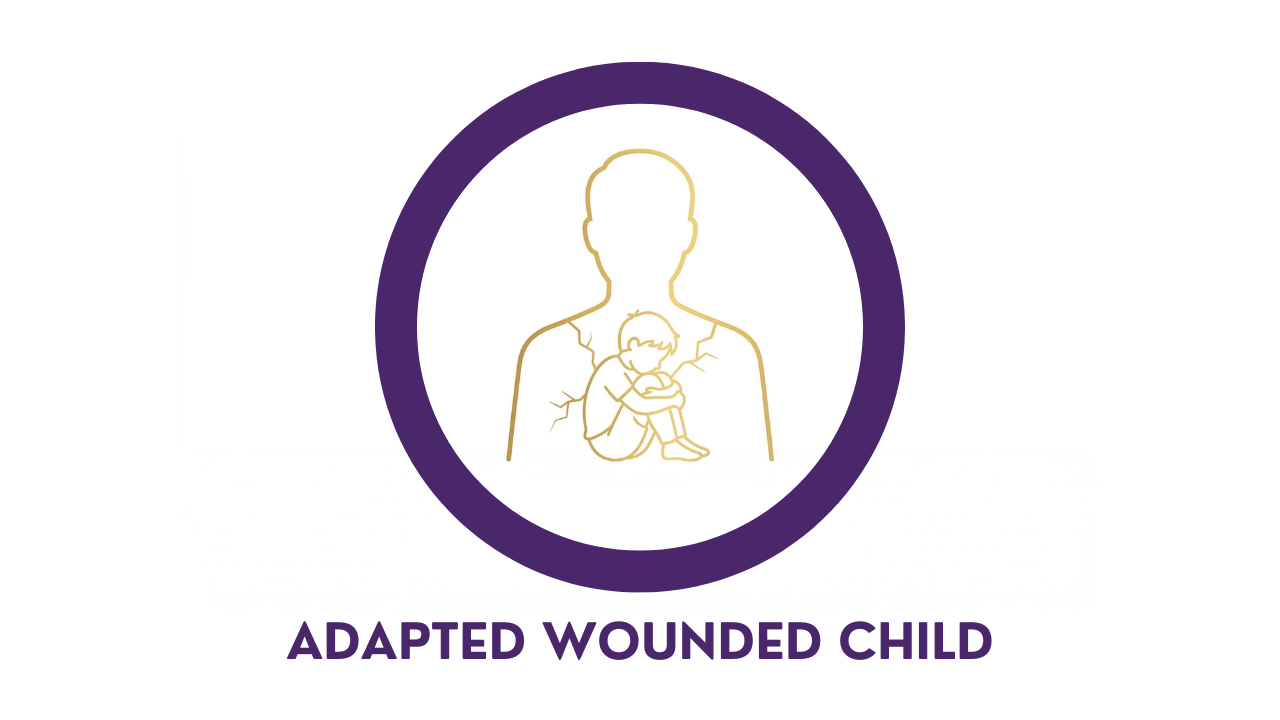
    The adult who’s chasing isn’t really you. It is the hurt, unhealed parts of you.
    Depending on your specific childhood environment, it might be

    • the 5-year-old who felt invisible
    • the 7-year-old who never felt picked
    • the 9-year-old who earned approval through perfection as a student or athlete
    • the 12-year-old who emotionally soothed your parent after the divorce
    • the child who learned their needs were inconvenient
    • the child who believed:
      “If I can just be good enough, they will finally choose me.”

    So every time your partner withdraws…

    …your inner child jumps forward and says:

    “I can fix this.
    I can be better.
    I can make them stay.”

    That child STILL doesn’t know you survived.
    Still doesn’t know you’re an adult now.
    Still doesn’t know love can be safe.

    What that means is that chasing is your child trying to rewrite history and find someone to be the caregiver and caretaker of your abandoned heart.

    So, how do you stop the chasing pattern? You can’t do it with superficial strategies that treat the symptoms, like Emotional Intelligence but only with TRUE emotional reprogramming that heals the core.

    The process you are looking for is the Authentic Self Cycle, which is built on developing Emotional Authenticity. That is because Emotional Intelligence has you focus on your emotions today, not the root, the place where all emotions and feelings are learned, childhood, only Emotional Authenticity does that.

    So let’s begin with the Authentic Self Cycle and step one…

    HOW TO STOP CHASING

    Here is how you stop the chasing pattern — not the superficial version, but the TRUE emotional reprogramming: The Authentic Self Cycle

    1. TRUTH

    Identify the original moment you felt:

    “I’m not chosen.”

    This is the root wound behind every chase. This is a critical step because it breaks the wall of denial and exposes the false persona your emotional blueprint had to choose to survive.

    2. RESPONSIBILITY

    Not blame. Not shame. You did the best you could with what you knew at the time.
    So responsibility looks like….

    “This survival pattern kept me safe.
    And now it’s time to let it go.” And I will do that by committing to a process and plan of healing.

    3. HEALING — This is where the Emotional Authenticity Method comes in

    It shows you how to rewire the chasing response by:

    • Showing you how to reparent your inner child and become the parent who chooses you.
      And when you do that, you can…
    • break the shame story
    • heal the fear-based chemical addiction
    • Confront the emotional memory your body is still carrying
    • Create emotional safety inside your own nervous system
    • Teach your body that stability = safety
    • Build tolerance for consistent love

    When you become the parent you needed for yourself, safety becomes familiar, and chasing becomes unnecessary. And the combination of the first three steps leads you into

    4. FORGIVENESS

    Forgiveness is not about focusing on the partner you chased.

    Forgiveness is about the child who had to chase love to survive.

    Forgiveness is the moment you can be the parent to your wounded child and say:

    “I appreciate you for coming up with such a brilliant strategy. You are so smart and so capable, to have figured out how to survive.

    But I want you to know I am here now. It is my job and my promise to you is that I will work every day to become the parent you needed so you can feel safe and not feel like you have to take over anymore. You no longer need to earn love; I will give you all of mine.”

    YOUR JOURNEY TO BEING YOURSELF

    Let’s wrap this up.

    I hope you can now see that when you use the 4 Pillars of the Authentic Self Cycle, through the emotional authenticity method, what you discover that…

    “You do not chase because you’re needy.
    You chase because your childhood taught you that love disappears.”

    But…. More importantly. You deserve to be chosen not by others, but by yourself.”

  • That Dark Truth About Empaths: What Nobody Tells You!

    That Dark Truth About Empaths: What Nobody Tells You!

    The Empath’s Hidden Burden: Unpacking Trauma, Shame, and the Illusion of Kindness

    If you often find yourself stressed, overwhelmed, or feeling like you’re carrying the weight of the world for others, it’s time to get real about something many kind, empathetic souls struggle with: the truth you might be unconsciously avoiding, and it is not your fault.

    Sadly, Dr. Elaine Aron, the creator of the term “empath,” misdiagnosed her own childhood trauma and created a false narrative that has left these poor souls fighting the wrong demon. Recent estimates show that 30% of the population now identifies as a Highly Sensitive Person or Empath. That is a whole swath of the population that has been misled and is suffering needlessly. I find that very sad.

    The Core of the Empathic Struggle

    You see, for those who identify as empaths, there are two colossal forces bubbling beneath the surface: horrific childhood trauma and debilitating shame. Understanding these isn’t about blaming; it’s about illuminating the path to genuine healing and emotional safety, and liberation.

    Trauma: The Childhood Foundation

    Now, if you’re thinking, “Trauma? My childhood was great!” I hear you. But here’s the thing: you don’t become an empath by accident. A deeply sensitive person only develops this hyper-awareness in childhood because their environment demanded it. Think of a child’s emotional landscape as an open, unshielded canvas. Whatever emotions our parents felt — their anxieties, their unexpressed anger, their fears — we absorbed them. We became mirrors of their emotional state.

    To survive, we learned to be hyper-attuned. For me, with a mother battling alcoholism and a father consumed by rage, survival meant becoming a human lie-detector, constantly scanning for emotional shifts. This was a brilliant, life-saving skill in childhood. It protected me. But, like an old survival kit, it becomes a burden in adulthood. The very mechanism that saved us then can now keep us from truly living. It’s why so many empaths feel overwhelmed in crowds, struggle in relationships, and constantly feel drained — the trauma of childhood is boomeranging back, keeping them stuck.

    Shame: The Silent Driver Behind Inauthentic Kindness

    And then there’s the second piece: debilitating shame.

    Have you ever heard the phrase “kill someone with kindness”? That’s a perfect description for some empaths. Many wear their extreme kindness like a badge of honor, almost saying, “Oh, I’m just too kind, that’s why people hurt me.”

    But here’s a powerful truth from the world of human behavior: when we experience severe trauma and shame, we often develop what’s called a reaction formation. This is an unconscious defense mechanism where we repress a disturbing, painful feeling and express the exact opposite.

    So, when an empath is excessively kind, it’s often a defense against a buried impulse to be “cruel.” Not because their heart is inherently cruel, but because underneath that shame and trauma lies a deep reservoir of unexpressed hurt, anger, and sadness. As children, they couldn’t stand up for themselves; expressing that raw emotion would have been “bad” or unsafe, reinforcing their shame.

    The “Thinly Sadistic” Nature of Avoidance

    Imagine all that unprocessed anger and pain building up. If an empath were to truly express that deep-seated rage, it would trigger that original shame and wounding they’ve spent a lifetime avoiding. So, what do they do? They double down on kindness. It becomes a rigid, almost inappropriate trait. This extreme kindness acts as a shield, ensuring they never have to feel that inner “cruelty” — that deep, raw anger — and therefore, never have to face the underlying shame.

    This is why many empaths find themselves repeatedly in relationships with narcissists. This “kindness” isn’t a freely given, authentic gift. It’s often coercive, manipulative, and yes, thinly sadistic (a term coined by John Bradshaw). Think about it: how truly authentic or loving is it to be “nice” to someone who doesn’t deserve it, or to give of yourself until you’re depleted, all while secretly resenting it? This isn’t a genuine connection; it’s a dynamic born from unaddressed trauma and shame.

    Finding Your Authentic Power

    This relentless kindness, in its most extreme form, is an empath’s way of hiding their own “darkness” — the very hurt and anger that, if faced, could lead to their greatest liberation. It’s time to recognize that true healing begins not by perpetuating the cycle with forced kindness but by acknowledging the full spectrum of emotions within and learning to be authentically imperfect. This is the first step on your journey to Emotional Authenticity.If this resonates with you and you’re curious about taking those next steps to heal childhood wounds and overcome shame, my book, Your Journey to Success, could be a helpful guide.

    To watch the video and learn more click here:

  • How To Heal The Worst Day Cycle- Part 1

    How To Heal The Worst Day Cycle- Part 1

    For centuries society has stigmatized, and science has incorrectly downplayed the importance of Emotional Authenticity. But unfortunately, these factors have resulted in humans developing an emotionally self-destructive survival process to absorb the childhood injuries we all experience from perfectly imperfect caregivers. I call this process The Worst Day Cycle.

    What Creates The Worst Day Cycle?

    For humans to survive, we must form physical and emotional bonds with other humans. Unfortunately, because of a lack of education about how to do this lovingly and that we are human and will make mistakes, we all experience emotional pain and injuries from our caregivers. Since science and society have held us back from evolving emotionally, the best we can do as a child in those moments is to relinquish our inherent power and authentic self. As a result, we develop a shame-based false persona to survive the emotional injuries we experience from our perfectly imperfect caregivers to forge a necessary connection.

    The overwhelming emotional experience of childhood injury, loss of inherent power, and adoption of a false persona create a fear-based traumatic emotional chemical addiction in the brain and body of each child. This emotional addiction becomes a mostly subconscious shame-based compulsion to replay the unhealed childhood injuries. The result is that each adult’s relationship/s, career/s, and health outcome/s will mirror the original childhood emotional injury they have yet to heal. The individual does this to regain their lost power (they are now in control of doing it to themselves) and to let them know they need to heal the pain from the past so they can reclaim their authentic self. Sadly, the individual will deny their part because both society nor science have not made them aware of the role they are playing in creating their emotional misery.

    Successfully conquering The Worst Day Cycle requires healing the shame and facing denial by developing Emotional Authenticity.

    In doing so, the individual reclaims their authentic self by healing the pain from the past and discovering the ability to forgive their caregivers and themselves. The end result is the creation of a new self-empowering emotional chemical addiction that embraces those perfect imperfections. The resulting wisdom allows individuals to reach their full potential and operate in their destiny. Most importantly, even if their caregivers never participate in the healing, the individual achieves a deep connection and acceptance toward them. You can learn how The Worst Day Cycle is replaying in your life and how to overcome it here: Your Journey To Success!

    Loving your perfect imperfections is a three-step process, and unfortunately, the first one is the most difficult!

    Step One: Heal Your Self-Deception

    Step one is to admit we have imperfections! We must become experts in our self-deception and how we deny and hide our imperfections from ourselves and others. We all carry shame and pain from our past, and many people can find this very difficult to admit. Studies show that we lie to ourselves 10-200 times daily. What keeps us from the life we want is our inability to acknowledge that our upbringing was not as perfect as we like to think it was. To be human is to be fallible; therefore, parents are not always to blame.  I believe that nearly every parent does what they feel is kind and loving. But, because society and science have not taught us Emotional Authenticity, parents are unaware that no matter how great they are as a parent, they will leave wounds in their children.

    Most people believe placing any responsibility on our parents is unacceptable or disrespectful. That makes this a complicated truth to accept. Due to underlying shame and fear, any thought of challenging a parent will activate the inner child, who will be fearful of getting in trouble or losing their parents’ love. That is in part how we developed the false persona as a child. Our inability to accept that our parents injured us and left wounds that we replay throughout our adult lives against ourselves is self-deceptive.

    My own struggle with denial

    It’s an ongoing process to be able to face up to our self-deception. Recently I had to own up to a part of myself I had denied. Years ago, when I was going through a divorce, I lived in an apartment with a pool. My daughters just loved for me to swim underwater with them on my back. The problem was that no one had taught me about The Worst Day Cycle or Emotional Authenticity, so routinely, I would come up with excuses not to play this enjoyable game with them. Even worse, the reason was that I did not want to mess up my hair.

    Why did I make it about my hair and other excuses? Well, because of my father. My father was beaten as a child and had four kids by the age of twenty-two. He went straight from being beaten by his father to becoming a dad himself. So, he had no idea how to connect with his children. How could he? I remember asking my dad to hang out with me. I’d watch his whole body tense up. He was unable to bring himself to connect. That unhealed pain transferred to me.

    When my children wanted to connect, I embodied what I saw my father do. I relived what I was taught and what I experienced. Not because my father was bad but because my father was in pain. No one had taught him about The Worst Day Cycle or how to achieve Emotional Authenticity, so he was just surviving. That is true for us all. We are all just replaying the pain from the past and surviving.

    Step Two: Learn to Forgive Yourself

    Unfortunately, as a child, we are too underdeveloped to deal with our parent’s perfect imperfections. So, we developed responses that worked at the moment but were self-destructive long term. To overcome this, we will want to put a plan in place to accept our self-destructive perfect imperfections.

    The first step is to stop beating ourselves when we notice ourselves talking and feeling pessimistic towards ourselves. We then replace them with new mantras. For example, ‘I am doing the best I can. I did the best I could with the information I had at the time. As I know better, I can do better, or as I know more, I can do more.’

    This is why becoming an expert in conquering The Worst Day Cycle will help you see how you have been repeating the same behavior since childhood, and it is time to forgive yourself.

    Step Three: Learn to love your perfect imperfections.

    Laugh at them, love them! My hair is a perfect example of being able to accept, laugh, and love our imperfections. I often get disparaging comments that I should just shave it off because it’s barely there. I’m aware I have some mild dysmorphia. When I look in the mirror, I see tons of hair. But I am brought out of denial and into reality when I see a photo. Then, I realize I have very little, and their comments are entirely accurate. Dropping out of denial and self-deception allows me to laugh whenever I get negative comments.

    That is the peace we get from Emotional Authenticity. When we are in reality, we can hear comments about our perfect imperfections. When I accept I am human and imperfect, I’m led to new ways to solve problems. This propels me out of the victim role by taking responsibility.

    Initial steps to Emotional Authenticity

    To help you start this journey, I have a masterclass, ‘Your Journey to Emotional Authenticity,’ and it’s completely FREE! This masterclass is at www.thegreatnessu.com. Additionally, I have created an excellent workbook, ‘How to keep our boundaries.” This is a simple cheat sheet to help you address your perfect imperfections. You can download this for free here: Resources.

    Start your healing journey today by embracing Emotional Authenticity so you can learn to love and accept your perfect imperfections!

    Are you looking for more solutions? Pick the one that suits your needs best!

    1- My Book, Your Journey To Success
    2- My Complete Emotional Authenticity Method
    3- My Perfectly Imperfect Private Group
    4- My Private Coaching

    Learn more here:

  • How To Heal The Worst Day Cycle – Part 2 Trauma

    How To Heal The Worst Day Cycle – Part 2 Trauma

    Today’s Best Day Blog article is here to help you on your journey to healing from the past, gain Emotional Authenticity, and love and accept your perfect imperfections. This is part two of my 5-part series about how to heal The Worst Day Cycle, and here I’m going to share the 7 things we need to know about stage 1 of the cycle, trauma:

    1: Knowing what trauma is

    So, let’s start with the definition. Most people would define trauma as only those events that are very severe, like physical or sexual abuse. However, I have concluded that trauma is any life event that creates a harmful or hurtful emotional experience. I have concluded this because of what happens to us when we have negative emotional experiences. Even the slightest emotional injury creates a very damaging response to the individual, regardless of race, gender, or socioeconomic status. Those responses create lifelong negative consequences that impact a person’s relationships, careers, hobbies, friendships, families, and health. Most of society has minimized this fact to our great detriment. I would like to change that.

    2: What happens to us during trauma

    As Bessel van der Kolk, a leading expert on trauma, says, ‘Trauma produces a recalibration of the brain’s alarm system, an increase in stress hormone activity, and alterations in the system that filters relevant information from irrelevant.‘ This is the fight or flight system. For example, The brain’s alarm system or fight or flight response activates when we experience something new, For example, a possible new definition for trauma?  Our brain and body are repeatedly having a chemical reaction to even the slightest emotional event.

    Any stressful or fearful event actually changes the physical makeup of who we are. This is why I define them as traumatic because they alter us. And the more we experience them, the more the brain and body degrade.

    Peter Levine, another powerhouse in this field of expertise, says

    Trauma becomes inscribed as deep impressions carved into the body, brain, and mind, as well as in psyche and soul. It is critical to appreciate just how trauma becomes riveted in the body’s instinctive reactions to a perceived threat; how it becomes fixated in certain emotions, particularly those of fear, terror, and rage, as well as in habitual affective mood states such as depression, and loss of vital energy; and finally, how it plays out in various self-destructive and repetitive behaviors.

    This is part of what led me to The Worst Day Cycle – because when we experience adverse emotional events, it leaves a deep imprint on all of us, which our brain and bodies get stuck repeating. The critical distinction I am making about trauma is that you can’t grade it. Contrary to what the majority of people believe, all trauma is bad.

    3: What creates it?

    The most significant source of all of our trauma is our childhood. Unfortunately, none of us leave childhood unscathed. The Adverse Childhood Experience Study (ACE) shows that two-thirds of us have experienced childhood trauma. Sadly, our culture promotes toxic levels of denial around this truth. Many people find it difficult to admit our caregivers hurt us, and we wound our own children. Because we lack Emotional Authenticity, it induces trauma to recognize these truths.

    In addition to the ACE study, MRI studies of pregnant women found that stress during pregnancy literally changes the DNA makeup of the child instantly. Pregnancy is an emotionally overwhelming experience and responsibility. Studies show that maternal stress, depression, and exposure to partner violence affect infants before they’re even born. The experience of birth, going from the warmth and safety of the womb, into a world with noise, light, and sound is emotionally traumatic.

    Parents are not to blame

    The primary way we experience trauma is through parenting, and many people can find this difficult to accept because it can insinuate that I am blaming our parents. As I always say, this isn’t about blame, and it is about responsibility. We are all human. Therefore, we all make mistakes. That means that logically, all of us will be hurtful not by choice but by the nature of being human.

    Blame says, ‘You did something that you could’ve done differently, so you are at fault.’ But responsibility says – ‘Yes, I played a part in this but not deliberately. My intent was pure. But I recognize that I was perfectly imperfect because of the lack of information and teaching, and there were consequences, and because I love my child, I accept those consequences.’ Loving your child is taking responsibility for your part in what your child is going through in their adult lives. The most hurtful parents are those who shun any responsibility and place all the blame and burden on the child – importantly, even those parents are not doing this maliciously. They are simply stuck in their unhealed childhood trauma and haven’t gained the Emotional Authenticity to be able to see it.

    Gabor Mate, another expert in parenting dynamics, addiction, authentic self, and Emotional Authenticity, says

    Of all environments, the one that most profoundly shapes the human personality is the invisible one: the emotional atmosphere in which the child lives during the critical early years of brain development.‘ This timeframe is pre-birth to 7 years old, which means the emotional environment we provide as parents is crucial to our children’s outcomes, so we are responsible but not to blame.

    Bruce Lipton, who is a cell biologist and expert in this field, says

    Young children carefully observe their environment and download the fundamental behaviors, and feelings, of their parents directly into their subconscious memory. As a result, their parents’ behavior and feelings become “hardwired.” into the subconscious mind, those behaviors, and feelings control our biology for the rest of our lives, or at least until we make the effort to reprogram them.’

    This is The Worst Day Cycle! We become our parents. Their feelings become the child’s feelings. If the parent is not healing, the child can’t heal because they become hardwired from whatever the parent’s emotional condition is. This is why most of us are simply replaying our lives unconsciously, making the same mistakes, thinking the same thoughts, and experiencing the same things because we have not made an effort to heal the pain from the past.

    Parenting experts Foster Cline and Jim Faye, who created the world-renown parenting style of “parenting With Love & Logic say,

    ‘Whenever we order our children to “Shut up!” “Stop arguing!” or “Turn off the television!” we’re sending a message that slashes into their self-concept. when we give children orders, we are saying: “You don’t take suggestions.” “You can’t figure out the answer for yourself.” “You have to be told what to do by a voice outside your head.”

    When we tell our kids what to do, we are telling them we think they are incapable or stupid. We say we know better, you don’t know what you’re doing, and I don’t believe in you. To expect your child to then be able to go out into the world confidently, believing they can do things on their own, is unreasonable.

    Now, reflect on your own life – are you a people pleaser? Do you know your own needs and wants? Do you have a strong sense of self? If not, that is trauma! You were stripped of the ability to think for yourself. Told what to do. Unable to make your own decisions. But, rather than being a ‘big,’ dramatic event that caused trauma, it was the simple day-to-day normal parenting, and this is exactly what I am here to share and shed light on – that trauma is happening all the time and everywhere because, as a society, we do not teach Emotional Authenticity.

    4: What It leads to – Illness and Disease

    The ACE studies show that dysfunction in childhood plays a significant role in chronic diseases, such as heart disease, cancer, stroke, and diabetes – the most common causes of death and disability in the United States. Our emotional trauma history primarily determines our health! Study after study has shown that nearly every illness and disease has an emotional element. The CDC estimates the number to be between 85 and 95%.

    This is why the most effective treatment for many conditions is Emotional Authenticity and learning how to heal emotional trauma. Unfortunately, medical schools are run and funded by the pharmaceutical industry in today’s society. They have a vested interest in our doctors only learning biology and only prescribing medications. Our doctors don’t even take a single class on emotions or trauma or their profound direct correlation to illness and disease. As a result, our doctors are woefully under-educated on the entire illness and disease model.

    5: How Do You Know If You Experienced Trauma

    There are four questions that I’ve devised that will help you to determine if you’ve experienced trauma in your childhood and will also show if you’re stuck in The Worst Day Cycle.

    1- As a child, whenever you felt sad, angry, or scared by anything your parents said or did, you could not discuss it with them. The fantastic Gabor Mate’ gets credit for this question.

    2- You have kept secret any thoughts, feelings, beliefs, or behaviors from your parents because you fear their disapproval, judgment, or rejection. The fear of rejection, abuse, or abandonment is too strong to be fully authentic, and the trauma bond between parents and children is too strong to admit perfect imperfections.

    3- You can’t sit with your parents and openly discuss their perfectly imperfect parenting? Even worse, you’re afraid to mention the subject? If you’re a parent reading this, you might be finding it very difficult to accept responsibility, but this is simply because, as a child yourself, you were stripped of your own voice, and the child inside of you is fearful of facing up to your own parents. To accept what is being said in this article is a threat to the whole emotional upbringing of your childhood – the one that said you must keep your parents happy and keep secret your own trauma, pain, and sadness to get their love and protection.

    4- You excuse, minimize or justify your parent’s perfectly imperfect parenting of you. Did your parents hot it yell at you? Do you find yourself defending the behavior by saying it was tough love? It was good for you? It made you strong and tough, or even worse, you deserved it?  Minimizing our parent’s behaviors makes it more likely that we will condone the poor behaviors of toxic people like narcissists. You will overlook the behavior in the same way you did as a child. There is a direct, irrefutable connection between the two. Your adult relationship struggles and dysfunctions directly correlate to the care or lack of care you experienced as a child.

    6: Why do we have to heal it?

    Alice Miller, the Swiss psychologist, explains it well when she says,

    ‘We cannot really love if we are forbidden to know our truth, the truth about our parents and caregivers as well as about ourselves. We can only try to behave as if we were loving. But this hypocritical behavior is the opposite of love. It is confusing and deceptive, and it produces helpless rage in the deceived person. So, whether it is ourselves or our parents who avoid this mourning it means that we remain at our core the one who is unloved, for we have to dislike everything in ourselves that is not wonderful, good, and clever. Thus we perpetuate the loneliness of childhood: We despise our weakness, helplessness, uncertainty—in short, the perfectly imperfect child in ourselves, our parents, our children, and in others.’

    Being forbidden to live in truth is at the core of The Worst Day Cycle. This creates the inability to have Emotional Authenticity, which is why trauma is so significant – because it starts everything. The ability to not blame our parents but hold them responsible is what truth can offer. When we can speak openly about the pain from the past we will then behave and love authentically.

    This false love causes people to be in unhealthy relationships. For example, narcissists, because it creates dual deception and manipulation. On one side, the narcissist is being manipulative and most often knows what they are doing is unkind. But the person with the narcissist is also manipulating. They are so desperate for some form of attention and a feeling of love. They use blame and victimhood to gain control and power.

    We’re all doing the best we can, and no one is to blame. The goal is to take responsibility for these actions in our lives. That is when healing can begin.

    7: The Worst Day Cycle

    All we ever do is recreate our trauma – in every aspect of our life – this is The Worst Day Cycle

    As Dr. Joe Dispenza says, because of the chemical release that happens when we experience trauma in childhood

    We choose to remain in the same circumstances because we have become addicted to the emotional state they produce and the chemicals that arouse that state of being.‘ This happens when we go through trauma – it creates an emotional chemical addiction that creates a cycle.

    Bessel van der Kolk says

    Scared animals return home, regardless of whether a home is safe or frightening. Somehow the very event that caused them so much pain had also become their sole source of meaning. They felt fully alive only when they were revisiting their traumatic past’. This is everybody! This is why gallops polls have shown 93% of people on this planet are unhappy because everybody is simply living The Worst Day Cycle day in and day out. To recover, we must become trauma-informed. Doing so brings us into reality on the parenting we had, and the parenting we give as caregivers.

    The next step in our journey to healing The Worst Day Cycle is to discover how the chemicals of trauma create the addictive fear response. In the meantime, here are some resources to help you begin the Emotional Authenticity healing journey.

    Pick the one that suits your needs best!

    1- My Book, Your Journey To Success
    2- My Complete Emotional Authenticity Method
    3- My Perfectly Imperfect Private Group
    4- My Private Coaching

    Learn more here:

  • How To Heal The Worst Day Cycle – Part 3 Fear

    How To Heal The Worst Day Cycle – Part 3 Fear

    In part 3 of how to heal The Worst Day Cycle, I will share how the brain and body create the emotional, and chemical addiction to fear, which is stage 2 of the cycle. If you missed parts one and two, I provide links at the end of this article.

    How the brain works

    It takes tremendous energy for our brain to do anything. For example, 25% of the calories we ingest go straight to powering the brain. So, our brains have come up with an incredibly ingenious solution; it chooses to repeat what it has already experienced in life. Scientists estimate that 95%-99% of our lives; our subconscious repeats what we learned in the first seven years of life. Our brain doesn’t care (or know) whether something is good or bad for us? Its primary concern is energy conservation and survival.

    So, what did we learn in childhood? In part 2 of this series on The Worst Day Cycle, I spoke about how everyone experiences childhood trauma because we are human. The only way we could not experience trauma is if a perfect ‘God’ raised us.

    This might be new information for you, and you may feel like you want to stop reading? If so, you are experiencing fear. Whenever we see, smell, taste, touch, hear or learn new things, our brain goes into fight, flight, or freeze mode – it is an automatic survival response. New information threatens what we already know and could potentially cause harm or danger. This physiological response of fear may be triggered without observable effects on behavior and without subjective awareness, i.e., you may not even know you feel fear right now. Still, if any type of information is new, your body will produce the chemically addictive fear response.

    Why does this matter? What happened the first time you remember making a mistake? Can you feel or hear it? Was Mom or Dad looking at you a certain way, or did you simply pick up on a feeling in the room? Or maybe you were physically punished? Whatever it was, the message received as a child was that ‘You’re bad!’. This is a learned reaction to making mistakes and only comes from our parenting – it’s not an inherent characteristic of our species. It requires a great deal of awareness and intention not to leave wounds and trauma in our children, and, once again, it’s not to blame parents but to enable them to take responsibility for their humanness and perfect imperfections.

    To reduce a child’s experience of trauma, a parent needs to know how to communicate the difference between an objectionable behavior and the child’s inherent worth.

    So, as an adult, when you experience new things or make mistakes, you are subconsciously and immediately taken back to those experiences when your parents sent the message that you were bad. Because this is what your brain knows, it reaches for this experience to conserve energy. As adults, self-destructive behaviors like unhealthy relationships, poor finances, weight issues, job insecurity, etc., actually have their origins in your childhood. Your brain is repeatedly seeking to repeat what it knows.

    We’re all afraid of success.

    Let me share something with you, and this will shake up what you’ve always thought. Not a single person on this planet is afraid to fail. Since the brain seeks to repeat what it knows at all costs, everyone is afraid to succeed. The proof? Have you ever found yourself procrastinating? When you think about making a change, no matter how small, whether it’s going from being in bed to getting up, to sending an email, or visiting a friend, what comes up? Thoughts like ‘Ugh, I don’t feel like it,’ ‘I’ll start the diet tomorrow, ‘I’ll do it later. Do you see, at that moment, you have chosen failure?

    The feeling of doing anything new creates a fear response – because we learn in childhood that if we do something different (i.e., something that could potentially upset mom or dad), we could be unloved, rejected, or abandoned. Therefore, since we have repeatedly accepted failure, we are not afraid of it. What we are fearful of is a new action that would create success. So we repeat failure.

    Because of the subconscious programming we have from childhood, we get stuck in the chemical cocktail of self-victimizing negative feelings. That is why our greatest fear is to succeed.

    There is also a second way that our brain sabotages us. When we experience fear, it stops blood from flowing to the front part of our brain. The front part is the cognitive part, where thinking and learning happen. Therefore, if we can’t regulate ourselves emotionally, we can’t access intellect and decision-making.

    When we lack emotional skills, we often don’t know what we want and struggle to make decisions, so it is crucial to start moving more into our feelings to heal our childhood issues. This is the way you regain your authentic self. We must become experts in how the emotional pain from the past influences us in the here and now.

    Bessel van der Kolk points out that neuroscience shows that we can only change the way we feel by becoming aware of our inner experiences and learning to befriend what is going on inside of ourselves. This means that, no matter how old you are or how perfect you believe your childhood was, everything you are going through now originated in your childhood experiences. Until you can befriend those emotions and experiences, you won’t be able to make a change.

    Do any of these sound familiar in your life now:

    1. You are a great listener, but you don’t know how to make conversation because you fear voicing your own opinions and beliefs?
    2. Go along instead of fighting and protecting yourself?
    3. Care for others but don’t ask for help?
    4. You get others to decide for you instead of sharing your desires and preferences, or do you not even have any?
    5. Don’t recognize excludion, mistreatment, or abandonment?
    6. You can’t feel others’ anger or fear or see you are in danger?
    7. Misread social cues? Your mirroring component is dysfunctional?

    Van der Kolk also says, ‘All too often, your decisions are based on the fear of getting in trouble or getting abandoned, rather than on the principles of having meaningful and equitable interactions with the world.’ All of the above are perfect imperfections that don’t make you bad. They are simply learned subconscious behaviors that have led to inauthenticity as adults because we are so afraid of rocking the boat and being rejected.

    As Alice Millar says, ‘In every adult lies dormant that small child’s fear of punishment at the hands of the parents if he or she should dare to rebel against their behavior. But it will lie dormant only as long as that fear remains unconscious. Once consciously experienced, it will dissolve in the course of time.’

    More about the body, fear, and stress

    As Gabor Mate says, ‘For those habituated to high levels of internal stress since early childhood, it is the absence of stress that creates unease, evoking boredom and a sense of meaninglessness. People may become addicted to their own stress hormones, adrenaline, and cortisol, Hans Selye observed. To such persons, stress feels desirable, while the absence of it feels like something to be avoided.’

    These are your workaholics, the people who cannot keep still – or can’t date “boring” people. They can’t bring themselves to stop and feel. But unfortunately, this avoidance doesn’t work. You cannot run from your pain and trauma forever and expect to be authentically happy or authentically you.

    Unfortunately, our medical disease model is only concerned with prescribing pills to deal with these issues. That is a significant problem for us all. As Van der Kolk says, ‘After conducting numerous studies of medications, I have come to realize that psychiatric medications have a serious downside, as they may deflect attention from dealing with the underlying issues. The brain-disease model takes control over people’s fate out of their own hands and puts doctors and insurance companies in charge of fixing their problems.’ This isn’t to say we should get rid of medication, but medication only medicates symptoms; it doesn’t treat the cause of conditions.

    With so much apparent evidence, our future relatives will wonder why the medical establishment didn’t help people more emotionally? I am confident that we will rethink how we treat illness and disease in the next few hundred years.

    In conclusion

    1- We get stuck in fear.

    2- We fear success, not failure.

    3- We become emotionally addicted to repeating failure because it requires less brain effort than making a change.

    We are now ready to discuss the next stage of The Worst Day Cycle. In the following article, I will show you how shame becomes a self-victimizing power dynamic to stay the child.

    Stick around to learn how mastering shame and denial are the two most essential steps to reclaiming your authenticity, conquering The Worst Day Cycle, and developing Emotional Authenticity.

    How To Heal The Worst Say Cycle – Part 1

    How To Heal The Worst Say Cycle – Part 2

    Are you looking for more solutions? Pick the one that suits your needs best!

    1- My Book, Your Journey To Success
    2- My Complete Emotional Authenticity Method
    3- My Perfectly Imperfect Private Group
    4- My Private Coaching

    Learn more here:

  • How To Heal The Worst Day Cycle – Part 4 Shame

    How To Heal The Worst Day Cycle – Part 4 Shame

    As a species, we need two things to survive, attachment to another human being and the ability to pursue our authentic selves. Because our caregivers are human and therefore, perfectly imperfect, we survive by dropping our authentic selves to create attachment. The loss of our authentic self creates shame. In part 4 of my 5-part series on how to heal The Worst Day Cycle, I will share how shame keeps us locked into repeating the pain from the past against ourselves.

    What’s important to know about shame?

    Shame is all about control. As a child, we don’t have the emotional or cognitive development to handle the overwhelming emotional nature of our parent’s perfect imperfections. We are powerless to stop their imperfections and powerless to make sense of them. We create a false persona to hide our hurt feelings from ourselves and more importantly, to create a life-saving attachment with our parents.

    Even the rebellious black sheep of the family who is always causing frustration for their parents have found a unique way to forge attachment. They are exercising negative control – disorder and dysfunction – to get the attention and attachment they crave. Creating trouble works, it gives us power and attachment.

    Adulthood

    As we mature into adulthood we refine our ability to exercise our shame-based power over others. We subconsciously choose partners, careers, even friends, and hobbies that will replay the same neglectful abandoning hurtful emotional experiences of our childhood.

    John Bradshaw explains shame and the loss of self this way, ‘The wounded inner child contaminates intimacy in relationships because he has no sense of his authentic self. The greatest wound a child can receive is the rejection of his authentic self. When a parent cannot affirm his child’s feelings, needs, and desires, he rejects that child’s authentic self. Then, a false self must set up.

    You cannot offer yourself to another person if you do not know who you really are. Toxically shamed people tend to become more and more stagnant as life goes on. They live in a guarded, secretive and defensive way. They try to be more than human (perfect and controlling) or less than human (losing interest in life or stagnated in some addictive behavior). A shame-based person will guard against exposing his inner self to others, but more significantly, he will guard against exposing himself to himself.’

    Blame on Other People

    Why do you not want to share your history with others? Because you don’t want to share it with yourself and because toxically shamed people will not want to hear or accept things about themselves. People who chastise others are always chastising themselves – it is always a reflection of their own inner shame.

    Bradshaw Says:

    Bradshaw goes on to say, ‘The voice is mostly created by the shame-based, shut-down defenses of the primary caregivers/society. Just as the shame-based parents/society cannot accept their own weaknesses, wants, feelings, vulnerability, and dependency needs, they cannot accept their children’s neediness, feelings, weakness, vulnerability, and dependency. That voice is the result of the “parents/societies desire to destroy the aliveness and spontaneity of the child whenever he or she intrudes on their defenses.

    We must remember that the shame-based caregivers/society were once hurting children themselves. Like ours, their pain, humiliation, and shame were repressed. Their anger toward their shaming parents/society could not be expressed for fear of losing the parent/place in the world. The parents’/societies defenses against their pain and shame prevent these feelings from erupting into consciousness. If the parent/society were to let the child express those feelings, it would threaten their own defenses. The parent/society must stop the child’s feelings of neediness and pain so that the parent and society doesn’t have to feel their own feelings of neediness and pain.’

    Admit to Shame

    It is difficult to consciously admit to shame, trauma, pain and imperfect upbringings. Shame is about control, so to get angry and chastise others when they bring this to our attention is an attempt to control the reality we have always known.

    Interestingly, shame is the core motivator of the super achieved and the underachieved. Many people with high levels of shame are falsely empowered, Bradshaw says, ‘The distorted thinking can be reduced to the belief, “I’ll be okay if I drink, eat, have sex, get more money, work harder, etc.” The shame turns a person into a “human doing,” rather than a human being.’ The super achieved do this to show they are successful and independent and high-achieving when really they are just trying to cover up their feelings of intense shame.

    Alice Miller

    Alice Miller discusses this very succinctly when she talks about the successful person, ‘The contempt for others in grandiose, successful people always includes disrespect for their own true selves, as their scorn implies: “Without these superior qualities of mine, a person is completely worthless.” This means further: “Without these achievements, these gifts, I could never be loved, and would never have been loved.

    Take Donald Trump, as an example, he was unable to ever admit he was wrong – he was horrifically abused as a child, his dad always told him he wasn’t enough, so he became a super-achiever in order to be better than his dad because without these achievements he would never be loved. This is more than just parenting though, we live in a shame-based society that is upheld by those at the top, and because we won’t call it out, it doesn’t change. We avoid emotions and Emotional Authenticity to keep our shame alive!

    Cognitive addiction

    Every thought starts as a feeling – the emotion comes first. Yet, we all denounce feelings and instead try to think our way through things. Which is a waste of time because you can’t change your thoughts until you change your feelings. As Bradshaw says, ‘Cognitive addictions are a powerful way to avoid feelings. I lived in my head for years. I was a university professor. Thinking can be a way to avoid feelings. All addictions have a thinking component, which is an obsession.’

    This also applies to the emotionally vulnerable. They hide their shame behind being the ‘nice’ person. Being nice is a covert way of playing the victim because the nice person. Wants recognition for being such a nice person. They continually pick people and situations where they give more, do more.

    Whether we exercise our shame from the falsely empowered or disempowered position. The loss of self replays itself in pain against ourselves.

    Bradshaw continues, ‘Unconditional love and acceptance of self seems to be the hardest task for all humankind. Refusing to accept our “real selves,” we try to create more powerful false selves. We give up and become less than human. This results in a lifetime of cover-up and secrecy. This secrecy and hiding is the basic cause of human suffering.’

    Healing shame requires becoming an expert in reclaiming your authentic self

    To become an expert we need to accept the following:

    1. Learned denial in childhood to survive
    2. Adapted false personas to create attachment.
    3. Self-victimize to get our power back

    We know we have recovered when we can laugh at ourselves. Laugh at our perfect imperfections and share them openly with others. If you need help learning how to do that here are some suggestions:

    1- Take my free masterclass, ‘Your Journey to Emotional Authenticity’

    2- Watch my 5-part video series on Youtube- Reclaim Your Authentic Self By Becoming Trauma-Informed.

    3- Pick up a copy of my book ‘Your Journey to Success’

    It’s not an easy journey, but I promise if you choose to do this healing work, you’ll discover the truth about the world and about yourself, which will produce true freedom in your life. Take your time and, as always, enjoy the journey.

    Learn More here:

  • How To Heal The Worst Day Cycle – Part 5 Denial

    How To Heal The Worst Day Cycle – Part 5 Denial

    Reclaiming Your Authentic Self by Becoming Trauma-Informed, PART 5 

    It has been my life experience that the single greatest killer on the planet today is denial. It permeates every aspect of life and it is always at the central core of all life problems. Denial of this truth itself is why no one is talking about or dealing with it. Therefore, becoming an expert in your denial and self-deception is the most important skill you need to learn if you want to overcome The Worst Day Cycle. By doing so, you will have a profound impact on your healing journey.

    To recap, The Worst Day Cycle is initiated by trauma in childhood, which creates a fear-based emotional chemical addiction. Due to our lack of Emotional Authenticity, we develop a shame-based, self victimizing false persona in a misguided attempt to regain our lost inherent power. To protect us against the emotional reality of the pain in childhood and loss of self, we collapse into denial. The denial of these truths guarantees that the cycle will repeat itself.

    How Denial and Self-deception Operate

    1. 1. As a species, we must attach to another human being or we will die. Because our parents are perfectly imperfect and human they hurt us. To attach and survive we create a false self. We had no choice, our life depended on it. The role of the false self is to minimize, suppress, repress, condone, justify and deny that our parents hurt us. We create this lie to forge attachment with them. We subconsciously fear that if we accepted the truth, we would lose their attachment and die. Even if we are aware of their imperfections, a false attachment seems better than no attachment. That furthers our defiance to admitting how they hurt us. Our inability to live in truth affects every single adult decision for the rest of our lives until addressed.
    2. 2. We then blame, judge, and criticize other people, places, and things. We do this so that we don’t have to admit the part that our shame-based false persona played in setting up our own self-victimization in our adult life struggles. There is an added benefit to our self-deception. It shields us from having to face that we created a false self and therefore, we don’t know who we really are.

    Society And Brain Design

    1. 3. Society and brain design also play a role in our self-deception. For centuries, science and society have incorrectly denigrated and downplayed the importance of emotions in our life and intellect. For one, we now know that emotion precedes all thought. That means Emotional Authenticity is essential to intellect. Secondly, the logical left side of the brain becomes myopic and shuts out truth unless it confirms its current belief. Conversely, the emotional right side’s ability to include context and diverse options makes for a more complete, and precise intellectual thought and decision. In short, the more emotionally developed a person is the better their thoughts and decisions. Interestingly, because of brain design, these facts will quite often be denied even by those that have made the discoveries in the brain.
    1. 4. The combination of The Worst Day Cycle, societal beliefs and norms, and the brain’s design proved to be a formidable adversary to our reclaiming our authentic selves, accepting and loving our perfect imperfections, and achieving our personal potential.

    A quick reminder. We are not to blame for doing the best we could with the information we had, AND we are responsible for letting these truths in and doing the work to collectively heal The Worst Day Cycle and reshaping societal norms and beliefs.

    The Three Main Ways Denial Shows Up

    1. 1. The fear of success

    2. Make sure to catch up on the previous articles to learn more about why we have a fear of success, not a fear of failure. We fear success because of what we have to give up. We developed our self-victimizing false persona to attach. To succeed we would have to stop hurting ourselves and relinquish the self-victimizing false persona. That subconsciously feels like a loss of attachment to our caregivers. Additionally, we would also have to admit we don’t know who we are. True success is the ability to walk in who we authentically are. To do so would require the death of the false attachment and the false self. To avoid this we most often procrastinate. When did you last procrastinate? How many excuses did you use to put off doing something? That is a denial of your authentic self! We don’t want to face the truth that we are re-victimizing ourselves by not taking the action we need to achieve our goals. What we’re afraid of is letting go of the false self that we think we are. Studies show that we lie to ourselves 10-200 times a day cycle. The self-deception we use to avoid achieving our full potential through procrastination is a primary way we do this.
    1. 2. Codependence

    2. In part, codependence is a denial of responsibility that allows us to stay the child. We stay the child by blaming others for making us think, feel, or do things. In reality, nobody makes us think, feel or do anything. In particular in relationships. We put the blame on the other person and rarely take enough responsibility for our own actions. While I would never condone a person’s poor treatment of another, the only way a relationship happens is when we allow the person close to us. Therefore, if that person mistreats us, we have to ask ourselves, what attracted me to this type of hostility? Most of us do not know that answer because society has not taught us how to find the answer.
    3. When a person understands The Worst Day Cycle, they will see it all correlates back to the unhealed pain in their childhood. They literally chose this person to help them see what pain from the past they need to heal so they can reclaim their authentic self. We demonstrate this codependent denial of personal responsibility in our reaction to compliments and criticisms. Many people find it very difficult to accept compliments and may even become defensive. Compliments don’t make us feel, think or do better. They only have an effect if we decide they match our own personal truth! Do you see what that means?

    We Cannot Accept a Compliment

    1. We cannot accept a compliment because it goes against the messages we received as a child. To accept the compliment we would have to be a traitor and drop the false self that we created for attachment. Criticisms match the personal truth our caregivers placed in us that we are trying to suppress, repress, minimize, condone and deny. We lack awareness that our defensiveness and hurt feelings are about the carried shame from childhood. Instead of admitting it is our childhood experiences that created these feelings, we protect the false attachment bonds we created with our caregivers and project the hurtful feelings onto the person in the present. This is at the heart of the current cancel culture and its efforts to demonize speech. They are unaware that they are projecting their unhealed shame and denial codependently onto the world so that they can stay the child. They are yearning for all of us to be the loving parents they never experienced. The fact that we can’t accept compliments demonstrates how detached the cancel culture is from their authentic selves. For if we were living in our authentic selves, we would be able to hear and accept compliments and recognize criticisms as the other person expressing their unhealed shame and denial from their Worst Day Cycle. We would not allow another person’s pain to corrupt our personal truth!
    2. 3. Whenever we judge, blame, hate or criticize any person, place, or thing, we are always talking to ourselves. It might be true that those people, places, or things are doing what we are critiquing but the only reason we can see it in them is that we do the exact same thing either directly or indirectly.

    Basic Ideas

    It is like watching a 3-D movie without the glasses. We have basic ideas of what is going on because we have watched a movie before but since society has not taught us Emotional Authenticity or The Worst Day Cycle, we can’t quite remove the distortion from the screen, things are a bit fuzzy. What we don’t realize is we are noticing these things in the other person so that we can ultimately reclaim our authentic selves and forgive ourselves for the part we have played in our misfortunes. They don’t need canceling, they need thanking and embracing for teaching us about ourselves. When we learn how to confront and heal our shame and denial the glasses appear. We then see these truths clearly.

    Let me share with you how I discovered this process.

    One day I was driving and as I sat behind a car that wouldn’t turn left, I began honking and yelling ‘I hate stupid drivers!

    After a bit, I paused, regathered myself, and queried, ‘Kenny, this is about you’.

    At the time I denied the truth. I screamed out, ‘but I don’t drive like them, I would fricking turn!’

    But, I remembered that everything is emotion-based, not thought-based, so the fact I didn’t think that I drove like them was irrelevant. Instead, I turned my focus to the emotional content of what I was saying about the drivers – ‘I hate stupid drivers.’

    I then broke the words down emotionally and how the words I was choosing actually reflected back onto myself.

    I hate’ is a descriptor of how I feel about myself for what I am doing. My judgment, blame, and criticism was calling the other person ‘stupid.’

    I was trying to tell myself that I hate myself for being stupid.

    The Worst Day Cycle

    Now the real work began. As a child, where did I get sent the message I was stupid? Without hesitation, my mind flooded with direct and indirect messages from both my dad and brother. Those messages left me with the impression I was stupid. To this day cycle, feeling stupid is the worst thing I can feel and it carries the deepest shame. I then looked over my life at all of the ‘stupid’ decisions I had made to re-victimize myself and confirm the false persona that I was a stupid person?

    I have struggled with multiple addictions, two divorces, in one of those, I stayed even after being physically and verbally abused, a bankruptcy, playing two pro sports I never wanted to play, and countless other ‘stupid’ decisions before spending three days cycle contemplating taking my life.

    It was a penny drop moment and I laughed out loud when I realized, no wonder I think this driver is stupid, I must be the dumbest person I know. Is that true, am I stupid? Of course not. I had spent a life doing the best I could with the information I had at the time. Science, society, and parents never taught me about The Worst Day Cycle or specifically about denial so I had no idea how any of this works. I was just doing the best I could with the information I had at the time. The blessing is that I was now in truth. I could see myself, my authentic self clearly. I am just perfectly imperfect, I can now forgive myself and no longer hate myself or carry the false persona of being ‘stupid.’

    The Worst Day Cycle

    There is one final step to your judgment, blame, and criticism – look for the metaphor. Do you see the metaphor? I displaced and projected my vitriol onto other people’s ‘driving’ because I couldn’t ‘drive’ my own life. I was living in a false persona. It had me making life decisions that worked against me and not for me. Because I was not present in my own life I was not ‘driving’ my life.

    When you confront and conquer your denial you discover the glasses and reclaim your authentic self. This is an act of maturation and re-parenting. You no longer need to be codependent. You have found how to provide the nurturing your perfectly imperfect parent could not provide.

    To learn more about this piece specifically, watch the video ‘How to turn any insult into a blessing.’

    [embedyt] https://www.youtube.com/watch?v=pj1iBbER_UE[/embedyt]

    You can also find the accompanying article on my blog.

    The Scales of Injustice

    All of these create what I call the scales of Injustice. On one side of the scale is high denial, on the other is low self-esteem. The denial side is nearly breaking the scale in all of our lives because what is denial? A lack of truth – we don’t want to admit that our parents hurt us, that we don’t know who we are, that we have created a self-victimizing false self, that the criticisms are true, that we don’t forgive ourselves. You can’t have high self-esteem if you have high denial because you are not living in truth. We all live with a false attachment mechanism designed to get our parent’s approval. Its role is to protect who we are from coming out and jeopardizing everything we have falsely created.

    If you’re struggling and you feel as though it still hasn’t sunk in, perhaps you’re still not ready to admit your perfect imperfections and put the 3-D glasses on, then listen to the words of Byron Katie who says,

    ‘Notice how often you defend yourself (with words, actions, the way you dress, your tone of voice) and how stressful that can be. What impression—what “you”—are you trying to hide or strengthen? Whom are you trying to convince?’

    Pia Melody says this, ‘It is tempting to avoid our accountability for having erred in a relationship when we can hide behind something of which we are innocent—using the innocent part to divert attention from the guilty part. That is at the crux of the problem.’

    We are Denying

    We must own the parts of ourselves we are denying – this is the key to healing. If you feel anger when reading this, look at what truth you’re trying to hide from yourself? You’re doing the best you can but you must take responsibility for the information you have now gained. You can now choose to do the work or to stay stuck.

    Beverley Engel says it this way, When we continually blame someone, we stay stuck in the problem instead of focusing on the solution. It is also important to realize that blaming someone is different from requiring the other person to take responsibility for his actions.’

    Gaining the glasses to watch your 3-D movie properly means becoming an expert and developing the knowledge, skills, and tools of Emotional Authenticity, and conquering the four elements of The Worst Day Cycle; trauma, fear, shame, and denial. Only then can we live in truth and only then will we have self-esteem. Only then can we admit our own perfect imperfections and forgive ourselves.

    The Brain’s Design & How Society Keeps Denial and The Worst Day Cycle Alive

    We have two hemispheres – left and right. All information comes into our right hemisphere and it sends it to the left, and the left sends it back. Take playing an instrument, the left filters and sorts all of the information that the right gathered. The left should then send the information back, but this doesn’t always happen.

    This is why Ian McGilchrist’s book says,

    ‘The right hemisphere’s view is inclusive, it sees context, options & solutions. The left hemisphere’s view is exclusive, analytic, and fragmentary – but, crucially, unaware of what it is missing. It, therefore, thinks it can go it alone.’ ‘In terms of the metaphor of the Master (the right) and his emissary (the left), the Master realizes the need for an emissary to do certain work on his behalf and report back to him. That is why he appoints the emissary in the first place. The emissary, however, knowing less than the Master, thinks he knows everything and considers himself the real Master, thus failing to carry out his duty to report back. A sort of stuffing of the ears with sealing wax appears to be part of the normal left-hemisphere mode. It does not want to hear what it takes to be the siren songs of the right hemisphere, calling it back into reality. The left hemisphere blindly pushes on, always along the same track. Evidence of failure does not mean that we are going in the wrong direction, only that we have not gone far enough in the direction we are already headed.’ ‘Even WORSE! The left hemisphere is not keen on taking responsibility. If the defect might reflect on the self, it does not like to accept it. But if something or someone else can be made to take responsibility – if it is a ‘victim’ of someone else’s wrongdoing, it is happily prepared to do so while being convinced that it is righteous!’

    These are the people who are spearheading cancel culture – they are stuck in the left hemisphere, exclusive and fragmentary, and crucially unaware that are abolishing inclusivity, options, and solutions. They are completely blind that they are headed in the wrong direction.

    As McGilchrist goes on to say,

    ‘Emotion and the body are at the irreducible core of experience: they are not there merely to help out with cognition. The feeling is not just an add-on, a flavored coating for thought: it is at the heart of our being, and reason emanates from that central core of the emotions, in an attempt to limit and direct them, rather than the other way about. The feeling came, and comes, first, and reason emerges from it: Even the prejudice we have in favor of reason cannot itself be justified by reasoning: the virtues of reason are something we can do no more than intuit.’

    In other words, the virtues of reasoning come from feeling. Cognition, rationality, and logic emanate from intuition and emotion. If you’re not learning Emotional Authenticity or how to conquer The Worst Day Cycle and are simply listening to the left hemisphere, you’re not going to improve, you’re going to keep going in the wrong direction.

    Why Do We Keep Doing This?

    Scientists’ reliance on the left hemisphere even when they know the left hemisphere is prone to denial! This is why I’m not a fan of cognitive-behavioral therapy. CBT attempts to minimize and suppress emotion, rather than sharpen and enhance it to the detriment of us all.

    As Bessel Van Der Kolk points out,

    ‘We now know that there is another possible response to threat, which our scans aren’t yet capable of measuring. Some people simply go into denial. Their bodies register the threat, but their conscious minds go on as if nothing has happened. However, even though the mind may learn to ignore the messages from the emotional brain, the alarm signals don’t stop. The emotional brain keeps working, and stress hormones keep sending signals to the muscles to tense for action or immobilize in collapse. The physical effects on the organs go on unabated until they demand notice when they are expressed as illness. Medications, drugs, and alcohol can also temporarily dull or obliterate unbearable sensations and feelings. But the body continues to keep the score.’ “The greatest sources of our suffering are the lies we tell ourselves.”

    The medical community lies to itself with grave consequences for us all. For example, physicians are not trained to know that our emotional health impacts our physical health the most. If we were to ask ‘How was your childhood?’ before prescribing pills, we could help people heal the source of most medical problems, rather than simply attempting to medicate the symptoms away.

    Our health is an emotional problem, our politics are an emotional problem, our relationships are an emotional problem, and our world is an emotional problem.

    The solution?

    This is not about blame; it is about truth and responsibility. We can only do what we know and since the vast majority do not know any of this information they are just doing the best they can. But, for those of you who have made it this far you are now responsible. You now have the information you never had. You can continue in denial and ignore the truth, stay stuck as the irresponsible codependent child or you can take ownership and put a plan in place to make a change within yourself. Your personal change will have the added benefit of facilitating a change in all of those you come in contact with. If you choose not to do so, you are responsible for those consequences. Even if your false self and left hemisphere try to convince you otherwise.

    If you feel you are ready to re-parent yourself, heal the pain from the past, love and accept your perfect imperfections, and reclaim and forgive your authentic self, I have created several steps to achieve that. But to be clear, this is not a journey for those who are getting ready to be ready. This is a journey for those that are sick and tired of living below their potential, and are desperate to become their best self. If you are ready for this journey, take one of the steps below.