You keep getting in your own way. You procrastinate on the one thing that would change your life. You blow up relationships that were actually good for you. You stay in situations you know are destroying you. And then you call yourself lazy, broken, undisciplined — and the shame gets louder.
Here’s what nobody tells you: self-sabotage is not a bad habit, and it’s not a mindset issue. It’s a shame-driven subconscious power cycle that was placed into you before you ever had a say in the matter. Your brain is running an original emotional blueprint — programmed in childhood — that keeps you choosing pain, chaos, and failure because those feel familiar. And familiar, to your nervous system, feels like safety. The self-sabotage shame cycle isn’t something you chose. It’s something that was done to you. And until you understand the machinery underneath — the Worst Day Cycle™, the survival persona, the emotional blueprint — no amount of willpower, affirmations, or “just do it” motivation will touch it.
That’s you… knowing exactly what to do and watching yourself not do it, like you’re trapped behind glass.
Self-sabotage is the delivery system your wounded child uses to replay the shame-driven power dynamics of your childhood. It’s not a character flaw — it’s a survival reflex. And once you see how the cycle works, you can begin to rewire it using the Emotional Authenticity Method™. That’s what this article will show you.
The Pattern You Keep Repeating (and the Shame That Follows)
You had the email written. You just needed to press send. But you didn’t. You closed the laptop, told yourself you’d do it tomorrow, and spent the rest of the night in a low-grade fog of dread — angry at yourself, confused by yourself, ashamed of yourself.
Or maybe it’s the relationship. It was healthy. It was kind. And you found a way to detonate it — because something about being treated well made your skin crawl.
Or maybe it’s the promotion, the workout, the difficult conversation, the boundary you’ve needed to set for years. You know exactly what to do. You’ve read the books. You’ve done the therapy. And still — you watch yourself not do it.
That’s you… lying in bed at 2 AM replaying the thing you didn’t do, calling yourself every name your childhood ever taught you.
And the worst part isn’t the sabotage itself. It’s what you say to yourself afterward. I’m so stupid. What’s wrong with me? Why can’t I just be normal? Listen to those words carefully. They aren’t new. You’ve been hearing them your entire life. They were placed into you — by a tone of voice, a look on a face, a message repeated so many times it became the wallpaper of your inner world.
That’s you… hearing your parent’s voice come out of your own mouth every time you fail.
What’s Really Going On: Your Emotional Blueprint Is Running the Show
What most people don’t understand about self-sabotage is this: you’re not choosing to fail. You’re subconsciously choosing to replay your childhood. Your brain is running an original emotional blueprint — the emotional memory of how you first felt powerless, worthless, and not good enough — and it keeps looping that program because that’s what your nervous system knows.
Your brain is designed to repeat its earliest emotional experiences, whether they were good for you or not. It does this to form bonds with caregivers. It does this to conserve energy. And it does not care whether the pattern is destroying your life. It only cares that the pattern is familiar.
So when you were a child and your parents — who were human, perfectly imperfect, whose intent was almost always to be kind and loving — made the big mistake of shaming the child instead of correcting the behavior, something critical happened. “Why did you do that? Why are you thinking that? What’s wrong with you?” They shamed who you are, not what you did.
Boom. Your inherent value, power, and worth disappeared in that moment.
That’s you… five years old, learning that your needs are a burden and your feelings are a problem.
And it didn’t happen once. You experienced thousands of moments where your parents were perfectly imperfect. Studies show that 70% of all messaging children receive — from parents, teachers, preachers, coaches, siblings, friends — is negative, disempowering, and shame-based. All of that messaging is trauma. All of it gets absorbed. All of it becomes the emotional blueprint your brain will spend the rest of your life trying to replay.
The Survival Persona You Built to Survive
When a child absorbs that shame, they make a brilliant determination: These are the people I’m supposed to trust, but they’re telling me something’s wrong with me. So I better become whoever they need me to be.
That’s not a decision. It’s a survival reflex. A child must physically and emotionally attach to another human. So they build a protective survival persona — and it takes one of three forms:
Falsely Empowered: You become the strong one, the one in control, the one who rages or dominates or intimidates to avoid ever feeling that powerlessness again. You grab power by force because it was stolen from you by force.
That’s you… running every meeting, controlling every outcome, never letting anyone see you sweat — and calling it “leadership.”
Disempowered: You collapse. You people-please. You become the good one, the nice one, the invisible one. You lose yourself entirely to avoid abandonment, because the blueprint says: If I have needs, I’ll be rejected.
That’s you… saying “I’m fine” when your whole body is screaming.
Adapted Wounded Child: You oscillate between both — falsely empowered in some situations, disempowered in others. Dominant at work, collapsed at home. Rage with your partner, freeze with your parent.
That’s you… wondering which version of yourself is going to show up today.
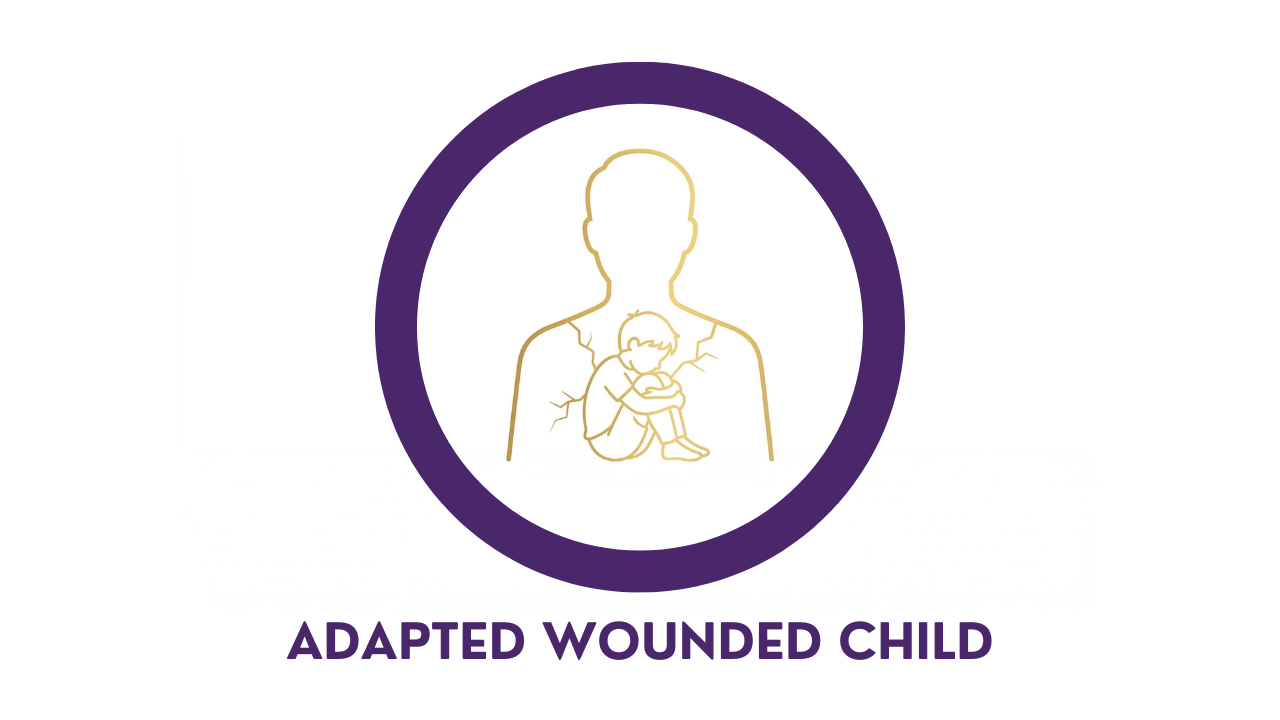
None of these are who you are. They’re who you became to keep your parents’ love and connection. And every time you self-sabotage, it’s the survival persona running the show — not you.
How the Worst Day Cycle™ Turns Shame Into Self-Sabotage
I developed a framework to show exactly how this works. I call it the Worst Day Cycle™, and it has four stages that loop endlessly until you interrupt them at the root.
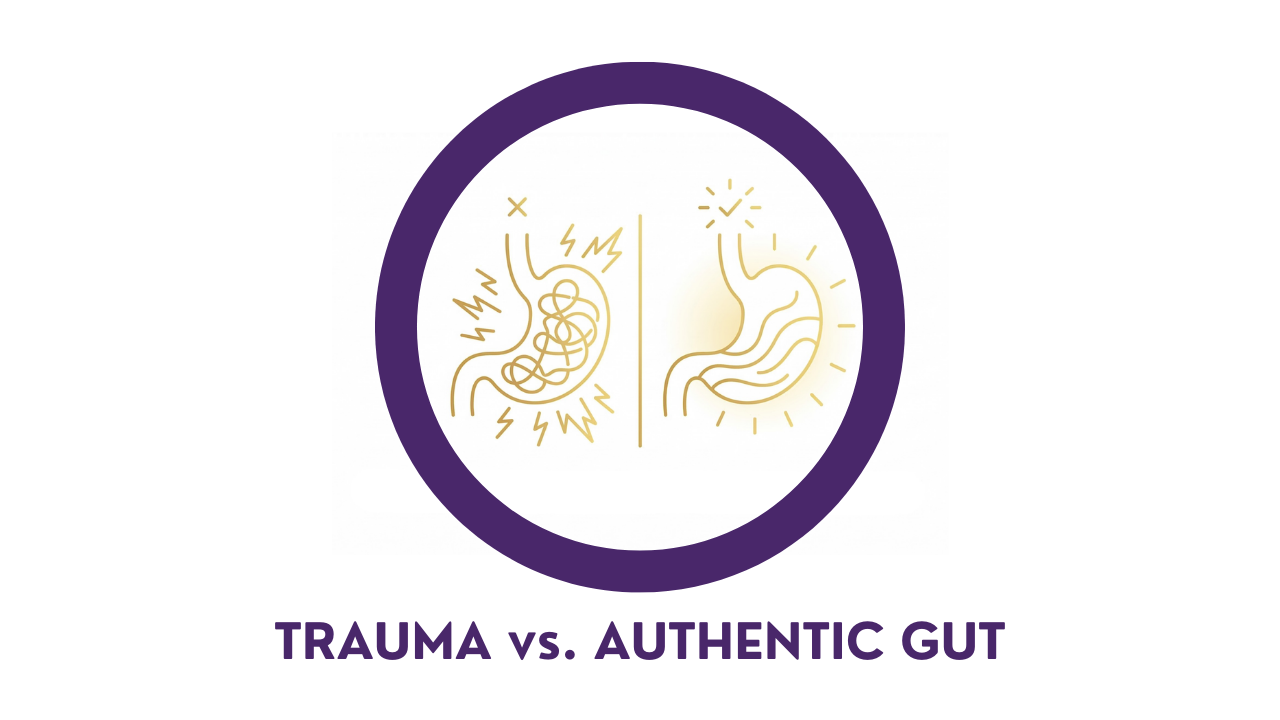
Stage 1 — Trauma: Most people think trauma is the big stuff — abuse, abandonment, catastrophe. It is. But trauma is also any experience you found emotionally overwhelming. Every time a parent shamed who you are instead of correcting what you did. Every dismissive look. Every “Why can’t you just…” Every moment your emotional reality was denied. That’s trauma. And remember — 70% of all childhood messaging is negative and shame-based.
Stage 2 — Fear: That trauma creates a massive chemical explosion in your brain and body. Cortisol, adrenaline, dopamine — they fire together and create an embodied experience. Your brain and body become addicted to that chemical cocktail. Not because it feels good, but because it’s known. Your brain is always trying to conserve energy by repeating what it’s already experienced. It does not care if the experience is destroying you.
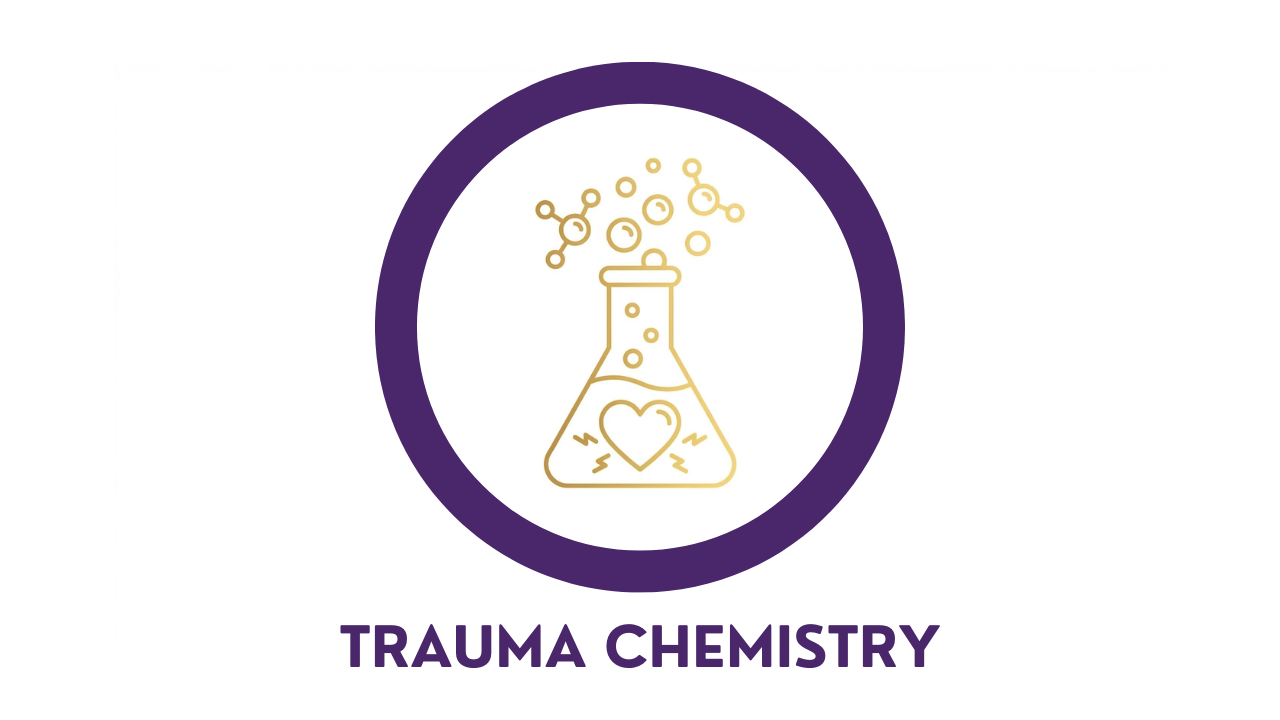
That’s you… feeling more alive in chaos than in calm, and wondering what’s wrong with you for it.
Stage 3 — Shame: The combination of trauma and fear strips your inherent power, value, and worth. You absorbed those shame-based messages and they became your identity: I’m defective. I’m too much. I’m not enough. This shame can look disempowering — dread, collapse, numbness — or it can look falsely empowering — arrogance, control, superiority. Many of the most “confident” people are hiding severe shame behind a wall of false empowerment.
Stage 4 — Denial: No one — child or adult — wants to feel any of that. So the survival persona kicks in. Denial is the mechanism that keeps the persona running: I can’t be me. Shut that down. Bring something else up. You deny the shame, deny the wound, deny the truth of what happened — and you call it “being strong” or “moving on” or “not dwelling on the past.”
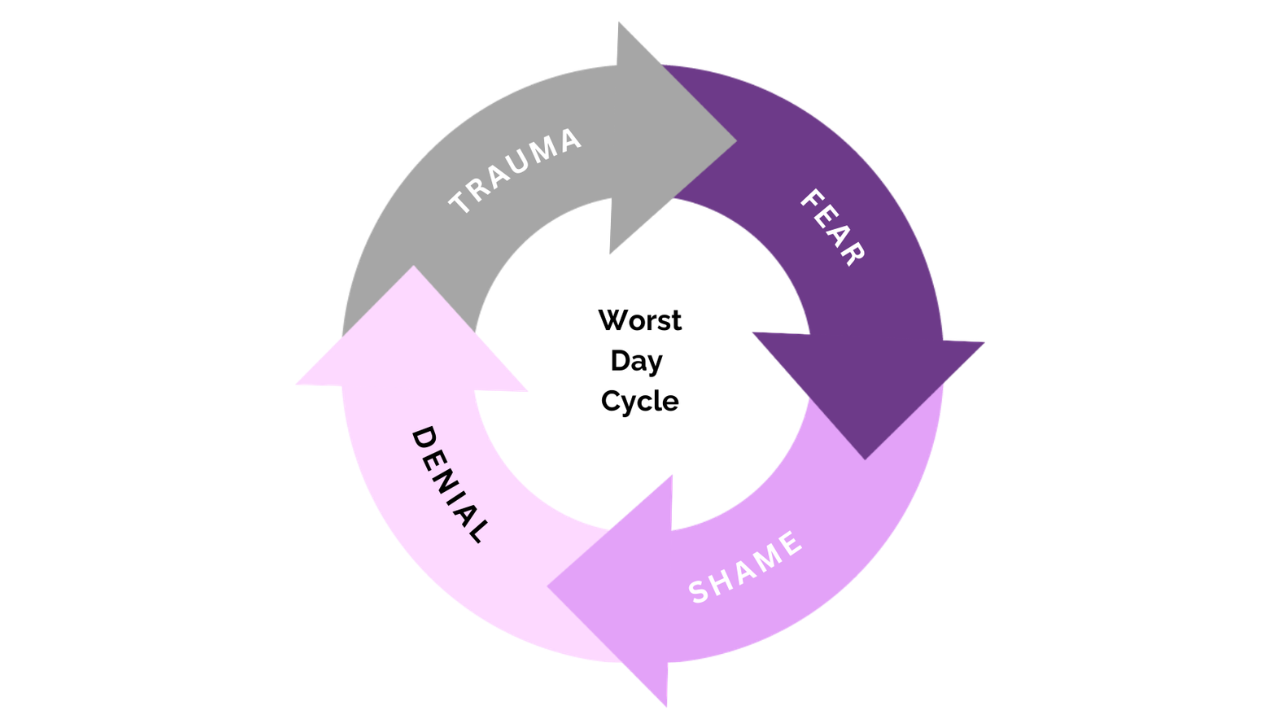
And then what happens? You self-sabotage — and the cycle starts right back at trauma. Listen to the words you say to yourself when you sabotage. I’m so stupid. I always do this. What’s wrong with me? Those are the exact same emotional blueprint words you heard as a child. The cycle is complete. The addiction is fed.
That’s you… hearing your childhood shame echo in every failure, and not realizing it’s a loop — not a life sentence.
Why Willpower, Therapy Scripts, and Mindset Hacks Don’t Touch Self-Sabotage
You’ve tried. You’ve read the books. You’ve done the affirmations. You’ve set the intentions, hired the coach, journaled the gratitude, and white-knuckled your way through another attempt at discipline. And still — you’re here. Still stuck. Still sabotaging.
That’s not because you failed. It’s because every tool they gave you was designed to manage symptoms, not heal the root. Willpower can’t override a nervous system addiction. Affirmations can’t rewire an emotional blueprint. Communication scripts can’t reach a wound that was pre-verbal.
That’s you… doing everything “right” and still feeling like something fundamental is broken underneath.
Traditional therapy often stays at the cognitive level — helping you understand what you’re doing without touching why your body keeps doing it. Mindset coaching tells you to “just think differently” — as if the emotional chemical addiction in your nervous system cares about your vision board. And self-help books give you tips for managing the same survival persona they never help you identify.
None of it works because none of it goes to the original wound. The self-sabotage isn’t the problem. The self-sabotage is the symptom of a shame-driven power cycle that was installed before you could speak. You can’t fix it by managing the symptom. You have to heal the emotional blueprint underneath — the one that decided, before you were five years old, that you don’t deserve to succeed.
You’re Not Afraid to Fail — You’re Terrified of Success
None of us are afraid to fail. What we’re all scared to death of is success. Because do you see what success would require? You’d have to let go of the shame-based survival persona that you built to fit into your emotional environment and get whatever connection and intimacy was possible as a child. That persona is your connection. It’s how you bonded. It’s how you survived.
To succeed — truly succeed — you’d have to stop the Worst Day Cycle™ and stop revictimizing yourself. You’d have to choose to break the false survival persona connection. You’d have to face the grief of admitting that the way you’ve been living isn’t who you actually are.
That’s you… turning down the promotion, ghosting the kind partner, skipping the workout — not because you’re lazy, but because success would mean becoming someone your family system never gave you permission to be.
And if you’re having a hard time accepting that, just think about the last time you procrastinated on something you knew would change your life. How many lies did you tell yourself?
“It’s not the right time.” “I’ll do it when I’m further along in my personal development.” “I’ll send the email tomorrow.” “Naps are for lazy people.”
Every single one of those small lies is the denial stage of the Worst Day Cycle™. The survival persona guarantees your failure and puts off success. That’s all you have to do to prove you’re not afraid of failure — look at your actions. You have countless situations every day where you know exactly what to do to succeed, and the shame and denial convince you not to do it.
That’s you… not afraid of the fall — terrified of the climb, because the view from the top means you’d have to see how far the wound goes.
The Emotional Authenticity Shift: How to Stop the Self-Sabotage Cycle
If you want to stop self-sabotaging, there’s only one path I’ve found: you have to go back and heal the emotional blueprint and the Worst Day Cycle™ that created it. I know because I had to do it myself.
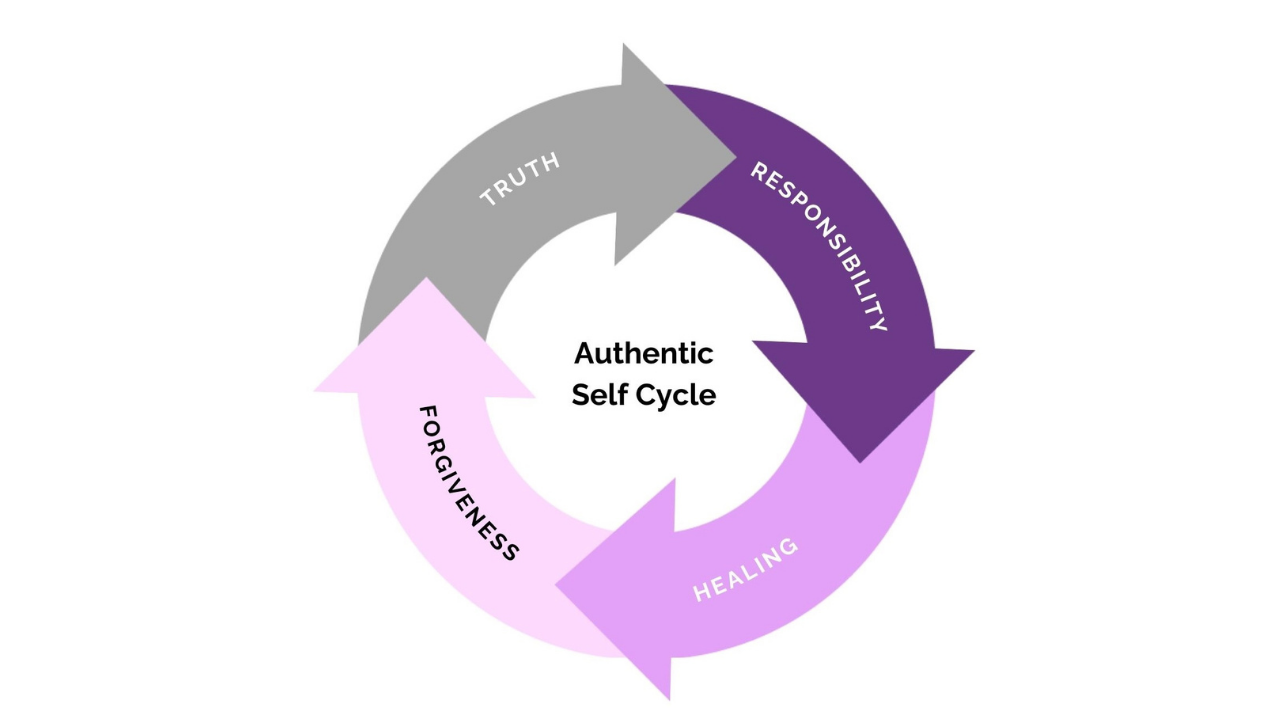
The Authentic Self Cycle™: Truth → Responsibility → Healing → Forgiveness
The way out of the Worst Day Cycle™ is the Authentic Self Cycle™. It has four stages:
Truth: You admit the truth — this is how the brain and body work. All emotions are created in childhood. All behavior is rooted in that original blueprint. You’re not broken; you’re reliving your childhood. Your views and behaviors are based on the trauma, fear, shame, and denial loop.
Responsibility: You’re not to blame. You didn’t choose this. And — you’re an adult now, and you are responsible for healing it. If you know what’s going on and choose not to address it, then you are choosing self-victimization and choosing to stay stuck in the Worst Day Cycle™.
Healing: You put a plan in place. You learn the skills and tools to heal the original shame and rewrite the emotional meanings from childhood that are sabotaging you.
Forgiveness: When you do those three steps, the natural outcome is forgiveness — for yourself and for your caregivers. They didn’t intend to do this. They were doing the best they could. All of us are perfectly imperfect. This isn’t about blame. It’s about getting into truth.
That’s you… realizing for the first time that the exit door has been there all along — you just couldn’t see it through the shame fog.
The Emotional Authenticity Method™: 5 Steps to Start Rewiring
The mechanism for healing is the Emotional Authenticity Method™. Here are the five steps:
Step 1 — Somatic Down-Regulation: Take 15 to 30 seconds and focus on what you can hear. That’s it. This puts you into metacognition, shuts down the overwhelming thoughts and feelings, and creates space where your authentic self lives — before the trauma. The more you do this, the better it works.
Step 2 — What Am I Feeling Right Now? Not “I feel bad.” Develop emotional granularity and specificity. Are you ashamed? Invisible? Powerless? Panicked? Grab a feelings wheel and learn to connect to the full range of what your body is holding.
Step 3 — Where in My Body Do I Feel It? All emotional trauma gets stored in the body. That chemical reaction from childhood — the cortisol, the adrenaline — it lives in a specific place. When you feel invisible, where does your body hold that? Your chest? Your throat? Your gut?
Step 4 — What Is My Earliest Memory of Having This Exact Feeling? Now you get into truth. Oh my god, it really is my childhood. It’s the first time your teacher, parent, sibling, or coach said or did the thing that made you feel this way. That’s the moment the blueprint was written.
Step 5 — Who Would I Be If I Never Had This Thought or Feeling Again? What would be left over? You’d feel lighter, freer, empowered, safe. You wouldn’t be worried about sending the email or taking the nap or letting someone get close. You’d just be fine. That’s your authentic self — the person who existed before the shame and pain was dumped into you.
Once you can feel that, sit in it. I call this feelization — creating a new emotional chemical experience in your brain and body to replace the old blueprint. Picture yourself responding to the situation from your authentic self. What would you say? What would you do? That’s the emotional blueprint remapping we need. And that’s how you stop self-sabotage.
That’s you… feeling, maybe for the first time, what it would be like to just be okay without having to earn it.
What Self-Sabotage Looks Like in Real Life
Family
You go home for the holidays and within twenty minutes you’re thirteen again — reactive, defensive, performing. You regress into the survival persona your family system built. You either take over and control everything (falsely empowered) or you go silent and invisible (disempowered). Either way, your authentic self never enters the building.
That’s you… driving home from Thanksgiving wondering why you said nothing — or said everything wrong.
Romantic Relationships
Healthy relationships feel boring. Unsafe partners feel magnetic. Your body craves the emotional blueprint chemistry of your childhood — the chaos, the push-pull, the cortisol spike of wondering if they’ll stay. When someone treats you well, your nervous system sounds the alarm: This isn’t familiar. Something’s wrong. So you detonate it. Or you pick someone who will detonate it for you.
That’s you… leaving the one who was kind and running to the one who makes you feel “alive” — because alive and anxious feel the same to your blueprint.
Friendships
You over-give until you’re resentful, or you keep everyone at arm’s length so no one can see the real you. You cancel plans when things are going well because connection triggers the blueprint’s warning: If they really knew you, they’d leave.
That’s you… being everyone’s rock and no one’s friend.
Work and Career
You procrastinate on the promotion. You avoid the hard conversation with your boss. You work yourself into exhaustion to prove your worth — or you quit just before you’d have to be visible. The survival persona either overperforms to get validation or underperforms to stay invisible. Both are self-sabotage. Both are the blueprint.
That’s you… staying up until midnight on a project nobody asked you to perfect, because “good enough” was never good enough in your house.
Body and Health
You eat to numb. You exercise to punish. You nap to escape. You push through exhaustion because rest feels like laziness — and laziness was the worst thing you could be in your family. Your body has been holding the emotional blueprint since childhood, and every self-sabotaging health behavior is the survival persona’s way of managing what it was never taught to feel.
That’s you… knowing the nap would help and calling yourself weak for wanting it.
Your Next Small Step
Right now — not tomorrow, not after you finish this article, not after you’ve done more “research” — pause. Take 15 seconds and focus on what you can hear. Just notice the sounds around you. That’s Step 1 of the Emotional Authenticity Method™. You just moved into metacognition and created a tiny gap between the survival persona and your authentic self.
Then ask yourself: What am I feeling right now? Not what you’re thinking. What you’re feeling. If this article stirred something in you — if something inside you is going, “That’s me” — then your authentic self is closer to the surface than you realize.
You don’t have to overhaul your life today. You just have to notice.
Frequently Asked Questions About Self-Sabotage
Why do I keep self-sabotaging even when I know better?
Knowing better doesn’t change the emotional blueprint running underneath your conscious awareness. Your brain is addicted to repeating its earliest emotional experiences — the shame, the powerlessness, the chaos. Self-sabotage isn’t a knowledge problem; it’s a nervous system problem. The Emotional Authenticity Method™ addresses it at that embodied level, not at the cognitive level where most tools stay.
Is self-sabotage caused by childhood trauma?
Yes. Self-sabotage is a shame-driven survival reflex that originates in childhood. When a child’s inherent value is shamed instead of their behavior being corrected, the brain builds a survival persona and an emotional blueprint designed to repeat that original wound. The Worst Day Cycle™ — Trauma, Fear, Shame, Denial — keeps that pattern running into adulthood. You’re not choosing to sabotage yourself; your childhood programming is.
What is the connection between shame and self-sabotage?
Shame is the engine of self-sabotage. When childhood shame strips your inherent power and worth, your brain builds a survival persona to cope. Self-sabotage is how that persona stays in control — by keeping you in familiar patterns of failure, chaos, and powerlessness. It’s a subconscious power play: by choosing failure, the wounded child reclaims the power that was stolen. You’re not lazy. You’re shame-trained.
How do I stop self-sabotaging my relationships?
You stop self-sabotaging relationships by healing the emotional blueprint that makes healthy love feel dangerous. Your nervous system is addicted to the trauma chemistry of your childhood — the chaos, the push-pull, the cortisol spike. Safe partners feel “boring” because they don’t trigger that familiar blueprint. The Emotional Authenticity Method™ helps you identify the original wound, feel what your authentic self actually wants, and build a new emotional experience to replace the old one. You can start by exploring the signs of relationship insecurity rooted in your blueprint.
Can therapy help with self-sabotage?
Therapy can help if it goes beyond cognitive understanding and into the embodied emotional blueprint. Many traditional approaches stay at the symptom level — teaching scripts, communication tools, or coping skills that never touch the root. If your therapy is helping you understand what you do but not why your body keeps doing it, you may need a deeper approach. The Authentic Self Cycle™ — Truth, Responsibility, Healing, Forgiveness — provides the pathway to address the shame and survival patterns underneath the sabotage.
Why does success feel scary when self-sabotage feels safe?
Success requires you to separate from the survival persona that kept you connected to your family system. That persona — whether falsely empowered, disempowered, or adapted wounded child — is how you bonded. Letting it go feels like losing your identity and your connection. Self-sabotage feels “safe” because failure is familiar. Your brain isn’t wired for happiness — it’s wired for repetition. The Worst Day Cycle™ keeps you locked in the loop until you consciously interrupt it with truth, responsibility, and healing.
The Bottom Line
If you’ve read this far, something in you recognized itself. And if your shame and denial tried to make you click away — tried to tell you “that’s not me” or “my childhood was fine” — but you stayed anyway? That matters. That takes courage.
Here’s what I need you to hear: you are not lazy. You are not broken. You are not undisciplined. You are trauma-trained. You were programmed by a childhood that didn’t give you the skills and tools to handle what was happening emotionally. And that programming has been running your life ever since — keeping you stuck in the Worst Day Cycle™, choosing failure because failure is familiar, and calling it a character flaw when it’s actually a survival reflex.
But programs can be rewritten.
The moment you see the Worst Day Cycle™ for what it is — the moment you step into the Authentic Self Cycle™ and begin using the Emotional Authenticity Method™ — you start to reconnect with the person you were before all that pain and shame was dumped into you. Your authentic self. The one who doesn’t need to earn the right to exist.
You were just programmed. But programs can be rewritten. And if something inside you right now is saying, “That’s me” — that’s not the survival persona talking. That’s your authentic self, recognizing the truth. And it’s closer to the surface than you think.
You and your parents and everyone around you did the best they could with the information they had at the time. Now that you know more, you can do more — because now you can equip yourself with the skills and tools you didn’t have.
That’s you… not at the end of something, but at the beginning.
Recommended Reading
If this article resonated with you, these books go deeper into the science and healing behind what we’ve discussed:
- Bessel van der Kolk — The Body Keeps the Score: The definitive work on how trauma lives in the body and why cognitive approaches alone can’t reach it.
- Gabor Maté — When the Body Says No: How repressed emotions and childhood programming show up as physical illness, self-sabotage, and chronic stress.
- Pete Walker — Complex PTSD: From Surviving to Thriving: A roadmap for understanding the survival responses — fight, flight, freeze, fawn — that drive self-sabotage in adults with childhood trauma.
- Pia Mellody — Facing Codependence: The clearest framework for understanding how childhood shame creates the patterns of codependence and self-abandonment that fuel self-sabotage.
Ready to Start Healing the Blueprint?
If you want to go deeper than this article — if you want a structured pathway to identify your emotional blueprint, interrupt the Worst Day Cycle™, and reconnect with your authentic self — explore these resources:
- Free Feelings Wheel — Start building emotional granularity today
- Emotional Blueprint Starter Course — Individual ($79) — Your individual starter roadmap for identifying your survival persona and emotional blueprint
- Relationship Starter Course — Couples ($79) — A couples framework for understanding how two blueprints collide
- Why We Can’t Stop Hurting Each Other ($479) — Deep dive into the relationship patterns created by the Worst Day Cycle™
- Why High Achievers Fail at Love ($479) — For the high-functioning, emotionally exhausted person who succeeds everywhere except intimacy
- The Shutdown Avoidant Partner ($479) — Understanding and healing the emotional blueprint behind avoidant attachment
- Tier 1: Mapping the Blueprint ($1,379) — The comprehensive program for rewiring your emotional blueprint from the root
You don’t have to keep getting in your own way. The survival persona kept you alive. Now it’s time to let your authentic self take over.
Related reading: The signs of enmeshment in your family | 7 signs of relationship insecurity | Signs of high self-esteem | 10 do’s and don’ts for a great relationship