Category: Self-Love

  • That Dark Truth About Empaths: What Nobody Tells You!

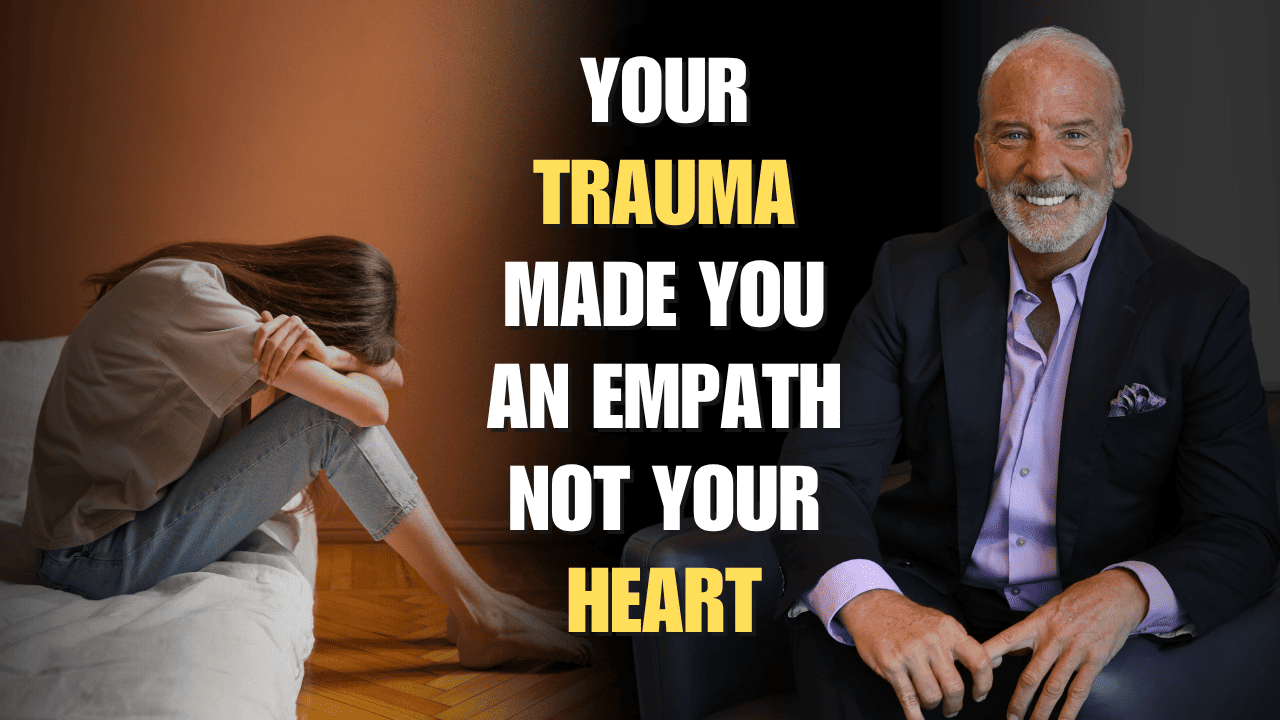
    That Dark Truth About Empaths: What Nobody Tells You!

    The Empath’s Hidden Burden: Unpacking Trauma, Shame, and the Illusion of Kindness

    If you often find yourself stressed, overwhelmed, or feeling like you’re carrying the weight of the world for others, it’s time to get real about something many kind, empathetic souls struggle with: the truth you might be unconsciously avoiding, and it is not your fault.

    Sadly, Dr. Elaine Aron, the creator of the term “empath,” misdiagnosed her own childhood trauma and created a false narrative that has left these poor souls fighting the wrong demon. Recent estimates show that 30% of the population now identifies as a Highly Sensitive Person or Empath. That is a whole swath of the population that has been misled and is suffering needlessly. I find that very sad.

    The Core of the Empathic Struggle

    You see, for those who identify as empaths, there are two colossal forces bubbling beneath the surface: horrific childhood trauma and debilitating shame. Understanding these isn’t about blaming; it’s about illuminating the path to genuine healing and emotional safety, and liberation.

    Trauma: The Childhood Foundation

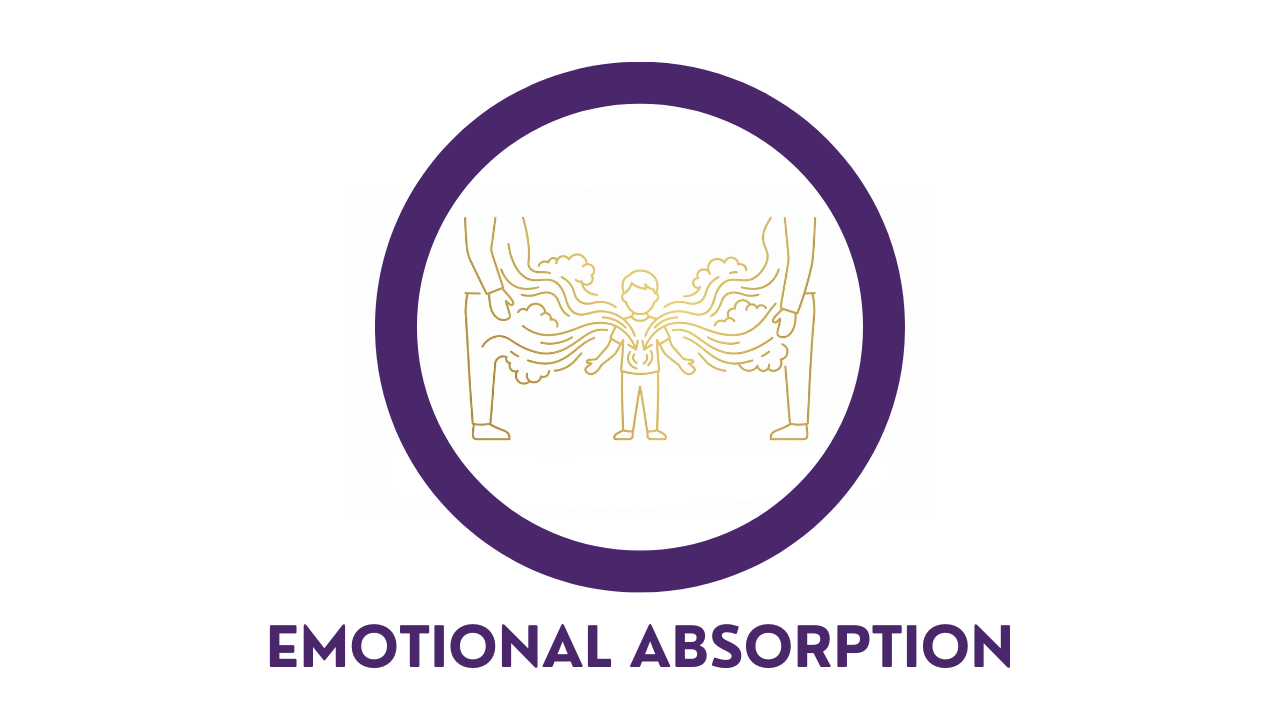
    Now, if you’re thinking, “Trauma? My childhood was great!” I hear you. But here’s the thing: you don’t become an empath by accident. A deeply sensitive person only develops this hyper-awareness in childhood because their environment demanded it. Think of a child’s emotional landscape as an open, unshielded canvas. Whatever emotions our parents felt — their anxieties, their unexpressed anger, their fears — we absorbed them. We became mirrors of their emotional state.

    To survive, we learned to be hyper-attuned. For me, with a mother battling alcoholism and a father consumed by rage, survival meant becoming a human lie-detector, constantly scanning for emotional shifts. This was a brilliant, life-saving skill in childhood. It protected me. But, like an old survival kit, it becomes a burden in adulthood. The very mechanism that saved us then can now keep us from truly living. It’s why so many empaths feel overwhelmed in crowds, struggle in relationships, and constantly feel drained — the trauma of childhood is boomeranging back, keeping them stuck.

    Shame: The Silent Driver Behind Inauthentic Kindness

    And then there’s the second piece: debilitating shame.

    Have you ever heard the phrase “kill someone with kindness”? That’s a perfect description for some empaths. Many wear their extreme kindness like a badge of honor, almost saying, “Oh, I’m just too kind, that’s why people hurt me.”

    But here’s a powerful truth from the world of human behavior: when we experience severe trauma and shame, we often develop what’s called a reaction formation. This is an unconscious defense mechanism where we repress a disturbing, painful feeling and express the exact opposite.

    So, when an empath is excessively kind, it’s often a defense against a buried impulse to be “cruel.” Not because their heart is inherently cruel, but because underneath that shame and trauma lies a deep reservoir of unexpressed hurt, anger, and sadness. As children, they couldn’t stand up for themselves; expressing that raw emotion would have been “bad” or unsafe, reinforcing their shame.

    The “Thinly Sadistic” Nature of Avoidance

    Imagine all that unprocessed anger and pain building up. If an empath were to truly express that deep-seated rage, it would trigger that original shame and wounding they’ve spent a lifetime avoiding. So, what do they do? They double down on kindness. It becomes a rigid, almost inappropriate trait. This extreme kindness acts as a shield, ensuring they never have to feel that inner “cruelty” — that deep, raw anger — and therefore, never have to face the underlying shame.

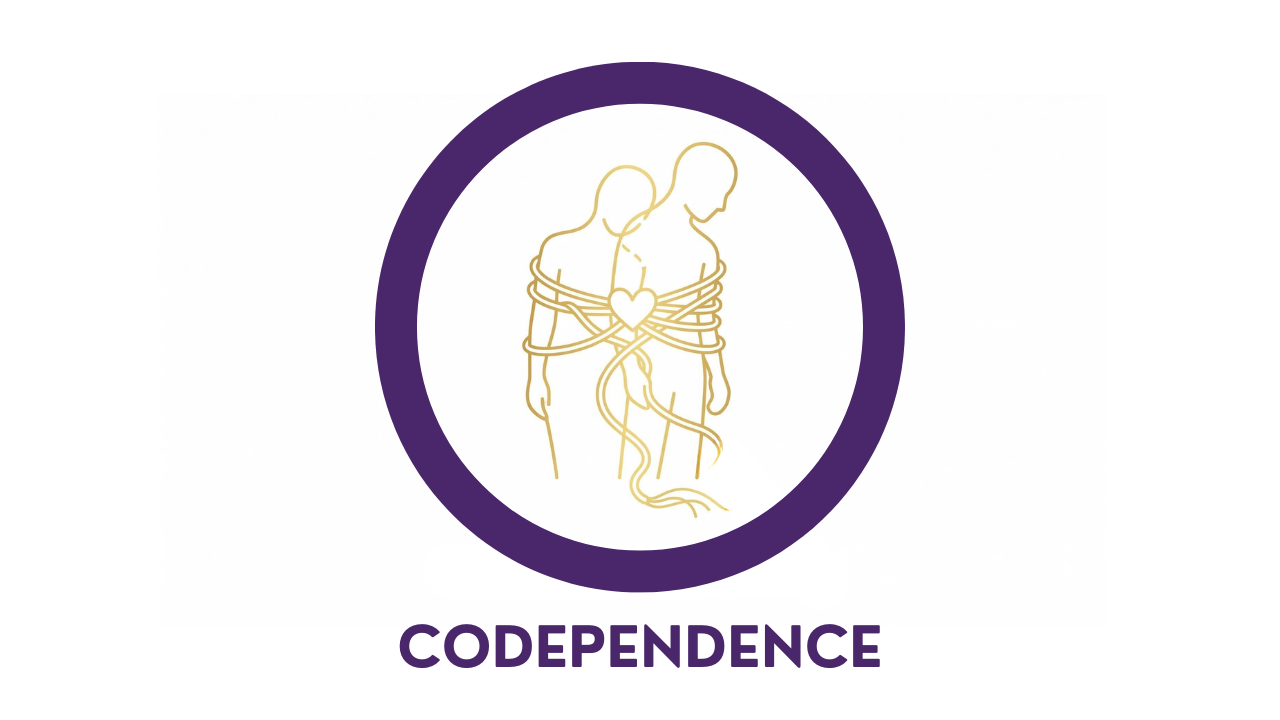
    This is why many empaths find themselves repeatedly in relationships with narcissists. This “kindness” isn’t a freely given, authentic gift. It’s often coercive, manipulative, and yes, thinly sadistic (a term coined by John Bradshaw). Think about it: how truly authentic or loving is it to be “nice” to someone who doesn’t deserve it, or to give of yourself until you’re depleted, all while secretly resenting it? This isn’t a genuine connection; it’s a dynamic born from unaddressed trauma and shame.

    Finding Your Authentic Power

    This relentless kindness, in its most extreme form, is an empath’s way of hiding their own “darkness” — the very hurt and anger that, if faced, could lead to their greatest liberation. It’s time to recognize that true healing begins not by perpetuating the cycle with forced kindness but by acknowledging the full spectrum of emotions within and learning to be authentically imperfect. This is the first step on your journey to Emotional Authenticity.If this resonates with you and you’re curious about taking those next steps to heal childhood wounds and overcome shame, my book, Your Journey to Success, could be a helpful guide.

    To watch the video and learn more click here:

  • How To Forgive Yourself

    How To Forgive Yourself

    Are you sick and tired of now knowing how to forgive yourself? I truly believe that nobody deserves to live with that sort of pain, so I will share two different ways to help heal your heart and soul by releasing the guilt and shame you feel.

    We’re all perfectly imperfect, and learning how to embrace this, along with the tips I’m going to give you in today’s Best Day Blog article, will help you start the journey of forgiveness to have a happier life!

    How to start forgiving

    Firstly, I recommend thinking of your favorite animal! What animal do you love – a cat, a dog, a rabbit, a horse? I love Labrador puppies – to me, they are soft, cuddly, and filled with unbridled joy! Picture taking the animal of your choice as a youngster, chaining it up, and leaving it outside. Never touching it or petting it, or providing that baby animal any food, water, love, or sense of care. If you did this to this sweet, innocent animal and mistreated it day after day, what do you think would happen to it? What do you think it would do?

    It would attack you because it has no sense of being cared for, nurtured, and treated with respect. This analogy is very much what you are doing by not forgiving yourself. You’re chaining yourself up and starving yourself of the love, attention, and care you deserve. Your lack of forgiveness is like mini attacks on your soul.

    Forgiveness tip #1 Touch

    For the puppy and you to recover from this mistreatment, you need touch and kind words. If you have been starving yourself of love, affection, and kindness because you can’t forgive yourself for your perfect imperfection, then hug yourself. Depending on how severe your lack of love has been, this may be difficult for you. If you’re not ready to give this to yourself, try getting a massage to introduce this sensation of touch or ask someone close to you to provide you with a hug. If even this is too much, start by simply placing one hand on top of the other in a loving manner and then recognize that the way you’ve been talking to yourself is starving you and leaving you neglected.

    A pervasive example of how you might be chaining yourself up is to blame yourself for how you allowed yourself to get into and stay in a toxic relationship. During the relationship, maybe you experienced physical – neglect or abuse? Now that that relationship is over, you might struggle to forgive yourself for not leaving or ignoring your initial gut feeling? If that sounds like you, guess what? You’re now abusing yourself – you’ve taken on the role of the abuser. When we can’t forgive ourselves, we have chosen to be our abusers.

    So make a new choice now and start the journey to forgiveness. Treat yourself as you would your favorite animal who had been starved of loving care.

    Forgiveness tip #2 Don’t play God!

    Whether you are spiritually minded, this next tip still holds. By not forgiving yourself, you are placing yourself above God. One of the most fundamental underpinnings for many religions is that we are always forgiven no matter what we have done. So, to believe that what we did is unforgivable implies that we know better than God! If the thought of placing yourself in a God-like position goes against your values, this truthful perspective should snap you right into the ability to forgive yourself.

    It’s essential to recognize that there is nothing you did to deserve being chained up and treated as a neglected animal. So today is the day to set yourself free and remove the chain. Give yourself kind love, words, and touch, and nurture yourself. Let the tears stream as you set yourself free and recognize that you are worthy of love, care, and acceptance from everyone and everything.

    Click here to learn 3 simple ways to love yourself!

    Additional solutions:

    4- My Private Coaching

    To learn more, watch the video here:

    [embedyt] https://www.youtube.com/watch?v=E2qMyHsITrc[/embedyt]

  • How To Silence Your Inner Critic

    How To Silence Your Inner Critic

    it is human to make mistakes. But for many of us, we get caught belittling and demeaning ourselves internally for these perfect imperfections. Yet, being able to admit and accept them is part of the healing journey. So, in today’s Best Day Blog article, I will help you move from emotional misery to Emotional Authenticity.

    To achieve this we will look back on how you categorized your memories with messages that you were somehow bad, broken, or not good enough. We will use the ‘3 R’s’ and the ‘3 C’s’ to help help you see them for what they really were – perfectly imperfect moments in your life.

    The 3 R’s

    They are: remove, remedy, and recognize.

    Remove the mantras.

    When we have an inner critic, we have specific mantras that we say to ourselves repeatedly – things like ‘What were you thinking?’ ‘Why did I do that?’ These are self-shaming and victimizing mantras and phrases that we belittle ourselves with. These are things that we have learned from our parents – more so, they are usually things that your parents have said to you when growing up – ‘You’re smarter than that!’, ‘Don’t be stupid!’. Perhaps you’ve not been aware of these at all before, so if you have become entirely detached from this, then I recommend, for the next week, every time you make a mistake, pay attention to what you say to yourself and write down the phrase or mantra that runs through your mind. There will be around 3-5 that they use all the time for most. These mantras have become what they believe is their truth about themselves and how they are.

    Remedy the problem.

    Once you’ve made your list of mantras, it’s time to give them back – to give the pain back – to your parents. Not because you want them to feel pain, but because it was never yours to carry. Spend some time thinking about which mantras you have created from an inner knowing. For example, I always knew my father would not be able to have an open and frank discussion with me, so, if I was upset, my mantra became ‘What’s the point?’

    So when I find myself thinking, ‘what’s the point?’ I give the pain back by saying something like, ‘I love you, Dad. I know you were doing the best you could, but this is your pain, and I will not carry it for you anymore. I’m sad you were never taught or allowed to heal your pain, but this is not my responsibility. It is yours, so I give it back to you.’

    Recognize yourself.

    Now that you’ve cleared away the emotional misery from the past, it’s time to replace it and bring in our authentic selves. The way we do this is by recognizing ourselves. I suggest creating gratitude and accomplishment lists. Express gratitude for everything great in your life AND everything about who you are. If you feel like there isn’t anything you like about yourself, here is a tip, even the act of undertaking this work, is commendable! Be grateful that you’re trying and add this to your list.

    If you feel there is nothing to be grateful for, particularly about yourself, take a moment to pause. This is not true. That is a mantra you are using that needs to be given back. First, recognize this fact and give it back to whoever gave it to you. Then, ask, ‘If I was never to think or feel this mantra again, what would I recognize and be grateful for?’. Try listing 3 of these each day.

    The 3 C’s

    They are: confirm your with, connect with your abilities and clarity.

    Confirm your worth.

    When we get shamed, we get sent a message that we do not have worth and that our needs and wants don’t matter. Make a list of your needs and wants, and think about the times you asked for your needs and wants but were rebuffed. Then, put a plan in place to give yourself these things and confirm your worth to yourself – whatever makes you feel worthy, do it.

    Connect with your abilities.

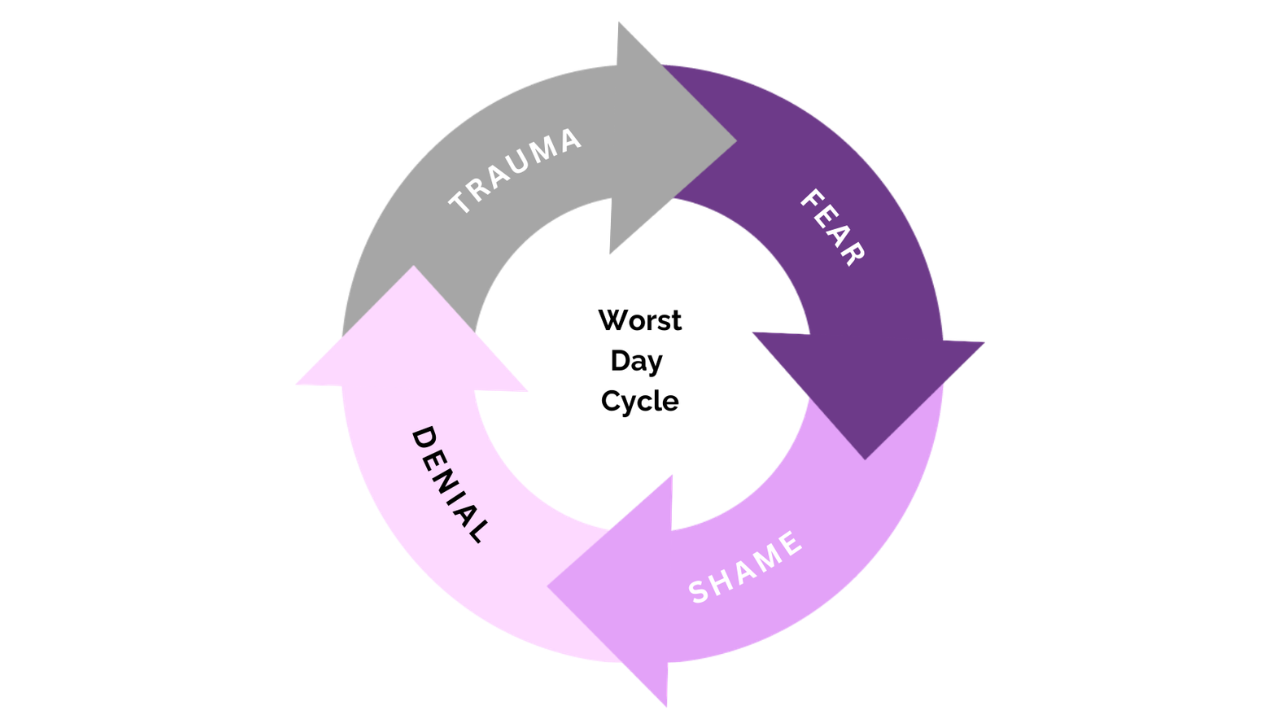
    When a child is shamed or belittled, as well as suppressing their needs and wants, they also learn that it’s not ok to pursue their abilities – this is part of The Worst Day Cycle which causes us to suppress who we are to survive. Think back – can you remember when your parents shouted at you when you wanted their attention? Do you see you attempted to express your needs and wants? The yelling made it clear, that your needs and wants are a problem for them. As such, you start to learn not to ask for your needs and wants, which leads to an inability to connect with your abilities.

    So, now you have your gratitude and accomplishments written down and understand your needs and wants, you can start to put a plan in place to reconnect with yourself and your abilities. Pick one small thing you can do each day to reconnect with yourself, and you will start to understand your needs and wants more and more. This is all about taking small steps to begin re-loving yourself.

    Clarity.

    Learn about The Worst Day Cycle – I write about it in my book ‘Your Journey to Success’ because we have to know what causes the inner critic, where it came from, why we have it and how to stop it and turn it around. This book will provide clarity on The Worst Day Cycle, and the only way to gain clarity is to gain knowledge! If you’re not sure about the book just yet, I have many videos on my YouTube channel that will help you understand more. In addition, my 5-part series, called ‘Reclaim Your Authentic Self by Becoming Trauma-Informed,’ will take you through aspects of The Worst Day Cycle and clarify the who, what, why, when, and how of the inner critic.

    Ultimately, letting go of our inner critic is all about converting the emotional misery of the past into Emotional Authenticity in the present. When we put a plan in place and become experts, we regain ourselves and our lives. If you are struggling to accomplish this and want to learn the entire process of Emotional Authenticity, this will show you how. The Complete Emotional Authenticity Method

    Additional solutions:

    1- My book, Your Journey To Success

    2- My Youtube Channel

    3- My Blog

    4- My Complete Emotional Authenticity Method

    5- My Perfectly Imperfect Private Group

    6- My Private Coaching

    Watch the Inner Critic video here:

    [embedyt] https://www.youtube.com/watch?v=o9Oigg5OSj8[/embedyt]

  • How To Heal From a Narcissistic Parent

    How To Heal From a Narcissistic Parent

    The experience of being raised by a narcissistic parent is just devastating and the consequences and effects last a lifetime. It is devastating to be left with feelings of emptiness – or filled with confusion and sadness, or the sense that we’re unlovable by those who are supposed to be our greatest protectors.

    This article will offer suggestions that will help you heal from this dynamic and provide you with some tips to get started on the recovery process.

    1. Educate yourself (what you’re doing right now)

    You’re already making a great start. Educating yourself is important and here’s why: studies show that the biggest boost of self-esteem we get comes from learning.

    The core wound for those raised by a narcissistic parent is low self-worth and low self-esteem. Our identity and worth come from our parents and if they’re incapable of giving that — of creating that healthy attachment and bonding that every human being needs — it leaves us with a gaping, empty hole we then have to fix. Learning is a great way to start filling that hole.

    Whenever we learn something new, there’s this massive chemical reaction inside of us — we love ourselves more for learning well. Therefore, make learning a priority. Learn about the negatives like how bad narcissistic parents are, but also learn about the positives like recovery and the journey into yourself. Don’t stop there, learn about new hobbies like ballroom dancing or painting or any other hobby; the point is to learn. Make sure you also take advantage of my free downloads here: http://kennyweiss.net/resources/

    2. Seek trauma recovery

    We can’t get out of this on our own. In life, if we want to achieve anything, we have to take classes with a teacher to guide us.  We need someone who has the skills and tools that our parents never had to guide us along that journey. Find somebody and make that investment in yourself.

    Sadly, many people will define that as a cost and have many reasons or excuses to avoid this step, but what they’re avoiding is their worth and their recovery. They’re avoiding the ability to love themselves and the ability to love their own children or spouse or anyone else. Unless we pursue trauma recovery, we are severely limiting our life capabilities. I personally don’t see any o us as a “post.” I believe we are all worth the investment.

    3. Do grief work

    There are five stages of grief, right? Shock/denial, anger, bargaining, sadness/depression, and acceptance. Most people live their life in the first three stages. They don’t let in the weight of what they have experienced. That then expresses itself in anger, which manifests in poor relationships, being shut down, addictions, and similar things. Then with bargaining, they look for any excuse or reason not to do the work because they’re trying to avoid step number four, the sadness. Society tends to manipulate people into a false sense of nirvana when there’s really a lot more pain and dysfunction than we ever talk about or deal with. This is how we minimize the effect of what we experienced in childhood.

    This is why grief work is so important — it recognizes in all of us the part of ourselves we’ve neglected, our pain. Our denial of that pain is robbing all of us of true health. Instead, society keeps projecting the need for perfection when what we need to be dealing with is our imperfection. The day we learn how to heal our pain and imperfections is the day we start achieving acceptance and freedom.

    4. Stop the self-abuse

    Because of developmental trauma, we are all stuck in a cycle where we project perfection and hide imperfection. We need to rip off the band-aid and confront the denial of these imperfections. We do this by becoming an expert in our imperfections. When we can accept the deepest, darkest, most broken pieces of ourselves how could we not love ourselves? Do you see that when we can accept the most horrible thing that we never want anyone to know, it is proof of our self-love because we no longer care if others know? You can read more about this concept in my book, Your Journey to Success.

    5. You need to reparent yourself

    A narcissistic parent is immature; they never matured out of the narcissistic stage we all go through in early childhood development. So we need to learn how to parent ourselves. How do we do that? We need an expert. That’s part of why we have to hire somebody to help us with the trauma recovery. They also need to teach us what developmental deficiencies are. We need to use experts to help us become aware of them and essentially need to find a surrogate parent. That can be done through the use of support groups, coaches, counselors, and therapists. They become the trusted advisor we never had until we can become it for ourselves.

    So if you have been raised by a narcissistic parent, it’s incumbent on you now that you’re the adult to go heal yourself. I offer plenty of free content for those looking to heal on my free online magazine site, www.thegreatnessuniversity.com. It’s perfect for those who are in the discovery phase of the process and are ready to take action. There is plenty of content on self-love, codependence recovery, narcissism recovery, and more with options to watch videos, read, or a combination of the two. There are also a ton of free exercises to download.

    If you feel you are ready for the full process I would suggest looking for a trusted expert in the field to guide you along the journey of recovery. If you would like to learn more about all the different ways I help people which include online masterclasses, private groups, and private sessions, you may email me directly at kw@kennyweiss.net.

    Are you looking for more solutions? Pick the one that suits your needs best!

    1- My Book, Your Journey To Success
    2- My Complete Emotional Authenticity Method
    3- My Perfectly Imperfect Private Group
    4- My Private Coaching

    Learn more here:

  • How To Raise Your Self-Esteem

    How To Raise Your Self-Esteem

    There’s an old story of how Albert Einstein was teaching a class. He wrote 10 simple math problems down on the board and asked the class for feedback. One was wrong out of the 10 problems; 9 x 10 = 91. When he asked for feedback, everyone in the class laughed at him and completely denigrated him. So even though Einstein is one of the greatest mathematical minds to have ever lived, he got a problem incorrect. Why? Because he was human, and he wanted to prove an even more profound point. We all tend to focus on our 1 mistake and not our 9 accomplishments.

    In this article, I will discuss why we all focus on somebody’s imperfection, the 10% of them, and not the perfection, which is the more significant part. I will also provide you with some tips on transforming your self-esteem instantly.

    Why do we focus on the negatives?

    As we struggle with our self-esteem, pointing out someone else’s imperfection is our way, conscious or not, of bringing them down to our level. Why should they feel good about themselves when I feel so terrible? It’s the crabs in a barrel mentality: when you put a bunch of crabs in a barrel, as soon as one starts to climb out, the others pull it back down. As a society, we really struggle to accept another person’s success, especially if it’s directly in our sight. You can see examples of this time and again in popular culture. The up-and-coming artist is beloved and celebrated on their journey to the top, but once they’re there, people begin trying to tear them down, whether that’s based on their talent, appearance, or any number of qualities that may or may not be there.

    We do these things because we notice we’re not doing what they’re doing. We’re not taking the same risks, we’re not putting ourselves out there, and we don’t want to admit that it’s our failing. So it starts to become about how the other person doesn’t deserve their level of success because these small mistakes likely only make up 10% of the overall picture where the rest is ignored. So it is really just us covering up our low self-esteem. All of those judgments and things we see in them are things we see in ourselves, but we’re not quite ready to face them and what it means.

    Think about the last time you struggled with somebody’s success. Notice how your talk of them mirrors your internal dialogue towards yourself — it’s identical, isn’t it? Think of the politicians you hate, or whichever side of the current societal dynamics you’re on, and how you denigrate the other side. Then think about when you’re imperfect in your own life and how your description of them is identical to your description of yourself. You belittle yourself or talk to yourself the exact same way for whatever mistake you made. So that’s why when people start to succeed, we focus on the 10% and not the 90%.

    Tips to change your perception

    1. The 90/10 rule.

    Instead of spending 90% of your time pointing out your imperfections, spend 90% of your time focusing on your perfections and all the ways you succeed. To help you achieve this, start writing down three things that you accomplished at the end of the day. Simple things like “I drank a glass of water” can be a victory because how many of us don’t stay hydrated? The positive things we do should be treated as a victory. Very few times do we fail in life. So when you hear that negative voice condemning you, pause, shift, and do something positive like listing 9 things you did incredibly to cancel out that 1 mistake you made.

    2. Get an accountability partner.

    It could be a stranger living halfway across the world or someone you know personally, but you need to find someone to help hold you accountable (and you can help keep them accountable too). The goal is that whenever you have a negative thought about yourself and catch yourself in the act, you’re going to tell your accountability partner. You’ll then follow up with those counter-thoughts – the 9 positive thoughts you have about yourself. And they’ll do the same for themselves. Together, you’ll teach yourselves how to start seeing the reality of who you are – the 90% is that reality. The 10% is just that human part of us prone to making mistakes. All humans do.

    3. Find a way to reward yourself.

    Set a target for yourself that is attainable. It could be a weekly check-in or multiple times per week if needed. Reward yourself for staying accountable and tracking those negative thoughts along with recognizing the positive things about yourself. Your reward could be whatever will benefit you most – it could be going out to a restaurant you love, going for a hike somewhere you really enjoy, taking a new class, whatever. As long as it makes you feel good and helps to reinforce the behavior, you’re developing in recognizing the positive things about you – that 90% — then it will work for you.

    If you’re competitive in nature, you and your accountability partner can turn it into a sort of game or competition to see who can recognize the most positivity throughout the week. Maybe whoever wins then has to buy the other dinner. Find what will work for you and what will keep you on the hook to help you build your self-esteem.

    Remember that we all make mistakes. That’s how humans are. We’re all perfectly imperfect. However, making a mistake does not make us less deserving of success and self-esteem. If you complete these three exercises, you’ll be able to flip the dynamic you’re currently working in where only 10% of your mindset about yourself is positive. You’ll notice a huge difference when that number changes to 90%. That’s how you raise your self-esteem instantly.

    Are you looking for more solutions? Pick the one that suits your needs best!

    1- My Book, Your Journey To Success
    2- My Complete Emotional Authenticity Method
    3- My Perfectly Imperfect Private Group
    4- My Private Coaching

    Learn more here:

    [embedyt] https://www.youtube.com/watch?v=hQdxRKKE8fE[/embedyt]

  • Manipulative Relationship Tactics Not To Fall For

    Manipulative Relationship Tactics Not To Fall For

    Do you ever feel like your partner is manipulating you? In today’s article, I will be sharing five different manipulative tactics people use in relationships. With this new understanding, you can protect yourself from manipulators.

    1- They take advantage of your fairness

    A perfect example of this is in a divorce where a couple tries to split things 50/50. When one side starts bringing up something that you ‘owe’ them because of X, Y, or Z, the person trying to be fair gets taken advantage of. They use that sense of fairness against you. Then, of course, they deny doing any such thing.

    2- They deny and project

    This looks like them explaining away their lies and deception as necessary. They will downplay what they said and say it’s “no big deal.” They might even flat out deny that what they’re doing or what they did is wrong. In the end, you start to question what actually happened – everything is now on you.

    3- They will try to separate you from your family

    This can happen in many ways. It can be overt, like saying, “I don’t like your family, and we’re not spending time over there.” Or they might try to convince you that your family is wrong for you. So you end up being placed in a position where you have to choose between a relationship with this person or seeing your family. If it’s not overt suggestions, it will be hints and dismissive messages.

    4- They remove your skepticism

    When you feel like you can’t ask them a question or bring up a topic you’re struggling with within the relationship, and you’re met with anger or derision, they remove your ability to be openly skeptical. You feel attacked for even considering needing or wanting something from them. It could be as simple as enjoying a hug or spending more time with them. And you feel this sense of impending trouble if you try. As a result, you have to walk on eggshells and can’t express yourself.

    5- They play nice

    They end up doing a lot for you regardless of whether or not they want to. They eventually start throwing back in your face everything they do for you and try to use that as leverage for you to do things for them. “I did X for you. Why can’t you do Y for me?” They keep score which is very codependent, manipulative, and the antithesis of unconditional love.

    What is the solution?

    At the heart of all this, there’s an attraction to this manipulative person. The parent who used conditional love creates the attraction as an adult. The direct or indirect messages were that we have to fit into this box, and we are no longer a part of the family if we don’t. That original abandonment is why we fall for the manipulations as an adult.

    Being manipulated in a relationship is hurtful and confusing. However, on the positive side, it only requires gaining some new skills and tools to end the pain.

    Are you looking for more solutions? Pick the one that suits your needs best!

    1- My Book, Your Journey To Success
    2- My Complete Emotional Authenticity Method
    3- My Perfectly Imperfect Private Group
    4- My Private Coaching

    Learn more here:

  • Self-Love – How To Be Confident

    Self-Love – How To Be Confident

    Self-love and confidence are essential things. However, the information in this article is a little different from what you usually get when it comes to developing self-love and how to be confident.

    Of course, the usual advice still applies: how you hold yourself – your posture and eye contact – influences how people perceive you; if you’re always looking at the ground, you’re not quite telling the world that you love yourself or have much confidence. Similarly, visualizing and feeling your success and thinking positively are good qualities to help you gain confidence. Do your affirmations, be grateful, and be aware of limiting yourself through words and taking action. These are all excellent and legitimate things to do to help you gain confidence and improve your self-love. But there’s more to be done.

    Self-love requires two things:

    1. Self-esteem: self-esteem is the belief that no matter what – whether you have a promising career, whether you have money, whether you have a trophy spouse, great kids, or some other trappings of success – you instinctively and inherently have worth. Just the fact that you are born makes you worthy. You don’t have to be or do or accomplish anything for this to be true.
    2. Confidence: confidence entails belief in yourself that you can achieve the things you want in the aspects of life we can control. We recognize when we put our mind to it, and as long as we stick to it, we know that we’ll get it.

    When you put self-esteem and confidence together, you get self-love. So to love ourselves, we need to have both.

    What stops people from achieving self-love?

    With incredibly low self-esteem comes massive denial. We don’t want to admit that we feel bad about ourselves, that we can’t see our inherent worth, that we don’t really believe in ourselves, that we lack the confidence to achieve what we want. So we mask it all with drugs or pills or careers – all these different things that help us present an image of ourselves. It’s a band-aid to hide the absence of our self-esteem.

    What’s at heart here? What’s the real problem? Where did we learn that we had no inherent worth? It’s not an innate characteristic of the human species. We learn to have low self-esteem and low worth in our childhood.

    A lot of people think this is blaming parents, but it’s not. It’s an explanation. We are perfectly imperfect. Even if we went to school all day, every day, to learn how to be a parent, we would still make mistakes because we are human, and it’s an overwhelming job. Think about it. Someone has to work, take care of kids, manage themselves, manage their marriage or partnership, manage technology, manage how other people drive and think, navigate politics and emotions. There’s just so much going on in life. How could parents not make mistakes?

    Our low self-esteem is derived from these mistakes. And although we don’t want to admit it to ourselves, that’s what’s killing everybody – denial. We don’t want to accept that we have low self-esteem from less than perfect childhood experiences and how we are in denial of that truth. Most people want to skip healing this aspect in their self-discovery journey, that our parents weren’t perfect. But, unfortunately, if we look at behavioral science, we’re shown that we become our childhood time and again. So things that aren’t working in our adult life were learned in childhood. The inability to address our childhood pain stops us from achieving self-love.

    How can we be genuinely confident?

    We have to become an expert in confronting our denial and what encompasses our denial. It’s those perfect imperfections that we don’t want anyone to know about – our scars and scabs. Things like laying on the couch and drinking too much wine, taking sleeping pills, having affairs, stealing money hide these imperfections that we don’t want to admit to ourselves and definitely don’t want to admit to someone else. But by becoming aware of these perfect imperfections, we can learn to love, forgive, and share ourselves with others, which translates to self-esteem.

    You as a human being have inherent worth and gaining true self-confidence isn’t the visualization and positive thinking – that’s just window dressing. What is really important is the willingness to accept your imperfections as the best part of you. In your imperfections lies greatness.

    In childhood, we’re taught to get rid of or hide these imperfections and shame ourselves because of them. It becomes a piece of yourself that you were told is unworthy and cutting it off or getting rid of it becomes an addiction. But the solution is the opposite. Those bad feelings need to be instead reintegrated and accepted into who you are. They lack love. Love from you.

    Now, as an adult, you can’t get this feeling from your parents; it’s all about you. This is our reclamation project and process. In essence, you have to become your own parent to take care of yourself and heal the pain placed into you in childhood that you’ve been trying to ignore and abandon. We have to fight through the feelings of shame that we’re taught to feel.

    Confidence isn’t about acting confident, either. Putting on a show that says you’re confident while knowing full well that you lack in this area will help no one, especially yourself. Self-confidence is saying, “Hey, look at my scabs! Aren’t they beautiful?” If you can do that, you’re providing the hurt and shamed pieces of yourself the love it never received from your parents. You love your imperfections as much as your perfections.

    To become genuinely self-confident, you need to become an expert in two things. First, how to heal the pain caused by the past that creates low self-esteem and expertise in how you hide from yourself and don’t show yourself the truth, by confronting these things we don’t want to face – the pain and the truth – will provide us with a light that can guide us towards a place of confidence. Still, we need to be willing to take that first step. Regardless of how many messages we get about being tough to succeed in life, it’s actually the opposite; we need to be willing to be vulnerable. Honest. Authentic. Once you can see all of yourself with honesty and authenticity, that inherent worth starts to shine through and make itself known.

    Can you see it now? Can you see how affirmations and gratitude are helpful, but they will never quite get you to that point? There’s only one way to get there: you have to love all of you, including the most broken and perfectly imperfect aspects of you.

    How to start the journey towards loving yourself

    To get you started on this journey, you can find several helpful videos and articles from my website, www.thegreatnessuniversity.com. Why not start with How To Love Yourself-Three Steps to Love and Accept Yourself?

    My book, Your Journey to Success, will show you how to overcome the denial around your childhood pain. So many people aren’t even aware of their trauma and are in intense denial about their childhood. The healing process needs to begin with identifying, admitting, and facing the trauma in your early life.

    In the free content section of The Greatness University, you can also download 10 Steps To Heal Emotional Pain to start healing your underlying trauma.

    No matter what you do, remember that it will take time to go through the deep. The intricate process of gaining true self-esteem, self-love, and confidence. It can feel scary and challenging, but once we become an expert in our denial, it’s easier than we think.

    Enjoy The Journey!

    To learn more, watch the video here:

  • It’s Time To Love and Accept Your Perfect Imperfections

    It’s Time To Love and Accept Your Perfect Imperfections

    Do you feel like no one will ever love or accept you unless you are perfect? Its time to accept your Imperfections.

    We’ve all felt this way at some point in our lives.

    But we don’t have to

    All of us are perfectly imperfect in our own special and unique way.

    We just haven’t been shown how to live our life full of self-love and acceptance for our perfect imperfections.

    That End’s Today! This masterclass will provide you with the knowledge, skills, and tools to accept who you are as an individual.

    ALL OF YOU.

    Your Perfect, & Your Imperfect!

    By learning the seven characteristics of high self-love and a simple process to stop negative thoughts and feelings, you will no longer feel lonely, rejected, or like an outsider in this world.

    In fact, you will embrace change without fear, communicate your needs and wants decisively, and easily shrug off attempts by others to judge or criticize you.

    See how simple it is to transform the imperfect emotional wounds from the past into perfect, unshakeable self-confidence.

    Treat Yourself! You’re Worth It!

    Start loving and accepting your perfect imperfections TODAY!

    How To Love and Accept Your Perfect Imperfections
  • How To Love Yourself – 3 Steps To Love and Accept Yourself Completely

    How To Love Yourself – 3 Steps To Love and Accept Yourself Completely

    Today I want to share what I believe to be the three critical steps we want to take to fully and completely love and accept ourselves.

    The first step is a bit surprising – and the most overlooked!

    We need to sit down and write out our morals, values, needs, wants, negotiable’s, and non-negotiable’s. Almost every single person I come across has never done this.

    We think we don’t need to because we feel we already know our morals and values.

    But then someone will tell me about a work situation, a relationship, or even a hobby, describing something about it they hate. They don’t realize it doesn’t align with their morals and values: they had no idea.

    Most people don’t sit down and ponder: what do I really believe and want? Take a relationship.

    Do you believe in monogamy? Are you not OK with intimacy before marriage? Do you need intimacy within the first couple of dates? What’s your moral and value?

    Are any of these negotiable or non-negotiable?

    By taking the time to really ponder these fundamental questions. we will immediately know if you should or shouldn’t continue seeing someone on a first date.

    This is the single most significant way people don’t love themselves, and it’s the single most straightforward way to make sure we do love ourselves completely.

    So it is pivotal that we evaluate our work, relationships, hobbies, etc.: every area of our lives. Find your morals, values, needs, wants, negotiable’s, and non-negotiable’s for every category.

    Doing so provides us with a North Star to always guide our choices.

    Step two: give back the shame and negative feelings that are in all of us. As I talk about in many of my videos, 70% of the messaging we get as a child is negative, disempowering, and self-sabotaging.

    That means all of us are filled with messages of “you’re bad, stupid, ugly, fat, skinny”: whatever it may be, we all have these messages dumped on us.

    Here’s how you find them: discover your mantras. When you make a perfect mistake, what phrases do you use to shame yourself? “I’m so stupid.” “What was I thinking?

    Come on, Kenny!” How do you belittle yourself? Those phrases aren’t yours: write them down and ask yourself, “who taught me this?

    Then give it back. The next time it comes up, you’ll give it back to the mom, dad, sister, brother, coach, priest, whoever it may be, that placed it in you. Tell them you love them, but you won’t carry their phrase or pain any longer.

    Step three

    Step three: forgive yourself. We are all human and perfectly imperfect. You know those moments where you know precisely the right thing to do, but you can’t make yourself do it?

    That’s proof! If you were able to do it, you would have. You’re doing the best you can in every single moment. When we want to learn to conquer those things we can’t do.

    we gather more information. As we know more, we can do more. Make sure you forgive yourself for your perfect imperfections. Accept you’re doing the best you can.

    Now, what are the three signs that show us we are not loving ourselves?

    The first is allowing or pursuing behavior against our morals, values, needs, wants, negotiable’s, and non-negotiable’s.

    When we don’t love ourselves, we allow other people not to love us either. So, take a look at where in your life you are allowing behavior that goes against your morals, values, needs, wants, negotiable’s, and non-negotiable’s?

    When you find them, notice how they fill you with resentment and anger because you’re going against yourself. That’s the single most significant way we don’t love ourselves.

    Second:

    we stay in destructive relationships. I really don’t need to explain further – we’ve all done it. We all have this tendency because of the shameful messages from childhood that left us feeling unworthy.

    It’s our job to do the work, get back to our morals and values, and start loving ourselves.

    Step three: there’s addiction present.

    This is a tough one because nearly everyone on this planet is addicted to something, whether it’s food, TV, the phone, alcohol, pills, pot, clothing, gambling, etc.

    Addiction sabotages us because underneath all addiction is tremendous pain. Recognize the only reason we use addiction is that undressed pain is eating away at us.

    Addiction attempts to solve intolerable pain, but it creates pain because it goes against our morals and values. We must heal that pain to be free of the addiction.

    There are three keys to look for when we are and are not loving ourselves. I hope this helped and remember,

    Enjoy The Journey!

    CLICK THE IMAGE TO LEARN MORE

    Are You Tired of Feeling Like You’re Not Good Enough?

    Do you feel like no one will ever love or accept you unless you are perfect?

    You are not alone. We’ve all felt this way at some point in our lives.

    But it doesn’t have to be this way. It is possible to overcome these feelings and live a life full of self-love and accept.

    Learn the seven characteristics of high self-love and how it can change your life for the better. Stop feeling lonely, rejected, or like an outsider in this world.

    This masterclass provides the knowledge, skills, and tools for overcoming low self-esteem and accepting who we are as individuals – flaws included!

    By the end of the class, participants will learn to take control of their lives by learning a simple process to stop negative thoughts.

    That same process will show you how to turn feelings of loneliness, rejection, and emotional wounds from the past into unshakeable self-confidence.

    The result is an individual who feels confident in themselves while also embracing their perfect imperfections.

    Imagine how exciting it will be to embrace change without fear; take risks with ease; communicate your needs and wants decisively, and simply shrug off attempts by others to judge or criticize you.

    Get started on changing your life today by signing up for our online masterclass “How To Love And Accept Your Perfect Imperfections!” TODAY!


    CLICK THE IMAGE TO LEARN MORE
  • What To Do if You Feel Like You Are Not Enough

    What To Do if You Feel Like You Are Not Enough

    We all have those moments where we just don’t feel like we are enough. Today I want to share a three-step process I’ve found to help many people, including myself, overcome that feeling.

    The first step is straightforward:

    just give yourself some grace! Life is tough. We are all perfectly imperfect – we can only do what we know. When we know better, we can do better. Let’s be honest:

    None of us take a class on being in a relationship, being a parent, or loving ourselves. We may get a lesson here or there from a friend or family member, but we need true focus.

    You can’t be blamed for doing something you weren’t even aware of.

    Example

    A perfect example of this is a story I wrote about in my book, Your Journey to Success. A girl who cut my hair for a long time knew what I did for work.

    Sometimes she’d tell me about her latest situation with the man she was seeing, going on about how awful it was or how it wasn’t working out. At one point, she asked what I thought – the first time she opened the door to some feedback. I told her I found it fascinating that none of us learn about codependence, love addiction, love avoidance, etc.

    Yet, we all go into a relationship with the expectation that everyone knows about these things and knows what we want! I said I found it fascinating that our hair, no matter how bad it gets butchered, always grows back on its own.

    But the government won’t allow anyone near it unless they have a license. Yet, we don’t learn a single thing about relationship dynamics or how to be a parent and expect everyone will do it right.

    I’m not advocating the government demand we take classes on these topics:

    it’s just a reality check. We demand a license for hair but not parenting, something that fundamentally shapes our lives.

    When I tell this story, many people get defensive, claiming they know what they’re doing. That’s shocking to me: that there’s so much unwillingness to accept this fact! It doesn’t make us bad that we don’t know these things.

    But it shows the level of shame, fear, and denial we have about learning to navigate them. So that’s the first step: give yourself grace.

    Then, if you want to, you can learn more about these dynamics to help your relationships. It’s up to you – it’s your choice if you want to keep repeating the same pain.

    Step two deals with affirmations and accomplishments. One thing I don’t hear people talk about, which is key to making these work, is we have to feel affirmations.

    Thoughts don’t change us – feelings do. Belief is when your feelings and thoughts line up. This is how you truly believe in yourself.

    We’ve all experienced when we’re going into a big event (whether that be a job, a test, a presentation) and you just feel that it’s going to go well.

    Thoughts and feelings

    Our thoughts and feelings line up, and it goes great! We’ve also all had the converse experience: where we feel dread and sickness before something big.

    No matter how hard we try, it doesn’t seem to make a difference. We arrive in a bad mood and leave with a worse one.. We need to shift how we feel and accomplish Emotional Authenticity to achieve the success we all want.

    Thoughts don’t change us. Emotions do.

    Here’s the way to do affirmations and accomplishments:

    every day, wake up first thing in the morning and write down three things you love about yourself. The key is you have to feel them.

    This may be embarrassing, but I wake up every morning, look down, and say I love my feet!My feet are stunning. Yes, I do! I appreciate that about myself and enjoy expressing it.

    What do you love about yourself?

    Create that feeling and sit in that feeling. That’s the most powerful step: not thinking, not writing, but feeling. Now, there will be many aspects about yourself where you’re just not quite there.

    Me, I played pro sports and always had a great body. I remember what my body used to look like.

    so I can’t look in front of a mirror now and say I love my body.

    With the things you don’t quite feel perfectly confident in, switch to “I’m willing.” I say I’m willing to like my body. This will get us out of shame and the sense of holding ourselves back.

    It will move us in the direction of self-love and acceptance.

    Make sure all the topics you’re using for affirmations center on every aspect of yourself, the way you look, your personality, the type of parent or friend you are, the type of person you are in your career, etc.

    Accomplishments are a little different.

    At the end of each day, just write down three things you accomplished. Most of us spend the night lying in bed, lamenting about how we got nothing done.

    The truth is we’ve accomplished so much more than we give ourselves credit for. A student in my Greatness University keeps a sheet of paper with her all day and writes everything down:

    things as “small” as going to the bathroom or drinking a glass of water. She acknowledges every single little thing she does.

    If you feel like you’re not enough, I encourage you to do what this student does.

    Start noticing and giving yourself approval and affirmation for all you accomplish.

    The final step is called titration.

    If we don’t feel like we’re enough, we are really stuck in complex PTSD, meaning old trauma feelings get in the way. We need to learn to vacillate in and out of that.

    My suggestion is you sit in that feeling of “I’m not enough” for 30 seconds and focus on where you feel it in your body. Then, for 30 seconds, ask yourself.

    “What if I switched out of this? Just a little bit in the other direction. What does that feel like?”.

    Notice that in your body. Keep alternating between the two, and you’ll notice that the feeling of “I’m not enough” will lighten, and the feeling that you are enough will grow.

    This will help you learn to get out of the PTSD state of feeling that you’re not enough.

    I hope these three tips help you. If you think it could help you or others, please share or leave a comment to let me know your feelings.

    I also suggest you pick up You Can Heal Your Life by Louise L. Hay. To me, it’s the single best book that’s been written on how to love yourself. You’ll feel how much she cares.

    If you pick up this book, I suggest switching out her use of the word “think” for “feel,” as I believe this process to be a feeling process.

    As always, keep Enjoying The Journey!??

    If you are looking for the knowledge, skills, and tools to achieve Emotional Authenticity and the ability to love your perfect imperfections, I have developed these two masterclasses for you!

    CLICK THE IMAGE TO LEARN MORE
    CLICK THE IMAGE TO LEARN MORE