Author: emergent_migration

  • The Signs Of Childhood Emotional Neglect

    The Signs Of Childhood Emotional Neglect

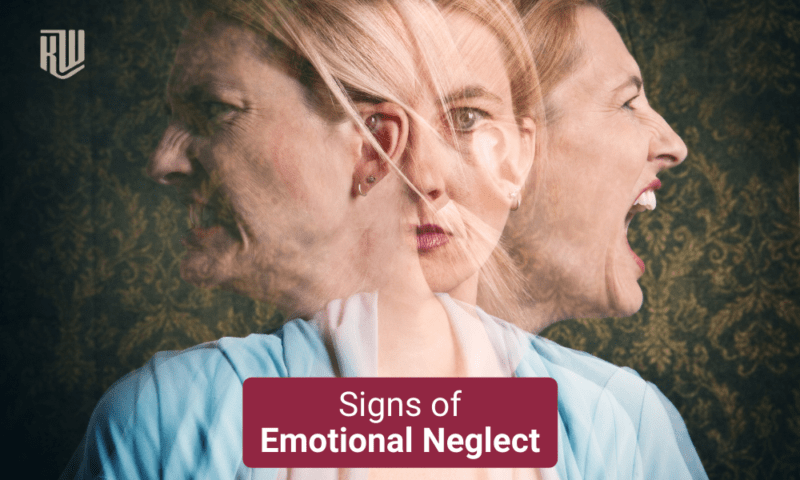
    Childhood emotional neglect can show up in your life in 15 ways. Contrary to belief, we may think some signs are “proof” that we didn’t experience childhood emotional neglect, but they are proof that we did.

    What creates emotional neglect? When a parent doesn’t meet a child’s attunement needs. The child’s attunement needs are often repeatedly ignored, or their feelings are invalidated. As loving parents, we may say we love our children; although we say it, children may not just know that we love them. For our children to not feel emotionally neglected, they require focused emotional attention. The best way to describe that is the ability to, as a parent, defer your life stress, relationship problems, addiction problems, emotional problems, everything that we adults usually struggle with, and be entirely emotionally present for your child. Basically, “Hey, I’m here for you.”

    Childhood Emotional Neglect

    Let’s be honest; most of us parent with other things on our minds. We’re constantly multitasking. We’re running businesses, pleasing our spouses, feeding the dogs, and doing all these things where we are just dragging our kids along. So then the attention is no longer considered focused attuned attention, more like co-opted attention or multitasking attention. That contributes to the feeling of emotional neglect. Our children are a partial thought and many times an afterthought.

    That is why I say, in my experience, I have yet to meet a single person who has not experienced childhood emotional neglect. Although some may argue that they didn’t experience emotional neglect, it’s just not possible. We’re all human, and every parent, at times, will try and multitask their parenting, and when they do that, they are emotionally invalidating and ignoring their child’s attunement needs. It doesn’t make parents bad parents. It is just a fact of life, parenting is hard, and life has many demands. Therefore this isn’t about blame. It is about admitting the truth and taking responsibility. So now that we are in reality and recognize this is a universal dynamic let’s get into the characteristics.

    What are some characteristics that show up as an adult?

    1- Few childhood memories

    Having big blank spots in our childhood, memory is a prevalent indicator of emotional trauma. It’s a self-defense technique, a dissociative technique. To dissociate, we block things out. We don’t want to feel the pain of those moments, so we have big blank spots. The reality that most people remember very little of their childhood shows how prevalent neglect is for us all.

    2. Saying, “I don’t know a lot.”

    This tells us that, as a child, the parent did not allow the child to express or choose their morals, values, needs, wants, negotiables, and non-negotiables. That is why subconsciously, they feel as though they aren’t allowed to make a choice, even as adults.

    3. Perfectionism

    We all know what that means, believing that we won’t get any attention if we’re not perfect. Perfectionism is a direct attempt to avoid feeling worth “less.”

    4. Feeling Blank, numb, empty.

    70% of the population does not feel, which shows us that 70% feel detached and dissociated from their childhood emotions. Dissociating from feelings of neglect for many is their only solution.

    5. Low Self-Esteem

    How are we expected to have high self-esteem when our parents were imperfect and couldn’t attune to us because of multitasking and having other things on their minds? Not that we weren’t loved, but it just happens to be the case that parenting requires a lot. Unfortunately, the defense mechanism was to blame themselves when something couldn’t be fixed in their life.

    6. Can’t ask for needs and wants or help

    When our parents are too busy to attune to us, they invariably ignore our needs and wants. Therefore as a child, we learn to ask is to be rejected. This becomes an ingrained belief. Now, as adults, when the prospect of making a request presents itself, we become blank, numb or terrified.

    7. Can’t say no or feel guilty for saying it. People pleasers

    Because we had to put our needs and wants aside, many of us became people-pleasers because we also weren’t allowed to say no! When we did, usually around the age of two, it was followed by punishment. As an adult, there is a direct correlation between saying no and punishment.

    8. Relationship instability – fear rejection, reject others easily.

    Is relationship stability possible? Or have older generations with 60-yearlong marriages just found a way to suffer through intolerable pain with each other? Most of us have been through a marriage, multiple marriages, or breakups after just 6 months to a year. We learn how to have relationships from our parents and childhood relational environment. That shows us how emotionally abandoned we all are. As a result, people with relationship instability will fear rejection or reject people easily. Easily rejecting people shows that a person is dealing with false empowerment and detachment and they were never present in the relationship. That maladaptive coping skill is learned in childhood. Typically, our society celebrates and promotes the falsely empowered side as success. Most are unaware that it’s just as dysfunctional and results from emotional hurt.

    9. Believe they can change a person.

    As adults, we place ourselves in a God-like position when we believe that we really have enough power over someone to make them change. We even stay in abusive relationships because we assume we can change someone. All because of the severe emotional neglect that we had to cover up with false power as a child.

    10. Stay so busy they can’t feel.

    I love Gary Vaynerchuck, he’s a beautiful human being who’s done a lot to help people, but when you hear him talk about his childhood, you’ll find that it was brutal. He has many businesses and keeps himself busy, he never sleeps, and I believe this is done so that he doesn’t have to feel he is running from the pain of his childhood. So many of us keep busy with activities, parenting, working out, careers, etc., but it’s always extreme, so the pain from childhood isn’t felt.

    11. Grandiose – Better than/false esteem.

    Again, this stems from the false empowerment side. Usually shown by successful athletes, actors, politicians, and those we say have “succeeded.” The internal subconscious belief is that I have become something if I achieve these things and am now worthy of love. I am no exception. Part of my career is based on this; however, I have to remind myself to stay accountable and that this is one of the falsely empowered ways to deal with my emotional neglect.

    12. Domineering and controlling

    This is a sign of success, the newly emerging “boss bitch babe” and the classic “dominant controlling man” not taking anything from anybody. But, remember, this is hiding something. It disguises how small and insignificant we can feel. This holds true for me, too; remember, I am pointing my finger at myself first. I’ve had to tear myself down and realize this also relates to me.

    13. Success or achievement-oriented

    Do you often wonder why some successful or wealthy people are the most miserable or take their own lives? They’re feeling tremendous neglect and covering over it by pursuing outside esteem to fill the hole within themselves. True success is the ability to overcome our demons, whether or not we have the money or accolades. It’s internal, not external. Unfortunately, people who have suffered childhood neglect and have not healed are pursuing the external.

    14. Critical and judgmental

    I have several videos that may be a little critical and judgmental, I try my best to be kind and loving, but I am giving critiques and judgments. Critical and judgmental people do that because they were critiqued and judged when they were young. People like me that push an agenda. While there’s nobility, we cannot separate ourselves from the truth that the drive to fix an issue comes from the pain we felt as children. We are using society and the world to heal a piece of ourselves. Like me, I’m trying to bring to reality that our childhood affects everything because my childhood affected everything. This is my passion because it’s my pain. Agendas are pushed because of internalized pain.

    15. Needless and wantless

    We send the message that neither a man nor a woman needs a relationship with the other. The falsely empowered believe they can navigate life on their own. To be open, vulnerable, or emotional is to be weak. This is a direct result of being emotionally neglected as a child.

    All of our parents were perfectly imperfect, so we suffered childhood emotional neglect at times. The first step in healing this is to accept that reality. We must be willing to live in truth. Once admitted, we can begin taking ownership by developing the skills and tools to provide the emotional care we never received.

    Are you looking for more solutions? Pick the one that suits your needs best!

    1- My Book, Your Journey To Success
    2- My Complete Emotional Authenticity Method
    3- My Perfectly Imperfect Private Group
    4- My Private Coaching

    Learn more here:
  • The Tinder Swindler – How The Women Conned Themselves

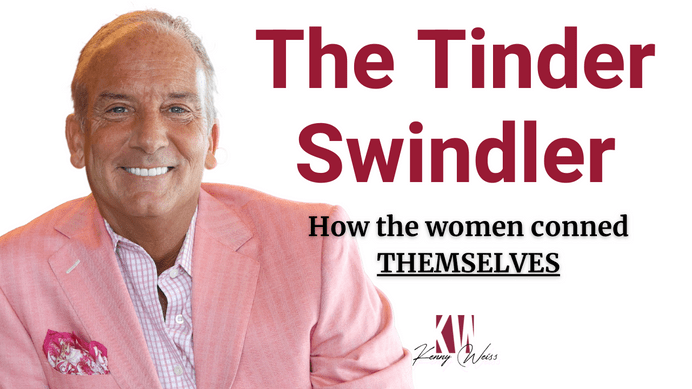
    The Tinder Swindler – How The Women Conned Themselves

    That’s a bold proposition. you might think, but keep on reading to find out how childhood, society, and culture created the perfect storm for these women to, unknowingly, be swindled and swindle themselves.

    Before we dive in, though, there are some crucial points to bear in mind:

    1-The Tinder-Swindler, aka Simon Leviev, was consciously aware that How The Women Conned Themselves. The women were NOT consciously aware they were conning themselves.
    2-The women are NOT to blame, and they are responsible – I will show you how both are true.
    3-If you notice anger surfacing over the prospect that the women conned themselves. That is a great opportunity to learn how you con yourself!

    4-If you choose not to read the full article due to feeling anger at the content. You will rob yourself of the opportunity to learn how to protect yourself from a similar situation.

    Don’t take the easy route and mistake this for victim-blaming.

    On the contrary, if you are open to a deeper understanding of human and relationship dynamics.

    what I am about to share empowers the victims of such crimes. Sets them free, and raises people’s ability to create healthy relationships.

    Find love, and defend themselves against predators.

    For many, what I am about to share will challenge most of your current emotions and cultural beliefs.

    Therefore, it will feel like you are being waterboarded with spinach.

    At first, it will be quite a mouthful, but if you stick with it. you realize it was good for you because it is healthy and based on truth.

    Men and women worldwide are open to being conned in life because they don’t realize how they can play an equally responsible role in the dynamic.

    Unfortunately, this is not often discussed in documentaries such as the Tinder Swindler, and it’s certainly not something we’re taught growing up – how all of us can play a part in being conned.

    Explanation

    The explanation for how the women conned themselves comes down to two advances in neuroscience and psychology. The first is by Lisa Feldman Barrett, who shared her discovery in 2017 with her book ‘How Emotions Are Made.’ Her work transformed previous theories on emotions and how our brain processes information. She is now in the top 1% of scientists most commonly cited for their work.

    Secondly, my development of what I call the ‘Worst Day Cycle,’ which is a self victimizing process we all live out until we heal the childhood trauma that created it.

    Coincidentally, our books came out around the same time, and both combine to create a scientific understanding as to why and how these women conned themselves.

    We Create Our Emotions. Nobody makes us feel anything.

    Lisa Feldman Barrett’s work shows that we create emotions in three ways.  physiology, the cultural and societal beliefs we are exposed to, and our childhood experiences.

    Our brains learn to make assumptions based on previous life experiences and the definitions we created based on our culture and the messaging from our caregivers.

    Our brains than use those past experiences, our current physiology, and cataloged information to project and predict what will happen next.

    In this way, often, our very first experience of feeling a certain way will dictate our future reactions, as our brain assumes that any time we feel that same way.

    The same events will unfold. You may think you are an adult making decisions but in fact, it is the child inside you that is making the decision.

    Example

    For example, suppose you grew up in a physically violent family. In that case, when you are exposed to violence in your relationships.

    you’ll associate this with family and love – you’ll believe, based on your earliest experiences, that violence=love.

    Below is an excerpt from How Emotions are Made to explain how we are responsible for creating our own emotions.

    You may often hear people saying things such as ‘You made me feel like this,’ She made me feel this. But these are disproven in Barrett’s work, emotions – are not, and cannot be, forced upon us by other people.

    “Emotions are not built-in. They are not universal but vary from culture to culture.

    They are not triggered; you create them. They emerge as a combination of the physical properties of your body. A brain that wires itself to adhere to whatever environment it develops in, and your culture and upbringing, provide that environment.

    Emotions are not reactions to the world. You are not a passive receiver of sensory input but an active constructor of your emotions.

    From sensory input and past experience, your brain constructs meaning and prescribes action.”

    This is so important when analyzing the Tinder Swindler case because it helps to set the scene of understanding as to why these women were able to be conned and unknowingly conned themselves.

    Their brains made predictive assumptions from their histories that created the illusion that they were innocently duped when in actuality, they played an active role in the duping.

    How do emotions create the women’s conning of themselves?

    From the very beginning, the first lady who was conned begins to tell us of her dreams of romance.

    How she felt physiologically upon meeting Leviev, and her first memories of love. Her opening statement below gives a lot of insight into her emotional thinking and how she planted the seeds for her own self-conning:

    “The moment I get nervous, then I know there is something special here. I’m after that all-consuming, kind of what you’ve grown up with.

    The first memory I have of love is Disney. I had memorized the entire beauty and the beast cassette. I love how she’s just a small-town girl just like me, hoping for something bigger.

    she meets this person, then she saves him in a sense, and he saves her.

    They go into a different life together. It just sticks with you like the feeling of a prince coming to save you.

    I think that even though you know it’s not real, it’s still with you. I think everyone has that little bit of hope deep down inside it will be as magical as they are portraying it to be.”

    The feeling of nervousness she mentions is a prime example of physiological learning. She formed a prediction in her mind that this was a feeling of love towards Leviev. Because this was a feeling she had experienced previously.

    Her mind immediately associated this sensation of nervousness with love – even though, on this occasion.

    It could have been a different indicator of fear or worry. Again, this was an unconscious reaction that she cannot be blamed for, and it was a contributing factor to her conning herself.

    Beast in Beauty and the Beast

    In particular, the reference to Disney, the Beast in Beauty and the Beast, shows that she was taught that fear and attraction go hand-in-hand.

    She was looking for a beast – or a narcissist in today’s terms. Simon Leviev certainly has many narcissistic traits.

    However, due to this woman’s construction of what love looks like, she believes this is what she should be attracted to – the physiological reactions of nervousness have certainly proven this to her.

    She believes that Simon (The Beast) is the Prince that she can save, and the way to do this is by giving him money.

    The belief that a person is powerful enough to save another is a God complex. It is also a narcissistic trait but from the disempowered victim position.

    Her idea that she can save Leviev and change who he is as a person is a crucial part of her swindling herself.

    it’s important, again, to remember that she is not to blame as this was an unconscious feeling.

    whereas Simon’s behavior was conscious. She unconsciously believes that she has enough power (a disempowered narcissistic trait) to change him.

    It is her Disney childhood dream to rescue a beastly man.

    Love addiction

    Furthermore, there is such a thing as ‘love addiction,’ which is the fantasy-like creation of a super love for someone in your mind. In her eyes.

    Simon became the Prince, and she believed they could both save each other. Here she’s creating a fantasy based on a construct of emotions that she has implanted in her mind due to memorizing the Disney story.

    Remember, this is all unconscious to her, but she wants her Disney dream and will do anything she can to have it. Unfortunately.

    Disney trained her to look for a beast and skewed her view that love is based on intensity and trauma. She’s not to blame for this, and she is responsible on an unconscious level.

    she’s participating through the false belief that she can save a man by financially conning him to get what she wants. To be the beauty that loves and nurtures the beast into a prince.

    Emotional predictions and assumptions

    So, to recap, her brain created the following emotional predictions and assumptions:

    1- She equated danger/fear with love – the Beast
    2- The Beast, or Simon, is a prince that she can save
    3- A God complex to get her power back over her fear
    4- She created a love-addicted fantasy of Simon.
    5- She conned herself unknowingly based on her learned emotional experiences
    6- She is not to blame because she was never taught this is how we create our emotions

    How ‘The Worst Day Cycle” created the conning of themselves

    Trauma in childhood is inevitable simply because we are all human and perfectly imperfect. Each parent will make mistakes that leave wounds in us.

    It’s important to remember that trauma does not have to be a huge event. Trauma is any experience in life that creates a negative response or feeling. Trauma is the first stage of the cycle. It generates feelings of fear, which is stage two. Her “nervousness” shows her cycle has been triggered.

    The third stage of the cycle

    The third stage of the cycle is a shame which is a loss of our authentic power. A prominent way parents traumatize us and place this shame on us happens when we make a simple mistake. The message is sent that we as people are bad when it was simply the act or behavior that was bad.

    This perfectly imperfect parenting where the message is misappropriated creates our shame core, the belief that we are defective. To solve this dilemma.

    we create a false self to get our power back. Inherently since it is not authentic and it is derived to create a connection with our parents which we need to survive, it is self-victimizing. It becomes a learned emotional response. It is actually a survival instinct. I go into much more detail about this process in my book, ‘Your Journey To Success.’

    In addition, we learn from our parents how relationships work. Therefore, the adult relationships we pursue reflect the relationships we experienced as children. We’re attracted to what we know – this explains why these women were drawn to the ‘Beast’!

    Shame turns into false victim power.

    In our culture, victims rightly need to be protected, and there is an unintended consequence to protecting them. Our culture now absolves the victim from any responsibility.

    This has created tremendous power from the disempowered victim position. Instead of the media and society teaching the public that we make our emotions, that we are all stuck in The Worst Day Cycle and reliving our unhealed pain from childhood, and seeking out the same perfectly imperfect hurtful relationships we experienced as children, they are celebrated.

    The women now hold power over Simon Leviev and society. Reliving our Worst Day Cycle is a tremendous payoff for us all. Being the victim gives us the power that we lost as children, and no one will hold us responsible for the part we played. It WORKS!

    In conclusion

    These women are not to blame. They can’t be blamed for how society, culture, and their childhood experiences trained them to play the victim, bypassing responsibility for their feelings, thoughts, and actions onto others. They can’t be blamed that although the science is out there, the media, society, and culture.

    in this case, Netflix is still telling the same old story. They can only do what they know, and all they know is how to play an unconscious part in their being victimized. That is a societal failure and not theirs.

    Therefore, if we genuinely want to protect victims and take away the predator’s power, we need to start teaching everyone that our upbringing, beliefs, and manufactured emotional projections that create our Worst Day Cycle play a part in our being responsible.

    Unfortunately, for these women, the lack of information on How the Women Conned Themselves and how emotions are made and The Worst Day Cycle enabled Simon Leviev to consciously con them while unconsciously conning themselves.

    For more on this, watch or listen to Lisa Feldman Barrett’s TedTalk – ‘You aren’t at the mercy of your emotions, your brain creates them,‘ Read her book ‘How Emotions Are Made.’

    Then, check out the ‘Worst Day Cycle’ playlist on my YouTube channel, pick up my book ‘Your Journey To Success,’ and dive in even further with my free masterclass, ‘Your Journey To Emotional Authenticity’!

    Are you looking for more solutions? Pick the one that suits your needs best!

    1- My Book, Your Journey To Success
    2- My Complete Emotional Authenticity Method
    3- My Perfectly Imperfect Private Group
    4- My Private Coaching

    Learn More here:

  • Manipulative Relationship Tactics Not To Fall For

    Manipulative Relationship Tactics Not To Fall For

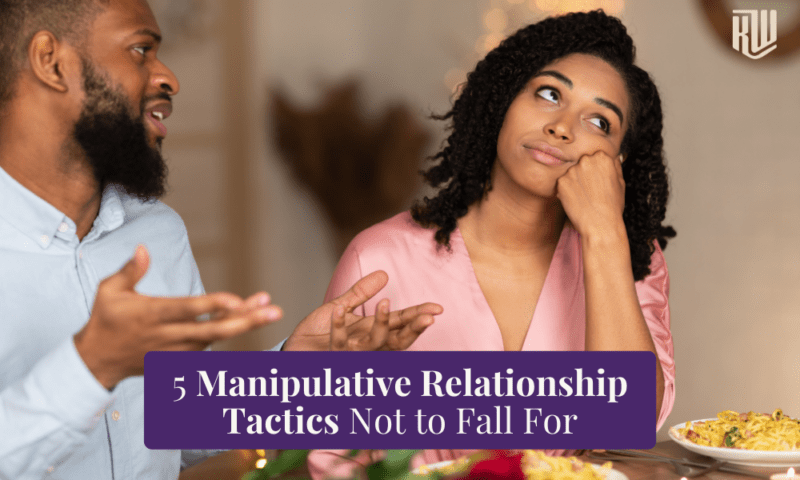
    Do you ever feel like your partner is manipulating you? In today’s article, I will be sharing five different manipulative tactics people use in relationships. With this new understanding, you can protect yourself from manipulators.

    1- They take advantage of your fairness

    A perfect example of this is in a divorce where a couple tries to split things 50/50. When one side starts bringing up something that you ‘owe’ them because of X, Y, or Z, the person trying to be fair gets taken advantage of. They use that sense of fairness against you. Then, of course, they deny doing any such thing.

    2- They deny and project

    This looks like them explaining away their lies and deception as necessary. They will downplay what they said and say it’s “no big deal.” They might even flat out deny that what they’re doing or what they did is wrong. In the end, you start to question what actually happened – everything is now on you.

    3- They will try to separate you from your family

    This can happen in many ways. It can be overt, like saying, “I don’t like your family, and we’re not spending time over there.” Or they might try to convince you that your family is wrong for you. So you end up being placed in a position where you have to choose between a relationship with this person or seeing your family. If it’s not overt suggestions, it will be hints and dismissive messages.

    4- They remove your skepticism

    When you feel like you can’t ask them a question or bring up a topic you’re struggling with within the relationship, and you’re met with anger or derision, they remove your ability to be openly skeptical. You feel attacked for even considering needing or wanting something from them. It could be as simple as enjoying a hug or spending more time with them. And you feel this sense of impending trouble if you try. As a result, you have to walk on eggshells and can’t express yourself.

    5- They play nice

    They end up doing a lot for you regardless of whether or not they want to. They eventually start throwing back in your face everything they do for you and try to use that as leverage for you to do things for them. “I did X for you. Why can’t you do Y for me?” They keep score which is very codependent, manipulative, and the antithesis of unconditional love.

    What is the solution?

    At the heart of all this, there’s an attraction to this manipulative person. The parent who used conditional love creates the attraction as an adult. The direct or indirect messages were that we have to fit into this box, and we are no longer a part of the family if we don’t. That original abandonment is why we fall for the manipulations as an adult.

    Being manipulated in a relationship is hurtful and confusing. However, on the positive side, it only requires gaining some new skills and tools to end the pain.

    Are you looking for more solutions? Pick the one that suits your needs best!

    1- My Book, Your Journey To Success
    2- My Complete Emotional Authenticity Method
    3- My Perfectly Imperfect Private Group
    4- My Private Coaching

    Learn more here:
  • How To Stop Stress | Step 5

    How To Stop Stress | Step 5

    This is the fifth and final segment in the series on stopping stress. We’ve come a long way so far! In the first segment, we learned that the clinical definition of stress is actually fear. That’s why people are not overcoming their stress, or I should say fear because the media and medical communities are not dealing with the root problem. Instead, they offer topical solutions like pills and other “band-aids” Instead of providing us with Emotional Authenticity.

    We then learned that fear is always one of three things;

    1- The fear of rejection.

    2- The fear of inadequacy.

    3- The fear of powerlessness.

    In the previous segments, we walked through what causes these fears and how to overcome them.

    In this final article, I want to give you real-life examples of how you can use the R.I.P. acronym to help you conquer stress at any point in life.

    The first example I will use is the mask debate. Should we wear one? Should we not wear one? Everyone’s on different sides. People get very stressed out when someone either wears a mask or doesn’t wear one. So, the first thing we do is use the R.I.P. acronym. If someone is or isn’t wearing a mask, ultimately ask what am I feeling? Is it rejection, inadequacy, or powerlessness? Primarily this would fall under powerlessness. Remember, we can’t control others. So, we will need to shift our focus from what we can’t control to what we can.

    Now that I recognize I am feeling powerless, what else might I be feeling? Inadequate because I don’t have the skills, tools, and knowledge to convince this person whether they should wear a mask or not. Ultimately, along with the inadequacy and powerlessness, now I am feeling rejection. This is my internal process showing me how I feel about myself and is predicated on whether they accept my reality of the mask debate as to their own.

    What’s the solution when we start to feel powerless? Every time we want to control someone and have them do what we want, we focus on what we can’t change. Remember, we can’t control people, places, or things. The only person, place, or thing we can control is ourselves. The first place to start is to focus on when we are upset by someone going against what we want them to do. We stop and switch our focus from controlling them to controlling ourselves. Instead of getting them to wear a mask or not wearing a mask,  we could decide to go to places where people wear masks or places where people don’t.

    Now that we control ourselves, we eliminate the stressful situation by focusing on what we can change. Therefore we never put ourselves in that stressful situation. Now I no longer feel inadequate. I have the skills, tools, and knowledge to do what is right for me. I have created recognition within myself, and therefore, I no longer fear rejection.

    The following example is about relationships. I struggled with relationships before I did years of research and self-reflection work. If we are dating someone and they start ghosting or not returning messages, this can stir up feelings of rejection. My biggest fear would be the thought, “What if she doesn’t like me?” I would start feeling inadequate because I couldn’t figure out what she wanted so I could try to get her to like me. Then I would begin to feel powerless! All three fears can be experienced in these situations and really get us worked up.

    This is the point where we need to do some work on ourselves. We must recognize we are powerless over others and need to get back to focusing on what we can control. Like choosing to pursue someone who returns our calls and maybe even promptly! We mustn’t give ourselves away by chasing them and doing things against our morals and values. We try so hard to get them to like us that we end up lowering our self-esteem! Now, we are learning the skills, tools, and knowledge to fulfill our own needs and wants adequately. We are also learning how to stay in line with our morals and values. This will cause the stress to melt away, and a new you will emerge. Doing what works best for us gives us our power back.

    This last example is one that I really struggled with, and it is about finances. I would get caught up in thinking, “I need more work, need to work harder, need more clients, how do I generate more cash flow?” and would find myself spiraling into the fear of rejection and powerlessness. I realized that I couldn’t control whether people wanted to get help or not; there was nothing I could do about that.

    I am all too familiar with waiting until the pain is so overwhelming that we finally are motivated to do something about it. That’s how I started researching and working on myself. So, I learned that I would have to focus on what I can control. That’s why I wrote a book, “Your Journey to Success,” why I do videos, started recovery groups, and write these articles. I enjoy talking about how to heal the pain and overcome obstacles that keep us stuck, also passionate about it; talk about it non-stop.

    I have attained the skills, tools, and knowledge to talk about these topics and feel that I am walking in my destiny. My life has changed so much. I want to shout it from the rooftop! It truly brings me joy to share the knowledge that I have acquired. Therefore, when I find myself in fear of R.I.P. I focus my attention on what I can control. I can do a video, do more research, or reach out to a client I haven’t heard from in a while. When I focus on what I can control, my finances take care of themselves.

    That’s a wrap. You now have the simple to use steps to stop stress as you embark on your Emotional Authenticity journey.‌‌

    Are you looking for more solutions? Pick the one that suits your needs best!

    1- My Book, Your Journey To Success
    2- My Complete Emotional Authenticity Method
    3- My Perfectly Imperfect Private Group
    4- My Private Coaching

    Learn more here:
     

  • How To Stop Stress | Step 4

    How To Stop Stress | Step 4

    In Part IV, we will cover the most prevalent fear of all, the fear of powerlessness. I will explain the three signs of experiencing a period of powerlessness and the solutions to get through them.

    So, what is fear powerlessness, and where does it come from? Well, it comes from attachment. You see, we are the only species on this planet where we must be physically and emotionally attached to another human being, or we will die; our survival depends on it. There are many moments in childhood where our sense of self, what I call our authenticity, is challenged. In other words, our parents imparted their views on us. For instance, so many of us heard things like, “If you don’t stop crying, I will give you something to really cry about!” Or, “Children are to be seen and not heard.” Comments like these make it clear we cannot express our authentic selves. But, of course, we could not prevent these events, and that’s where we learned the fear of powerlessness for the first time.

    What are the three signs that we are experiencing the fear of powerlessness?

    The first sign is that we focus on what we can’t control and not what we can control. For example, we are having money trouble, and we spend all day long worrying, “Oh my Gosh, I’m going to go broke and be on the street!” Instead of focusing on a solution. We are stuck reliving the problem, just like when we were a child, believing we have no recourse to defend ourselves. As a result, we find ourselves stuck in the powerless, childlike state, the victim-side of the problem.

    The second sign is that we’re giving ourselves away, and going against our morals, values, needs, and wants negotiable’s, and non-negotiables. I will share a story about a client of mine to show how this works. He’s a mortgage guy and gives out gifts to his clients. This week, he came in with some gift ideas; he found someone who sells these nice designer knives. He thought that might be a neat gift. Well, the salesperson was a woman who kept pressuring him to buy. Finally, he started getting afraid and started to back off. I already know his story. His mother controlled every feeling, every action he ever took.

    As he tells the story, he is not aware that the pushy saleswoman is triggering memories of his mother, which is why he wants to back off. So he tells her, “I need to talk this over with my wife.” He then goes to his wife and asks her, “Hey, I have an idea about these designer knives. What do you think?” She immediately says, “No.” I asked him, “So, what did you do?” He says, “Oh, I didn’t do it.” I asked him, “Did you see what just happened?“.

    He was just in a position with two women, and he gave himself away. His morals and values were in line with the knives being a great gift. It was his need and want to share that gift with his clients. It was negotiable and the right thing to do for him. Instead of honoring himself, he acted just like he had as a child and repeated his fear of powerlessness. He gave himself away to please the woman in his life (now his wife) and never realized he was acting just like he did as a child.

    The final way powerlessness expresses itself is the inability to say no. Most people can’t say no to others because they feel it’s rude, think it’s mean, or selfish. This belief originated in childhood because, in essence, we could never say no to our parents. This leaves us feeling that we are selfish or bad if we think of ourselves or that all we’re ever supposed to do are things for other people.

    What is the solution?

    The first thing to do is to make two lists. On one, we list all of the people, places, and things we can’t control. We can’t control people’s actions, choices, or feelings, nor can we control how the world works. But I can control my thoughts, my feelings, and my actions. I am responsible for everything I do, and those items go on the second list. We do this so that when we are stuck in the self victimizing powerless state of thinking.

    “Oh my Gosh! I’m going to go broke.” Next, we can switch to questions that empower us and focus on what we can control. Questions like, “how can I make money?  What are my options? What can I control?” I can reach out to previous clients, check-in, and see how they’re doing in my situation. They might respond, “Oh my Gosh! My husband and I just got in a fight. Can we come and see you?” I have just generated a solution and empowered myself by focusing on what I can control and not what I can’t control.

    The second solution is to define my morals, values, needs, wants, negotiables, and non-negotiables. This works because we go through every area of our life, friendships, relationships, career, hobbies, spirituality, and every aspect of our life. Such as, do you believe in monogamy? Do you think you’re supposed to live together before you get married? Is it okay to have sex before marriage or wait until marriage? Do you want to have sex once a week, once a year, once a day? Sadly, most people don’t know their morals, values, needs, and wants and just relive what their parents told them to believe. No wonder so many people feel powerless.

    The second solution is learning the criteria for when to say no. The key is a shift in what it means to be kind and loving. Most relationships, whether they’re business or personal, end with both sides lamenting, “I did this for them, and they never gave me that.” In other words, both feel they were the giving one, and it wasn’t returned. So what does that tell you? All of those things we’re doing are in the hopes that we get something in return. To put it bluntly, that means we have all been taught to do things for others to manipulate, getting something in return. That’s not doing something for someone else out of kindness or love because unless it is returned, we’re going to make them pay for it. That is how we make ourselves powerless.

    Therefore, before we ever say yes to anyone for anything, we need to ask ourselves these three questions:

    1.) Am I going to keep score?

    2.) Am I going to throw it in their face?

    3.) Will this ever lead to resentment?

    If we think any of those things will happen, we need to say no! Otherwise, we’re going to throw it back in their face, and we’ll realize we gave our power away.

    If you have a hard time saying the word no, I will share a magic phrase that works every time.  Instead of saying no, you can just say, “That doesn’t work for me.” It is magic because they can’t argue with that. Let me show you. They might say things like, “What do you mean it doesn’t work for?” You just say, “Well, it just doesn’t work for me.” They may ask, “So what part of it doesn’t work for you?” You can reaffirm, “It just doesn’t work for me.” You don’t have to explain yourself because you’re no longer a child. We don’t have to defend why we don’t want to do something. It is enough that it just doesn’t work for us. It gives us complete ownership and prevents us from giving ourselves away. Taking responsibility is empowering. So, there are your solutions to the fear of powerlessness.

    I will combine these concepts and tie them up with a bow in Part 5. So, don’t miss the final segment of this 5 Part Series on how to stop the stress!

    Are you looking for more solutions? Pick the one that suits your needs best!

    1- My Book, Your Journey To Success
    2- My Complete Emotional Authenticity Method
    3- My Perfectly Imperfect Private Group
    4- My Private Coaching

    Learn more here:
     

  • How To Stop Stress | Step 3

    How To Stop Stress | Step 3

    In Part III of this 5-part series to stop stress, we will cover what causes the fear of inadequacy, the main signs, and the solutions to getting out of the fear of inadequacy.

    What causes the fear of inadequacy?

    In those moments when we’re stressed and afraid, what we’re fearing is that we don’t feel we have the skills, tools, or knowledge to do something.  This fear originated in childhood when we were told directly or indirectly that we were somehow incapable of doing something. For many of us, we were left with the feeling that we might be stupid or not “enough.”

    Due to our parent’s perfect imperfection, their lack of recognition when we were in our developmental stages is detrimental. I know for me, inadequacy was born with my father. I’ll never forget, I was great in math, so my dad used to say, “You’re going to be an engineer just like me!” But then, once I got into theory, algebra, and geometry, I just couldn’t do it. I’ll never forget the look on my dad’s face while helping me with homework!  I could see his disappointment in me when he looked at me and said, “don’t you get it?”. So I felt so stupid, so inadequate, and I thought, “God, I’m letting my father down! I am just not good enough for him.” But, you see, my father didn’t directly say I was stupid; it was the look on his face—the incredulous tone he used to talk to me that sent that message. Therefore our current stress is pain from our past being brought forth and relived in the present moment. So, think through your own life; where were you sent those messages?

    What is the most common way the fear of inadequacy is expressed?

    Procrastination is the most common way the fear of inadequacy is expressed. We avoid a task because we ultimately don’t want to experience that inadequate feeling again. Personally, I relive this experience when it comes to marketing my business. I don’t enjoy the process, so I choose not to learn how to do it well. If we lack the knowledge, skills, and tools to do something, the chances are highly likely that we won’t do it well.

    How do we overcome the fear of inadequacy?

    First Step:

    The first step is to identify the source. We accomplish that by making a list of all the feelings that arise whenever we consider learning something new. Then we trace the feelings back to our first experience. What you’re going to find is that they go back to a childhood moment where a parent, a teacher, a football coach, or someone you know said directly or indirectly, “you’re stupid, you’re wrong, or you’re dumb.” Or their expressions, their attitude, and nonverbal communication expressed that sentiment. With this new awareness, we can recognize that procrastinating to learn a new skill or do something new isn’t that we are afraid of learning this new skill or new experience. It’s that we don’t want to relive the feeling of inadequacy. Therefore the solution is to heal the root experience causing the feeling.

    Second Step:

    The second step requires us to contemplate who’s voice it is so we can give the shame they placed in us back to them! For me, when it comes up in my life, I picture myself right there doing homework. As children, we can’t talk back to our parents, but I imagine myself at that moment looking up at my father, saying, “Dad, I love you, but you can’t talk to me that way; it really hurts me. Can you give me the help that I need and talk to me in a way that’s more kind and loving?” Then, the feeling – I give it back, I protect myself, and say, “No, dad, this doesn’t work for me, this is yours.” It is a reparenting of ourselves, and we regather our self-esteem, which we lost.

    Third Step:

    Finally, the third step to overcome and stop stress inadequacy fears is to become an expert. To learn about the topics you don’t currently possess, the adequate knowledge, skills, and tools. Studies show that the act of learning is a great way to shift our subconscious, generate a new neural pathway and create a new empowering feeling experience.

    Now you have a three-step process to conquer inadequacy. Next, I will be sharing the solutions to the fear of powerlessness. I hope you are enjoying the journey to stop your stress! Here is part 4 related to stop stress.

    Are you looking for more solutions? Pick the one that suits your needs best!

    1- My Book, Your Journey To Success
    2- My Complete Emotional Authenticity Method
    3- My Perfectly Imperfect Private Group
    4- My Private Coaching

    Learn more here:
  • How To Stop Stress | Step 2

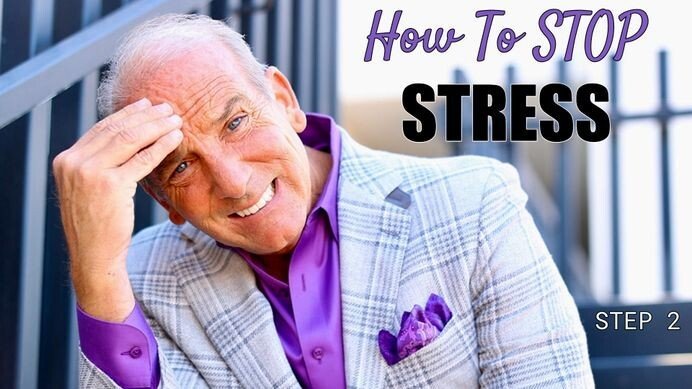
    How To Stop Stress | Step 2

    As you may recall, during Part 1 of this special 5-part series top stop stress, we discovered that both the media and the medical community are misleading us about what stress is. Stress is an emotional condition. Therefore, whenever we experience “stress,” we are experiencing fear we should stop stress.

    The next aspect they will not tell you is that fear is always one of these three things: Fear of rejection, inadequacy, or powerlessness. Rest In Peace (R.I.P.) is the acronym to remember. That way, whenever you’re stressed or afraid, you can ask yourself, “Do I fear Rejection, Inadequacy, or Powerlessness?”

    Today, we will tackle the fear of rejection and what to do when you feel this emotion. To do that, we will focus on three things.

    1.) What causes the fear of rejection.

    2.) The seven signs of low self-esteem – (Now, please stay open-minded. If you are uncomfortable with the phrase low self-esteem, then perhaps self-confidence may resonate better with some of you.) No one wants to have low self-esteem. So don’t be hard on yourself. That’s why we’re learning about the fear of rejection.

    3.) The solutions to move out of the fear of rejection and deal with this form of stress and should stop stress.

    So, let’s talk about what causes the fear of rejection? It comes from looking outside of ourselves for validation. You see, the truth is, no one ever rejects us, ever! It’s not possible! People are just acting on what they believe to be in their best interest. Think about it. If you have ever been dumped, what did they complain about oct reason did they give? They might have said they wanted to have more intimacy or wanted to go on more vacations, or wanted somebody who had this skill or that skill? That’s not a rejection of us; that’s them pursuing their own needs and wants.

    So then, why do we feel they are rejecting us? To survive as a species, we must attach to another human being physically and emotionally. The overwhelming responsibility of being a parent means that each parent will experience perfectly imperfect moments when they aren’t available to substantiate us. In those moments, we experienced abandonment. The only solution we had as a child to reconcile that pain was to blame ourselves.

    You see, if I blame myself, that means I might be able to fix it, right? It gives me hope that my perfectly imperfect parents will not abandon me if I change. Now, as adults, the thought that “If I’m rejected, I can change or fix it and make you like me” may feel like we have power, but it is false power. It really means we gave away our power to the other person. We just placed their wants and needs above ours, and by pursuing being someone different, we are looking outside of ourselves to validate our worth. Well, the only person that can ever validate us is ourselves. Therefore, by deciding something is wrong with us and blaming ourselves, we are enacting a self-sabotaging process to get power over our childhood pain of abandonment.

    Now that we understand how we created our rejection let’s look at how it expresses itself in low self-esteem.

    Seven Signs of low self-esteem:

    1.) Self-criticism – When a simple mistake is made, a person’s self-talk is highly negative and critical.

    2.) Chaotic relationships – due to the unhealed abandonment wound, they experience frequent chaos in relationships.

    3.) Defensiveness – The primary instinctual response to feedback or differing opinions becomes defensive.

    4.) Chronic Indecision – Not wanting to decide for fear of being wrong. To be “wrong” would trigger the unhealed childhood abandonment.

    5.) Perfectionism – The need to be perfect places our value outside ourselves onto someone else. In addition, since perfection is unattainable, we have rejected ourselves before the other person has a chance. The act of self-rejection places us in power.

    6.) Feeling anxious, fearful, or angry – Experiencing these feelings in moments is healthy. However, a red flag is getting stuck in them with the inability to process or move through them with moderation.

    7.) Poor Communication Skills – This looks like not telling our partner or friends precisely what we need, think, and feel. We also tend to be unable to say “No.” We give ourselves away. We give into things because we fear the loss of the relationship. Again, that’s the need for external validation.

    To regain our self-esteem, we have to recognize how we were intentionally or unintentionally abandoned by our perfectly imperfect parents and accept that we are looking outside ourselves for that validation as adults.

    To begin developing that validation from within, I suggest doing affirmations. There are two crucial keys to affirmations that some people are unaware of. The first key involves how we write down our affirmations. We don’t want to write, “I want to,” or “I will.” That puts the acknowledgment in the future, which means we will never attain it. Instead, we want to begin the affirmation with, “I have” or “I am.” We have to declare it as truth. We can’t lie to ourselves for those areas we want to gain acceptance of. For instance, if in our view we are overweight, we can’t declare,” I’m skinny.” Instead, we would want to say, “I am willing to be thin.” See the difference?

    The second key to using affirmations that many are unaware of is the need to feel them. Because we were abandoned as a child, that feeling is still strong within us. So, we have to replace that negative feeling and soak up the positive feeling of the affirmation.

    The second step is to list your accomplishments throughout the day. Because of perfectionism and the inability to make our own choices, we end our day rejecting ourselves by focusing on the minor things we didn’t finish. So, we list our accomplishments at the end of the day to realize how much we have accomplished. I have a client who does this, and she takes it one step further. Throughout her day, she lists everything she does. Simple things like she took a shower. She mopped the floor she answered 15 emails. Every little thing, she affirms herself and no longer rejects herself. She doesn’t expect perfectionism anymore. She can see that she is doing a lot throughout her day.

    The third step is self-care. When we fear rejection, we want someone or something to fill the hole inside of ourselves. It is our job to fill that need. Therefore we want to list all the things that bring us joy and do not require others to do for us. Then, the next time that feeling comes up, we want to look at our list and take action on meeting our needs and wants.

    You now have the process to overcome the fear of rejection. Coming up next in Part III to stop stress, we will tackle conquering the fear of inadequacy. Here is part 3 to stop stress.

    Learn more here:

  • How To Stop Stress | Step 1

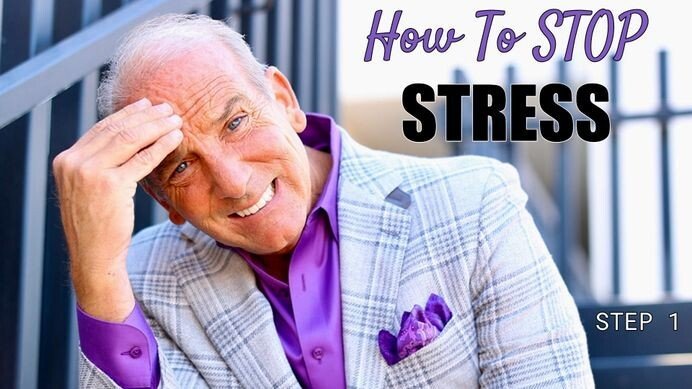
    How To Stop Stress | Step 1

    In today’s world, we are facing extremely high levels of stress. We experience it at work, school, and relationships. Not to mention we are living through a pandemic, have financial strains, and working through political issues. As a result, many of us may self-medicate to “check out” for a while. That is why I have created this special 5-part series to stop stress and how to conquer it.

    In part 1, I will share some vital information that both the media and the medical community are hiding from you. Because of the misinformation, they are spreading, stress is increasing, and more importantly, you can’t experience the quiet, pleasant life you deserve.

    Before I get started, a slight caveat, when I share this information, pay attention to your emotions. If you want to stop reading or feel you disagree, please keep reading! Because those feelings are most likely what is causing your stress you should stop strss. By continuing to read, you will discover the solution you have been looking for to lower your stress.

    The single greatest way that the medical community and the media are depriving you of the ability to conquer and stop stress is they aren’t telling you what stress is and where it comes from. The stress response is activated when anything in our life becomes demanding or overwhelming. It could be our personal life, business life, relationships, parenting, etc.  When our perception of a life situation is overwhelming, it triggers our fight-or-flight response.

    What is fight or flight?

    Well, it’s an automatic physiological reaction that prepares our body to either fight or run away. So, the truth is, when we are ‘stressed,” we are all actually afraid. This leads to the second way the media and medical community are abandoning us. They have not informed us that we are scared because of previous life experiences, where we developed a negative emotional response to fundamental life challenges or perceived threats. When we experience a similar scenario to our past, it triggers that same emotional response.

    Therefore, we are bringing the unhealed pain from the past and reliving it in the present moment.  That leads us to the final way we are misinformed; they are not telling you how to conquer stress. For centuries, we have downplayed the importance of emotions, especially in our medical communities. They still refuse to see our health as a by-product of biology, psychology, and social experiences. They ignore our life experiences and instead treat us like a car engine.

    That works great when you have a broken arm, but when it comes to stress/fear, it is akin to a car being out of gas and our Doctor prescribing the spark plugs be changed. They won’t prescribe what we need because medical schools provide no training on trauma, or emotions which we now know play a significant role in all illnesses and diseases. Pills are not the solution. To conquer stress, we need Emotional Authenticity.

    Emotional Authenticity:

    1.) When we are stressed, we are in fear. It’s an emotional condition.

    2.) It starts with emotional experiences endured earlier in life, namely childhood. However, those experiences have never been addressed, so they are brought into the current moment.

    3.) The media and medical community deprive us of the real solutions. Because everywhere we look to find ways to deal with and stop stress, there are superficial remedies. None of the television shows, social media sites, or search engines reveal what I just talked about, the root cause.

    The real solution is the need for Emotional Authenticity. First, we need to recognize that stress is fear and should stop stress. Then, we need to start calling it what it is – fear. We are afraid.

    Remember earlier? I said you might feel the need to stop reading, and I asked you to read until the end. So what did you feel?  Anger, disinterest, skeptical, numb, blank, overwhelmed? Whatever feeling it was, this is your doorway into healing your stress. That is because whenever we see, touch, taste, smell, or hear new information, it automatically triggers the fear response in our brain. We can’t stop that process from happening. So let’s step through that doorway now by learning about the three levels of fear.

    Fear is always one of three things:

    1.) Fear of rejection.

    2.) Fear of inadequacy – meaning we don’t think we have the skills, tools, or knowledge to do something.

    3.) Fear of powerlessness.

    Now, let’s think about all this new information. What emotion could cause us to want to stop reading? Well, maybe you’re thinking,

    “I don’t have the skills, tools, or knowledge to trust this new information.”

    This can cause fear of inadequacy. By recognizing that,

    “I have never heard this from the media, my doctor, etc.”

    Then there might be the thought of not knowing this about myself, or even worse, my Doctor doesn’t have all the training and expertise I thought they had?

    “Gosh, I should have known this. If somebody found out I didn’t realize this, they might reject me.

    Then, you can ask yourself, when was the first time I felt shame or embarrassment for not having the answer as a child? How was I rejected or shunned for not being perfect?

    Now, if we feel inadequate and rejected, what does that make us feel? Powerless! Now look through your life and consider how the dynamics of rejection, inadequacy, and powerlessness are at play in nearly every life experience. Our doctors need to be providing us with this prescription, not pills.

    Some of you might be thinking, “Oh my gosh, this resonates with me. What can I do about it?”

    In this series, I will provide you with the knowledge, skills, and tools to conquer stress. To start, I want you to think of this as an acronym. Whenever we are stressed, we are afraid, and it is always one of these three fears.

    1-The Fear of Rejection

    2-The Fear of Inadequacy

    3-The Fear of Powerlessness.

    R.I.P. Rest In Peace.

    Through the rest of this series, I will break down each fear. Then I will give you solutions when any of those “fears” appear in your life. Having this process, the answer the media and medical community won’t give you will make it possible for you to navigate stress/fear and remove it from your life for good.

    So, tune in, follow the series, and you will be able to put an end to stress finally!

    Learn more here:

  • Self-Love – How To Be Confident

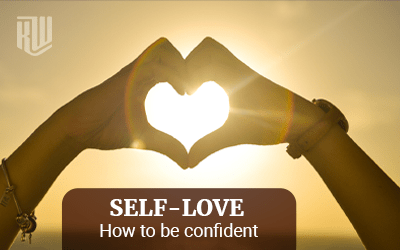
    Self-Love – How To Be Confident

    Self-love and confidence are essential things. However, the information in this article is a little different from what you usually get when it comes to developing self-love and how to be confident.

    Of course, the usual advice still applies: how you hold yourself – your posture and eye contact – influences how people perceive you; if you’re always looking at the ground, you’re not quite telling the world that you love yourself or have much confidence. Similarly, visualizing and feeling your success and thinking positively are good qualities to help you gain confidence. Do your affirmations, be grateful, and be aware of limiting yourself through words and taking action. These are all excellent and legitimate things to do to help you gain confidence and improve your self-love. But there’s more to be done.

    Self-love requires two things:

    1. Self-esteem: self-esteem is the belief that no matter what – whether you have a promising career, whether you have money, whether you have a trophy spouse, great kids, or some other trappings of success – you instinctively and inherently have worth. Just the fact that you are born makes you worthy. You don’t have to be or do or accomplish anything for this to be true.
    2. Confidence: confidence entails belief in yourself that you can achieve the things you want in the aspects of life we can control. We recognize when we put our mind to it, and as long as we stick to it, we know that we’ll get it.

    When you put self-esteem and confidence together, you get self-love. So to love ourselves, we need to have both.

    What stops people from achieving self-love?

    With incredibly low self-esteem comes massive denial. We don’t want to admit that we feel bad about ourselves, that we can’t see our inherent worth, that we don’t really believe in ourselves, that we lack the confidence to achieve what we want. So we mask it all with drugs or pills or careers – all these different things that help us present an image of ourselves. It’s a band-aid to hide the absence of our self-esteem.

    What’s at heart here? What’s the real problem? Where did we learn that we had no inherent worth? It’s not an innate characteristic of the human species. We learn to have low self-esteem and low worth in our childhood.

    A lot of people think this is blaming parents, but it’s not. It’s an explanation. We are perfectly imperfect. Even if we went to school all day, every day, to learn how to be a parent, we would still make mistakes because we are human, and it’s an overwhelming job. Think about it. Someone has to work, take care of kids, manage themselves, manage their marriage or partnership, manage technology, manage how other people drive and think, navigate politics and emotions. There’s just so much going on in life. How could parents not make mistakes?

    Our low self-esteem is derived from these mistakes. And although we don’t want to admit it to ourselves, that’s what’s killing everybody – denial. We don’t want to accept that we have low self-esteem from less than perfect childhood experiences and how we are in denial of that truth. Most people want to skip healing this aspect in their self-discovery journey, that our parents weren’t perfect. But, unfortunately, if we look at behavioral science, we’re shown that we become our childhood time and again. So things that aren’t working in our adult life were learned in childhood. The inability to address our childhood pain stops us from achieving self-love.

    How can we be genuinely confident?

    We have to become an expert in confronting our denial and what encompasses our denial. It’s those perfect imperfections that we don’t want anyone to know about – our scars and scabs. Things like laying on the couch and drinking too much wine, taking sleeping pills, having affairs, stealing money hide these imperfections that we don’t want to admit to ourselves and definitely don’t want to admit to someone else. But by becoming aware of these perfect imperfections, we can learn to love, forgive, and share ourselves with others, which translates to self-esteem.

    You as a human being have inherent worth and gaining true self-confidence isn’t the visualization and positive thinking – that’s just window dressing. What is really important is the willingness to accept your imperfections as the best part of you. In your imperfections lies greatness.

    In childhood, we’re taught to get rid of or hide these imperfections and shame ourselves because of them. It becomes a piece of yourself that you were told is unworthy and cutting it off or getting rid of it becomes an addiction. But the solution is the opposite. Those bad feelings need to be instead reintegrated and accepted into who you are. They lack love. Love from you.

    Now, as an adult, you can’t get this feeling from your parents; it’s all about you. This is our reclamation project and process. In essence, you have to become your own parent to take care of yourself and heal the pain placed into you in childhood that you’ve been trying to ignore and abandon. We have to fight through the feelings of shame that we’re taught to feel.

    Confidence isn’t about acting confident, either. Putting on a show that says you’re confident while knowing full well that you lack in this area will help no one, especially yourself. Self-confidence is saying, “Hey, look at my scabs! Aren’t they beautiful?” If you can do that, you’re providing the hurt and shamed pieces of yourself the love it never received from your parents. You love your imperfections as much as your perfections.

    To become genuinely self-confident, you need to become an expert in two things. First, how to heal the pain caused by the past that creates low self-esteem and expertise in how you hide from yourself and don’t show yourself the truth, by confronting these things we don’t want to face – the pain and the truth – will provide us with a light that can guide us towards a place of confidence. Still, we need to be willing to take that first step. Regardless of how many messages we get about being tough to succeed in life, it’s actually the opposite; we need to be willing to be vulnerable. Honest. Authentic. Once you can see all of yourself with honesty and authenticity, that inherent worth starts to shine through and make itself known.

    Can you see it now? Can you see how affirmations and gratitude are helpful, but they will never quite get you to that point? There’s only one way to get there: you have to love all of you, including the most broken and perfectly imperfect aspects of you.

    How to start the journey towards loving yourself

    To get you started on this journey, you can find several helpful videos and articles from my website, www.thegreatnessuniversity.com. Why not start with How To Love Yourself-Three Steps to Love and Accept Yourself?

    My book, Your Journey to Success, will show you how to overcome the denial around your childhood pain. So many people aren’t even aware of their trauma and are in intense denial about their childhood. The healing process needs to begin with identifying, admitting, and facing the trauma in your early life.

    In the free content section of The Greatness University, you can also download 10 Steps To Heal Emotional Pain to start healing your underlying trauma.

    No matter what you do, remember that it will take time to go through the deep. The intricate process of gaining true self-esteem, self-love, and confidence. It can feel scary and challenging, but once we become an expert in our denial, it’s easier than we think.

    Enjoy The Journey!

    To learn more, watch the video here:

  • Are They a Codependent or a Narcissist?

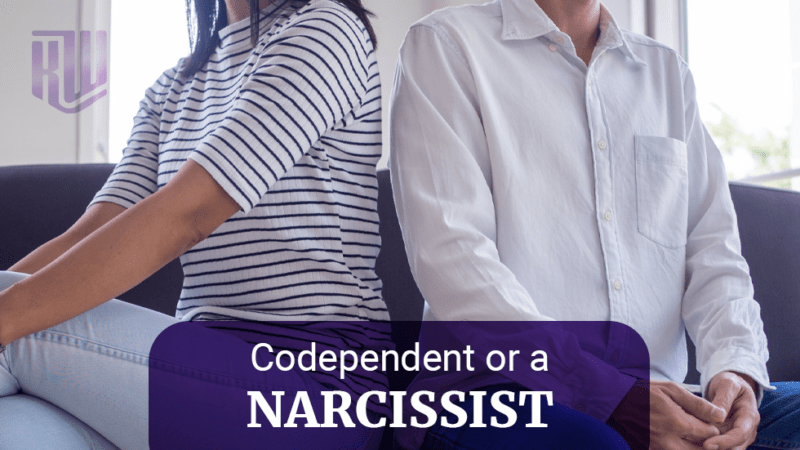
    Are They a Codependent or a Narcissist?

    Did you know that many people confuse a subtype of codependency with Narcissist?

    It is critically important to know the difference between the two because you can save a relationship with a codependent, but you can’t keep a relationship with a narcissist.


    What’s creating this confusion?


    Why do people get codependency and narcissism mixed up? Well, first simple answer is the internet.

    When you view informative content on any platform, you’re only getting a snapshot of the whole truth. No one would be receptive to content spanning ten or twelve hours – our attention spans aren’t that long! We prefer content that is short and to the point. It’s impossible to cover all of the subtleties and intricacies of a dynamic in such a short amount of time or a passing post on social media.

    People watch several videos or view content and become self-professed experts on the content, not realizing that there is so much to it that they have missed. They then pass this incomplete information along, leading to a lack of clarity and misunderstanding of the distinctions. It actually requires a lot of invested time and effort to become an expert in something.

    So, even this content that I will share will not give you a complete picture of the differences between codependency and narcissism. Still, it will provide you with a basic understanding that you can explore and, if you like, delve deeper.

    The second reason is the lack of understanding in regards to codependence. Sadly, most professionals only know or speak about the typical disempowered, needy, type we are all familiar with. Many are not aware of Pia Mellody’s work which shows that in fact, there is not only the standard disempowered, but also it’s polar opposite, the falsely empowered. To learn more about this relatively unknown side of codependence I suggest you pick up her book, Facing Codependence and subscribe to my Youtube channel. I have several videos on my Codependence playlist which will provide you the complete understanding of Codependence.


    What is a narcissist?


    According to the DSM, for someone to be considered a narcissist, they must have at least five of the following nine characteristics:

    1. A grandiose sense of self-importance. They exaggerate their talents and achievements to seem superior.
    2. A preoccupation with fantasies of unlimited power, success, brilliance, beauty, or ideal love.
    3. A belief that they are special or unique can only be understood by or associated with people or institutions with high statuses.
    4. Requirements of excessive admiration; attempts to attract others and be their focus of attention.
    5. A sense of entitlement such as unreasonable expectations of favorable treatment or automatic compliance with their expectations.
    6. Exploits others to achieve their own ends; relationships are largely superficial and exist for their own self-esteem.
    7. A lack of empathy with an unwillingness to recognize or identify with the feelings of others.
    8. Envious of others or believes others are envious of them.
    9. Arrogant, haughty attitudes or behaviors.

    If someone has at least five of these characteristics without any external factors such as addictions, alcohol, or drugs, they may be a narcissist. In addition, these traits must be relatively stable and consistent across time and situations – they don’t just have moments of these characteristics that come and go.


    Falsely empowered codependent?


    This subtype of codependence is often mistaken for narcissism. In some ways, they look exactly the same, but not in all ways, and the critical part is the stability of these traits across situations.

    Most people teach codependence as one overarching concept, leaving people with the impression that codependent people are whiny, spineless, and weak. That’s the disempowered side of the dynamic. The other side is linked to some of the most successful people on the planet. This is not to say that some successful and powerful people are not narcissistic, but what we celebrate as a successful person in our society is often actually a falsely empowered codependent.

    This subtype of codependent is arrogant, grandiose, invulnerable, anti-dependent, a perfectionist, walled-off, and controlling. This is the CEO, lawyer, banker, finance type, social media star, and actor. These people rely on grandiosity, admiration, entitlement and demand the attention of others to succeed in their career, social status, or achievements. Can you see how this could be mistaken for narcissism?


    Falsely Empowered Codependents


    Falsely empowered codependents minimize and deny their own feelings, seeing them as weaknesses; they lack empathy for others’ emotions. This is because they are so invested in achieving what is called ‘outside pursuits’ such as their career, they can only focus on themselves and their achievement. They need approval and validation just like a narcissist and persistently label, judge, and criticize others. They might use sex, money, intellect, and charm or gifts to manipulate, control, and have power over others. Or they might be indifferent, authoritative, or enraged as a means to control people.

    This type of codependent will try to control and shape others’ thoughts, feelings, and actions. They will avoid emotional, physical, intellectual, and sexual intimacy to keep control and distance. Illness, addiction, and outside hobbies or interests will be used to avoid reality. This subtype believes they have everything together and don’t have any issues; any perceived problems are because of other people. These codependents are also created by their childhood trauma. Unfortunately, they will likely say that their childhood and parents were perfect; there were no problems growing up.

    However, despite how similar this is to narcissism, some differences set them apart.


    The difference between narcissism and falsely empowered codependence


    Although falsely empowered codependents will rarely admit their mistake, they are aware they have made a mistake. They will rarely cooperate, negotiate, or discuss a problem, but they are usually aware that they can avoid the problem. On the other hand, the narcissist thinks that they are faultless and that you are the crazy one for seeing any kind of fault with them.

    Similarly, the codependent will feel superior to others to hide their shame while the narcissist lacks that awareness. The codependent might be aware that they need help but will never ask for it, and they will be resistant to professional help.

    Something commonly found in the falsely empowered codependent is addiction. That doesn’t just mean alcohol, drugs, gambling, or other typically ‘addictive’ things. It can be an addiction to food or working out, for example, or other more ‘acceptable’ things; it doesn’t have to be an addiction to illicit things. With a narcissist, addiction is not always the present. These traits are almost always present in narcissism, while the falsely empowered codependent almost always has an addiction present, which is partially to blame for the behavior. While it is true that some narcissists do have addictions, the narcissist’s primary addiction, usually, is themselves. In many cases they don’t need an outside substance. Finally, they are not present enough in themselves to observe their dysregulation while a falsely empowered codependent is.

    So, the three main distinctions between the narcissist and the falsely empowered codependent are awareness, addiction, and consistency.


    Three Main Distinctions


    The falsely empowered codependent may not admit their dysfunction, but they are aware of it, while the narcissist is entirely oblivious. You may as well be speaking a different language. The codependent almost always has an addiction, while the narcissist sometimes does. And all of the personality traits discussed above that show up in narcissism are consistent across time and situations. One narcissistic moment at one point does not mean a person is a narcissist.

    Take Phoenix, Arizona, and Denver, Colorado as comparisons. Phoenix is a desert – it’s always hot, the skies are usually blue, clouds rarely form, or rain falls; it’s unchanging like a narcissist with only occasional dips. On the other hand, Denver has multiple seasons with long winters that seem almost endless, but they do end. This is an example of consistency differences. You can think of the narcissists as Phoenix and the falsely empowered codependent as Denver. One’s behavior is constant, while the other has seasons.

    So, when people watch a fifteen-minute video and become an ‘expert,’ they’re missing out on the inconsistencies of narcissistic traits found in the codependent. Instead, they mistake falsely empowered codependence as narcissism.


    Seek Professional Help


    This is why it is so important to seek professional help when dealing with these dynamics. Then, when you start to discover the subtleties truly, you’ll realize the difference between the two, which could be the key to saving your relationships.

    If you are not ready to do that, you can go to my Youtube channel, you will find the Codependent and Narcissism playlists. In my opinion, it is critical to understand codependence because it is so prevalent in daily life and relationships. People underestimate how vital codependence recovery is to navigate anything.Gaining the knowledge, skills, and tools to overcome codependence might save a relationship. To get more help with setting boundaries and healing from Codependence, take advantage of my FREE downloads here: http://kennyweiss.net/resources/

    Are you looking for more solutions? Pick the one that suits your needs best!


    1- My Book, Your Journey To Success
    2- My Complete Emotional Authenticity Method
    3- My Perfectly Imperfect Private Group
    4- My Private Coaching


    To learn more, you can watch the video here: