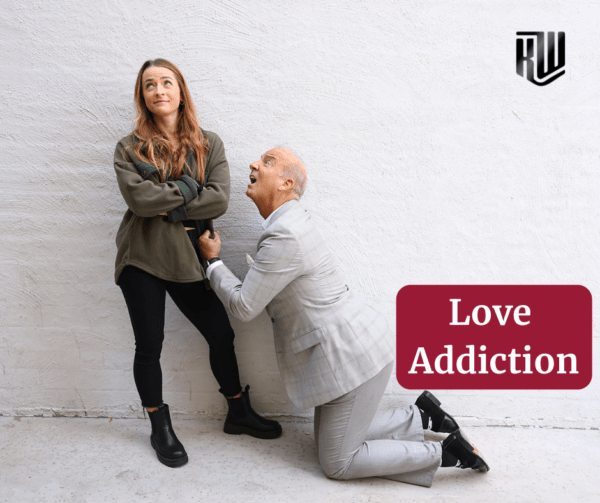
Love addiction is a compulsive attachment pattern rooted in childhood abandonment where you pursue relationships with an intensity driven by shame, fear, and denial—not genuine connection. You experience a Worst Day Cycle™ of trauma, fear, shame, and self-deception that keeps you chasing unavailable partners, seeking relief from your inner abandonment wound through another person. Love addicts sacrifice authenticity, boundaries, and self-worth in desperate attempts to feel complete, creating a predictable chemistry with Love-Avoidants that reenacts childhood trauma rather than building true intimacy. This pattern is reversible through the Emotional Authenticity Method™ and the Authentic Self Cycle™, which rewire your nervous system and reconnect you to your real self.
If you’ve ever felt like you can’t stop pursuing someone—even when they’re clearly wrong for you—you’re not broken. You’re caught in a cycle. A cycle that started before you even knew what love was supposed to look like. Before you learned that your worth wasn’t dependent on whether someone chose you. That cycle is called love addiction, and it’s far more common than you think.
Love addicts aren’t in love with people. They’re in love with the fantasy of being rescued. With the idea that one more text, one more apology, one more chance will finally make them feel whole. The reality? They’re reenacting a wound from childhood—usually abandonment—and their brain literally can’t tell the difference between that pain and actual love.
That’s you — if you’ve ever canceled your own plans the moment someone you liked texted you back.
. Your nervous system became chemically addicted to the pursuit-withdrawal cycle, confusing intensity with intimacy. The Worst Day Cycle™ explains the loop. The Emotional Authenticity Method™ (6 steps including Feelization) and the Authentic Self Cycle™ rewire the pattern at the nervous system level — not through willpower, but through somatic practice.
Table of Contents
- What Is Love Addiction?
- The Worst Day Cycle™ That Keeps You Trapped
- 7 Characteristics of a Love Addict
- Survival Personas and Love Addiction
- Love Addicts + Love-Avoidants: The Perfect Trauma Chemistry
- Signs of Love Addiction by Life Area
- The Authentic Self Cycle™: Your Path to Healing
- The Emotional Authenticity Method™: 6 Steps to Freedom
- FAQ: Love Addiction Questions
- The Bottom Line
- Recommended Reading
What Is Love Addiction?
Love addiction isn’t about loving too deeply. It’s about the compulsive pursuit of connection to avoid the core wound: abandonment. Most love addicts grew up with parents who were emotionally unavailable, inconsistent, or literally absent. As a child, you internalized the message: “My worth depends on whether this person stays with me.”
That’s you — if you’re constantly seeking reassurance that your partner hasn’t left you yet.
Your brain learned early that abandonment equals death (literally, as a helpless child). So it built a survival strategy: become indispensable. Chase. Merge. Disappear into another person so they can’t leave. The problem? That strategy worked in childhood to keep you alive, but now it’s keeping you addicted to people who trigger the exact same wound.
That’s you — the one who knew exactly what your parent needed before they said a word, and now you do the same thing with every partner.
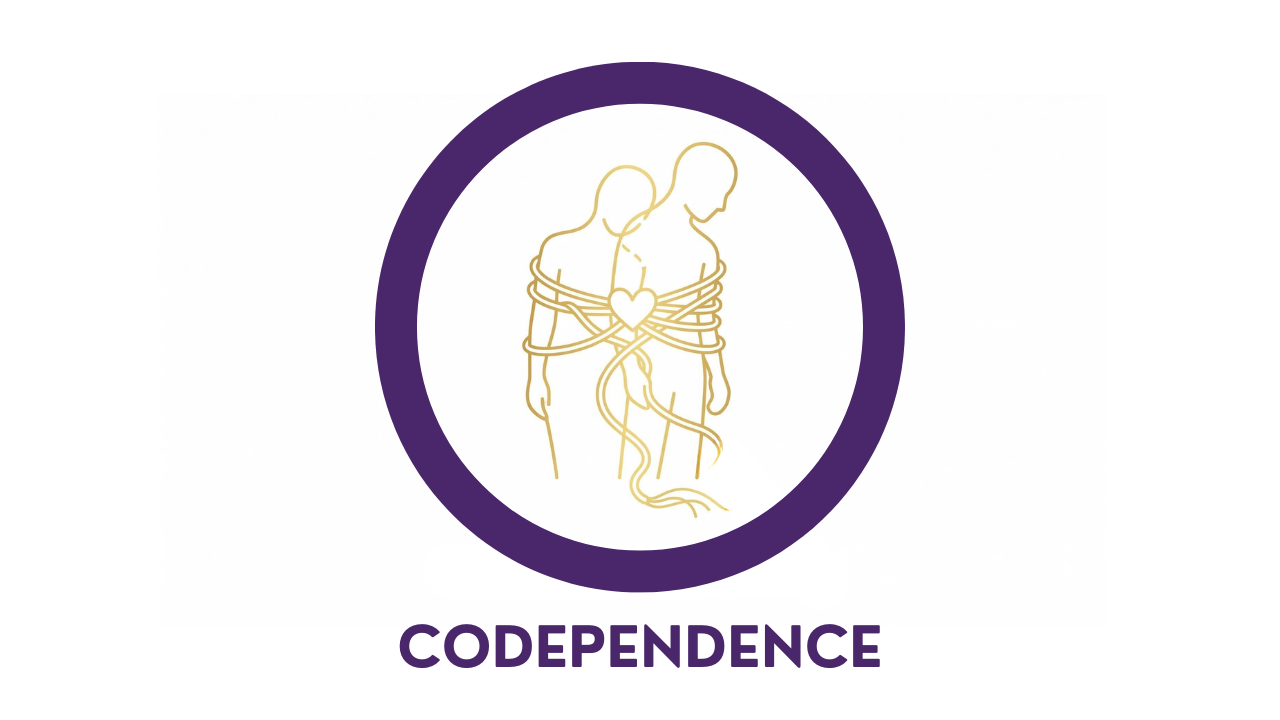
The real difference between genuine love and love addiction? Genuine love expands you. It makes you more yourself, more alive, more free. Love addiction shrinks you. It’s about getting smaller, smaller, smaller—erasing your needs, your boundaries, your reality—just to feel less abandoned.
The Worst Day Cycle™ That Keeps You Trapped
Understanding the Worst Day Cycle™
The Worst Day Cycle™ is the neurological loop that keeps love addicts attached to people and patterns that hurt them. It has four stages:
- Trauma: An abandonment wound, usually from childhood. Your caregiver was unavailable, inconsistent, or left. Your child brain interpreted this as “I’m not worthy of being loved.”
- Fear: That wound gets triggered (your partner is distant, they don’t text back, they’re considering leaving). Your amygdala fires. Your nervous system floods with cortisol and adrenaline. You feel like you’re about to die.
- Shame: Fear turns inward. “What’s wrong with me? Why can’t I make them stay? I’m too needy. I’m too much. I’m not enough.” This shame cocktail is actually a mixture of cortisol, adrenaline, and serotonin depletion—your brain’s way of making you feel small and powerless.
- Denial: Instead of facing the reality (“This person doesn’t want to be with me” or “This relationship is hurting me”), you escape into fantasy. “Maybe if I just try harder. Maybe if I become perfect. Maybe they’ll change.” Denial is self-deception. It’s your survival persona taking over, lying to you about what’s actually happening.
Then the cycle repeats. And every time it repeats, your brain releases a little hit of dopamine when your partner finally responds or comes back. You get addicted to the relief.
That’s you — if you obsess about text timing: “They took 2 hours to respond, but usually it’s 20 minutes. What did I do wrong?”
7 Characteristics of a Love Addict
If you see yourself in most or all of these seven characteristics, you’re likely caught in the love addiction cycle. The good news? Awareness is the first step to rewiring your nervous system and stepping into your Authentic Self.
1. You Pursue Connection With Intensity That Feels Like Desperation
Love addicts don’t pursue connection—they pursue relief from abandonment. That feels like intensity. Neediness. Obsession. You’re not chasing the person; you’re chasing the feeling of NOT being abandoned. The distinction matters.
When someone you’re interested in goes cold, you don’t think “Okay, they’re not right for me.” You think “What did I do? How do I fix this? I need to make them want me again.” Your entire emotional state becomes dependent on their response. Your mood swings wildly based on whether they texted you back.
That’s you — if your first instinct when someone doesn’t text is to text them more.
2. You Fantasize About Potential Instead of Seeing Reality
Love addicts are expert screenwriters. You create elaborate stories about who your partner could be, the future you could have together, the transformation that’s coming. You hold onto one kind act or one vulnerable moment and build an entire fantasy architecture around it.
Meanwhile, the actual person in front of you is treating you poorly, showing you inconsistency, or clearly isn’t interested. But your brain literally can’t see that—because the fantasy is protecting you from the abandonment wound. If you admit they’re not right for you, you face the core fear: “I’m unlovable.”
What you’re actually addicted to is the fantasy. The potential. The story you’re telling yourself.
3. You Prioritize Your Partner’s Needs and Emotions Over Your Own
Your partner’s mood becomes your mood. If they’re sad, you feel responsible for fixing it. If they’re happy, you can finally relax. Their emotional state literally controls your nervous system.
That’s you — if you’ve canceled plans with friends because your partner seemed distant.
Love addicts operate from a core belief: “My safety depends on managing their emotions.” So you become a chameleon. You shape-shift to match what they need. You suppress your needs, your opinions, your desires—all to prevent the abandonment trigger.
This isn’t love. This is a survival strategy. And it’s exhausting.
4. You Experience Intense Panic When Connection Is Threatened
When your partner doesn’t text back for hours, when they talk about space, when they mention an ex—your nervous system goes into full threat mode. Your heart races. Your thoughts spin. You can’t focus. You feel like you’re dying.
That’s not normal relationship nervousness. That’s your abandonment wound screaming. Your brain interprets relationship uncertainty the same way it interprets physical danger. Your amygdala has hijacked your cortex.
That’s you — lying awake at 2 AM, heart racing, replaying every word they said, analyzing it for signs they’re about to leave.
You might find yourself doing desperate things: creating fake social media profiles to check if they’re online, texting them repeatedly, showing up unannounced, threatening self-harm if they leave. These aren’t character flaws—they’re the symptoms of a nervous system in chronic threat.
5. You Make Huge Personal Sacrifices for People Who Don’t Reciprocate
You move across the country for someone. You leave your job. You stop calling your family. You compromise your dreams, your values, your timeline—all for a relationship that’s fundamentally unequal.
That’s you — if you’ve made major life decisions based solely on where your partner was.
And the other person? They probably didn’t ask you to. In fact, they might have explicitly asked you not to. But your brain interpreted their hesitation as a threat, so you doubled down on the self-sacrifice.
The deep belief driving this? “If I give enough, love enough, sacrifice enough, they won’t leave me.”
6. You Stay in Relationships That Are Clearly Unhealthy
Love addicts are famous for this: staying with someone who’s unfaithful, emotionally abusive, distant, or just fundamentally incompatible. When friends express concern, you defend your partner. When you feel the red flags, you rationalize them.
“They’re just stressed.” “This is just a rough patch.” “They love me deep down.” “Nobody’s perfect.”
Sound familiar — making excuses for someone who treats you poorly because the alternative is facing the truth about yourself?
You’re not in denial because you’re weak or foolish. You’re in denial because your brain literally can’t process the reality—because that reality means facing the core wound: “I am unlovable.”
7. You Feel Incomplete Without a Romantic Relationship
A love addict would rather be in an unhealthy relationship than be single. The thought of being alone is literally unbearable. Not because you enjoy relationships—but because being alone means facing yourself. Your inner world. The abandonment wound that’s been running your life.
Single periods are filled with obsessive searching. Dating apps all night. Cycling through exes. Creating drama with friends because you’re desperate for connection. The intensity of your need reveals the truth: you’re not looking for a partner. You’re looking for a rescue.
That’s you — if you’ve started a new relationship before the last one was even over.
Survival Personas and Love Addiction
Your survival persona is the adaptive mechanism your nervous system created to keep you safe in an unsafe childhood. There are three primary survival personas, and love addicts typically embody one or more of these:

The Falsely Empowered Survival Persona
This persona operates from: “I’ll control everything so I can’t be abandoned.” These love addicts are often high-achievers, people-pleasers, caretakers. That’s you — if you’ve ever overperformed at work hoping it would somehow make your partner love you more. They believe if they’re perfect enough, successful enough, helpful enough, their partner will stay.
They pursue achievement not for themselves but as currency in the relationship. “Look at what I’ve done for you. Now you owe me. Now you have to stay.”
The Disempowered Survival Persona
This persona operates from: “I have no power, so I’ll disappear and merge with you.” These love addicts become invisible. They have no boundaries, no needs, no opinions. Their entire identity becomes their partner.
They attract Love-Avoidants because they trigger no threat—they’re safe. They require nothing. The Love-Avoidant can keep their distance without the Love-Addict making demands (on the surface, at least).
The Adapted Wounded Child Survival Persona
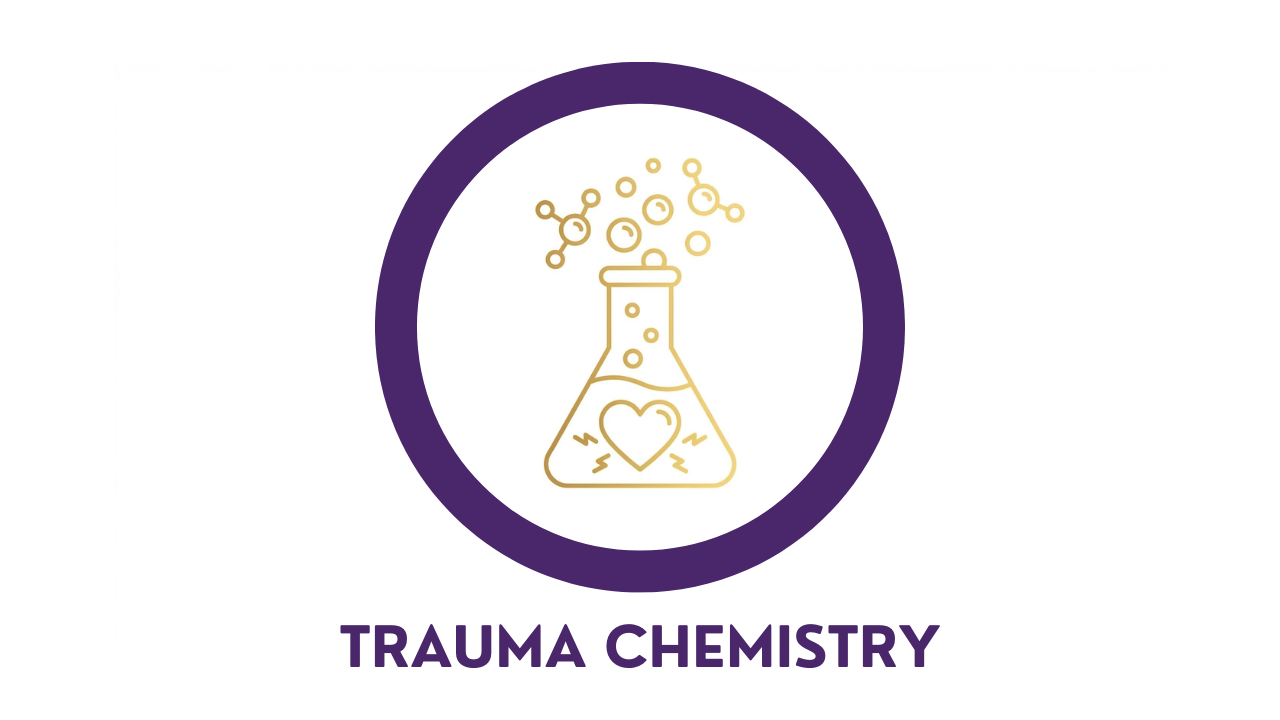
This persona operates from: “I’m still that abandoned child, so I’m looking for the parent who will finally get it right.” These love addicts pursue people with obvious dysfunction or unavailability. They’re unconsciously trying to heal the original wound by winning over someone who mirrors it.
Love Addicts + Love-Avoidants: The Perfect Trauma Chemistry
Love addicts almost always attract Love-Avoidants. This isn’t coincidence. This is trauma chemistry.
A Love-Addict pursues. A Love-Avoidant runs. The Love-Avoidant distances. The Love-Addict panics. It’s a predictable, repetitive cycle that reenacts the exact abandonment wound that created both of them in the first place.
That’s you — if you feel abandoned when your partner wants space.
Here’s the hard truth: They’re not in love with each other. They’re in love with their childhood trauma replaying itself. Two inner children reenacting the same wound from opposite sides. The Love-Addict says, “Don’t leave me.” The Love-Avoidant says, “Don’t suffocate me.” Both are terrified. Both are running from abandonment.
The really painful part? When two love addicts get together, they often become Love-Avoidants with each other—because they’re both terrified of abandonment, so they both preemptively distance.
Signs of Love Addiction by Life Area
In Your Family
That’s you — if your survival persona runs the show in every area of your life, not just romance.
You try to make your parents proud through achievement or people-pleasing. You replay old abandonment patterns with siblings. You’re overly responsible for your parent’s emotional wellbeing. You feel like a caretaker rather than a child, even as an adult.
In Romantic Relationships
You move too fast. You merge identities quickly. You make huge sacrifices early on. You obsess about your partner’s feelings and availability. You fantasize about potential. You stay in relationships that are clearly unhealthy. You panic when your partner creates space.
That’s you — if you’ve said “I love you” before you really knew someone.
In Friendships
You prioritize certain friends’ needs over your own. You feel hurt when friends don’t reach out first. You adjust your personality to match what you think your friends want. You’re overly invested in their lives and problems.
In Work
That’s the pattern — chasing approval from bosses the same way you chase it from partners, because the wound is the same.
You work compulsively to prove your worth. You need constant validation from your boss or clients. You have trouble setting boundaries with colleagues. You take on extra projects to feel more secure in your job. You fear being replaced or made irrelevant.
In Your Body and Health
You use substances to manage abandonment anxiety. You neglect your own health needs to focus on your partner’s needs. You have stress-related physical symptoms (stomach issues, tension, sleep problems). You don’t take time for self-care because you feel guilty prioritizing yourself.
The Authentic Self Cycle™: Your Path to Healing
Understanding the Authentic Self Cycle™
The Authentic Self Cycle™ is the opposite pathway. It’s what happens when you stop denying reality and actually move through what’s real. It has four stages:
- Truth: You stop lying to yourself. You face what’s actually happening: “This relationship isn’t working.” “I’m not happy.” “They don’t want what I want.” “I’m doing this thing with every partner.” This is hard because it activates your core shame. But it’s the only way out.
- Responsibility: You stop blaming your partner or your circumstances. You own your role: “I chose to ignore the red flags. I chose to stay. I chose to sacrifice my needs. I keep attracting the same person because I haven’t healed my abandonment wound.”
- Healing: This is where you do the real work. You learn about your survival persona. You understand your Worst Day Cycle™. You rewire your nervous system through the Emotional Authenticity Method™. You reconnect to yourself.
- Forgiveness: You forgive your partner (not for their sake—for yours). You forgive your parents for creating the original wound. Most importantly, you forgive yourself for spending years chasing connection in all the wrong places.
The Authentic Self Cycle™ breaks the addiction. It doesn’t happen overnight, but it’s the only cycle that actually heals.

The Emotional Authenticity Method™: 6 Steps to Freedom
The Emotional Authenticity Method™ is how you rewire your brain. It’s not just understanding your pattern intellectually—it’s creating new neural pathways by literally changing how you relate to your emotions.
That’s you — if you’ve tried therapy but still felt stuck in the same patterns.
Step 1: Somatic Down-Regulation
Before you can think clearly, your nervous system needs to come down from threat mode. This means breathing, grounding, moving your body—anything that signals safety to your amygdala. A 4-7-8 breath. A walk. Cold water on your face. Progressive muscle relaxation.
Step 2: What Am I Feeling?
Once you’re regulated, ask yourself: “What am I actually feeling right now?” Not your story about what’s happening. Not your narrative. The actual feeling. Use the Feelings Wheel to identify the specific emotion beneath the surface anxiety. Is it shame? Fear? Loneliness? Rejection?
Step 3: Where in My Body Do I Feel It?
Emotions live in your body, not your head. Where do you feel this feeling physically? In your chest? Your stomach? Your throat? Get specific. This is the pathway back to your Authentic Self.
Step 4: What’s the Earliest Memory of This Feeling?
Trace this feeling back to its origin. When was the first time you felt this specific feeling? Usually, it goes back to childhood. Your parent was unavailable. They left. They chose someone else. They criticized you. The feeling you’re having right now is actually that original feeling, triggered again.
Step 5: Who Would I Be Without This Feeling?
This is the crucial question. If you didn’t have this abandonment fear, this shame, this need for validation—who would you be? What would you want? What would you choose? This is the beginning of reconnecting to your Authentic Self.
Step 6: Feelization—Creating a New Emotional Chemical Addiction
Here’s where the real magic happens. Feelization is the practice of sitting in the feeling of your Authentic Self—and creating a new emotional chemical addiction to that feeling instead of to abandonment and chase.
First, you drop out of your head and into the feeling of being fully present with yourself. What does your Authentic Self feel like? Safety? Freedom? Wholeness? Aliveness? Sit in that feeling. Actually feel it in your body. Don’t visualize it—feel it. Your nervous system needs to experience this chemical state so your brain learns it as “safe.”
Then ask: “How would I respond to this situation from this feeling?” From your Authentic Self—not from fear, not from shame, not from your survival persona. How would your Real Self handle this relationship? This triggering moment? This abandonment fear?
Visualize yourself operating from that feeling. See yourself responding with boundaries. With clarity. With self-respect. Feel the feeling of that version of you. Stay there. Your brain is literally building new neural pathways. You’re training your nervous system to get addicted to your Authentic Self instead of to the chase.

FAQ: Love Addiction Questions
Love addiction and codependency are related but not identical. Codependency is the broader pattern of prioritizing others’ needs over your own and seeking worth through relationships. Love addiction is a specific manifestation of codependency—an addictive attachment to pursuing connection. All love addicts are codependent, but not all codependent people are love addicts. A love addict feels compulsive, obsessive, driven by panic. Codependency is the framework; love addiction is one particular way it shows up.
Two love addicts together often create a dynamic where they both get triggered and both desperately try to prevent abandonment. The relationship can become chaotic, enmeshed, and volatile. It’s possible for two people with love addiction patterns to heal individually and then build something healthy—but not while both are still operating from the addictive pattern. The healing has to come first. Check out our post on the signs of enmeshment to see if this applies to your relationship.
Being into someone is wonderful. You’re excited, you want to spend time with them, you think about them. But you can still maintain your own life, your own friendships, your own identity. A love addict loses their identity in the relationship. They panic when their partner creates space. They sacrifice major life decisions. Their mood depends entirely on their partner’s availability. Their self-worth becomes conditional on being chosen. If your relationship has caused you to shrink, sacrifice, or become obsessed, you’re likely in love addiction.
Because your brain is an automatic pattern-recognition machine. It learned a specific template in childhood—usually from your abandoning or emotionally unavailable parent. Your brain looks for that template in partners because it’s familiar. Familiar feels safe, even when it’s destructive. You keep choosing the same type because you haven’t rewired the template yet. The Emotional Authenticity Method™ actually changes the template your nervous system is looking for.
Absolutely. Love addiction is rooted in a wound—abandonment—that can be healed. It’s not something you’re born with; it’s something you learned. And what was learned can be unlearned. The Authentic Self Cycle™ and the Emotional Authenticity Method™ directly address the wound and rewire your nervous system. Thousands of people have moved through this pattern and built genuinely healthy, reciprocal relationships. The key is doing the actual work—not just understanding the pattern, but practicing the new pathway.
It’s extremely difficult. When you’re in the triggering relationship, your nervous system is constantly in a state of fear or chase. It’s like trying to learn a new skill while someone’s constantly distracting you. Healing typically requires creating space—either physical space (leaving the relationship or taking a break) or emotional space (deep boundary work). Many people find it necessary to leave in order to rewire. Others do the work within the relationship but with serious boundary practices and support. The honest answer: if your relationship is actively triggering your love addiction pattern, healing while staying is much harder.
The Bottom Line
You’re not broken because you love too much. You’re caught in a cycle that started before you had any choice in the matter. An abandonment wound from childhood that your nervous system is compulsively trying to heal through another person.
But here’s the revolution: You can rewire this. You can break the cycle. You can reconnect to your Authentic Self—the part of you that knows your worth isn’t dependent on whether someone chooses you. The part of you that can stand alone and feel whole.
The Worst Day Cycle™ can become the Authentic Self Cycle™. The chase can become peace. The fantasy can become reality. The addiction can become freedom.
This isn’t something that happens overnight. It requires facing the shame, feeling the abandonment wound, and consciously creating new neural pathways through the Emotional Authenticity Method™. But every single person who has done this work knows it’s worth it.
You deserve a relationship where you’re not constantly performing, constantly anxious, constantly afraid. You deserve to be chosen—not because you’ve sacrificed everything—but because you’re genuinely, authentically, fully yourself. That version of you is in there. And it’s waiting for you to come back home.
Recommended Reading
Facing Love Addiction by Pia Mellody is the definitive resource on love addiction. Mellody’s framework directly informed much of our work. She breaks down the specific patterns of love-addicted individuals and provides practical pathways toward recovery.
Also recommended:
- The Myth of Normal by Gabor Maté—Essential for understanding how childhood trauma creates adult patterns
- Codependent No More by Melody Beattie—A classic that shows how to reclaim your own life
- Attached by Amir Levine and Rachel Heller—The neuroscience of attachment styles made accessible
- Dare to Lead by Brené Brown—On vulnerability and shame, which are core to healing
- The Body Keeps the Score by Bessel van der Kolk—How trauma lives in your nervous system and how to heal it
Take the Next Step
Ready to Break the Cycle?
Understanding love addiction is the first step. Healing it requires rewiring your nervous system and reconnecting to your Authentic Self. We’ve created specific courses designed to guide you through this process.
Explore these options:
Emotional Blueprint Starter Course — Individual ($79)
Relationship Starter Course — Couples ($79)
For deeper transformation:
Why We Can’t Stop Hurting Each Other ($479)
Why High Achievers Fail at Love ($479)
The Shutdown Avoidant Partner ($479)
Tier 1: Mapping the Blueprint ($1,379)
Each course includes the Emotional Authenticity Method™ framework, specific exercises for your pattern, and the support you need to rewire your attachment system.
Start with the Life-Changing Exercise: The Feelings Wheel—a free tool that helps you identify the emotions driving your love addiction.
Explore Related Topics
- The Signs of Enmeshment: How to Recognize Merged Boundaries
- Insecurity in Relationships: 7 Signs You’re Struggling With Attachment Wounds
- Signs of High Self-Esteem: What Real Confidence Looks Like
- Negotiables vs. Non-Negotiables: Building Boundaries in Codependence Recovery
- 10 Dos and Don’ts for a Great Relationship: What Actually Works
